Brits with any of these six symptoms urged to stay at home

The festive period might be long over, but the harsh winter weather is clinging on.
As a result, large groups of people are still being hoarded indoors to avoid the cold, inadvertently creating the perfect environment for nasty germs to spread.
And according to health experts, there's one particularly contagious condition doing the rounds in the UK at the moment, which has the potential to knock patients off their feet for several weeks at a time.
With this in mind, medics have sounded the alarm when it comes to six specific symptoms of this aggravating ailment. If you have one or more of them, they say, you should stay home and rest up.
Advert
This 'stay at home' warning has been led by the UK Health Security Agency (UKHSA), with an official notice being uploaded on social media today (3 February).
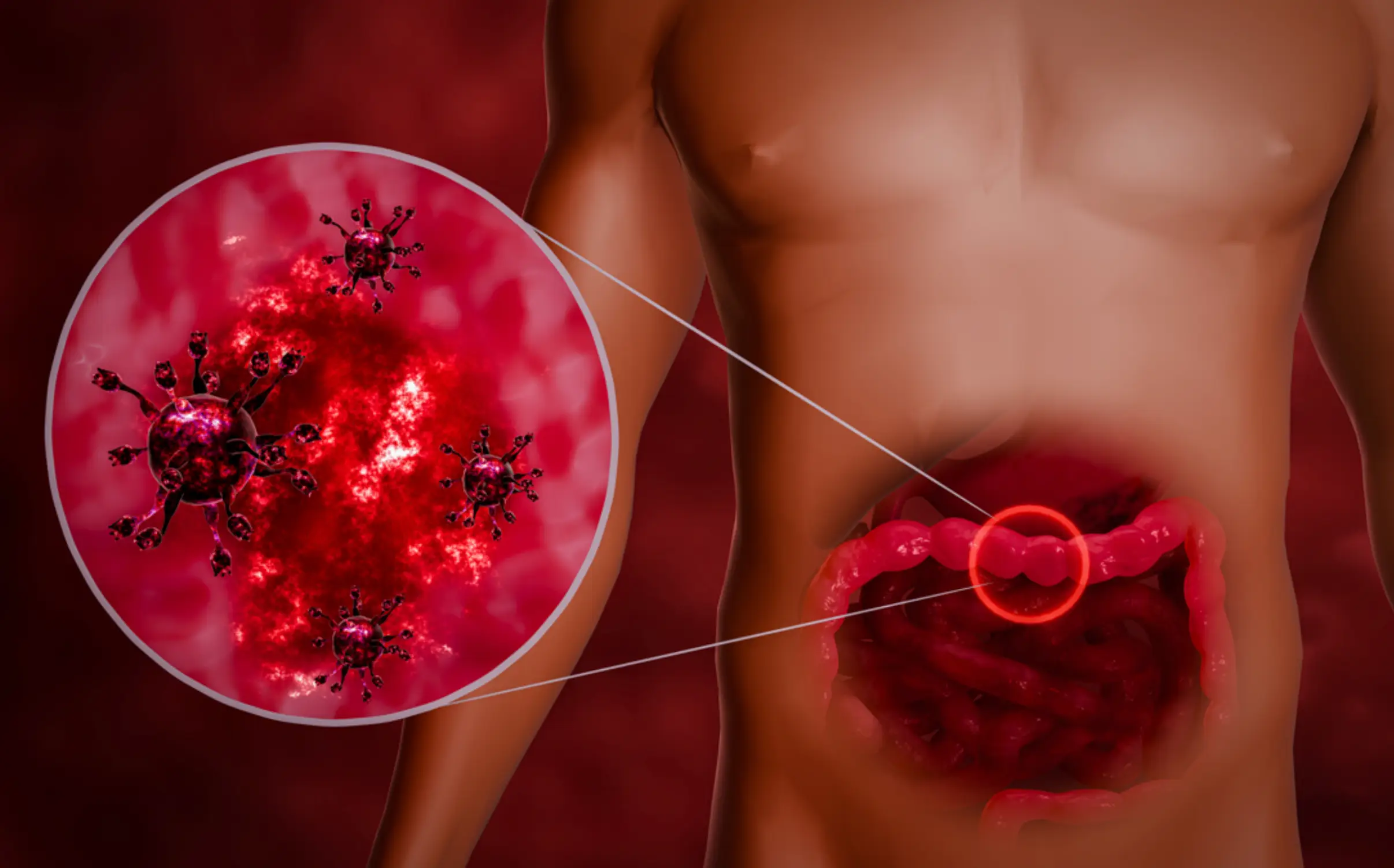
At the forefront, the message honed in on the latest figures on active norovirus cases among Brits, which are reportedly set to continue climbing.
Otherwise known as the 'winter vomiting bug', this easily-transmitted infection largely affects the stomach and bowels.
Over two weeks in January of this year (12th to 25th), however, reports of diagnoses in this area were 73.8 percent higher than the five-season average for that whole period, on top of being 18.3 percent higher than the fortnight prior.
Though most of these cases are recorded in individuals below the age of five, or aged 65 and older - who have a higher likelihood of a weakened immune system, or another medical condition - the newly-discovered GII.4 strain of norovirus is supposedly less choosy when it comes to its victims.
According to the British health body, the three most common indicators that a person may be suffering from norovirus are:
- Vomiting
- Diarrhoea
- Nausea, or feeling sick
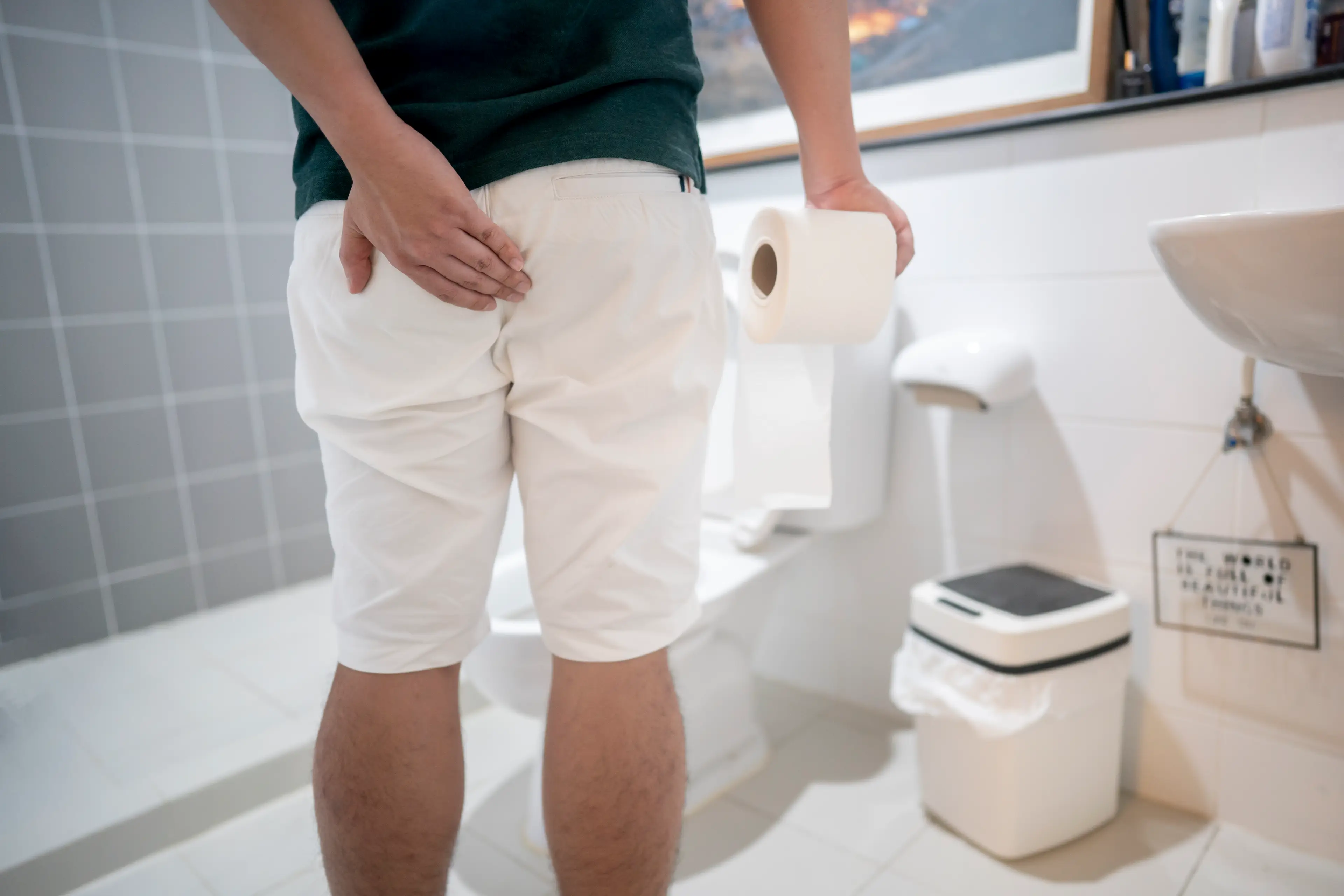
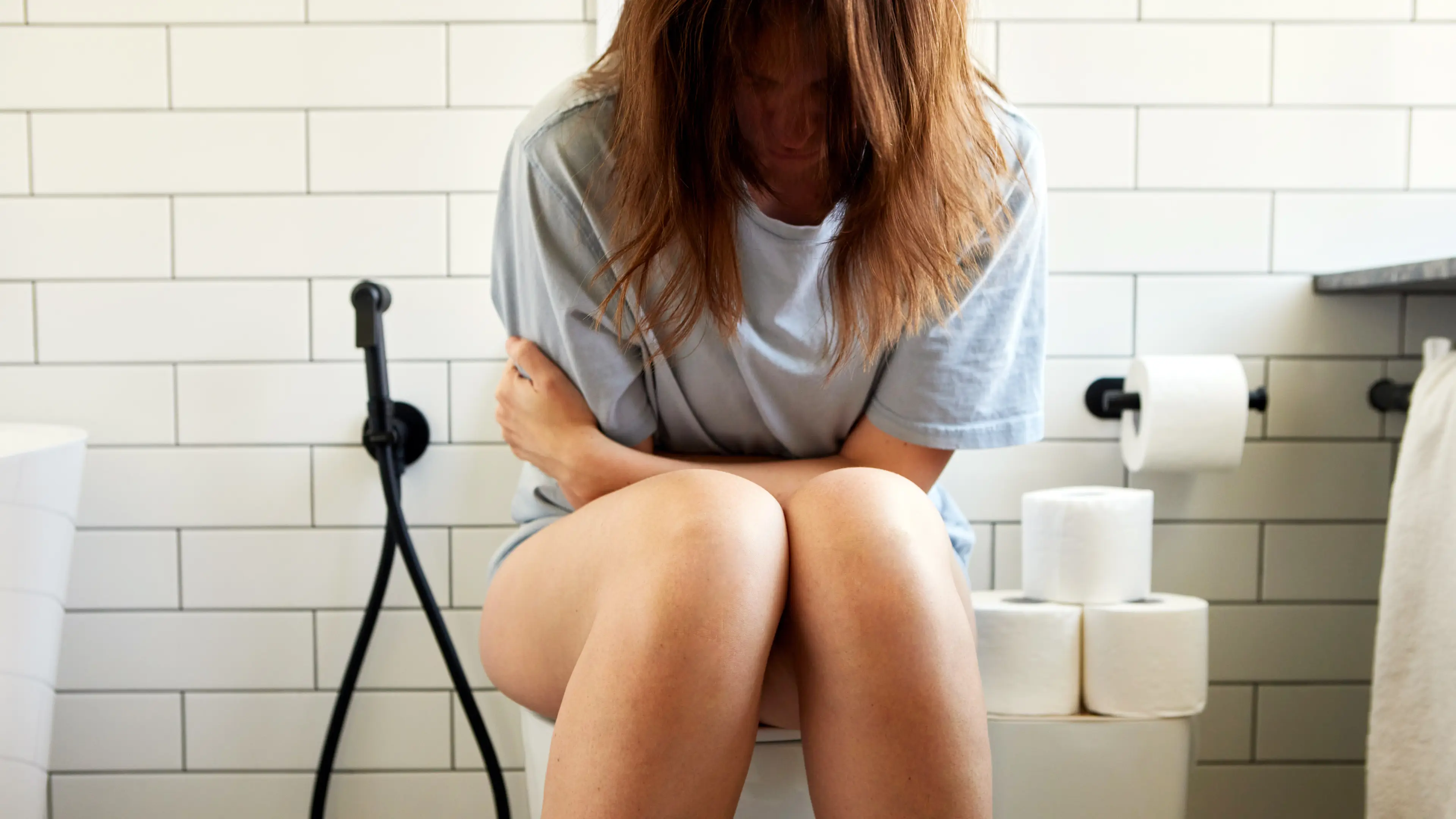
Usually, within a matter of days of contracting this bug, a person will endure pains to their stomach, which is commonly accompanied by the ceaseless feeling that they're either going to be sick, or - to put it nicely - use the bathroom at an imminent capacity.
According to the NHS, if you suffer any of these symptoms, it's vital to keep on top of your hydration, and to continue consuming fluids regularly.
Vomiting and diarrhoea usually stops within one to two days of starting.
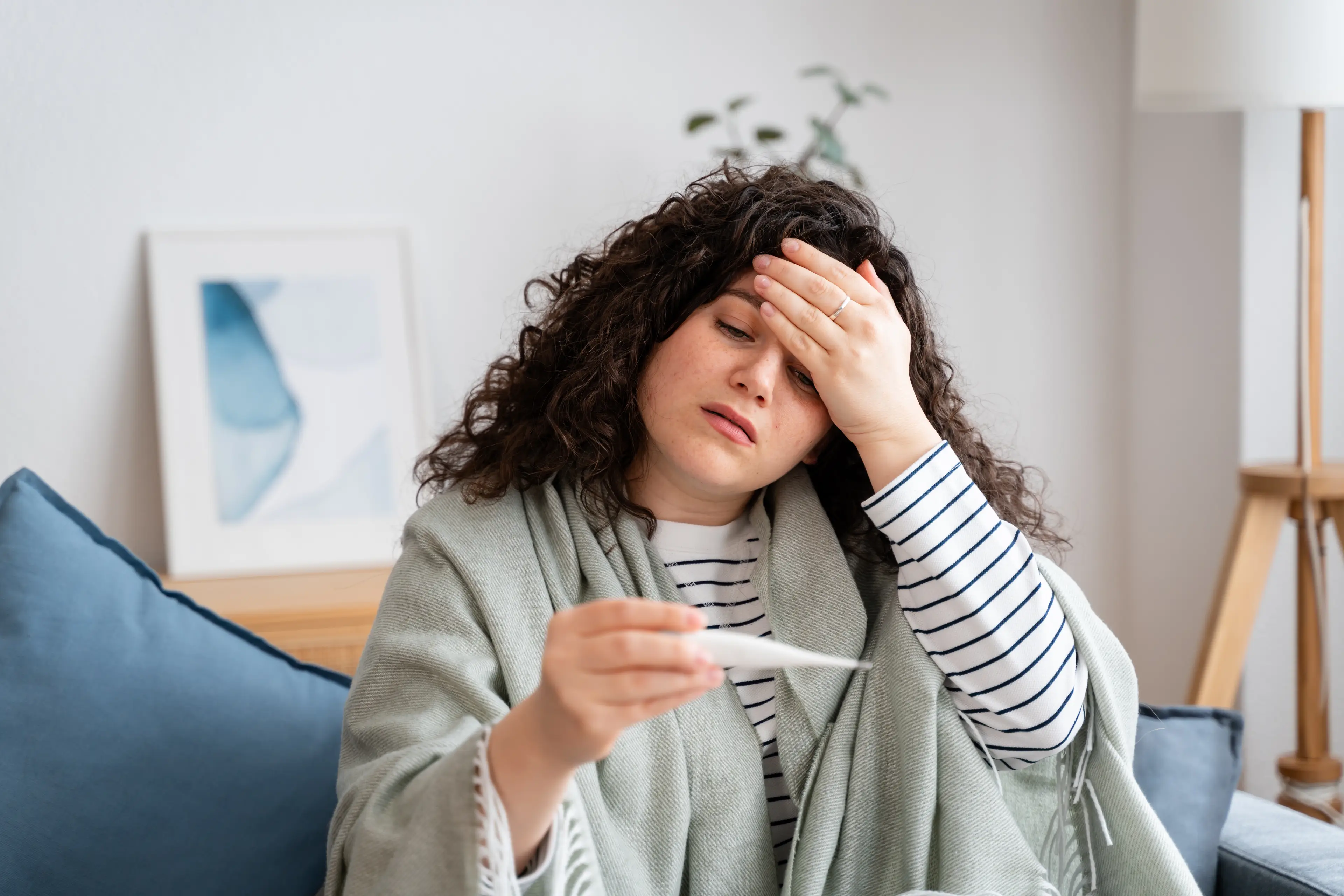
Other patients often complain of high temperatures, aches and pains within the arms, legs and back, and severe headaches.
"Diarrhoea and vomiting is unpleasant for everyone," the UKHSA warned. "If you come down with a case, here is what you can do to reduce the spread."
If you've noticed a combination of the symptoms already mentioned, experts say to stay home for at least 48 hours after they've stopped.
That means staying off school, not going to work, and avoiding any public spaces that could put other people's health at risk - especially hospitals or care homes.
On top of this, a person can protect their health by washing their hands frequently, using soap and warm water, and washing any clothing or bedding that has endured contact with vomit or faeces in a machine at 60 degrees or above.
"Norovirus infections can cause dehydration," the UKHSA explained. "Especially in vulnerable groups such as young children and older or immunocompromised people, so if you do get ill it is important to drink plenty of fluids during that time."
The body's lead epidemiologist, Amy Douglas, added: "We have seen a notable increase in norovirus cases in recent weeks among those aged 65 years and over, with more hospital outbreaks also being reported.
"While this is still within expected levels, there are simple steps that people can take to reduce the spread of norovirus and ensure levels don’t rise further."
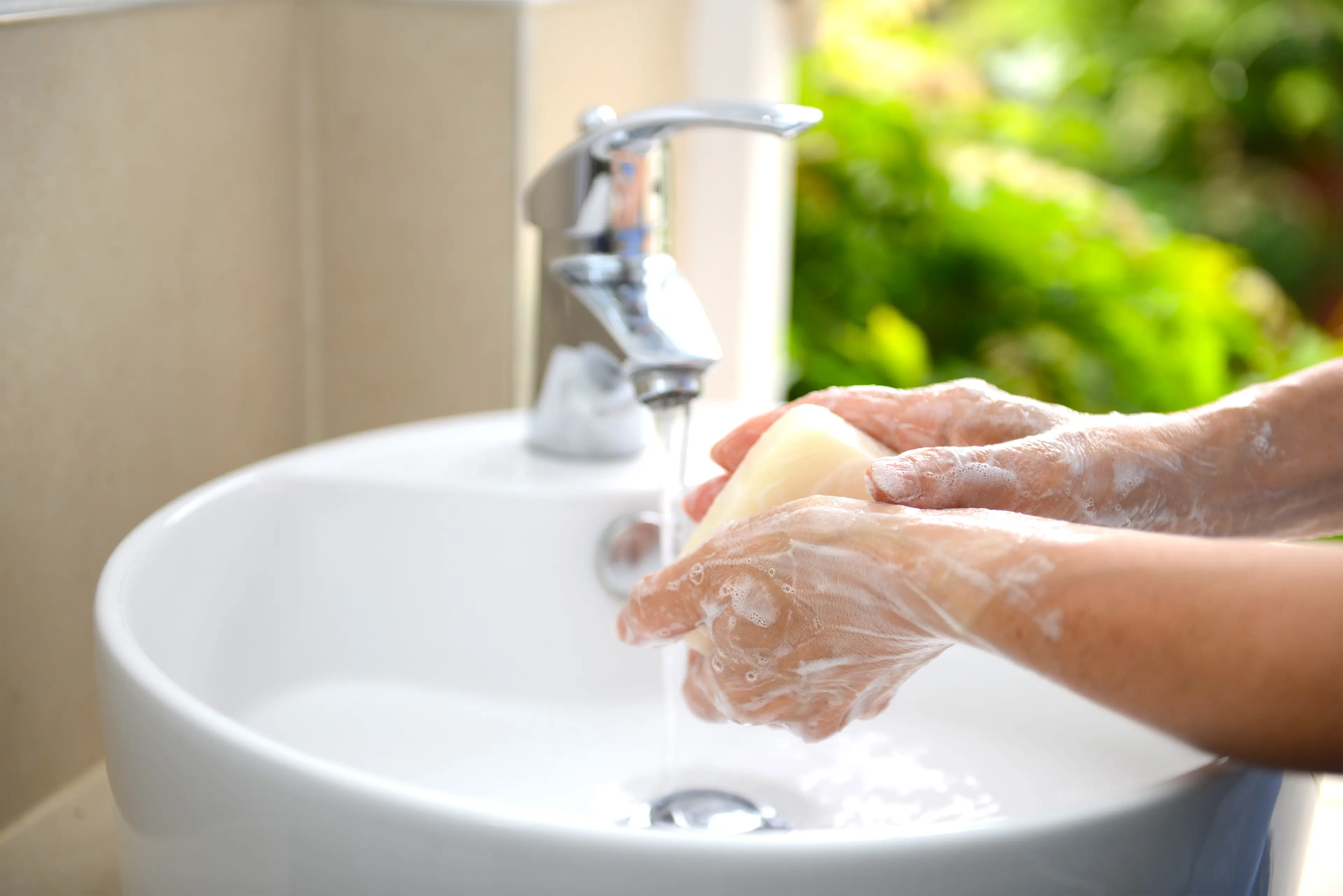
She added: "Washing your hands with soap and warm water and using bleach-based products to clean surfaces will also help stop infections from spreading. Alcohol gels do not kill norovirus, so don’t rely on these alone.
"If you have diarrhoea and vomiting, don’t return to work, school or nursery until 48 hours after your symptoms have stopped and don’t prepare food for others in that time either.
"If you are unwell, avoid visiting people in hospitals and care homes to prevent passing on the infection to those most vulnerable."
 Rhianna Benson