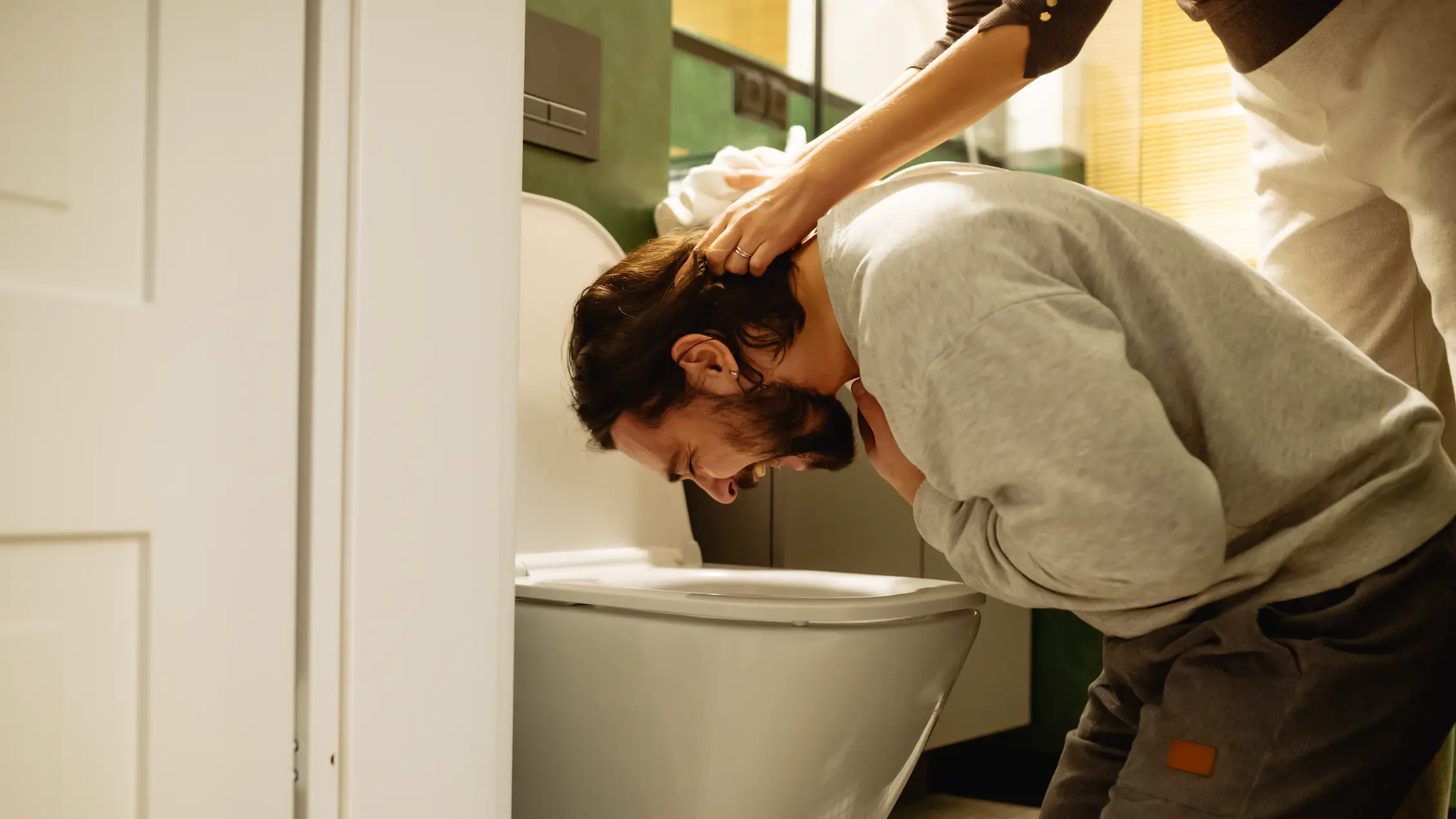
'Winter vomiting disease' is rapidly spreading - here's how to protect yourself

The holiday season is largely regarded by medics as the annual 'prime time' for germ-spreading, given how much more time we spend indoors with loved ones, often sitting in close proximity.
And this year, it's the 'winter vomiting bug' - norovirus to give it its proper name - that has got members of the Centre for Disease Control and Prevention in a particular tizzy.
Apparently, this virus is rapidly spreading across both the US and UK, with cases doubling in some areas of the Western world as the countdown to Christmas continues.
As such, doctors are urging festive celebrants to approach one another with caution ahead of the party season, and take all the necessary steps to appropriately protect themselves from this highly-contagious disease.
Advert

Norovirus is a seasonal sickness that largely affects the stomach and bowels, and accounts for almost 60 percent of foodborne illnesses in America.
What is norovirus - and what are its symptoms?
According to the CDC, these consequences are a result of acute gastroenteritis - the inflammation of digestive organs - due to dangerous bacteria entering this crucial system.
While the most common symptoms of the condition are predominantly gut-related - and also include excruciating stomach pain - there are a number of secondary symptoms that often go overlooked.
This includes things like a headache, and fever or body aches.
How is it contracted?
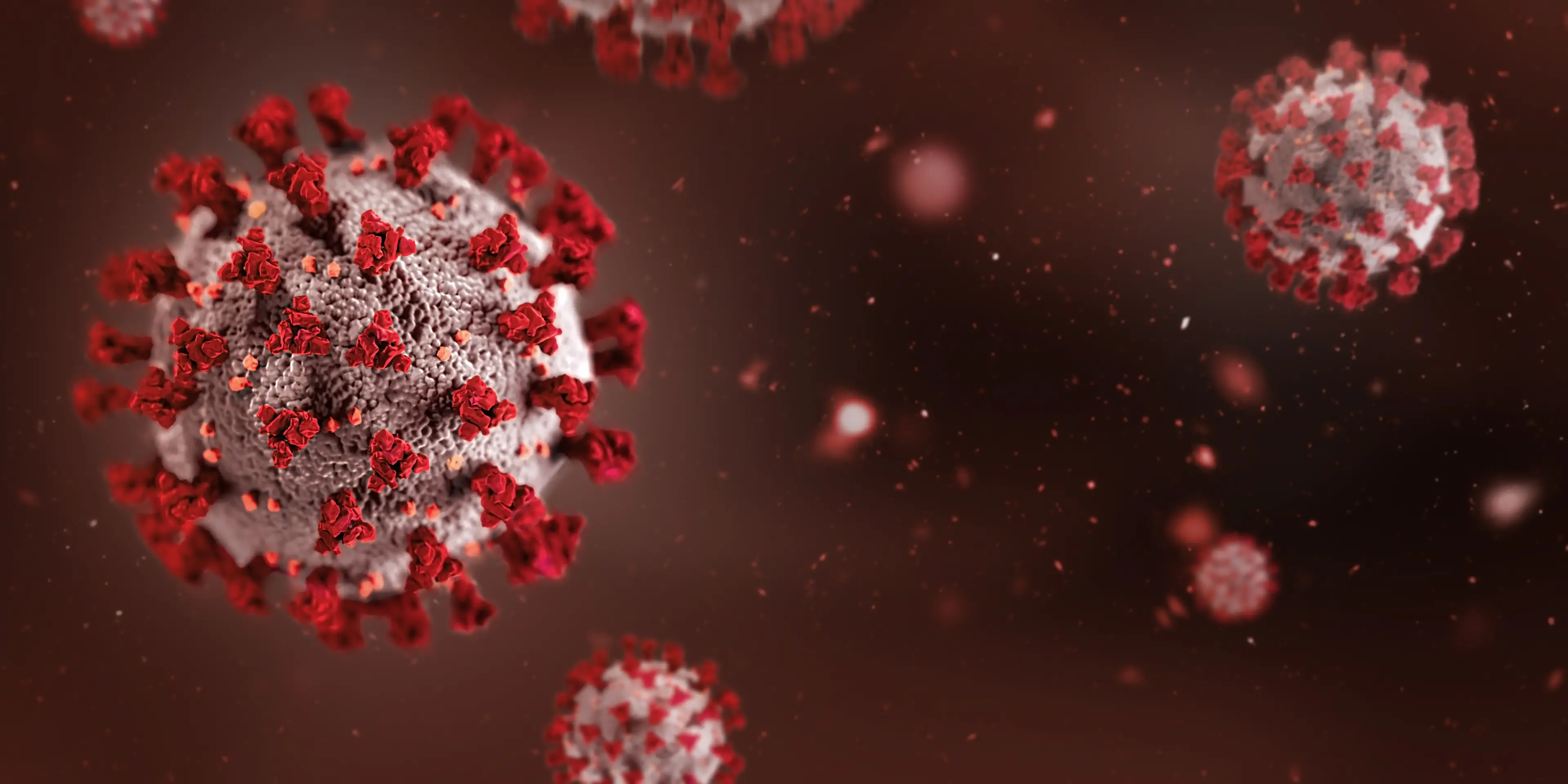
These symptoms usually kick in between 12-48 hours after a person has been exposed to dangerous bacteria - which is present in the vomit of faeces of an infected individual - and usually clear up on their own between 24-72 hours.
What some often fail to realise, however, is that this infection can be far from fleeting for some particularly vulnerable people, and can actually cost them their lives.
In the US, around 900 citizens die of norovirus-related ill health per year. This is on top of the almost 109,000 hospitalisations.
Equally as unnerving, is that you can continue spreading this infection for up to two weeks after your suffering has ceased.
The virus is most commonly contracted through contact with someone whose been ill, but can also be caused by consuming contaminated food or water, or touching contaminated surfaces before touching their own mouth.
How you can prevent infection:
Doctor's won't issue specific medication for norovirus as it has no cure. They will tell you, however, to stock up on your fluids, as sicknesses of this nature often trigger severe dehydration.
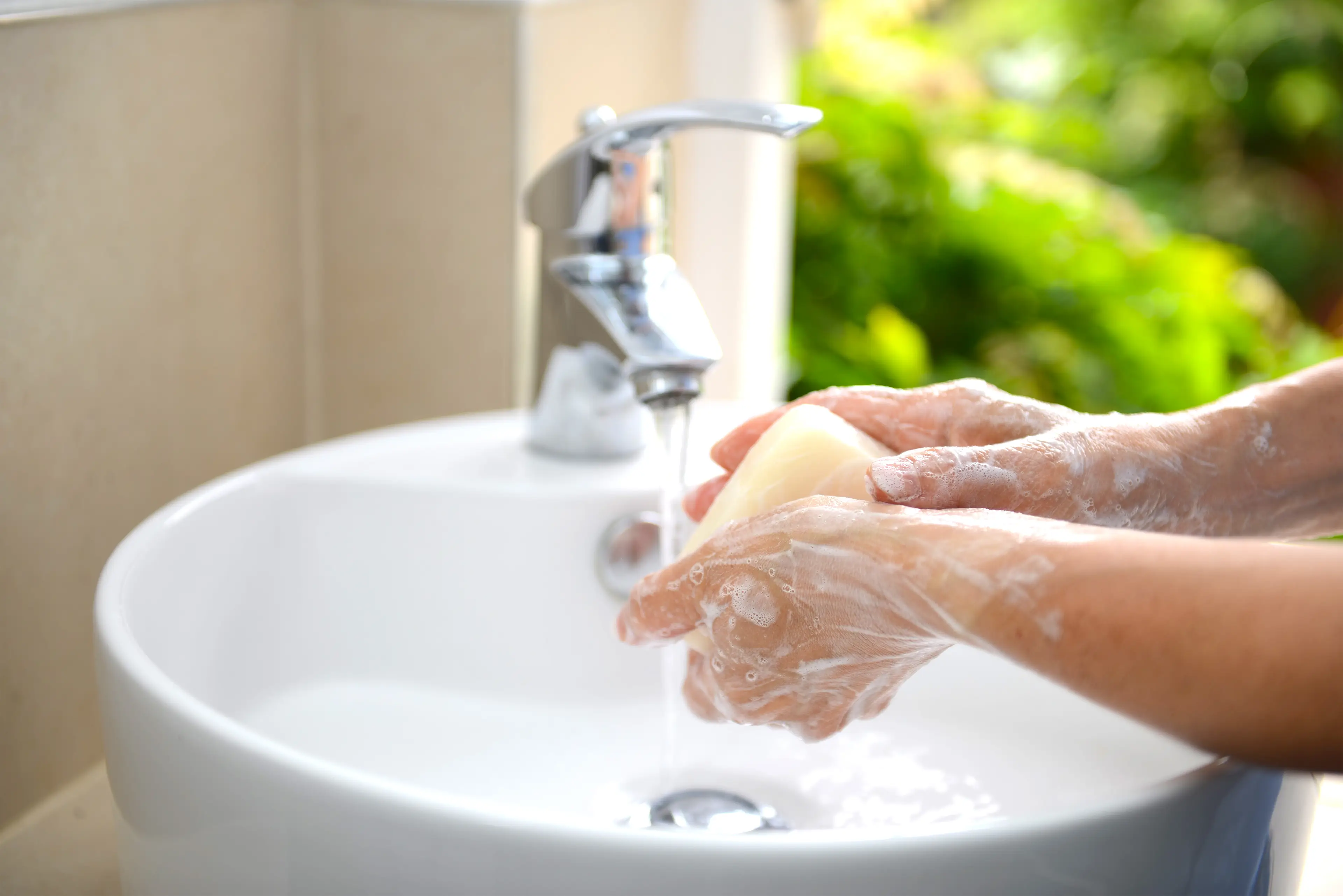
When it comes to prevention, it's vital during seasons when spreading is particularly rife to stay on top of your hand washing. The CDC recommends using soap and water for a minimum of 20 seconds to stay protected.
Such is especially the case after using the bathroom, changing a baby's nappy, before handling food, and prior to giving yourself/someone else medicine.
And while you might think that hand sanitiser will suffice in many of these instances, in cases of norovirus, it will not.
Surfaces in houses and workspaces should also be disinfected regularly - including telephones, door knobs, etc.
As a family physician Rush University Medical Center assistant professor, Dr Joanna Turner Bisgrove recently told the American Medical Association, norovirus germs are 'tricky' to remove from many surfaces because they're 'resistant to most disinfectants'.
She added: "In fact, norovirus can stay on food, countertops and serving utensils for up to two weeks, even at freezing temperatures and until heated to above 140ºF [60ºC]."
The CDC also stresses that its vital for food to be cooked at the recommended internal temperature to prevent contamination - which is at least 145ºF (62ºC) for the majority of foods, and is especially the case with seafood.
What to do if you're already sick:
First things first, if you believe you've contracted norovirus, stay home.
Do not go to work; do not go shopping; do not meet up with friends. Avoid all of these things for at least two days after your symptoms have stopped, because you'll still be highly contagious just afterwards - and remember what we said earlier about the subsequent two weeks?
If you live with other people, avoid close contact with them, do not handle their food, and clean all shared bathrooms super thoroughly.
Wear gloves whilst cleaning, throw them away immediately afterwards, and wash all laundry in super hot water.
After that, it's largely a case of keeping your fluid intake high, and riding things out.
 Rhianna Benson