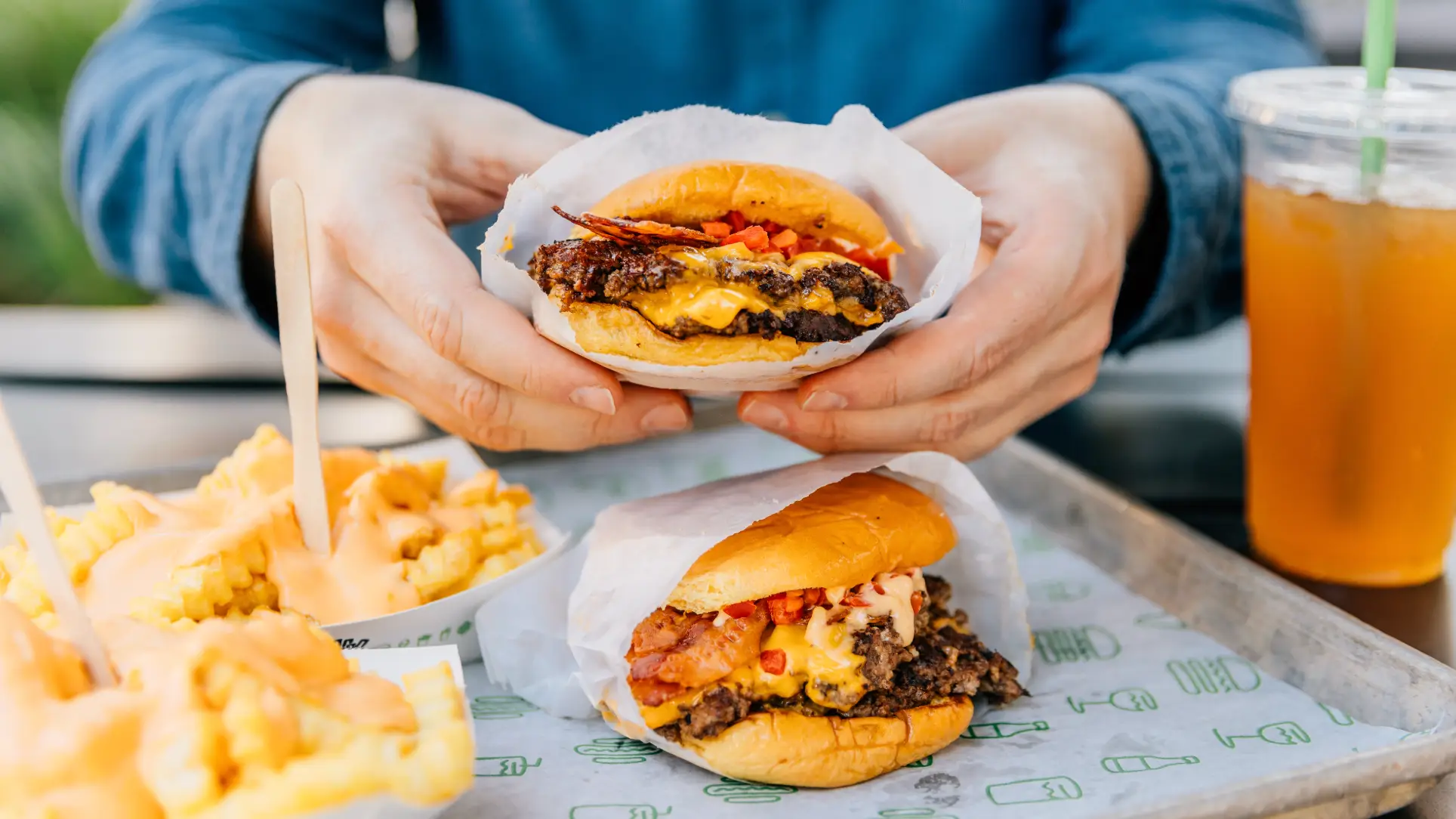
Ultra-processed foods may be as harmful as cigarettes as new study finds alarming health effects

Leaders in nutrition are calling for stricter regulation to be implemented upon ultra-processed foods, after comparing the strategies used to promote these products to adverts once rolled out by cigarette brands.
In recent years, experts in the field have ploughed insane amounts into studies on the potentially irreparable harm that this particular group can inflict.
According to experts in the field, this focus has been attributed to a sudden surge in global cases of colorectal cancer amongst members of the under 50 community. This, in turn, has been largely put down to Generation Z's infamous reliance on easily-accessible and pocket-friendly ultra-processed foods.
Some culprits from this category are more obvious than others, the likes of frozen pizza, sweets, biscuits and crisps.
Advert
Others, meanwhile, are harder to spot - especially when they're packaged and promoted as being beneficial to the body - like sports drinks, fruity yoghurt and granola.

As cited by The Independent, evidence gathered from over 50 countries has also linked the consumption of highly-processed meals with a heightened risk of being diagnosed with either diabetes, obesity, Parkinson's disease or neurological harm.
As we say, scientists leading new studies into anatomical difference between ultra-processed foods and fruit and vegetables, believe it would be more apt to lump these meals into the same harm category as cigarettes.
Three different university research groups - Duke University (North Carolina), Harvard and the University of Michigan - found foods that have been so far removed from their natural state are being manufactured to encourage addiction.
They found that the same tactics were being used by cigarette manufacturers and companies marketing ultra-processed foods, both of whom have been accused of trying to 'collectively hijack human biology'.

Some of the former are sold as 'zero sugar', and 'fat-free', which might sound like huge positive when it comes to health, but it often means they're laced with different additives, artificial preservatives and E-numbers that make them that way.
Advertising ultra-processed foods in this way has been compared by scientists to the notorious 'health washing' strategies that were implemented to promote cigarettes 70 years ago, in a bid to boost sales.
With this in mind, some leading industry experts are calling for the implementation of new public health efforts to raise awareness of the harms that come hand-in-hand with these highly-processed junk food favourites.
Their case is being fought in the healthcare journal The Milbank Quarterly, in which university researchers argue for governments to implement the same tactics previously used to reduce smoking in the 20th century, after the life-threatening consequences of this habit came to light.

More specifically, authors are calling for child-targeted marketing for ultra-processed foods to be limited, and that the consumption of these products in schools be closely monitored.
"UPFs should be evaluated not only through a nutritional lens but also as addictive, industrially engineered substances," their message concluded. "Lessons from tobacco regulation, including litigation, marketing restrictions, and structural interventions, offer a roadmap for reducing UPF-related harm.
"Public health efforts must shift from individual responsibility to food industry accountability, recognising UPFs as potent drivers of preventable disease."
Topics: Food and Drink, Life, Real Life, True Life, Health, Science
 Rhianna Benson