
Valentine’s Day warning issued for anyone who was on their period last week

Valentine’s Day - AKA the 'Day of Love' - is upon us and is set to see couples around the world fork out fortunes for fancy dinners out, heart-shaped chocolate boxes and copious amounts of roses.
Now, while many singletons decide to celebrate 14 February with their girls ('Galentine's'), a big group of mates ('Palentine's') or just someone you care about, you can't hide from the fact that loved-up couples take centre stage on the day.
And what do many adults do on Valentine's Day, other than exchange gifts and go on dates? Well, they get it on between the sheets, of course.
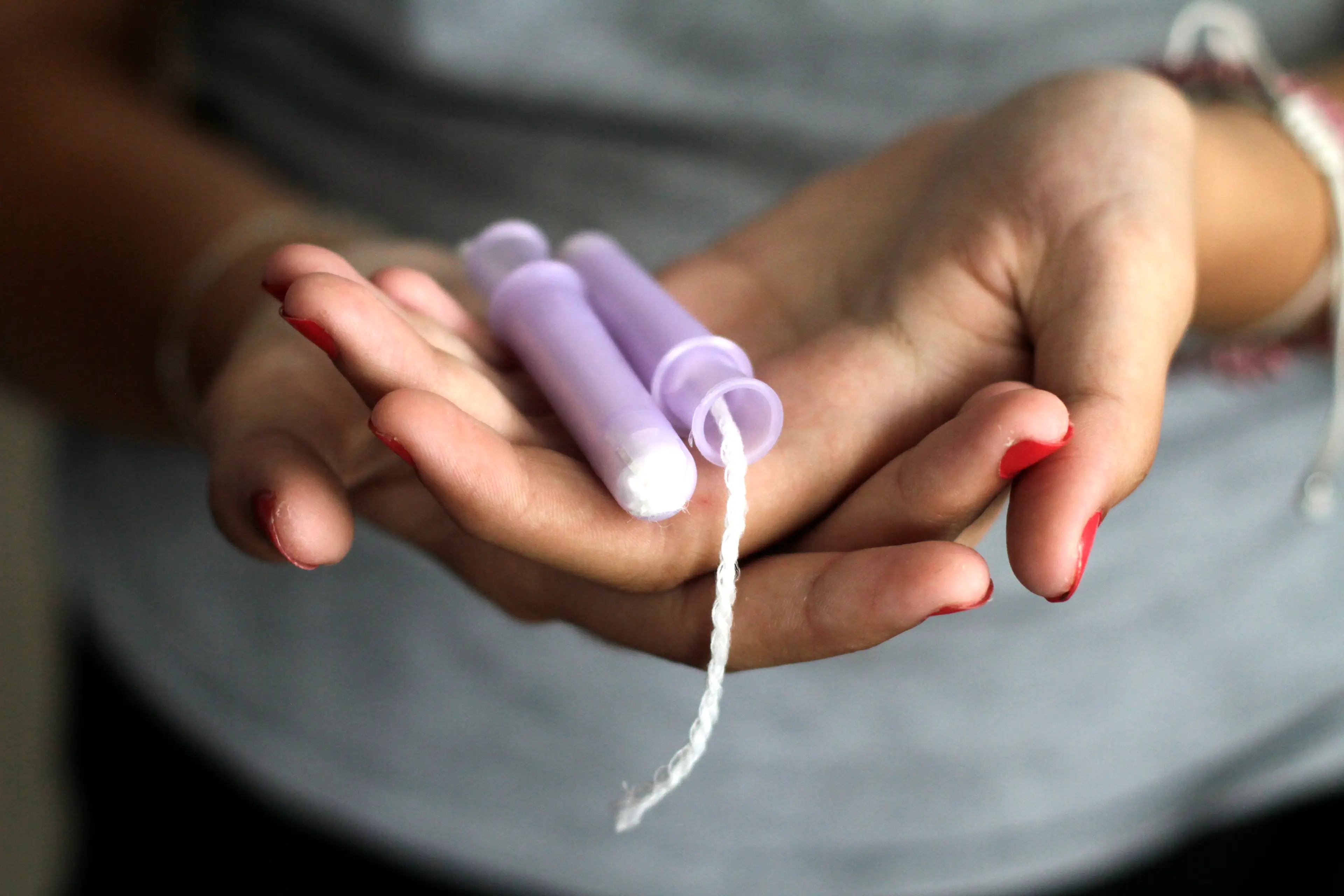
But a warning has since been issued for anyone who was on their period last week, as it means you'll most likely be ovulating on the night in question.
Advert

In case you need your biology knowledge refreshed, here's how the menstrual cycle works, but just a heads up, not everyone will have the same exact cycle.
An average cycle is 28 days, but 21 to 35 days is common in adults.
Week 1: Menstrual phase (days one to five)
The first day of your cycle starts with bleeding, which begins as the uterine lining sheds because pregnancy did not occur.
Oestrogen and progesterone are low at this point, with cramps, fatigue and low energy being common.
Week 2: Follicular phase (days one to 13)
This phase overlaps with the period at the start of the cycle.
The brain releases follicle-stimulating hormone (FSH) to stimulate follicle growth in the ovaries, each of which holds an egg.
Oestrogen rises and rebuilds the lining.
Energy and focus often improve toward the end of this phase.
Week 3: Ovulation (around day 14)
A luteinising hormone (LH) surge triggers egg release from the ovary.
The egg then travels down the fallopian tube, with the fertile window typically being about five days before and one day after ovulation.
Some feel mild pelvic pain or notice clearer cervical mucus.
Week 4: Luteal phase (days 15 to 28)
During the luteal phase, progesterone rises to support a possible pregnancy. The lining thickens. If no fertilisation, hormones fall and the cycle resets.
The uterine lining thickens further. If no fertilisation occurs, hormones drop, and PMS symptoms can appear.
Then the cycle resets all over again with the next period.

Many women have since flocked to social media to issue warnings to anyone who has recently had their period, as it may mean they'll be ovulating during Valentine's Day this Saturday and they are at a higher risk of conceiving an unwanted pregnancy if contraception isn't used correctly.
"Warning! If you're on your period right now, you'll be ovulating on Valentine's Day! Be careful," urged one TikTok user, while an Instagram user echoed: "Important PSA. If you are on your period right now, you will be ovulating on Valentine's Day! Be careful!
On the off-chance you don't track your cycle, you can always work out when you'll be ovulating by just entering the date of your last period using the handy Tommy's ovulation calculator here.
Topics: Valentines Day, Advice, Health, Sex and Relationships, Dating, Women's Health, Periods, Explained, Life
 Rhiannon Ingle