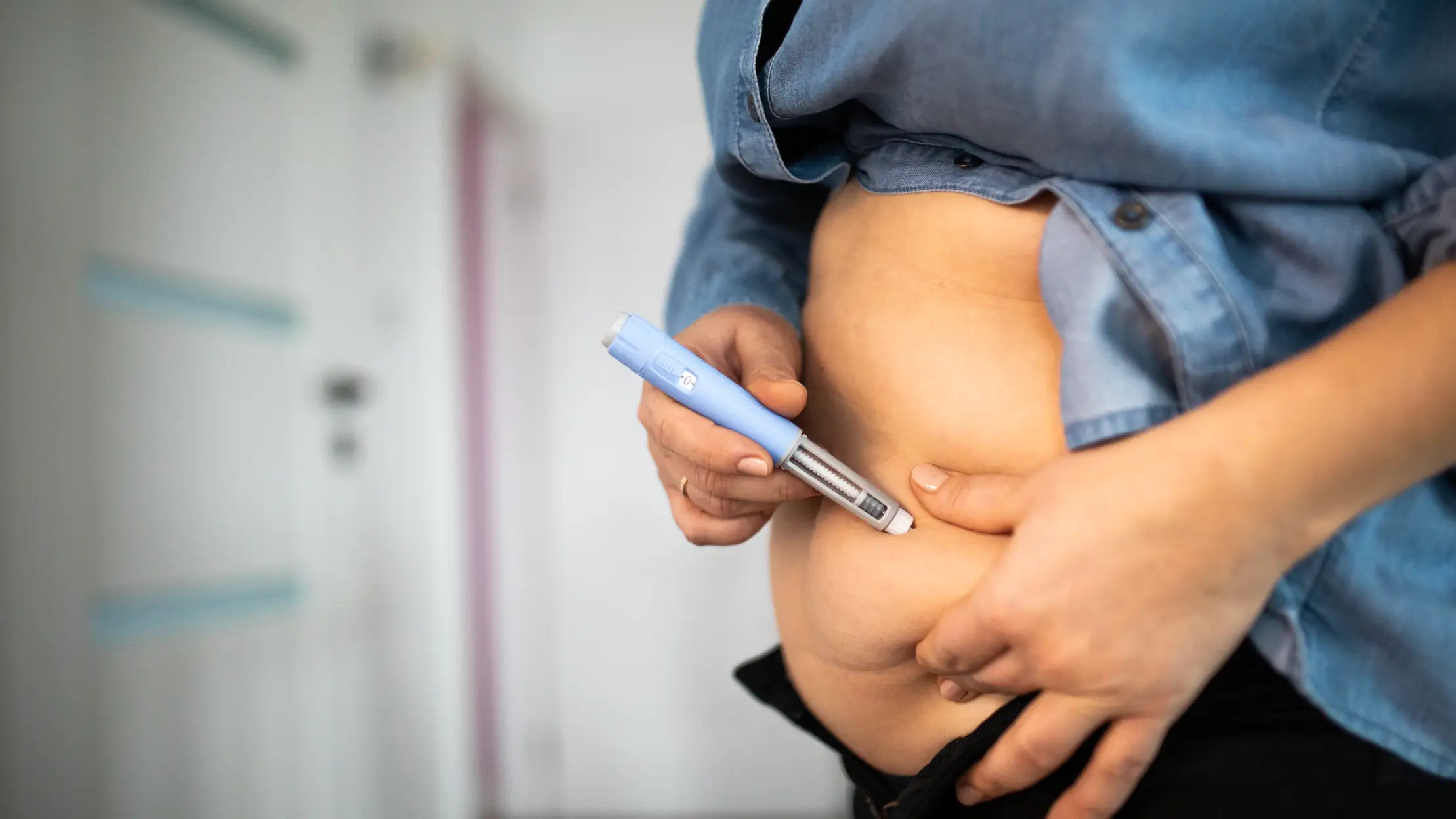
Everything weight loss jabs do to your body as fatal new side effects revealed

It's no secret that weight loss injectables have become a huge part of our society in recent years.
An estimated 1.6 million adults in England, Wales and Scotland used drugs such as Wegovy and Mounjaro to help shed the pounds between early 2024 and early 2025, according to a new study by UCL researchers. While they were initially designed to help manage health conditions like type two diabetes, some medications are now approved for weight loss too due to their appetite-suppressing effects.
Essentially, the drugs work by mimicking a hormone called GLP-1 which makes people feel fuller.
However, the increase of people using the drugs, including Ozempic, which isn't approved for weight loss, has resulted in a number of side effects and scientific studies popping up as people really get to grips with them. The most commonly reported side effects that users can expect to be faced with include nausea, constipation, diarrhoea, stomach discomfort and heartburn.
Advert
But, what else can weight loss drugs do to your body? Here are some things you might have missed.
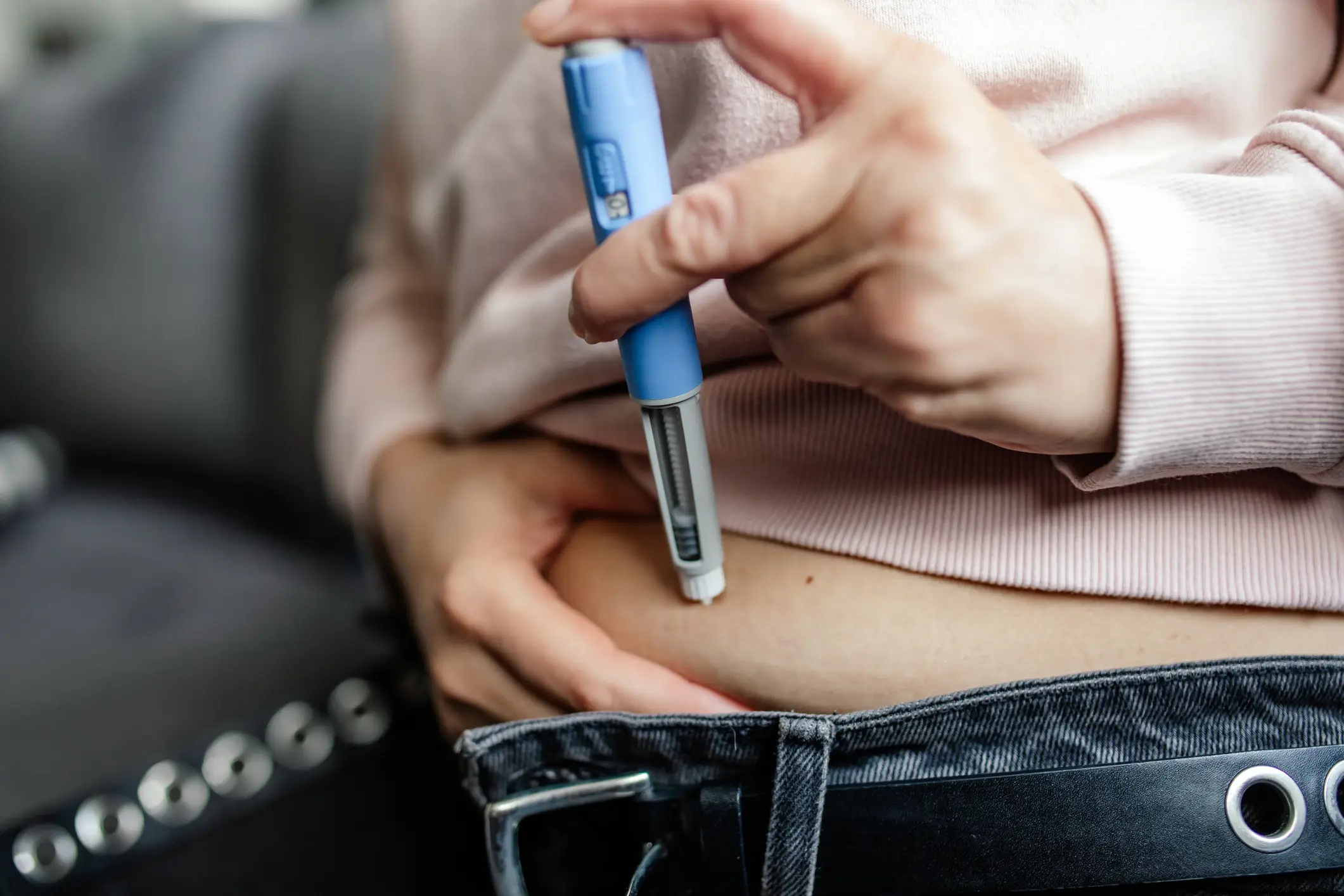
Increased acute pancreatitis risk
New studies have worryingly linked weight loss medications to a deadly new side effect, prompting warnings from health experts.
The Medicines and Healthcare products Regulatory Agency (MHRA) has updated its guidance on GLP-1 receptor agonists to include the small risk of severe acute pancreatitis. The illness is a known but infrequent side effect of these drugs, and can be particularly severe in some cases. It causes the pancreas, the small organ behind the stomach that helps with digestion, to become swollen over a short period of time.
While most patients start to feel better within a week, others can develop complications as sometimes, failure to treat the infection can prove fatal. Between 2007 and October 2025, the MHRA has received 1,296 complaints of pancreatitis linked to GLP-1 drugs, with 19 having resulted in death.
The MHRA has urged patients on these types of medication to speak to a doctor if they have symptoms such as severe, persistent stomach pain along with nausea and vomiting.

Surprising benefits and lowered risks of other conditions
Although it might feel like, not all side effects of GLP-1s are negative ones and some studies have actually highlighted unexpected positive knock-on effects of weight loss drugs.
For example, scientists at National Cheng Kung University Hospital in Taiwan recently discovered that GLP-1 medication could also help promote bone health.
Scientists sifted through results from thousands of GLP-1 users and compared them to non-GLP-1 users with type two diabetes, using data from a global electronic health record database.
Those taking GLP-1s had small but significant reductions in their 10-year chances of vertebral fractures, suggesting that the injectables could help with bone health, mitigate chronic inflammation and insulin resistance, which can, in turn, help prevent weak bones.
Additionally, another study which was presented in September last year detailed how GLP-1s have been found to offer 'dramatic benefits' to heart patients, significantly cutting their risk of becoming seriously ill Researchers conducted trials on patients with a type of heart failure called heart failure with preserved ejection fraction (HFpEF), and treated them with either GLP-1 receptor agonists or a placebo.
A total of 54 worsening heart failure events were reported among 1,914 patients receiving GLP1-receptor antagonist treatment, compared to 86 events among 1,829 patients receiving placebo.
Groundbreakingly, the research revealed that tirzepatide cut the risk of hospitalisation for heart failure or death from any cause by 58 percent, while those taking semaglutide were 42 percent less likely.
 Another study found that weight loss drugs could slash the risk of patients with a type of heart failure ending up in hospital (Getty Stock Image)
Hair loss
Another side effect that's been raising questions is hair loss, with some weight loss drug users reporting their hair thinning or falling out.
As per ASDA Online Doctor, hair loss is listed as a common side effect of Mounjaro when it is used for weight management, affecting up to 10 percent of people. While others taking Ozempic and Wegovy have reported similar experiences. It's technically not caused directly by the medication itself but instead is simply a side effect of shedding weight rapidly.
Losing weight quickly can trigger telogen effluvium - rapid but temporary hair loss caused by stress or a change to your body. The sudden change causes your hair follicles to enter their resting and shedding phase of the hair growth cycle, leading to hair loss - thankfully though, in most cases it's temporary and reversible and should go back to normal once your weight stabilises.

Interference with medical scans
Speaking of scientific studies, another surprising one claimed that weight loss jobs could be causing unprecedented problems for doctors.
A study by researchers from Alliance Medical Ltd outlined that GLP-1 drugs are said to be interfering with medical imaging scans, making it more difficult for doctors to identify deadly illnesses, particularly PET-CT scans. To break it down, these scans use a mildly radioactive liquid called a radioactive tracer or FDG which shows up areas of your body where cells are more active than normal and can be used to critically identify cancer.
However, according to the research, doctors have noticed unusual patterns of FDG in patients taking GLP-1 jabs, which can actually mask signs of cancer or make healthy tissue look diseased.
Dr. Peter Strouhal, a medical director at Alliance Medical Ltd in the UK and lead author of the new study, said in a statement: "We found that these altered patterns are increasingly common, yet there is currently no national or international guidance in the UK addressing this emerging issue.
"Recognising the characteristic uptake associated with GLP-1 agonists helps avoid unnecessary anxiety and interventions, ensuring patients receive the right care, at the right time, without detours or doubt."

Ozempic 'vulva', 'teeth', and 'face'
You'll have no doubt seen buzzwords like Ozempic 'teeth,' 'face' and 'vulva' popping up online too. These are simply names people are using to identify some of the more rare and bizarre body changes GLP-1 users have picked up on.
'Ozempic vulva' for example, refers to the visible sagging of the vulvar skin due to the rapidity of weight loss, while 'Ozempic face' is the same concept but regarding the skin on your face.
Meanwhile, 'Ozempic teeth' is a non-medical term for how semaglutide - the active ingredient in various weight-loss medications - can actually affect users’ salivary glands.
Adam Taylor, an anatomy professor at Lancaster University, told The Conversation that weight loss jabs can reduce saliva flow, making people feel less thirsty and thus reach for their water bottle a lot less.
“That combination can cause dry mouth, which increases the risk of cavities and gum disease,” he warned.

Other cultural changes
Finally, changes are also happening away from the body, in the wider cultural sphere of the world.
As per The Independent, the surge in weight loss drugs has prompted some users cutting back on alcohol and other beverages such as coffee and fizzy drinks.
The publication also reports that food companies are trying to keep up with the change in consumers appetites by attempting appeal to weight-loss drug users, with more products in American grocery stores being labeled as 'GLP-1 friendly'.
And that's not all - airlines also think weight loss drugs could save top US airlines up to $580 million over the next year because planes carrying slimmer passengers, which reduces their fuel costs, according to a report by Wall Street firm Jefferies.
Novo Nordisk said in a comment to Tyla: "Patient safety is of the utmost importance to Novo Nordisk. We continuously collect safety data on our marketed GLP-1 RA medicines and work closely with the authorities to ensure patient safety. As part of this work we continue to monitor reports of adverse drug reactions through routine pharmacovigilance.
"GLP-1 receptor agonists (GLP-1 RAs) have been used to treat type 2 diabetes (T2D) for more than 15 years including Novo Nordisk GLP-1 RA products such as semaglutide and liraglutide that have been on the market for more than 10 years.
"We recommend patients take these medications for their approved indications and under the supervision of a healthcare professional. Treatment decisions should be made together with a healthcare provider who can evaluate the appropriateness of using a GLP-1 based on assessment of a patient’s individual medical profile.
"We recommend that any patient experiencing side effects while taking GLP receptor agonists including Wegovy®, Ozempic® or Rybelsus® report them to their healthcare provider and via the MHRA Yellow Card scheme: https://yellowcard.mhra.gov.uk/."
While Eli Lilly added: "Patient safety is Lilly’s top priority. We take reports regarding patient safety seriously and actively monitor, evaluate, and report safety information for all our medicines.
"The Mounjaro (tirzepatide) Patient Information Leaflet warns that inflamed pancreas (acute pancreatitis) is an uncommon side effect (which may affect up to 1 in 100 people) and advises patients to talk to their doctor or other healthcare professional before using Mounjaro if they have ever had pancreatitis. We continue to work with the MHRA to ensure that appropriate safety information is available to prescribers.
"We encourage patients to consult their doctor or other healthcare professional regarding any side effects they may be experiencing and to ensure that they are getting genuine Lilly medicine."
Topics: Ozempic, Mounjaro, Health, News, Life, Real Life, Science
 Madison Burgess