Your phone predicted what you were going to do three days before you did

Just when you thought modern life couldn't get any more 'Black Mirror', it's now been revealed that your phone actually predicted what you were going to do three days before you did it.
Yep, as if technology couldn't get even more unsettling - what with all the recent AI developments and such - we've now got even more to worry about when it comes to our beloved handheld devices, as the issue goes so much deeper than just a hefty screentime.
Money psychology expert Hanna Horvath explained in her recent 'Your Brain on Money' newsletter that your phone creepily knows what you'll buy before you do.
In a corresponding social media post, the expert warned: "You may think you just happened to see the perfect thing at the perfect time.
Advert
"But your phone predicted your behaviour based on thousands of micro-signals you didn't know you were sending. And they designed the path to purchase before you even knew you were on it."
How does it work?
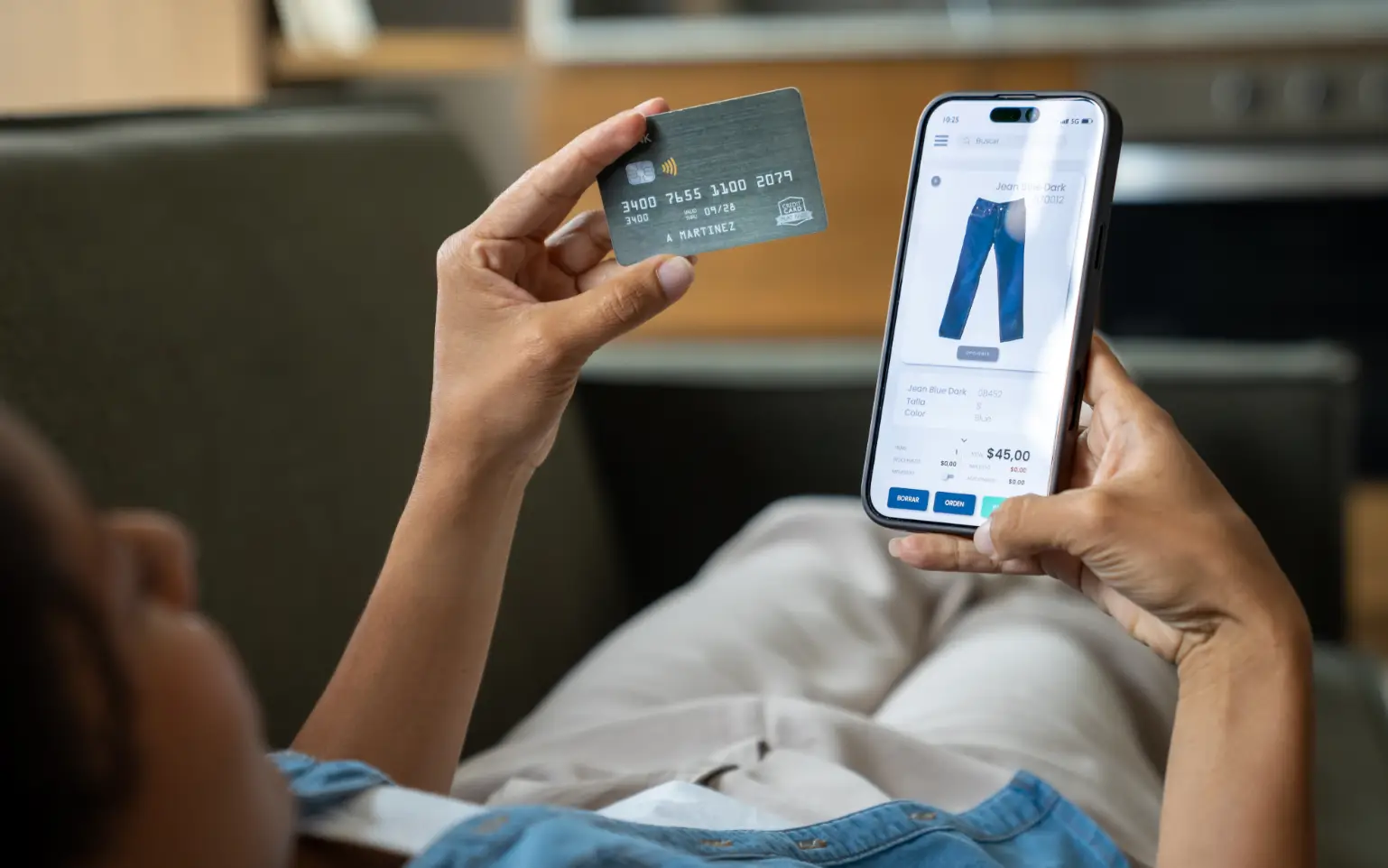
According to Hanna, the data your phone is using includes: your location patterns, how long you pause on certain images, what time of day you scroll and your search history - obviously.
Interestingly, your phone also reportedly looks at purchases that even your friends have made,
Hanna also says what you 'like' versus what you save, how fast you tap through stories, which products you zoom in on and the exact second you stop scrolling all play a part in the data collection too.
Manufactured spontaneity explained
In an explainer subtitled 'The psychology: manufactured spontaneity', Hanna notes that the ad for a specific product appears 'exactly when you're most vulnerable to it'.
This could be late at night 'when your self-control is lowest' or right after you saw someone else's holiday snaps online.
In short, the money expert says they crop up 'the moment you're feeling inadequate or bored or stressed'.
"It feels spontaneous," Hanna warns, "like you just happened to discover this thing. But the timing, placement, and framing were all engineered. They manufactured the conditions for your 'spontaneous' desire.
"You're not making a discovery. You're completing a predicted behaviour loop."
Key patterns
Hanna then outlined five key 'dark patterns' that she says are specifically 'designed to exploit you'.
Up first on the list is something known as 'artificial scarcity'. That may just sound like financial jargon at first, but you've most likely fallen victim to the 'Only three left!' sales line before.
Next are urgency timers - AKA countdown clocks that apply false pressure, along with, third on the list, social proof, which may manifest in something like '847 people bought this today'.
Fourth is something known as anchoring, which sees a product's inflated 'original price' to make any subsequent discount seem bigger than it actually is. We're looking at you, Black Friday.
Up fifth is friction removal, which is basically just taking the faff away of online purchasing with one-click buys done by using saved payment info.
An infinite scroll, which is designed to keep you in the 'dopamine loop', is Hanna's sixth and final 'dark pattern'.
She writes: "Every element is psychologically optimised. Not for your benefit. For conversion."
Why does it feel so personal?
It feels so personal because, frankly put, it is.
"The algorithm knows your emotional patterns. It knows when you're likely to be sad, stressed, bored, or insecure - and what you typically buy in those states," Hanna continues. "It doesn't just predict product preferences. It predicts emotional states and serves you the products that usually work on you when you're feeling that way.
"That's why the ad for luxury skincare appears right after you've been comparing yourself to influencers. That's why the 'treat yourself' message appears after a hard work week. They're not reading your mind - they're reading your behavioural patterns."
Freaky.
How to 'recognise' the signs
It's not all doom and gloom, however, as the money psychology expert has mapped out several ways you can 'recognise the manipulation'. These include:
1. Notice the timing: When are you most likely to impulse buy? That's when you'll see the most targeted ads.
2. Question the urgency: Scarcity and time pressure are almost always manufactured.
3. Check your emotional state: Are you buying to solve a feeling or to meet an actual need?
4. Delay the decision: If you still want it in 48 hours without being re-targeted, maybe it's real.
5. Turn off personalisation: You can limit ad targeting in your settings (they don't make it easy, but you can).
You can check out Hanna's other financial explainers on her official 'Your Brain on Money' Substack here.
Topics: iPhone, Technology, Explained, Life, Social Media, Shopping
 Rhiannon Ingle