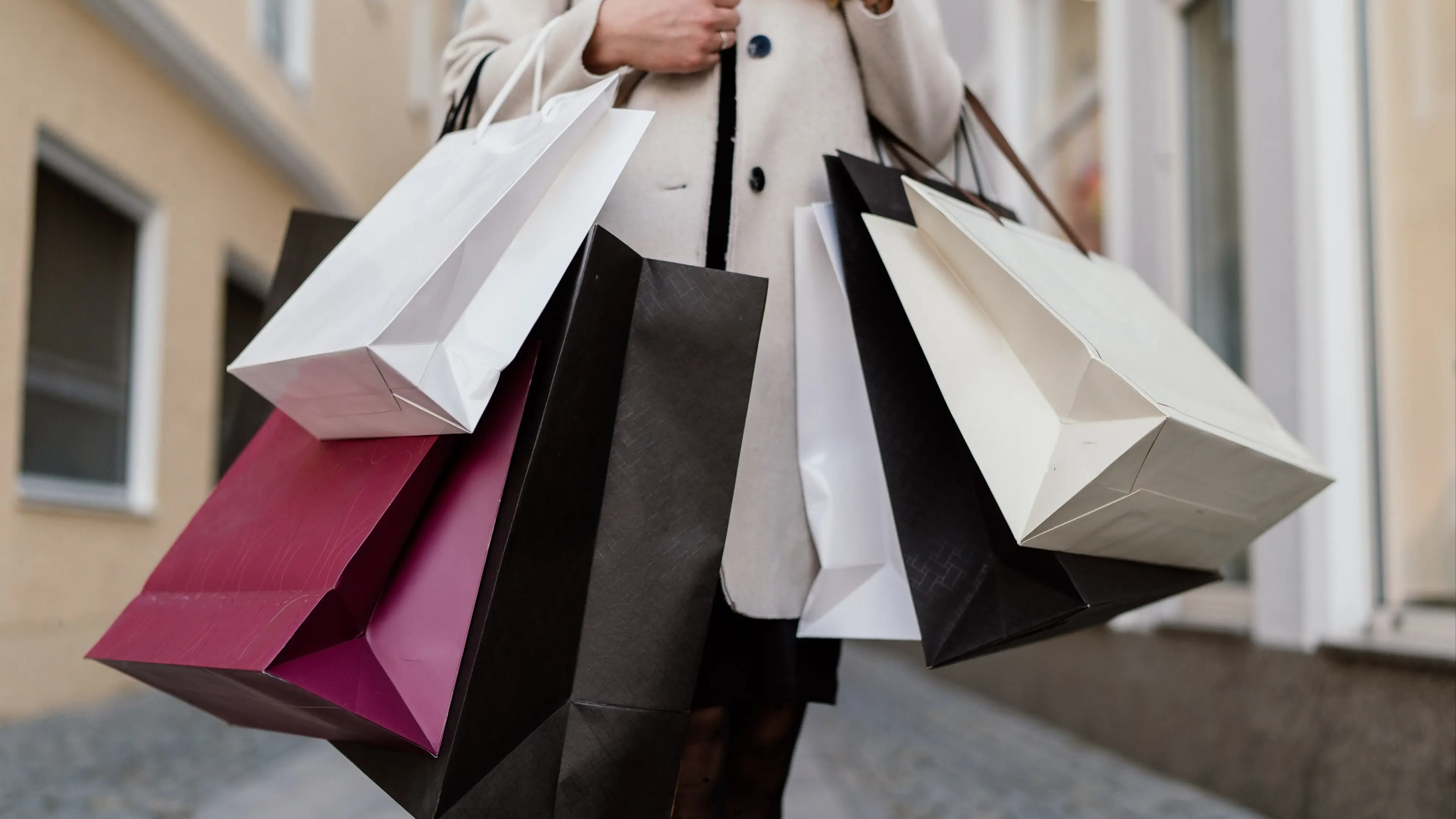
Warning issued over ‘misleading’ Black Friday deals as you may not be saving any money at all

It's officially Black Friday today (28 November), and it's clear a whole bunch of us will no doubt be scrambling about in stores and online to nab ourselves a bargain deal, treat ourselves to a discounted little something and get a head-start on our Christmas shopping.
However, you may want to err on the side of caution when it comes to the temptation of Black Friday deals, as a warning has now been issued over the 'misleading' nature of the major shopping event, as you may not be saving any money at all.
Consumer group Which? have found that 8 in 10 Black Friday deals were actually cheaper or the same price at other times of the year - so that 'biggest sale of the year' tagline may not actually be all that accurate.
Advert
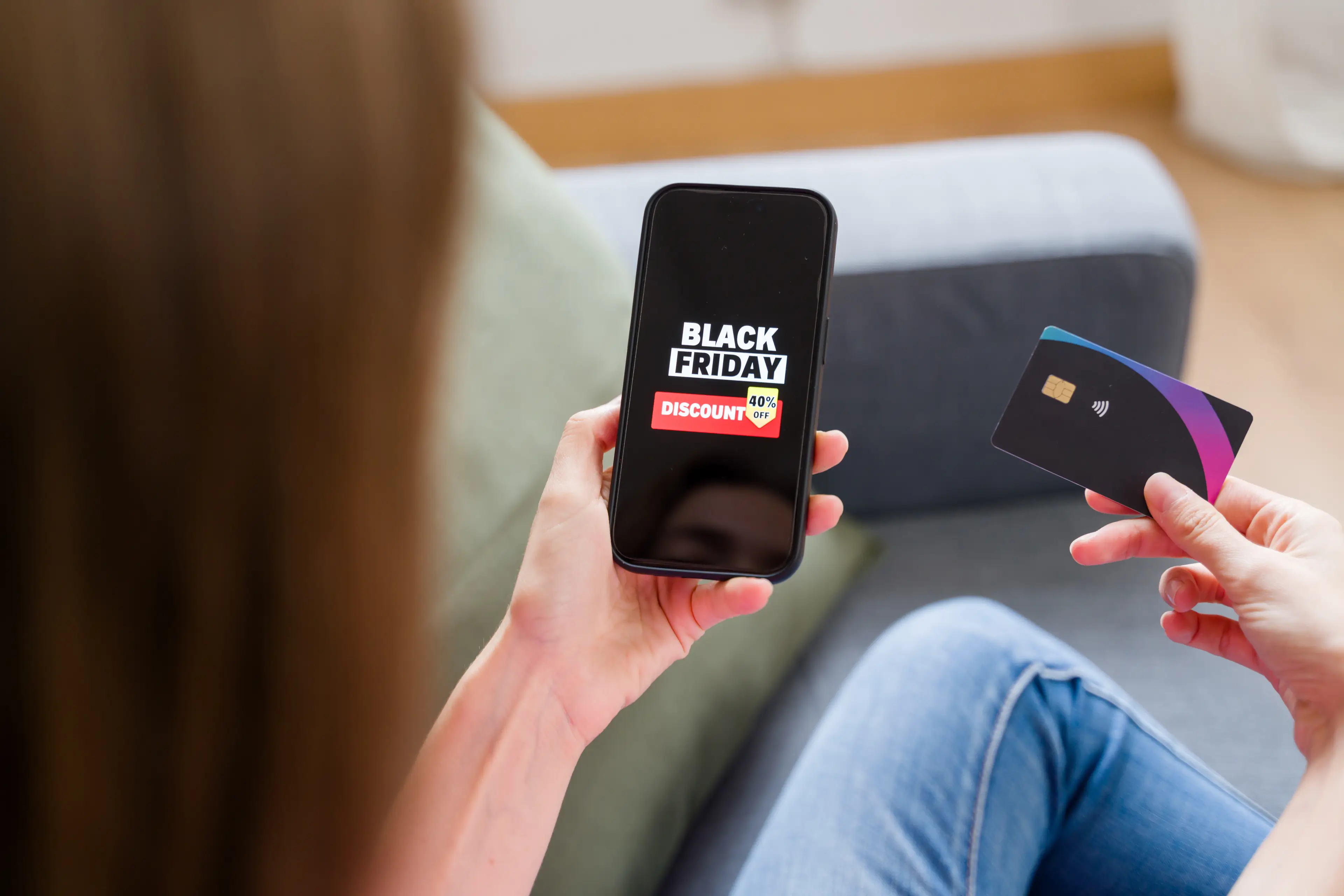
Before you add to cart and hit buy, it's probably a wise idea to check that what you're getting is a real discount, as a number of retailers tend to create the illusion of a fast flash by raising prices in the weeks before Black Friday, only to drop them again during the 'sale'.
You can check out websites like PriceRunner or CamelCamelCamel to take a gander at previous prices so you can work out whether a discount is genuine.
While such tactics aren't necessarily illegal, they do very easily mislead consumers into thinking they're getting a much bigger discount than they really are.
Additionally, none of the 175 products tracked by Which? were at their lowest price of the year on the day of Black Friday itself, with retail analyst Catherine Shuttleworth saying per the BBC: "There is a huge risk in [holding out], because the products you want to buy may not be available anymore."
She added that higher costs this year mean retailers are less likely to have surplus stock.
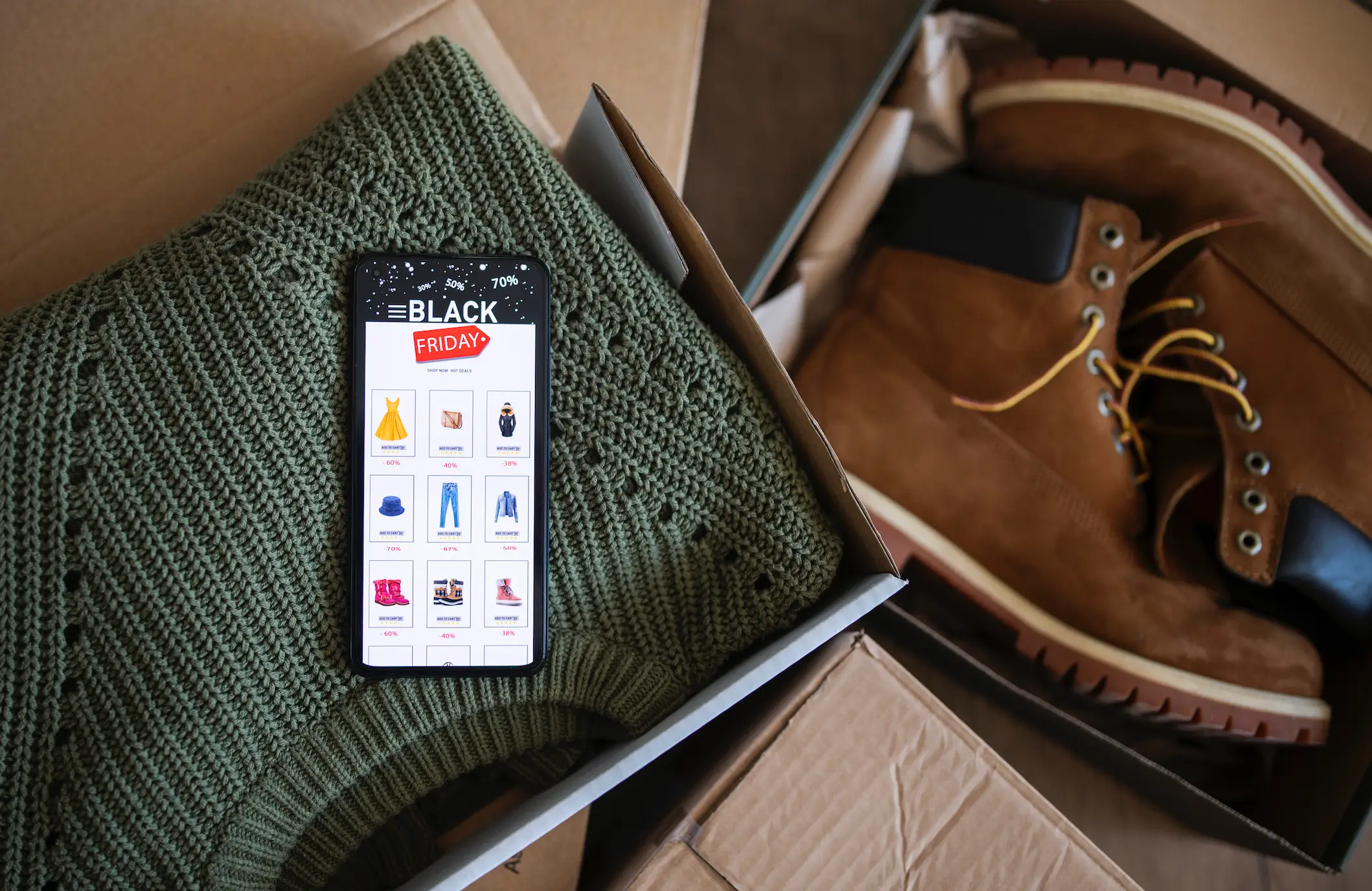
So, if you do finally happen upon the product you're after and it's set a price you're cool with, Shuttleworth recommends buying it - and keeping your receipt, as many retailers will refund the difference if prices fall again.
This means that, if you do find the item in question cheaper within the returns period, you could always take it back and buy it again at the lower price.
And it's not just high-value tech items and wishlist jobbies you want to be thinking about during Black Friday, as some of the biggest markdowns are on everyday items like fancy quilted toilet roll and dishwasher tablets, Kat Cereda from Which? told the BBC.
A good starting point is working out what sort of everyday items you actually need.
"The tech is there to help retailers offer more real-time rewards and target their best shoppers," says retail analyst Natalie Berg, host of the Retail Disrupted podcast.

And be sure not to get sucked into the tried and tested pressure tactics of 'selling fast' or 'limited quantities left' as these can result in impulse buying - something we'd all probably rather avoid in a cost-of-living crisis!
Another top tip is if you're going to fork out more than £100, then use a credit card if you have one.
"You have legal protection that means you can claim for a refund if the company goes bust, your item doesn't arrive, or if there are certain other problems, such as an item being faulty or not as described," says Hayley Fletcher from the Competition and Markets Authority.
And, lastly, beware of scammers during the chaos of Black Friday.
"If something seems too good to be true or doesn't feel right, it might be a scam. Don't rush your purchase. Research the company you're buying from and be wary of suspicious web links," says Jane Parsons, consumer expert at Citizens Advice.
"You can find flash sales not available on a retailer's site," says Berg. "But it's important to check the accounts you are buying from are verified."
Happy shopping, folks!
Topics: Black Friday, Life, Shopping, News, Advice, Explained, Money
 Rhiannon Ingle