
‘Meshing’ explained as Gen Z begin taking their names into their own hands

It feels like there's a new buzzword to add to our social media dictionaries every other week - especially when it comes to the relationship front!
We've only just wrapped our heads around 'phubbing', the 'Shrekking' dating trend and the bizarre 'vabbing' phenomenon - but there's now something we need to clue ourselves up on, 'meshing'.
The act of 'meshing' seems to be particularly popular amongst the Gen Z cohort, given that more people are choosing to hop on the trend now more than ever - but what does it actually mean?
Well, in short, 'meshing' is all to do with what newlyweds decide to call themselves after saying 'I do'.
Advert
And no, it's not just opting for a double-barrelled surname.
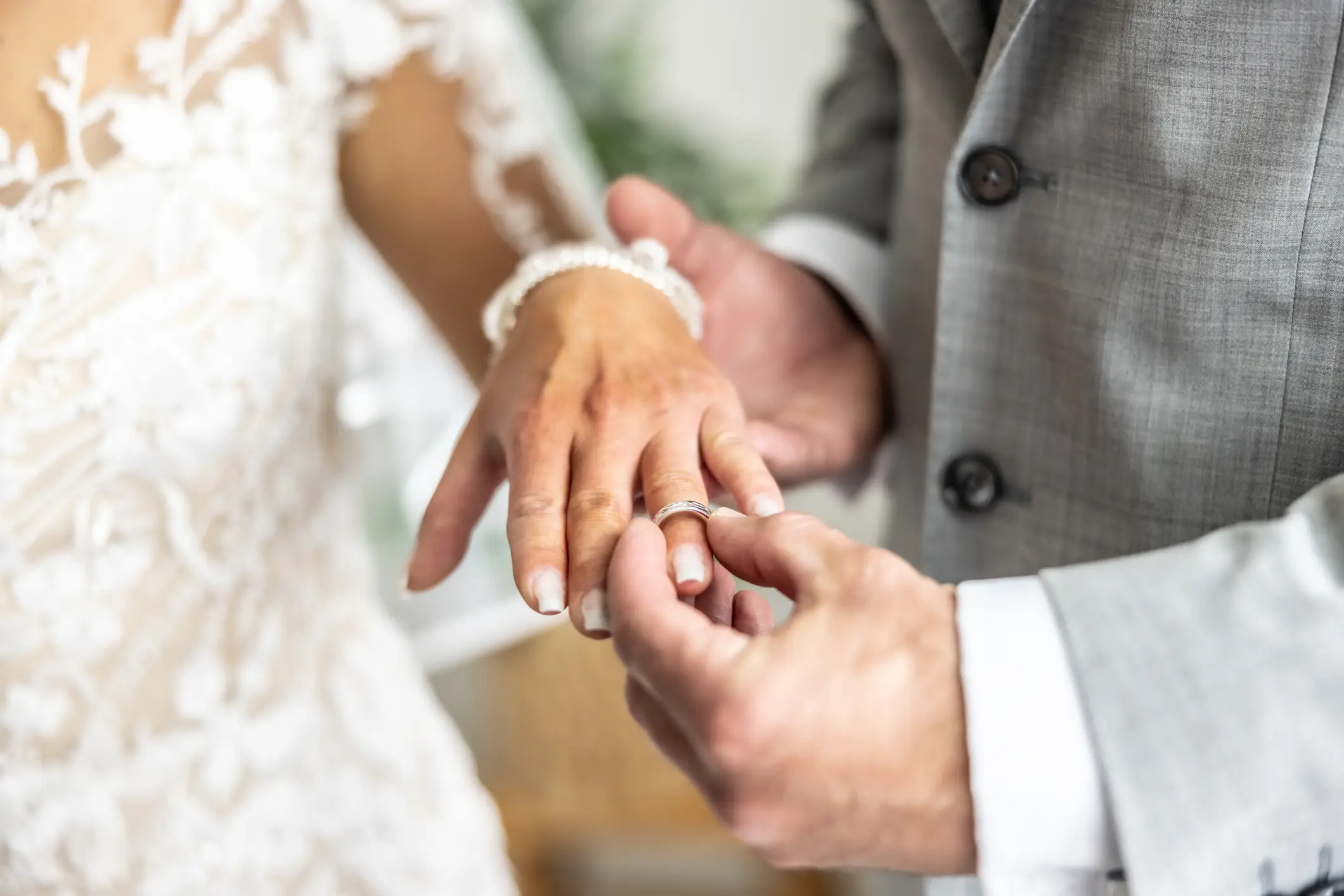
Now, a double-barrelled surname simply means you are adding your partner's last name to your name and vice versa, often using a hyphen to connect the two.
Celebrity examples include Hollywood A-listers like Helena Bonham-Carter, Catherine Zeta-Jones, and Aaron Taylor-Johnson, and musicians like Beyoncé Knowles-Carter and Phoebe Waller-Bridge.
Meshing, however, is another naming option altogether as it involves splicing two names to form one new one.
Despite meshing becoming more common now, simply because we're slowly moving further and further away from the traditional notion of the wife giving up her last name in favour of her husband's, it's been a thing for quite some time now.
Deed Poll, a British service that issues the legal document required for name changes, found that 800 British couples meshed their surnames in 2012.
Deed Poll's Claudia Duncan previously told The Telegraph that some Brits prefer their made-up monikers to double-barrelling a surname, while others do it to avoid any tiffs over which name will come first in the hyphenated scenario.
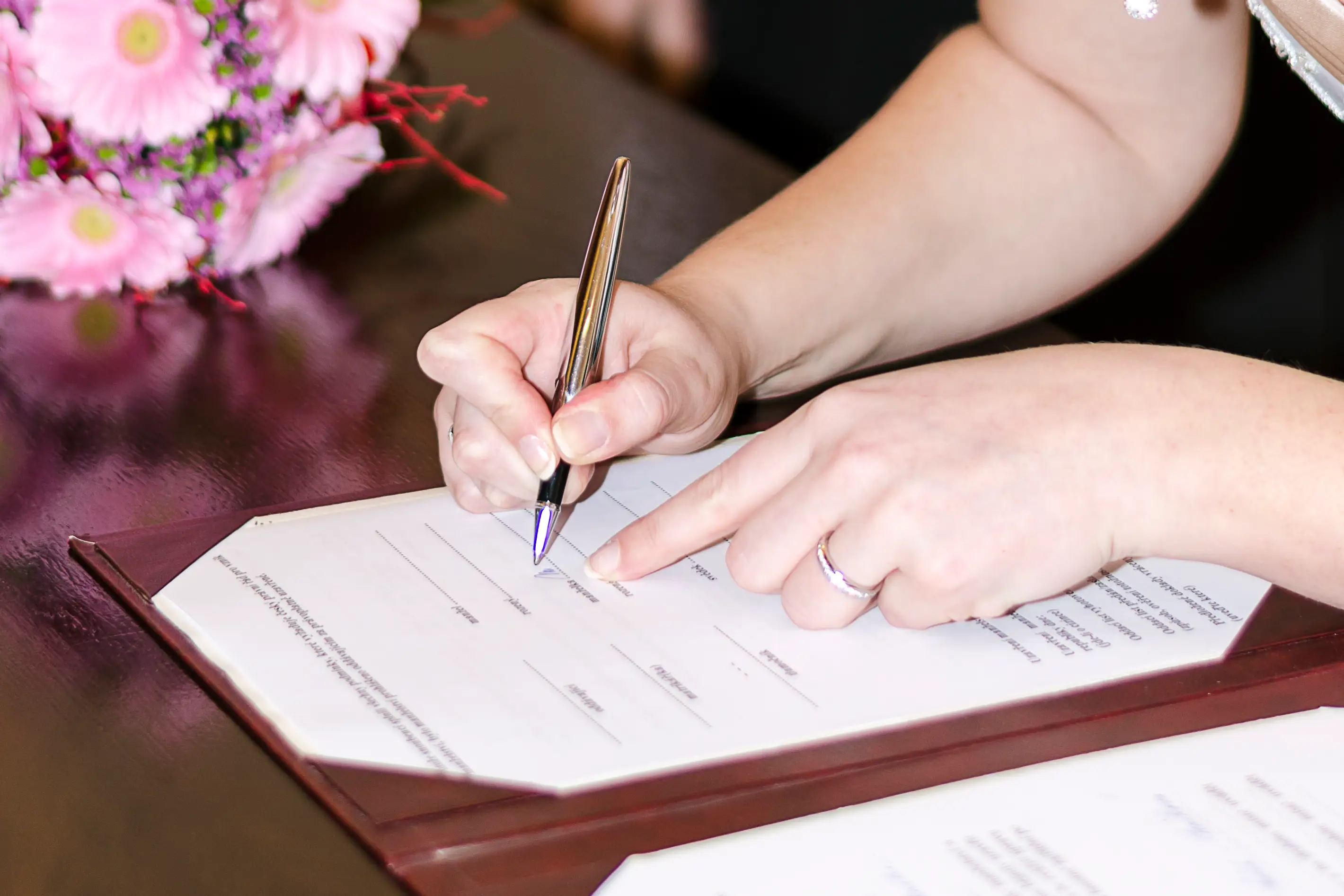
"Meshing has allowed couples the freedom of reinvention – meshing their names as a symbolic reflection of their union with a completely new start without any history being tied to their surname," Duncan explained.
An example of meshing may be a Mr Pugh and a Miss Griffin becoming Mr and Mrs Puffin.
People clearly have quite divisive views on the matter, with one social media user writing: "Starting to think meshing surnames into a whole new name may be the biggest commitment of them all."
"'Meshing' surnames is a new one for me..." penned a second, while a third praised: "I actually really like the idea of meshing surnames! Makes much more sense than only the woman having to change her name."
What do you make of it?
Topics: Gen Z, Sex and Relationships, Dating, Life, Explained, Social Media
 Rhiannon Ingle