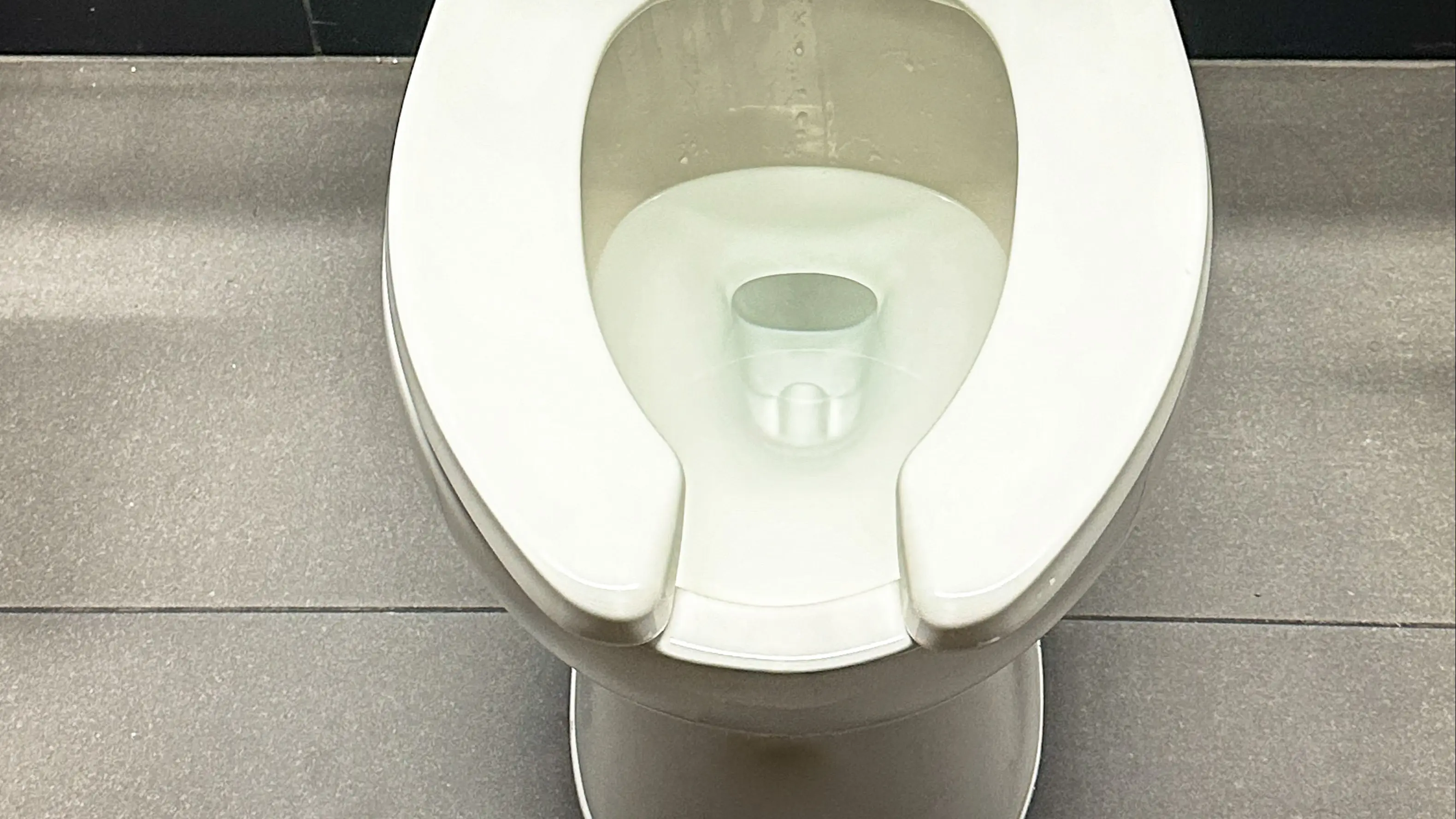
Odd rule that means public toilet seats have to have gaps in them

A little-known rule behind the design of public toilet seats has resurfaced online, leaving people questioning something many have probably noticed but never thought too much about.
Public loos, particularly in the US, often have toilet seats with a gap at the front rather than the full oval shape commonly found in homes. The U-shaped design has sparked plenty of theories over the years, with some assuming it is simply cheaper to manufacture, while others have linked it to hygiene or cleaning.
It turns out the reason behind the unusual shape is not just a random bathroom quirk.
The design can be traced back to the 1955 American Standard National Plumbing Code, which set out requirements for public-use toilet seats, as previously pointed out by the New York Post.
Advert
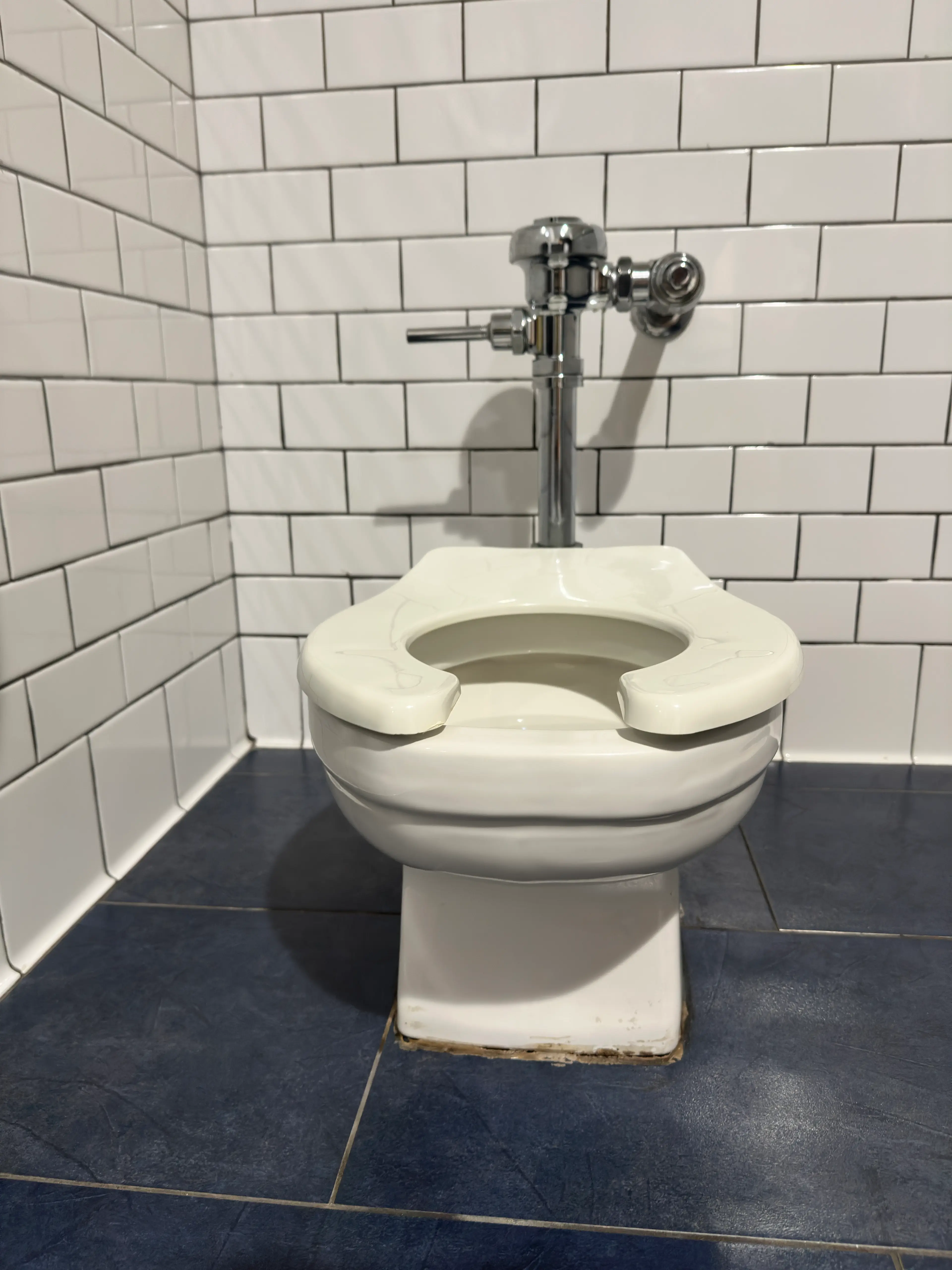
The code stated: “Water closets shall be equipped with seats of smooth non-absorbent material. All seats of water closets provided for public use shall be of the open-front type.”
In other words, toilet seats provided for public use were expected to have the open-front design many people recognise today.
The wording has gained fresh attention after claims about the rule circulated on social media, prompting people to debate why the gap is actually there.
However, the 1955 document was a standard plumbing code, rather than a single federal law automatically applying to every public toilet across the US.
It still helps explain how the design became so widely associated with public bathrooms, with similar requirements appearing in modern plumbing codes used by various authorities.
The possible reasons behind the rule have also become a talking point, with hygiene being one of the main explanations shared online.
Aakash Gupta, a specialist in product management, shared in a post on X (formerly Twitter): “A closed oval seat creates a continuous surface where skin presses against plastic that thousands of strangers have already sat on. Removing the front section eliminates that contact zone entirely. Fewer shared square inches, fewer bacterial transfer points between users.”
Another explanation is that the opening makes it easier for women to wipe without coming into contact with the seat, as Gupta further explained: “The gap is sized for a hand to pass through cleanly.”
There is also the issue of urine ending up on the front section of a seat, with the open design removing an area that could otherwise become unpleasant for the next person using it.
Gupta added: “The open front also eliminates the surface where urine pools at the front of the seat, so the next user sits on dry plastic instead of someone else’s miss.”
The explanation prompted mixed reactions from social media users, with some intrigued by the reveal, but unconvinced by the hygiene argument.
One person wrote: “You don’t sit on the opening anyway but the rest of the seat so I don’t get this point.”
Another said: “Damn…. That is some incredible esoteric knowledge!”
An interesting addition was: “In Italy right now, I really miss American toilets.”
A fourth added: “It seems to be a solution to a non-existent problem. At least, I don’t think there’s a toilet seat infection epidemic in Europe….”
Topics: Social Media, Life Hacks, US News
 Ben Williams