
Lung cancer cases surge among Gen Z women - and experts think they know why

New research has uncovered an unnerving rise amongst Gen Z women of a potentially fatal cancer variant.
Across the United States and hordes of other nations, lung cancer is considered the second most common strain of the deadly disease, amongst both males and females. Despite this, the condition has often been associated with men of a certain age - especially those who smoke.
This week, experts from the Centre for Disease Control and Prevention (CDC) have spoken out after observing evidence of a 20 per cent rise in lung cancer cases, especially amongst individuals born between 1997 and 2012.
More specifically, this statistic is said to apply to women, a huge proportion of whom identify as non-smokers.
Advert
Providing further detail on the finding, Ohio State University Comprehensive Cancer Centre thoracic surgeon Dr Iona Baiu told USA Today: "Overall, the number of lung cancer incidences is slowly decreasing, but it’s not decreasing nearly as fast in women as men.

"We’re seeing a shift in trends now and seeing patients who are younger and patients who are never smokers, who we never used to see.”
According to the news outlet, scientists believe environmental factors may be the cause for this unnerving increase, including air pollution, genetic mutations, and radon exposure.
According to the US Environmental Protection Agency (EPA), radon is an odourless, radioactive gas that forms when certain metals, such as uranium, thorium, and radium, break down in soil and rock and seep into homes.
USA Today reported on one recent case of this, which saw otherwise healthy mother-of-two Christy Houvouras, who was recently diagnosed with lung cancer despite having smoked less than 20 cigarettes all her life.
The EPA discovered that Houvouras, 36, had been exposed to radon as a child, after it unknowingly made its way into her South Carolina home.
She told the publication: "The crazy thing about lung cancer is that you can be exposed at a young age and then you won’t have a developing tumour until decades later."
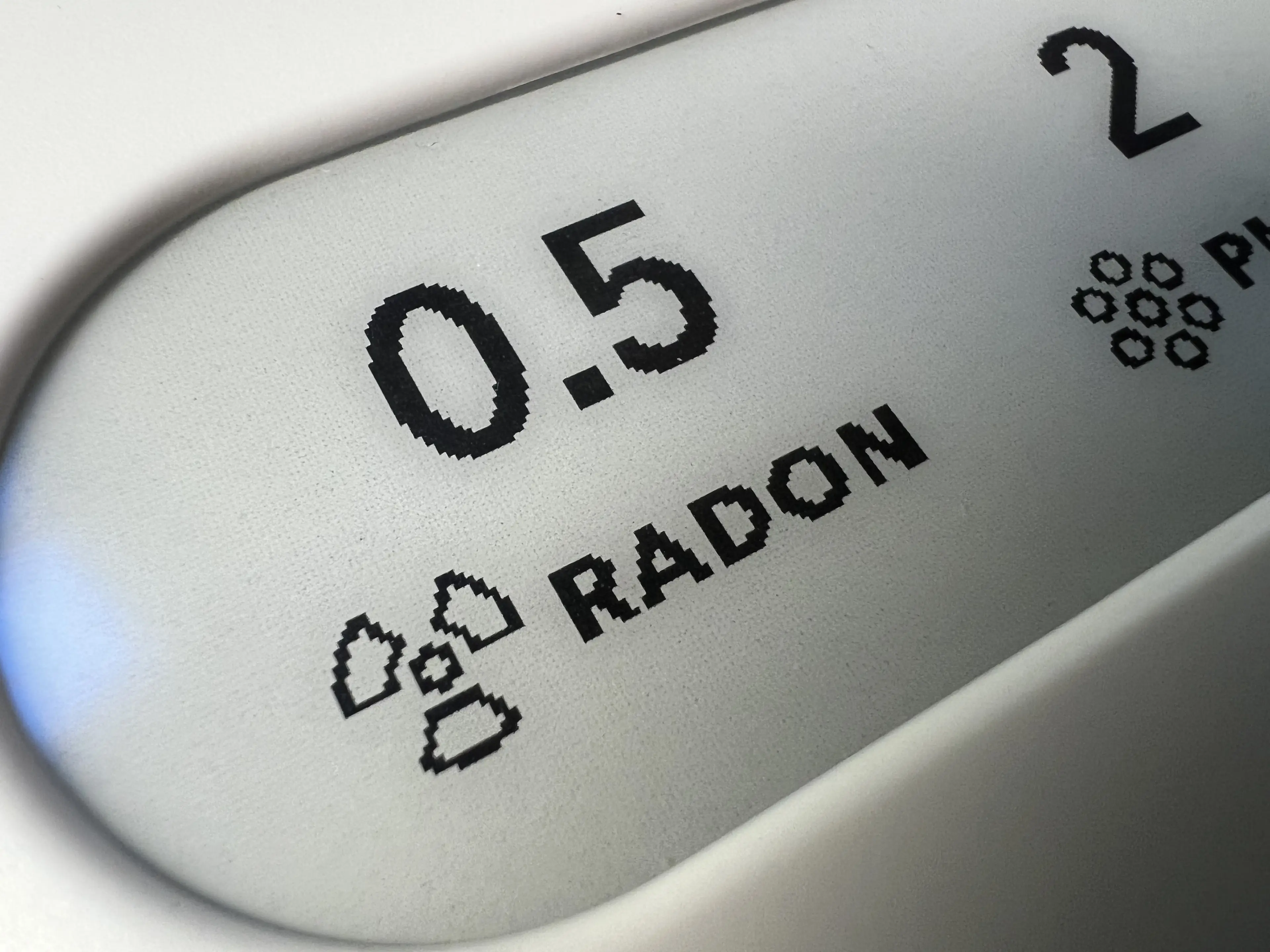
Despite Houvouras being told that her cancer was stage 1 and undergoing surgery to have the tumour removed, the latest research suggests that the most up-to-date guidance on screenings for lung cancer has, in fact, expired.
Awareness campaigns for this specific strain are primarily aimed at men who smoke, with doctors ceaselessly emphasising the importance of early detection of this particular variant.
Cecilia Pompili, a thoracic surgeon, told The Guardian that women were often left out of clinical trials for lung cancer, with 65 per cent of participants being men.
"For so long, we didn’t think of lung cancer as a disease of young women and often haven’t even included them in clinical research trials," she said.
As such, critics are now speaking out against the risk of such gender and habit-specific campaigns, arguing that they could result in possible delays to non-smokers receiving proper diagnoses and treatment.

With this appeal in mind, now more than ever, doctors are reportedly attempting to raise awareness of the wide range of lung cancer symptoms - including how they can differ between men and women, smokers and non-smokers, and Gen Zs and older individuals.
The American Cancer Society says the most common symptoms of the disease's presence within the body are a persistent cough, chest pain, unexplained weight loss, shortness of breath, and newly developed wheezing.
The NHS adds that frequent chest infections could also be a sign of lung cancer, along with common symptoms like coughing up blood, aches and pains, and persistent tiredness.
On top of this, some of the more obscure symptoms of the condition include changes in the appearance of your fingers (such as them becoming curved or the ends swelling), difficulty swallowing, a hoarse voice, or swelling on your face/neck.
Topics: Cancer, Health, US News, World News, Gen Z, Real Life, Life, NHS
 Rhianna Benson