tyla homepage
  • News
  • Life
  • TV & Film
  • Beauty
  • Style
  • Home
  • News
    • Celebrity
    • Entertainment
    • Politics
    • Royal Family
  • Life
    • Animals
    • Food & Drink
    • Women's Health
    • Mental Health
    • Sex & Relationships
    • Travel
    • Real Life
  • TV & Film
    • True Crime
    • Documentaries
    • Netflix
    • BBC
    • ITV
    • Tyla Recommends
  • Beauty
    • Hair
    • Make-up
    • Skincare
  • Style
    • Home
    • Fashion
    • Shopping
  • Advertise
  • Terms
  • Privacy & Cookies
  • LADbible Group
  • LADbible
  • UNILAD
  • SPORTbible
  • GAMINGbible
  • UNILAD Tech
  • FOODbible
  • License Our Content
  • About Us & Contact
  • Jobs
  • Latest
  • Archive
  • Topics A-Z
  • Authors
Facebook
Instagram
X
Threads
TikTok
Submit Your Content
Doctors finally reveal why the second day of your period is so brutal

Home> Life

Updated 09:03 18 Apr 2025 GMT+1Published 17:12 17 Apr 2025 GMT+1

Doctors finally reveal why the second day of your period is so brutal

There is actual science behind why the day after you start your period sucks so much

Rhiannon Ingle

Rhiannon Ingle

google discoverFollow us on Google Discover
Featured Image Credit: Getty Stock Images

Topics: Health, Women's Health, Periods, Life, Explained, Advice

Rhiannon Ingle
Rhiannon Ingle

Rhiannon Ingle is a Senior Journalist at Tyla, specialising in TV, film, travel, and culture. A graduate of the University of Manchester with a degree in English Literature, she honed her editorial skills as the Lifestyle Editor of The Mancunian, the UK’s largest student newspaper. With a keen eye for storytelling, Rhiannon brings fresh perspectives to her writing, blending critical insight with an engaging style. Her work captures the intersection of entertainment and real-world experiences.

Advert

Advert

Advert

Periods, periods, periods.

No matter how many years many of us have had them now, it seems we're still given whiplash when they inevitably show up each month (or whatever your particular cycle pattern is) and bring along with them a whole bunch of symptoms.

Whether it's mood swings, painful cramps, skin breakouts, bloating, food cravings, fatigue, problems sleeping, body dysmorphia, a non-existent sex drive or any of the other countless side-effects of bleeding - it's a given fact that periods can really suck sometimes.

But, interestingly, a lot of people who have periods comment on the second day of them being the worst of all.

Advert

And this is far from an old wives' tale as health experts have actually now finally confirmed exactly why day No. 2 can be so brutal.
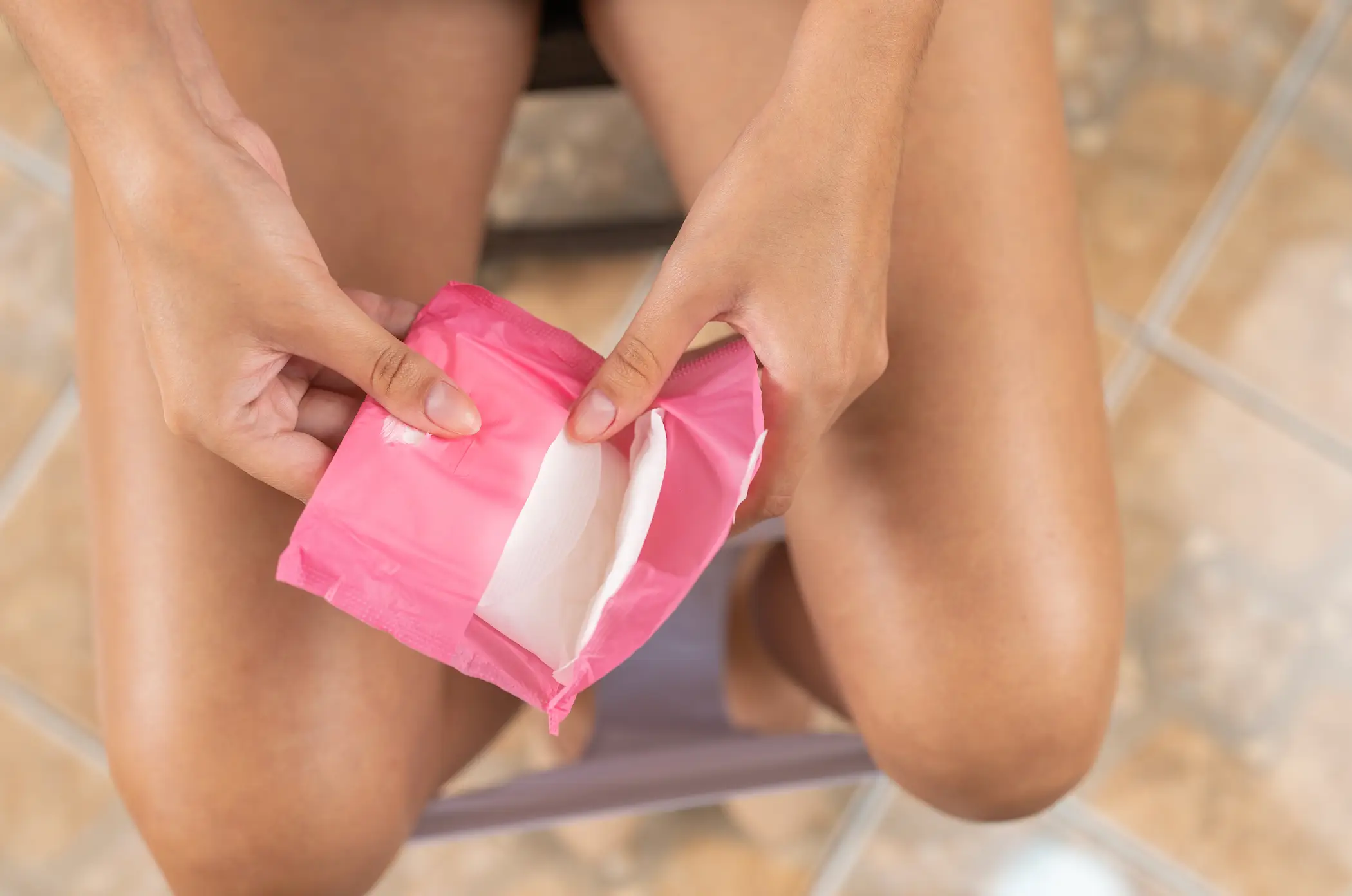
There's a scientific reason why second day period cramps are SO brutal (Getty Stock Images)

Like many things, it's actually all down to hormones.

Well, specifically, prostaglandins which appear when your progesterone levels lower.

They also peak on the second day of your period - hence why the pain seems to peak around that point also.

Speaking to Metro, Dr Fatema Mustansir Dawoodbhoy, academic doctor specialising in obstetrics and gynaecology, who works with the upcoming period care app Joii explained: "As the lining of your uterus breaks down, prostaglandins (hormone-like chemicals) are released in the body."

According to the expert, excess prostaglandins are thought to be the key reason for those horrific cramps you feel on the second day of period as they encourage the uterus to contract, 'helping to shed the old endometrial tissue released from your body as period blood'.
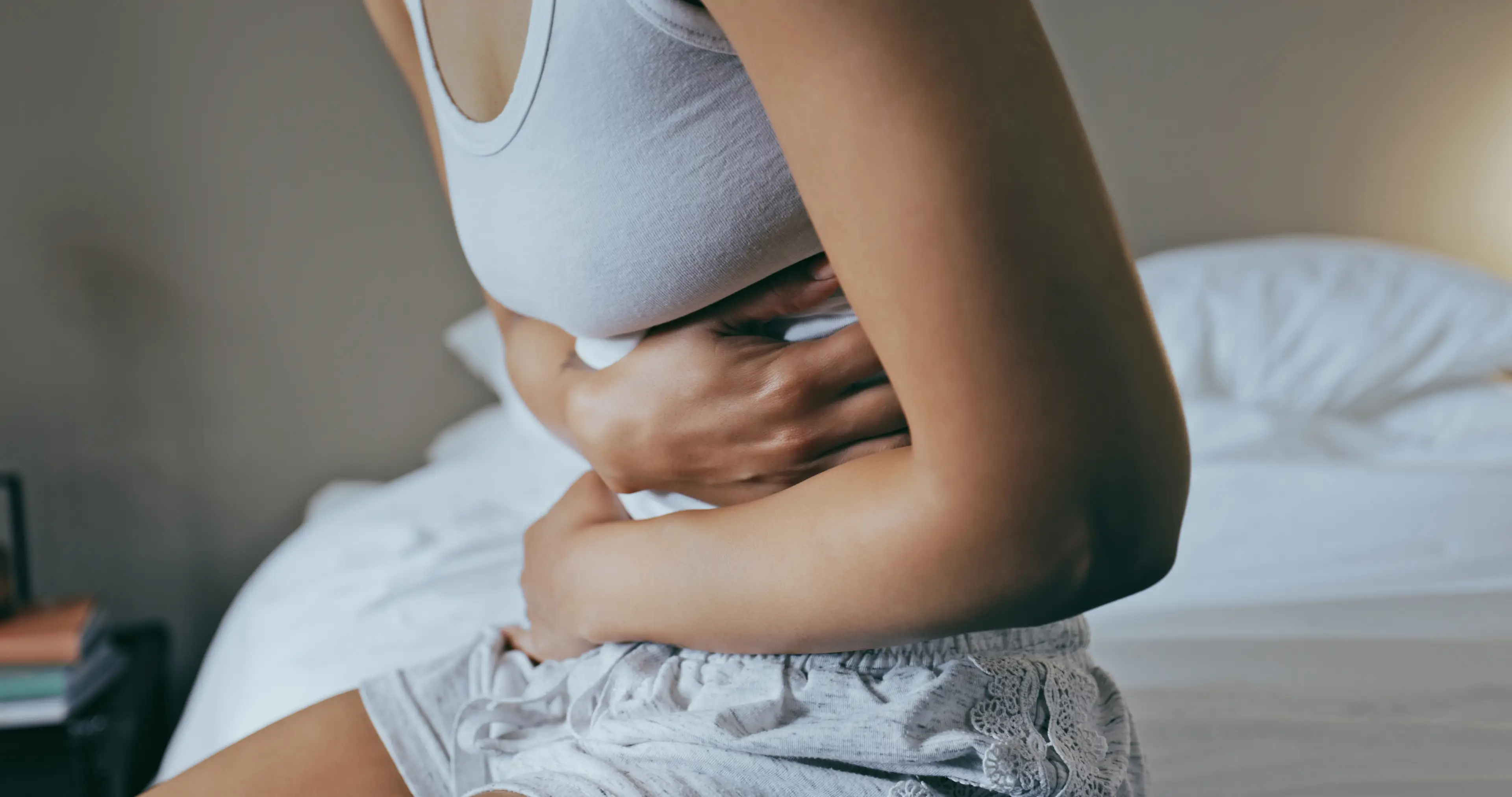
It's actually all down to hormones... (LaylaBird / Getty Images)

She added: "The prostaglandins also constrict the blood vessels in the uterus, reducing the amount of oxygen the uterine tissue receives, and this leads to cramping and pain."

Other hormonal changes that take place during the first few days of the menstrual cycle can also impact our perception of pain because, as well as progesterone, oestrogen levels also drop at the beginning of your cycle.

"This means that other painful conditions like migraines or fibromyalgia can worsen when you have your period, as the hormone oestrogen falls to its lowest level," Dr Emilie Côté MRCOG, an obstetrics and gynaecology doctor and researcher who also works with Joii, also noted.

Additionally, blood flow is typically heavier on the second day of your cycle.

Dr Ashfaq Khan, a consultant obstetrician and gynaecologist and founder of Harley Street Gynaecology, says that this can contribute to more painful cramps.

"The second day of the period is typically associated with a heavier menstrual flow for many women," he told the outlet. "The increased blood volume can lead to more intense cramping and discomfort as the uterus works harder to expel the menstrual blood."

Well, the more you know - eh?

  • £7 Rimmel lip gloss 'better than designer brand that costs three times as much'
  • Real reason you get ‘shooty bum pain’ when you’re on your period
  • Doctor reveals reason why you’re bruising so easily
  • What these symbols on your air fryer really mean and why you should stop ignoring them

Choose your content:

2 days ago
3 days ago
  • Getty Stock Image
    2 days ago

    Early warning signs of cervical cancer after Nicole ‘Snooki’ Polizzi gives heartbreaking update on diagnosis

    The Jersey Shore icon has opened up two months after revealing she had the disease

    Life
  • Getty Stock Image
    3 days ago

    Common household medicine could help reduce risk of cancer

    The everyday painkiller is thought to prevent certain tumours from forming and spreading across the body

    Life
  • Getty Stock Image
    3 days ago

    Unexpected reason your antihistamines aren’t working

    A doctor has revealed what could be 'reducing the effectiveness' of your antihistamines as the pollen count is on the rise in the UK

    Life
  • Getty Stock Image
    3 days ago

    Cancer is now diagnosed every 80 seconds as one type hits record high in young people

    Experts have cited certain lifestyle factors for the uptick in cases

    Life