Why mpox is no longer called monkeypox as cases surge

Experts have confirmed mpox cases are on the rise in the UK, but you may know the infection by its former name, monkeypox.
A notice released by the UK Health and Security Agency (UKHSA) confirmed a new strain of the illness has been detected in a person who recently travelled to Asia. The new virus, said to contain elements of two different mpox strains, clade lb and clade llb, with the former being linked to signs of local spread in European countries.
Scientists suggested that clade llb was linked to a global outbreak of mpox back in 2022, as per the BBC.
In 2025 alone, there have been 48,000 confirmed cases of the unpleasant virus - so it’s worth understanding what it is, what its symptoms are, and why it’s no longer referred to as ‘monkeypox’.
Advert
What is mpox?
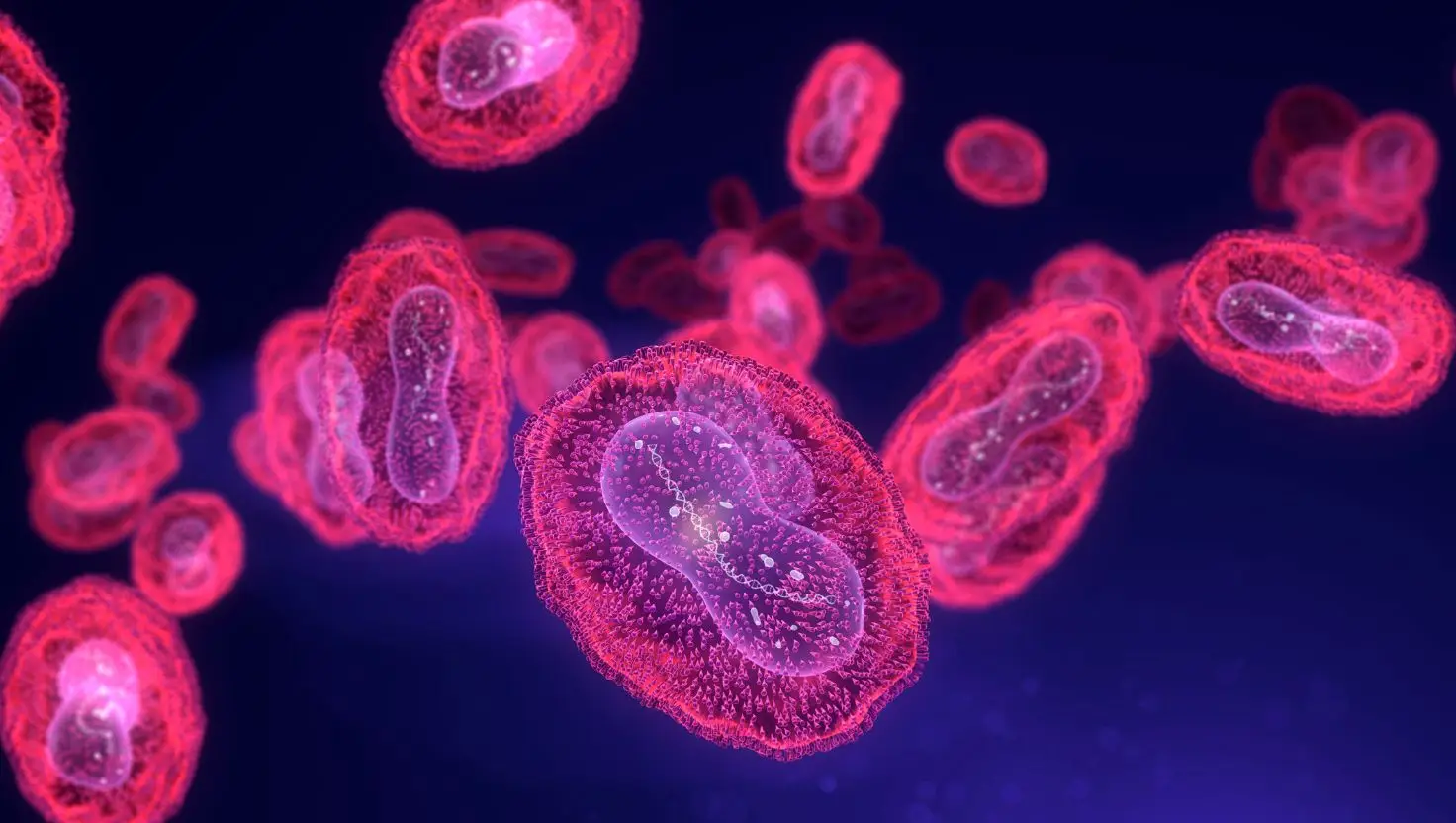
Mpox is a disease caused by a virus, often spread through direct contact with sores, scabs, saliva, and other bodily fluids.
Other situations that can spread mpox include intimate, skin-to-skin contact, sharing personal items such as towels, and eating the meat of an infected animal.
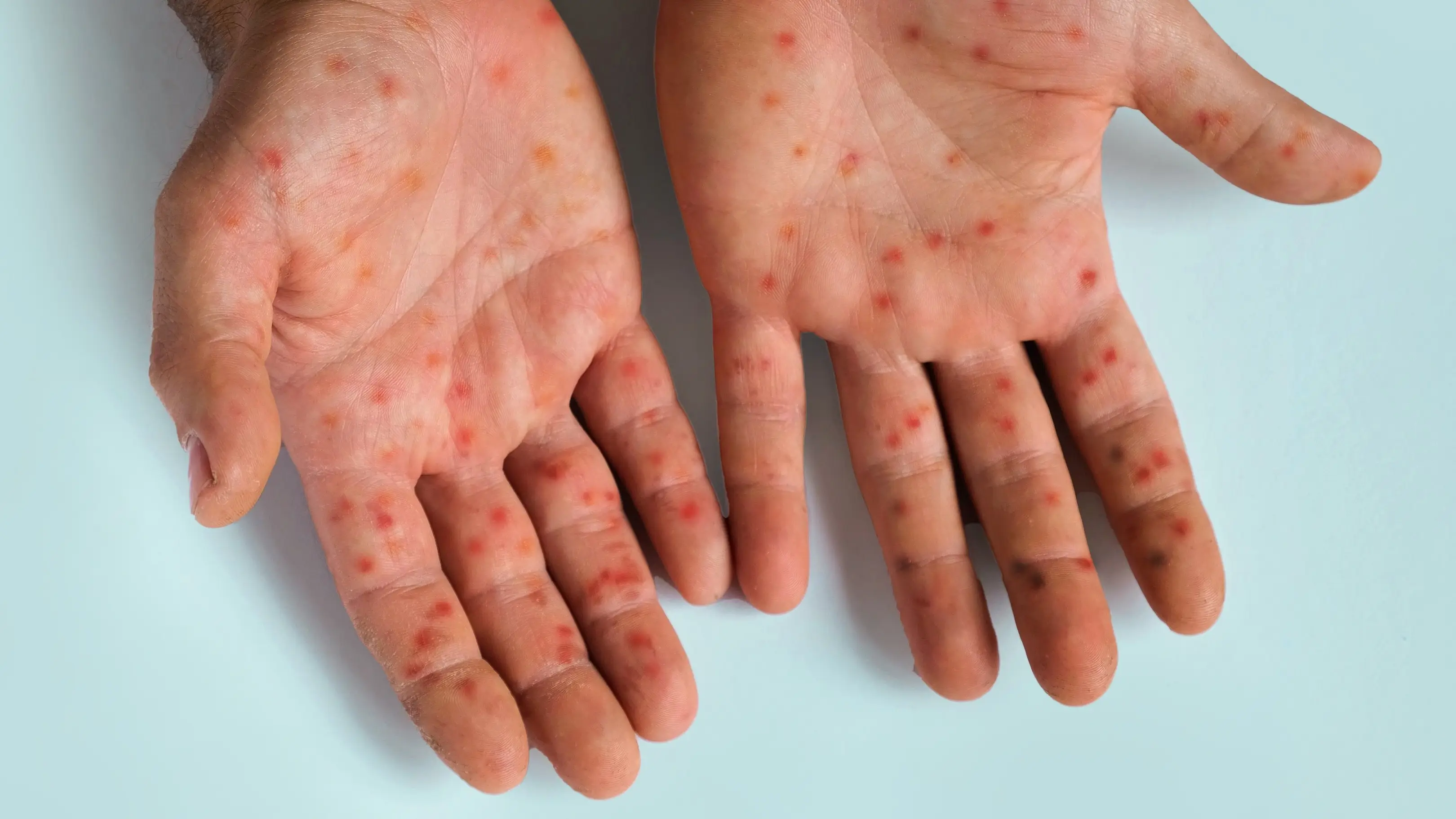
It usually takes two to four weeks to run its course, and is rarely fatal, according to the Cleveland Clinic. Symptoms include flu-like feelings and a distinctive rash that eventually evolves from spots to fluid-filled blisters, then scabs.
You’re more likely to get severely ill with mpox if you have a weakened immune system, have a history of eczema, or are pregnant.
Complications include a loss of vision, pneumonia, bacterial infections, severe scarring, and respiratory distress.
The best way to prevent mpox is by avoiding close contact in social situations, avoiding contact with contaminated objects, practicing safe sex, and using personal protective equipment (PPE) when caring for infected people.
Why is it no longer called monkeypox
Mpox was first identified at the Statens Serum Institute in Copenhagen in 1958, where monkeys were being used for research.
The primates began developing the virus, which is where the name ‘monkeypox’ originated from.
The first identified humans suffering from mpox were discovered in the Dominican Republic of the Congo in 1970.
In November 2022, the World Health Organization (WHO) announced ‘monkeypox’ would be known as mpox.
This was because of the ‘racist and stigmatising language being reported to the organisation'.
In a statement, WHO wrote that the name change served to ‘mitigate the concerns raised by experts about confusion caused by a name change in the midst of a global outbreak.’
“It also gives time to complete the ICD update process and to update WHO publications,” the agency added.
Praising the name change, Professor Paul Hunter of the University of East Anglia told The Guardian: “Given that monkeys are not a primary source of the virus the new name is less confusing for people who do not know the background to this infection.
“It is however a shame that one of the driving forces for making this change now has been the ‘racist and stigmatising language’ used online. Hopefully such language will now stop.”
How to protect yourself from mpox
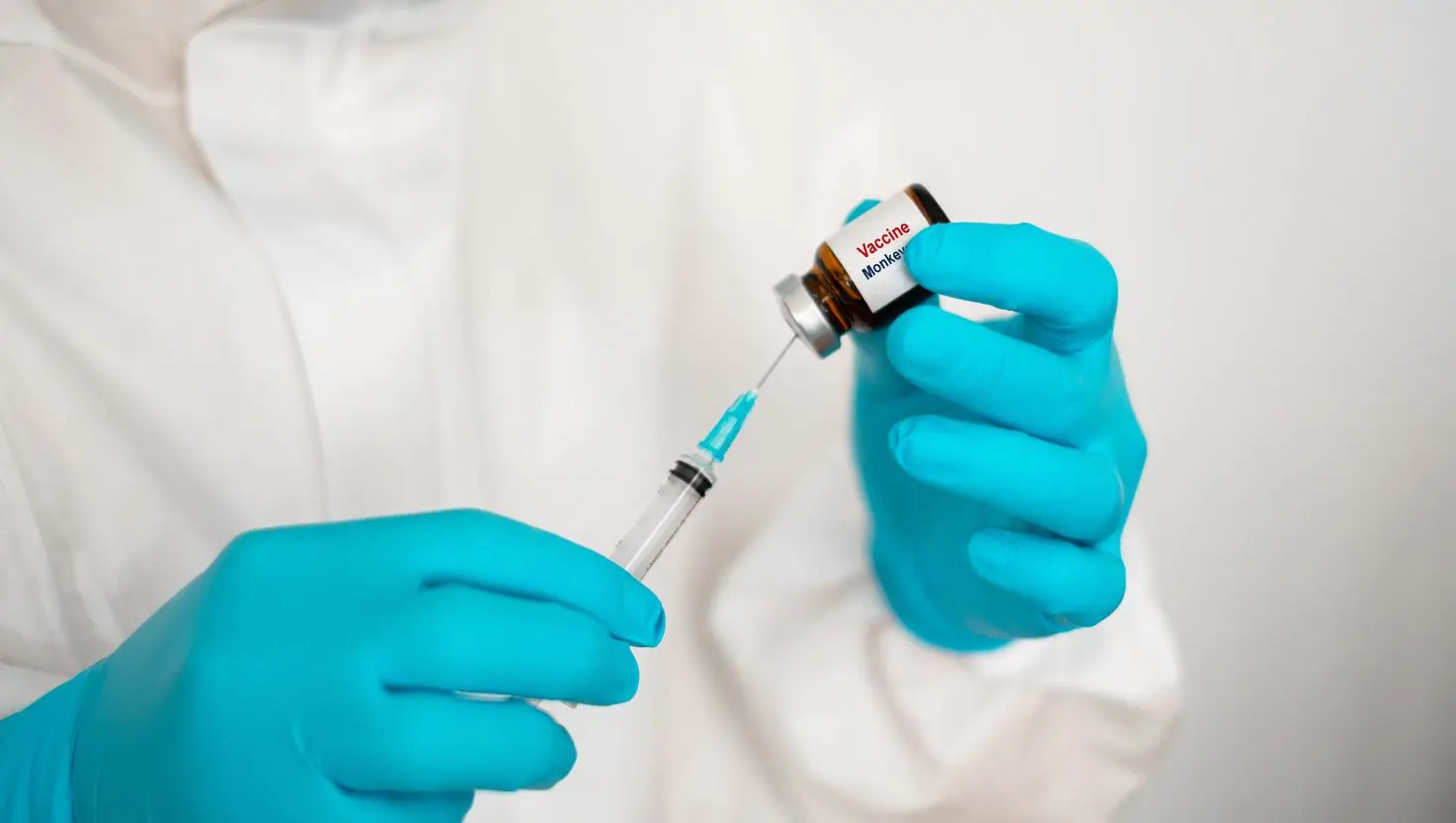
People who are at high risk of catching mpox, such as those who engage in group sex, and people who visit sex-on-premises venues, can have a vaccination with a 75-80 percent protection rate.
According to BBC, there aren’t any studies on how well the vaccine will protect against the new strain of mpox.
But, according to Dr Katy Sinka, head of sexually transmitted infections at UKHSA, the vaccine provides a high degree of protection.
"It's normal for viruses to evolve, and further analysis will help us understand more about how mpox is changing,” the expert told the publication.
"Getting vaccinated is a proven effective way to protect yourself against severe disease, so please make sure to get the jab if you are eligible.”
 Ella Scott