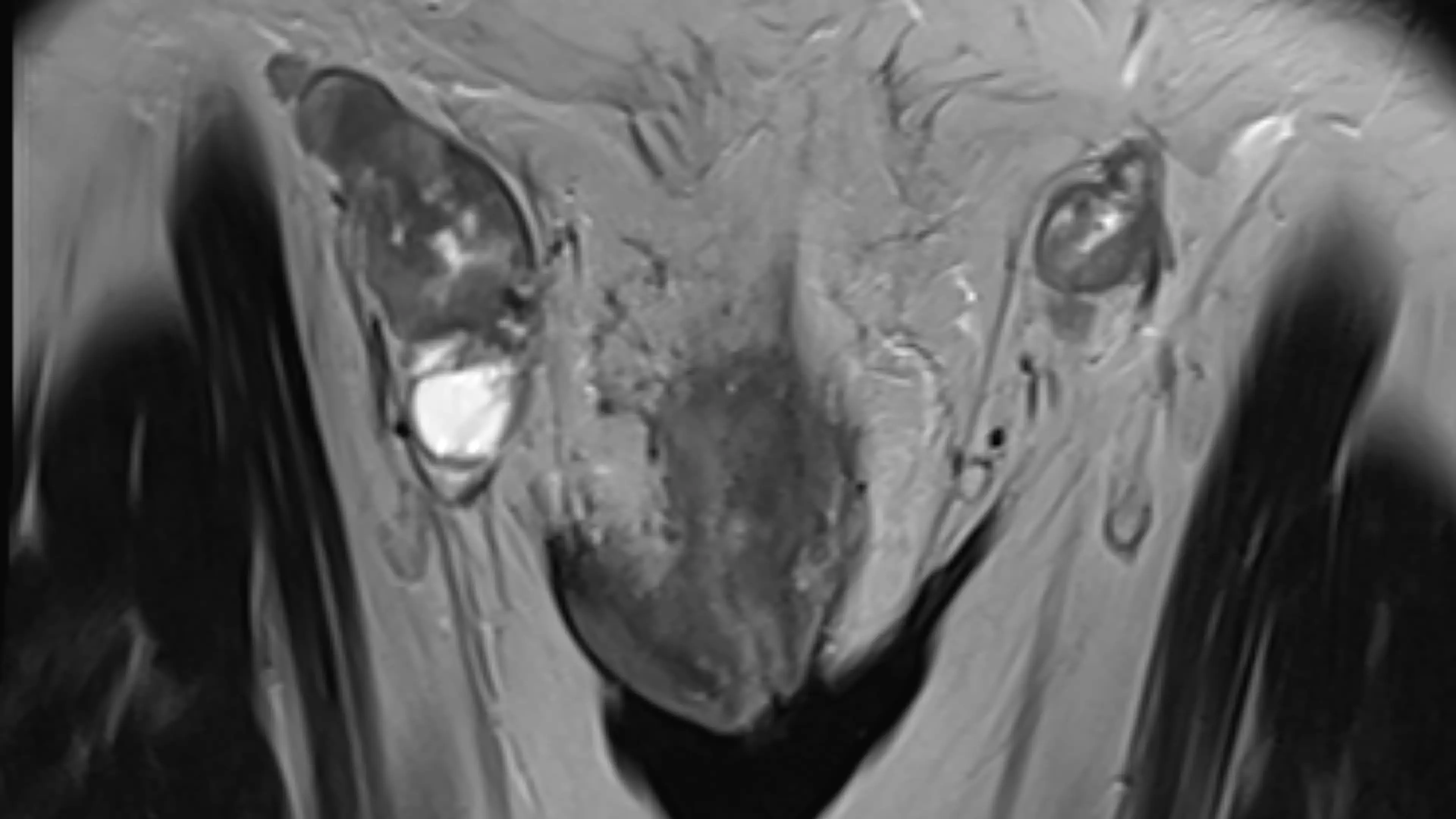
Vulval cancer survivor shared what every women should know about it

A vulval cancer survivor has shared what she wants all women to know as she aims to raise awareness for the little-known disease.
For those unfamiliar, vulval cancer, also called vulvar cancer, is rare and mostly affects women over 65 years old, as explained by the NHS.
It can affect anyone who has a vulva and it may be caused by certain types of human papillomavirus (HPV), or by skin conditions that affect your vulva - how serious it is depends on how big it is and if it's spread.
However, likely due to the taboo surrounding such an 'intimate' part of the body, you're unlikely to see it talked about as much as other cancers and worryingly, you probably don't know the symptoms.
Advert
In the UK, we actually have no screening programme currently in place for vulval cancer, given how 'rare' it is, even though it has resulted in the deaths of over 500 women in the UK per year, per Cancer Research UK.
One of the women who was diagnosed with vulval cancer has opened up about how it affected her life.
In the autumn of 2015, Susan Golden noticed a small, irritated lump on the left outer fold of her labia, which over the course of several months became painful and started to bleed.
Her gynaecologist took a tissue sample from the lump and sent Golden for a second biopsy at Gynecologic oncologist Diane Yamada's clinic, where she learned the heartbreaking news that the tumour was vulvar cancer.
The 53-year-old told UChicago Medicine: “Of course I was crying, my husband was crying."
She told the publication how she had no idea how she developed the disease, and sadly, there weren't many people she felt she could talk to about it outside of the hospital.
Thankfully, though, her husband John was incredibly supportive both during her cancer treatment and now, attending all of her doctor’s appointments alongside her.
Golden revealed: "I can honestly say I have never known about a support group for vulvar cancer or have ever even met another woman with vulvar cancer. It’s not shouted out loud - but it does exist, it’s painful, and it can truly alter your life."
Experts and plastic surgeons, including Yamada, came together for a 17-hour-long operation to tackle the tumour, which was successful and saved Golden from having to undergo radiation treatment.
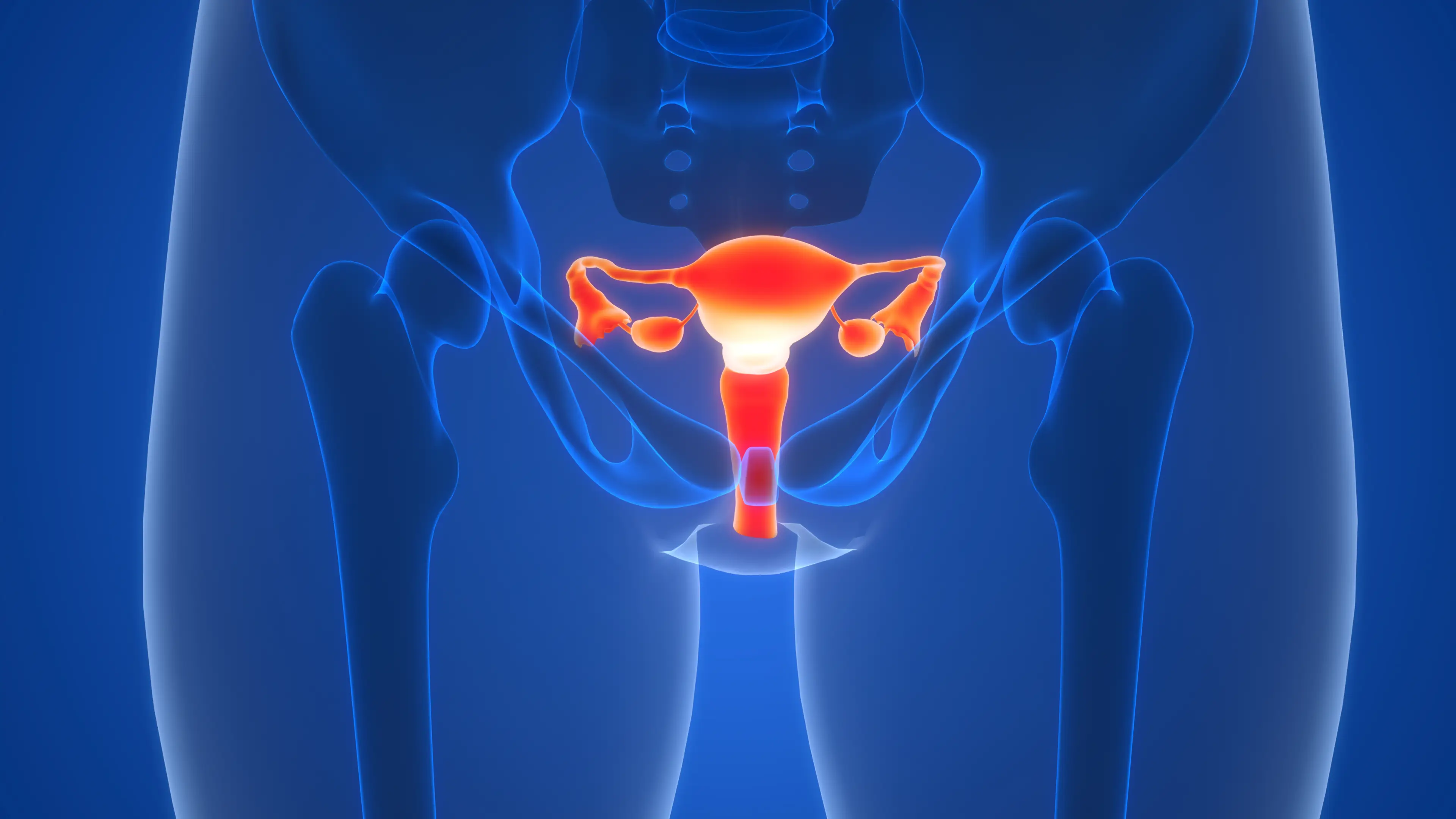
In order to ensure no cancerous cells were missed, the surgeon removed a substantial amount of tissue, as well as the clitoris and part of the urethra and 24 lymph nodes, before using tissue from Golden’s buttock area for reconstructive surgery.
Five years have now passed, and Golden remains cancer-free.
She hopes that by openly sharing her story, it will encourage more women to get regular check-ups and be aware of the symptoms of vulval cancer.
Golden said: “If I can help one other person to learn what vulvar cancer is, to recognise it, to take care of themselves and make sure they go to the right specialist - then I’ll feel like I’ve given something back to women who may be suffering from this cancer. Every woman I talk to has no clue what this is."
While Yamada explained: "Some patients may not necessarily recognise or believe there’s something going on in the vulvar area. Many people don’t look until there is some abnormal bleeding, discharge or pain that brings them to a hospital."
Symptoms of vulval cancer include:
- A lump
- A sore, growth (this may look and feel like a wart) or ulcer
- Bleeding from your vulva, or blood-stained vaginal discharge, that is not related to your periods
- Itching that does not get better
- Changes to your skin, such as red, white or dark patches (these may be harder to see on brown or black skin), or an area of thickened or raised skin
- A mole that changes shape or colour
- Burning pain when you pee
If you’ve been affected by any of these issues and want to speak to someone in confidence, contact Macmillan’s Cancer Support Line on 0808 808 00 00, 8am–8pm seven days a week.
Topics: Women's Health, Health, Cancer, Real Life, Life, True Life
 Madison Burgess