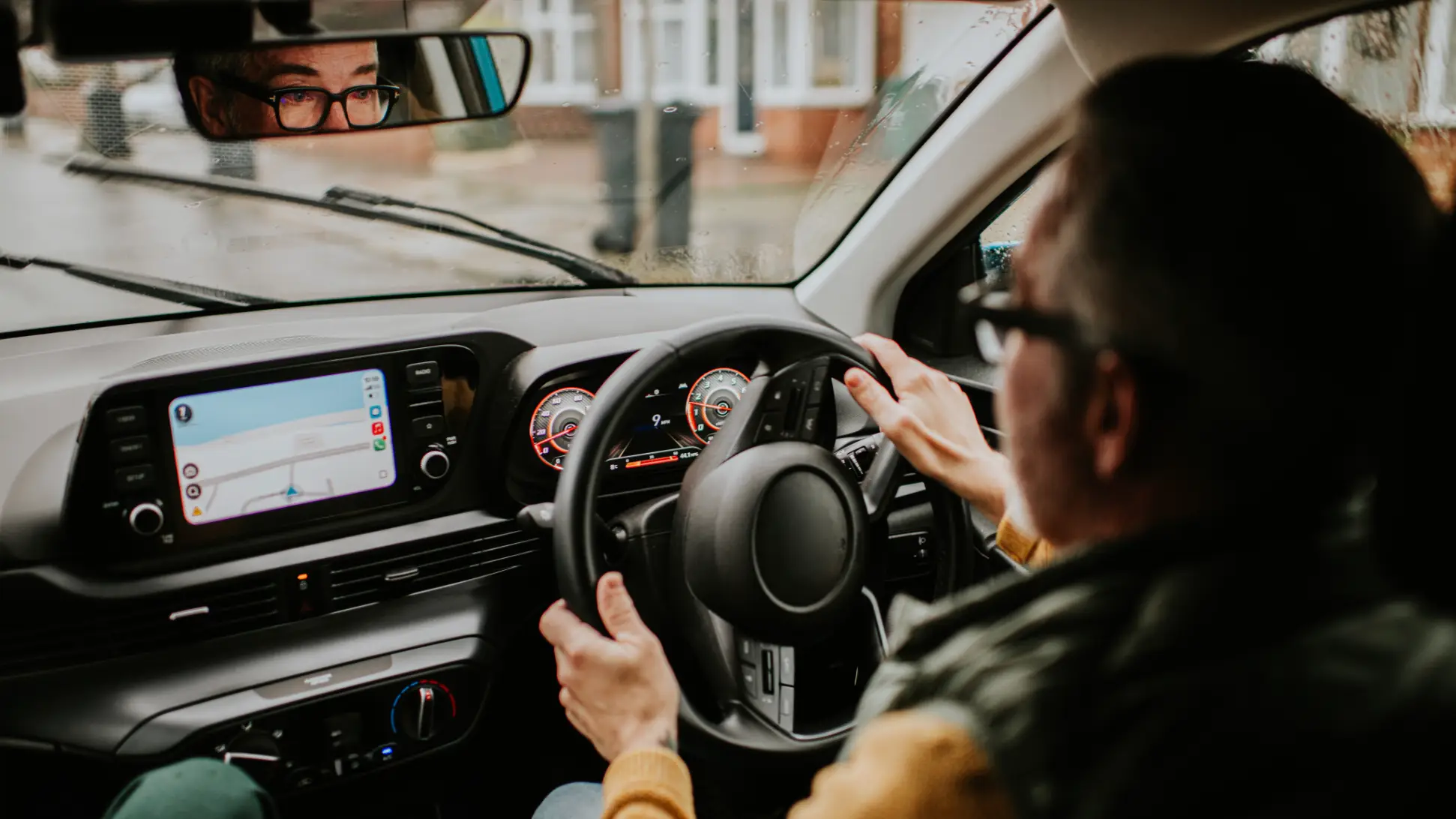
DVLA '01' rule for drivers who wear glasses could cost you £1,000 if ignored

Drivers who rely on their specs behind the wheel could be forced to cough up four-figures if they ignore certain eyesight rules.
And apparently, it's all because of an important code hiding in plain sight on their licence.
Some visually-impaired drivers might have convinced themselves they can leave their glasses on the kitchen counter if they're only 'nipping out to the shop', or 'popping to get petrol', but they'd actually be breaking a major rule in doing so.
For drivers whose eyesight has changed since they first passed their driving test, the rules around vision can become particularly important.
Advert
This is especially the case if a medical eye condition develops.
And there's one tiny number on the back of your licence that could tell you whether you're expected by law to use eyesight correction when driving - 01.
If you spot this figure in the restriction codes section on the back of your licence, it means you need eyesight correction, like glasses or contact lenses, whenever you're driving.

So, if your licence carries this specific code, and your glasses are sitting at home while you're cruising down the road, you could be in big trouble.
The British Government says drivers must wear glasses or contact lenses every time they drive if they need them to meet the required standards of vision.
It's important to note, however, that there's an important distinction here that really confuses things.
Simply being short-sighted or long-sighted does not, by itself, mean you have to notify the DVLA about your eyesight. If you can still meet the legal eyesight standards with glasses or contact lenses, you can continue driving with the necessary correction.
Also, the DVLA says drivers must report certain eyesight problems, particularly where a condition affects both eyes, or affects the remaining eye if someone only has vision in one eye.
Failing to disclose these medical conditions - that can certainly affect your driving - can result in a fine of up to £1,000.
Even more worrying, is that UK lawmakers have also warned that drivers could be prosecuted if they're involved in an accident as a result of not doing so.
So, this isn't simply about remembering your specs before heading out for the day.
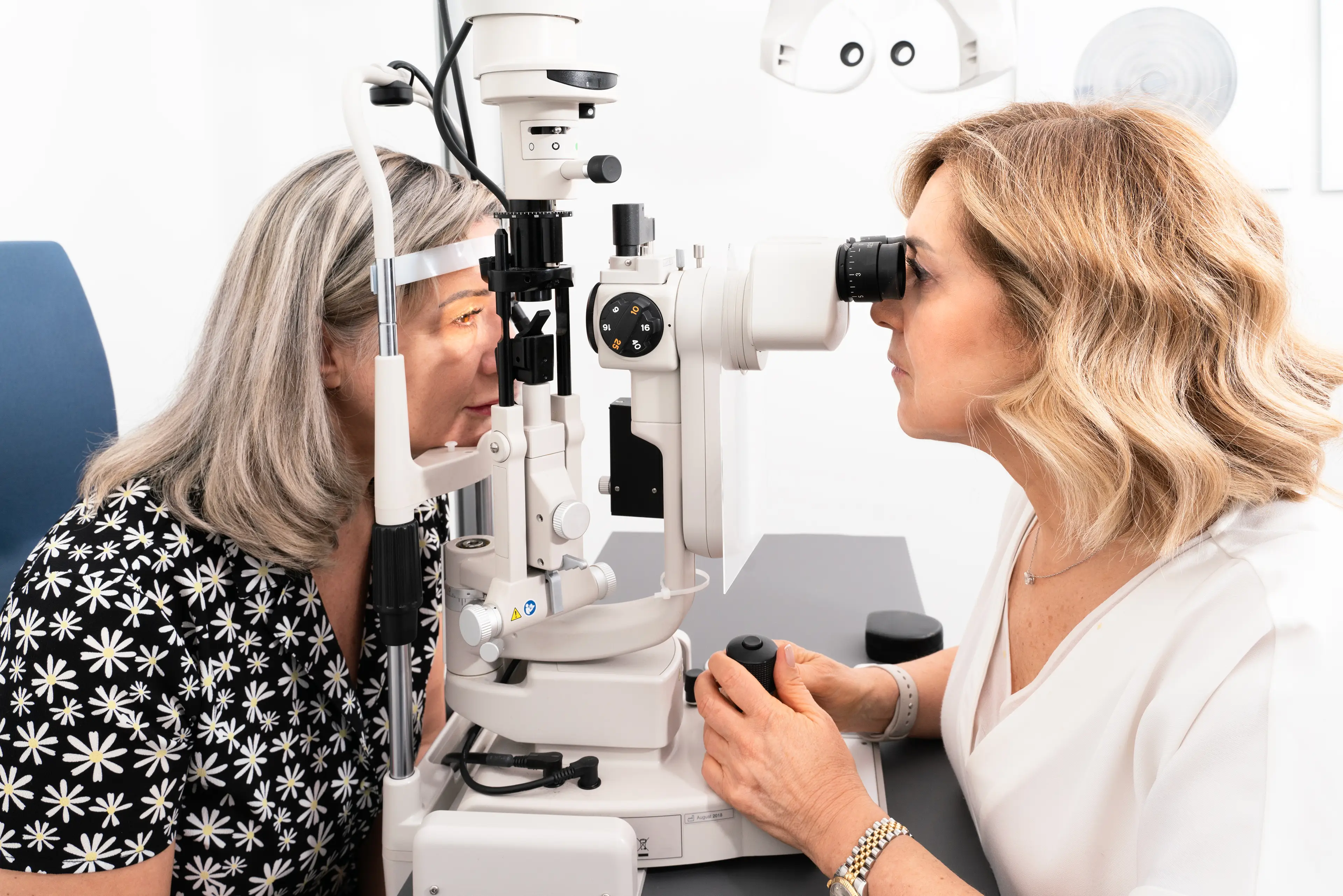
According to the DVLA, drivers must report eye conditions like:
- Blepharospasm
- Diabetic retinopathy, where laser treatment has been carried out
- Diplopia, better known as double vision
- Glaucoma
- Nyctalopia, or night blindness
- Retinitis pigmentosa
You also need to tell the DVLA if a GP, optician or eye specialist has told you that you should not drive.
And if you simply don't meet the required eyesight standards for driving, that's another reason to contact the DVLA.
For a car or motorcycle licence, you need to be able to read a number plate from 20 metres away - that's roughly the length of five parked cars. You can wear glasses or contact lenses to do this if you need them.

You also need to meet the minimum visual-acuity standard of 6/12 (decimal 0.5) on the Snellen scale, using both eyes together, or your only eye if you have sight in one eye. Your field of vision must also be adequate.
So, if number plates are starting to look suspiciously blurry from a distance, it might be time to book that eye test rather than simply squinting and hoping for the best.
You can contact the DVLA about your concerns online through the gov.uk website.
To report a condition affecting your vision, the DVLA says you need to complete and send form V1 instead.
There is some good news, though. If you report a medical condition affecting your vision, the DVLA may refer you for an eyesight test with one of its contracted opticians, so you won't have to pay to get checked.
 Rhianna Benson