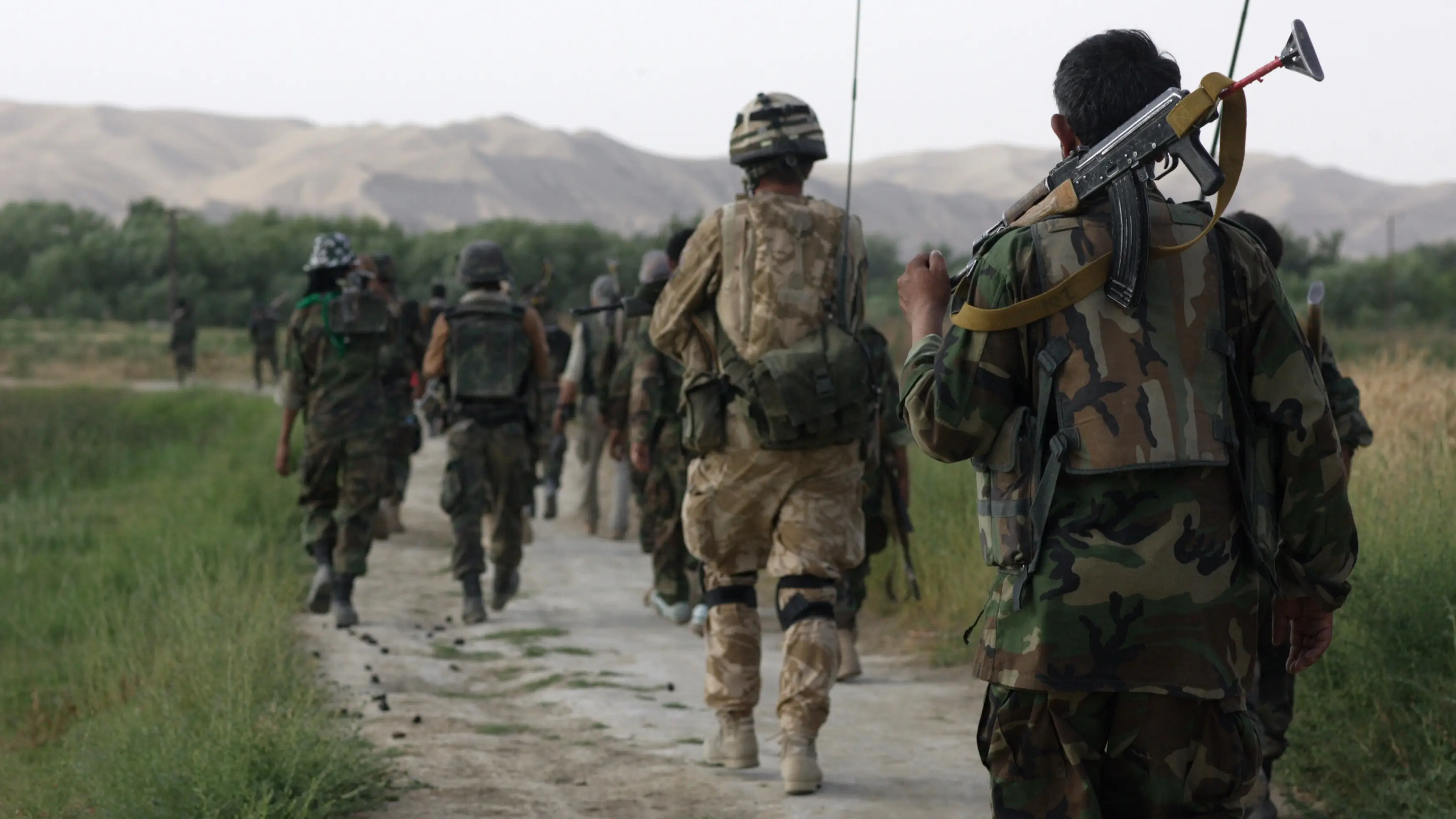
You may be exempt from conscription if you have any of these health conditions

It's no secret that tensions across the globe are becoming more and more concerning. In fact, the world currently has the highest number of countries in conflict since World War II, with a study from 2024 finding 92 nations were involved in conflict across borders.
The latest development in the Middle East, which began with the US and Israel's attack on Iran, has certainly exasperated concerns further.
Meanwhile, as tensions in the East continue, many people are becoming increasingly concerned over the potential of World War III.
The idea of a third world war has also led people to wonder if conscription would ever be introduced.
Advert
In the UK, this process has only been in operation twice within the 20th century (via the House of Commons) - in 1916-1920, when it was imposed on all single men aged between 18 and 41 who were not eligible for exemption, and in 1939-1960, when it was upped to 20 years old as a minimum age.
Back in 2024, General Sir Patrick Sanders spoke about the need for Britain to train a 'citizen army', calling for action to modernise the UK's forces.
He did not call for conscription as such, but spoke about the need for more to be done to prepare the UK.
"Within the next three years, it must be credible to talk of a British Army of 120,000, folding in our reserve and strategic reserve. But this is not enough," he said.
"We will not be immune and as the pre-war generation we must similarly prepare - and that is a whole-of-nation undertaking.
"Ukraine brutally illustrates that regular armies start wars; citizen armies win them.
"But we've been here before, and workforce alone does not create capability."
Keir Starmer has previously ruled out mandatory enlistment, telling listeners of the News Agents podcast back in 2024 that 'nobody is talking about conscription'.
However, if conscription ever did come into force, there are certain conditions that would render people exempt.

Over on The British Army website, the army explain which conditions could prevent people from joining. These are:
Back problems
- History of spinal surgery
- Structural abnormalities of the spine and spinal cord
- History of chronic or recurrent back pain
Blood diseases
- Sickle Cell disease
- Congenital spherocytosis
- Thalassemia
- Hepatitis B or C
- Leukaemia or malignant lymphoma
- Disorders resulting in abnormal coagulation
Bone or joint problems
- Knee injuries and chronic knee pain
- History of bone fractures
- Shoulder problems resulting in functional limitations or restrictions of movement
- Loss of a limb
- Club foot (including past surgery)
- Chronic joint diseases such as ankylosing spondylitis, psoriatic arthritis, rheumatoid arthritis or gout
- Hypermobility syndrome
Cardiovascular problems
- Diagnosis of heart disease
- Bicuspid aortic valve
- Symptomatic or medication-suppressed abnormal heart rhythms
- Cardiomyopathy
- Hypertension
Dental Health
- Poor dental hygiene, including needing the removal of teeth or ongoing treatment
Ear problems
- Current perforation of ear drum
- Chronic ear diseases like cholesteatoma
- Presence of eardrum 'grommets'
- Deafness or hearing problems
Eye problems
- Chronic eye conditions such as glaucoma, keratoconus and retinitis pigmentosa
- Damage to the eyelids affecting vision
- Chronic conjunctivitis
- Reduction of corrected vision in one eye below army entry standards
- Diplopia
Gastrointestinal problems
- Chronic abdominal diseases like Crohn's disease or ulcerative colitis
- Significant history of dyspepsia
- Loss of spleen (splenectomy)
- Active Haemorrhoids
- Kidney and Urologic problems
Congenital kidney diseases/anomalies
- History of kidney problems such as malfunction of a kidney or kidney stones
- Recurrent renal colic
- History of urinary incontinence
- History of genital infections
Neurological disorders
- Epilepsy
- History of head injury with neurological sequalae
- Migraines
- Multiple sclerosis
Psychiatric problems
- Schizophrenia
- Obsessive-compulsive disorder
- Alcohol or drug dependence
- Personality Disorders
- Eating Disorders
- Anxiety and Depression
- Post-traumatic Stress Disorder (PTSD)
- History of deliberate self-harm or suicide attempts
Respiratory problems
- Asthma (depending on severity and need for treatment)
- Chronic lung disease such as emphysema, bronchiectasis or cystic fibrosis
- Tuberculosis
Skin problems
- If you suffer from skin conditions such as severe widespread psoriasis or dermatitis. However, if it's mild or moderate dermatitis it may be considered
Other conditions
- Being an organ transplant recipient
- Food allergy requiring you to avoid some foods in your diet due to allergy or intolerance (not because you don't like it)
- Raynaud's phenomenon
- Diabetes
- Some medical conditions requiring long-term medication or replacement therapy
- Moderate or severe Covid infection
Topics: World News, News, Health, Politics
 Lucy Devine