
Doctor reveals why you are feeling so tired right now

Have you found yourself nodding off at work, struggling with brain fog, and just feeling so tired no matter how much sleep you get?
Well, you're not the only one, as it turns out it's actually quite common at this time of year - and there are a few reasons that could be behind it.
To help you get a better understanding of what's going on, health experts have outlined five causes that could be making you feel tired right now.
Ahsan Bhatti, pharmacist, prescriber, and owner of Quick Meds, and Dr Suzanne Wylie, GP and medical adviser for IQdoctor, have delved into the potential reasons.
Advert
Dr Wylie reassured: "Feeling unusually tired or drained at this time of year is extremely common, and as a GP, I see a clear seasonal pattern in patients coming in with these concerns.
"As we move into the colder, darker months, several factors converge to affect both physical energy levels and emotional well-being."
Seasonal affective disorder
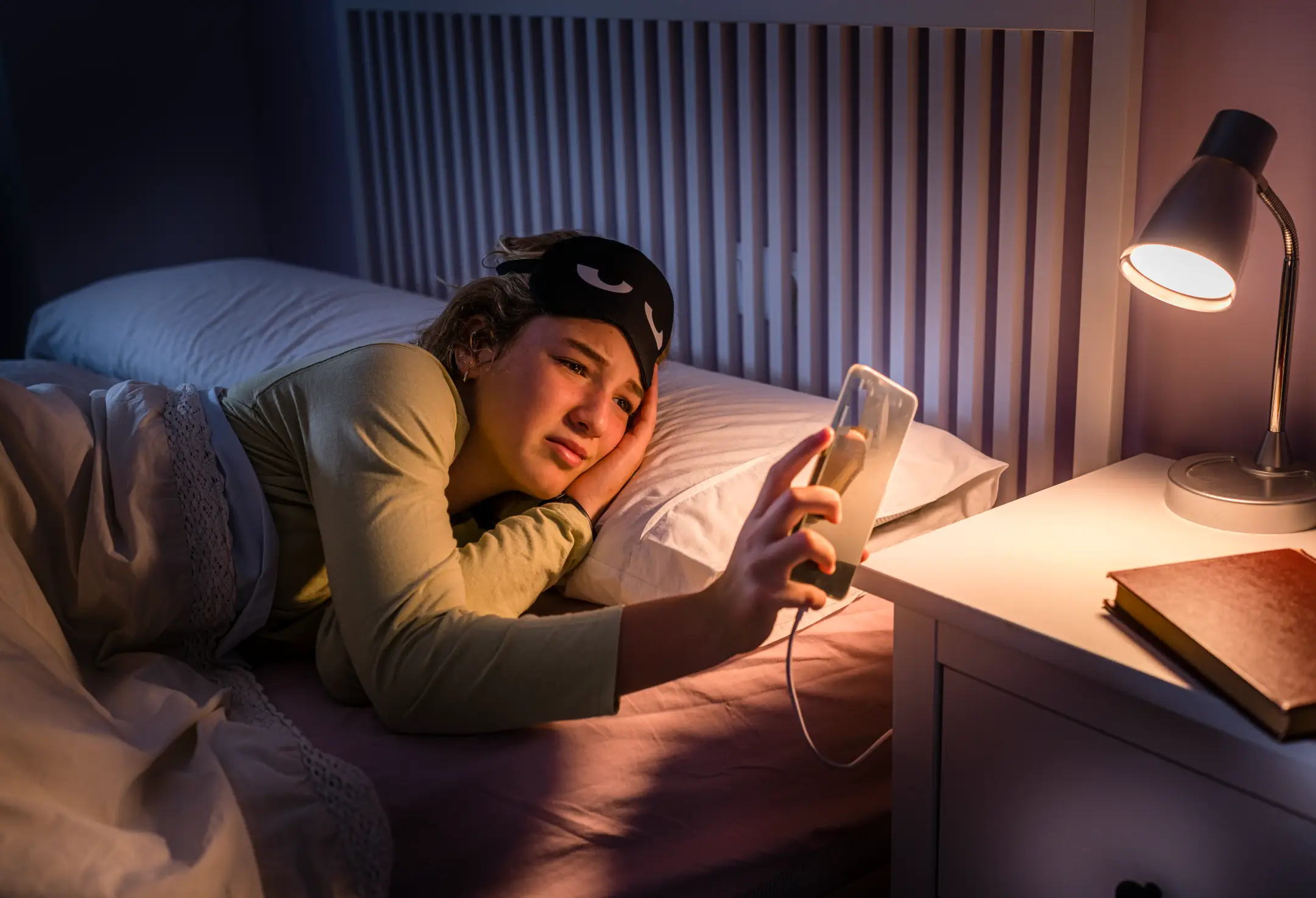
The first potential culprit for your tiredness is seasonal affective disorder, commonly abbreviated as SAD.
As per the NHS, it's a type of depression that comes and goes in a seasonal pattern.
Symptoms include a persistent low mood, a loss of pleasure or interest in normal everyday activities, irritability and feelings of despair, guilt and worthlessness.
Another symptom is feeling lethargic, lacking in energy and feeling sleepy during the day.
Dr Wylie explained: "With darker mornings and evenings, many people find it harder to wake up and feel alert, and the lack of natural light can contribute to low mood or seasonal affective disorder.
"Even in milder forms, this can manifest as lethargy, reduced motivation, and a general sense of fatigue."
If you think you're struggling with SAD, you can contact your GP to talk through treatment options, including talking therapies and light therapy.
Lack of sunlight
The lack of sunlight at this time of year is a big contributor to those suffering from seasonal affective disorder.
The doctor explained that 'biologically, reduced daylight can disrupt our circadian rhythm - the internal clock that regulates sleep, mood, and hormone production'.
Essentially, the limited amount of daylight throws our body clock off and can make us feel more tired.
Bhatti explained: "Reduced sunlight can affect the hormones melatonin, serotonin and the body's circadian rhythm (body clock).
"Higher levels of melatonin, due to less time spent during daylight hours, can lead to excessive tiredness. Lower serotonin levels can also affect sleep as well as appetite, and mood. Using light therapy could help short-term symptoms and is non-invasive."
Common illnesses
As we know, this time of year is the worst for illnesses like colds and the flu - everyone is always coughing and sneezing and sick days are a given.
Bhatti advised: "Other common illnesses around winter months include the flu, COVID-19 and the common cold. These all have overlapping symptoms and can all contribute to lethargy, low mood and irritability.
"Lagging effects for these conditions could persist. Taking regular vitamins could help reduce recovery time during this period, and particularly vitamin D - which we normally get from sunshine, could help either on its own or as a multivitamin."
Dr Wylie added: "We’re deep into the season of colds, flus, and other viral infections. These illnesses can linger far longer than many expect, and even after the cough or congestion has settled, the immune system’s recovery period often leaves people feeling unusually depleted.
"We’re also seeing post-viral fatigue more often, particularly after repeated infections, which can subtly chip away at energy reserves."

Lifestyle pressures
On top of all of this, there are also a whole load of 'important lifestyle and situational pressures to consider'.
While Christmas might seem like the happiest time of the year, it also comes with its fair share of stress.
Dr Wylie said: "By this point in the year, many people have used up most of their annual leave, meaning they’ve gone a long stretch without meaningful rest, and that cumulative tiredness can catch up with them.
"Workloads often intensify before the Christmas period, and parents, carers, and those working in retail, healthcare or education may feel the strain particularly acutely."
The expert added: "For many, the run-up to Christmas brings its own emotional load – from financial pressures to social expectations – and anticipatory stress can be surprisingly draining. Even for those who enjoy the festive season, the busyness and disruption to routine can leave little room for rest or self-care.

Other health conditions
Finally, you might be suffering from tiredness if you have an underlying health condition.
The experts outline that these can include iron deficiency, thyroid disorders, low vitamin B12 or vitamin D levels, or poorly managed stress and anxiety.
If you're worried about any of these, speak to your GP for advice.
Bhatti said: "Small, everyday stresses like darker commutes and not spending enough time during daylight hours can also contribute to physical fatigue.
"To reduce stress and prevent fatigue, staying organised can make a big difference. Most importantly, remember that this is a time to relax, enjoy yourself, and let go.
"Addressing sleep hygiene, maintaining regular activity, eating well and seeking support when needed can help manage energy levels. If fatigue is persistent or severe, your pharmacist or GP can provide tailored advice and help identify any underlying issues."
Topics: Health, Sleep, Life, Real Life, Mental Health, Weather
 Madison Burgess