
Why you should never take these supplements together at the same time

There was once a time when health supplements were something forced upon you each morning by your mother.
In recent years, however, these nifty little pills have been given a full-fledged rebrand.
They claim to fix all of life's little problems - from your cheating boyfriend to your bloating battles - and have cute new names, even coming in a variety of pastel colours to matcha your matcha latte and phone case.
And in terms of convenience, these handy health 'hacks' can arrive directly on your doorstep in a matter of days, thanks to a TikTok influencer, who claims they've 'totally changed her life'.
Advert
In light of their popularity boom, however, experts are attempting to raise awareness of the often-overlooked risks that come with daily supplement use.

And apparently, many of these woes seemingly stem from taking a certain pill alongside another, with both having vastly varying ingredients and claiming to remedy opposing conditions.
As explained by medics at Eating Well, taking certain medications together - seven in particular - may counteract each other, or one may hinder absorption of the other. Arguably worse, this can reportedly lead to undesirable side effects.
1) Zinc and calcium
Zinc supplements have long been praised for supporting immune function by helping the body fight infections. As such, they've been credited with having the potential to reduce the duration of common colds.
This chemical also plays a key role in wound healing, maintaining normal taste and smell, and supporting cognitive, hormonal, and reproductive health, as well as contributing to vision health.

Calcium supplements, meanwhile, help maintain strong bones and teeth and reduce the risk of osteoporosis, especially in older adults, as well as supporting muscle contraction, nerve signalling, and normal heart function.
According to Dr Alyssa Simpson, however, these two opposing pills 'compete for absorption in the gut'.
"So taking them together can limit the effectiveness of both," she explained, advising instead taking zinc and calcium supplements two hours apart.
2) Iron and zinc
We've already discussed the major pros of zinc supplements, but apparently, when taken alongside iron supplements, they can counteract one another.
As a reminder, iron supplements help prevent and treat iron-deficiency anaemia by supporting red blood cell production and oxygen transport in the body.
On top of this, they're known for improving energy levels, concentration, and overall physical performance, especially when iron levels are low.
Of the risks, however, Dr Elizabeth Harris emphasised: "Iron can reduce the absorption of zinc when these supplements are taken together!"

This is especially the case, she says, if over 25 milligrams of iron are absorbed with zinc.
As such, she recommends waiting two hours between popping each pill.
3) Iron and calcium
Dr Carla Hernandez added that a supplement fanatic could also run into issues when taking both iron and calcium at the same time.
"Calcium inhibits the absorption of nonheme iron (the type of iron found in supplements and plant-based sources) by competing for absorption in the intestines," she explained, adding that this effect isn’t 100 per cent definitive.
It could pose an issue, though, if you’re trying to correct an iron deficiency.
As such, she also suggests a two-hour window between each tablet, so as to ensure adequate absorption.

4) Magnesium and zinc
One particular pill which has skyrocketed in popularity in recent years is magnesium.
This chemical has reportedly proven to support muscle and nerve function, help regulate heart rhythm, and - more than anything - contribute to normal energy production, seeing takers bouncing out of bed morning after morning.
Furthermore, magnesium is also said to play a role in bone health and may help reduce muscle cramps, stress, and sleep disturbances.
When taken alongside zinc, however, this could result in dramatically different consequences.
Hernandez explained: "Magnesium and zinc compete for absorption in the intestines, meaning taking high doses of both at the same time can reduce how much your body absorbs each mineral."
This is especially the case, she continued, when an individual takes on considerable doses of the latter.
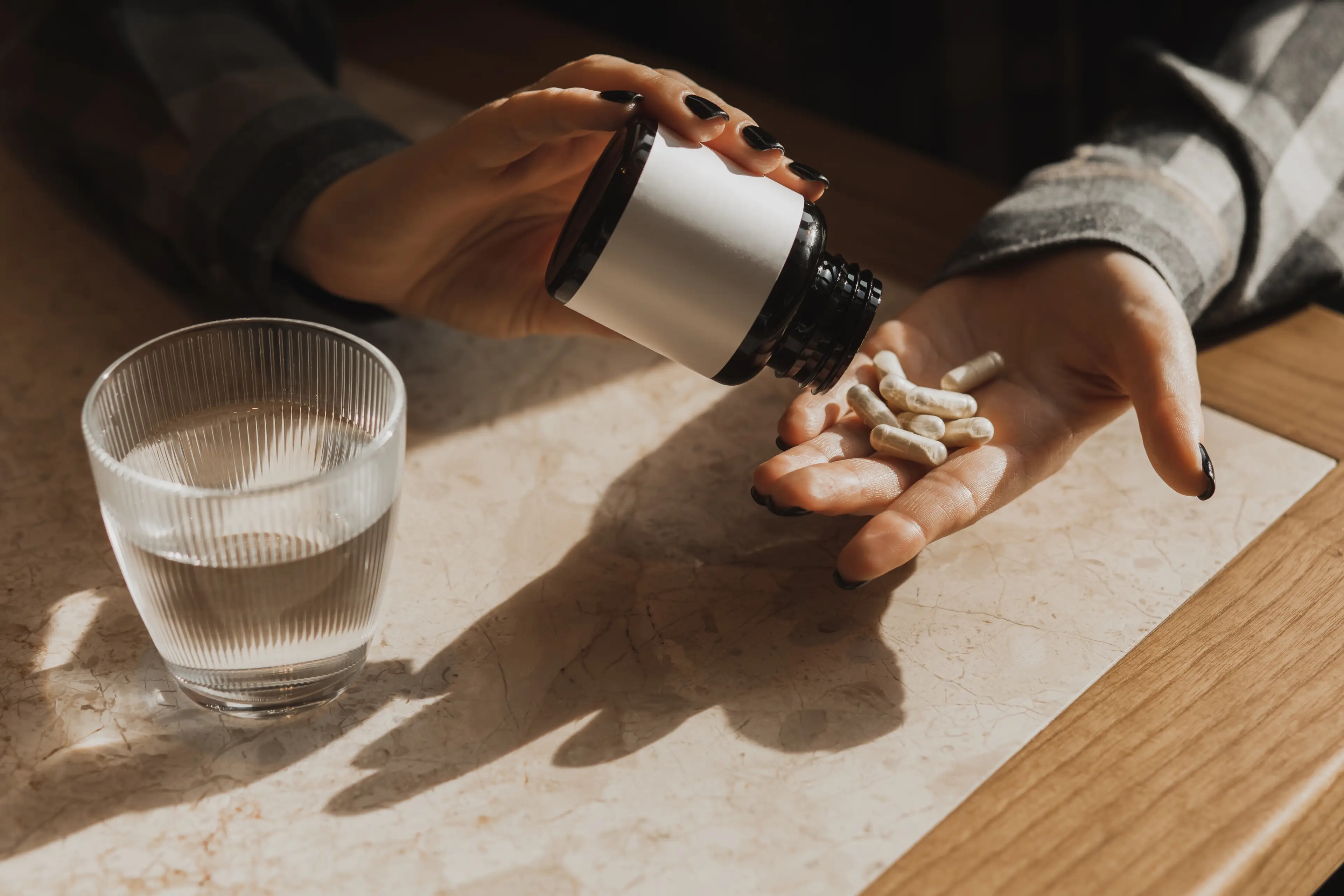
"Take magnesium and zinc supplements at different times of the day, such as magnesium in the evening and zinc in the morning," the medic continued.
"I recommend taking zinc with food as it tends to cause nausea."
5) St John's Wort and Serotonergic supplements
Before recommending antidepressants to combat mental health woes, a medic might first advise trying out St John's wort supplements, which are commonly used to support mood and may help relieve symptoms of mild to moderate depression.
They're also praised by some for assisting with anxiety and sleep by influencing neurotransmitters in the brain; though, it's important to note that research in this area is mixed.
Given that some brands claim that these pills are capable of boosting serotonin, however, doctors don't advise taking them alongside other Serotonergic supplements, as to do so could prove life-threatening.

"Combining St John’s wort with serotonin-boosting supplements like 5-HTP or SAMe can elevate serotonin levels too much, potentially leading to symptoms like restlessness and confusion," Simpson warned.
She advised, instead: "Stick to one serotonin-supporting supplement at a time."
6) Ginkgo biloba and high-dose fish oil
Arguably a lesser-known supplement, ginkgo biloba supplements are sometimes recommended to support memory, focus, and overall cognitive function. They reportedly do so by improving blood flow to the brain by thinning it slightly - because of this, they're often credited for also helping with circulation and symptoms such as cold hands and feet or dizziness.
That said, however, when combined with high doses of fish oil - which are also famed for thinning out a person's blood - the consequences could be detrimental.

For reference, fish oil is also praised for providing omega-3 fatty acids that support heart health by helping lower triglycerides and reduce inflammation, contributing to brain function, eye health and joint mobility.
"Both ginkgo biloba and high-dose fish oil thin the blood and, when combined, they can increase the risk of excessive bleeding," Simpson went on.
If you're dead set on the benefits of these respective pills, however, the medic suggests 'alternating or lowering the doses to avoid stacking their effects'.
7) St John's Wort and Ginseng
We've already discussed the supposed mental advantages of St John's Wort - in that it's said to raise serotonin - but let's consider the similar effects caused by Ginseng supplements.
Apparently, the latter are often recommended to those hoping to boost energy, reduce their fatigue and support their mental focus, as well as strengthen immune function and improve their body’s response to stress.

Given these mutually 'boosting' qualities, experts have spoken out.
"Both are known to affect mood and energy levels, but combining them may overstimulate the central nervous system," Dr Angie Konegni added. "Leading to symptoms like agitation, rapid heart rate or even serotonin syndrome, a potentially life-threatening condition."
Topics: Health, True Life, Life, Real Life, Advice, NHS, Mental Health
 Rhianna Benson