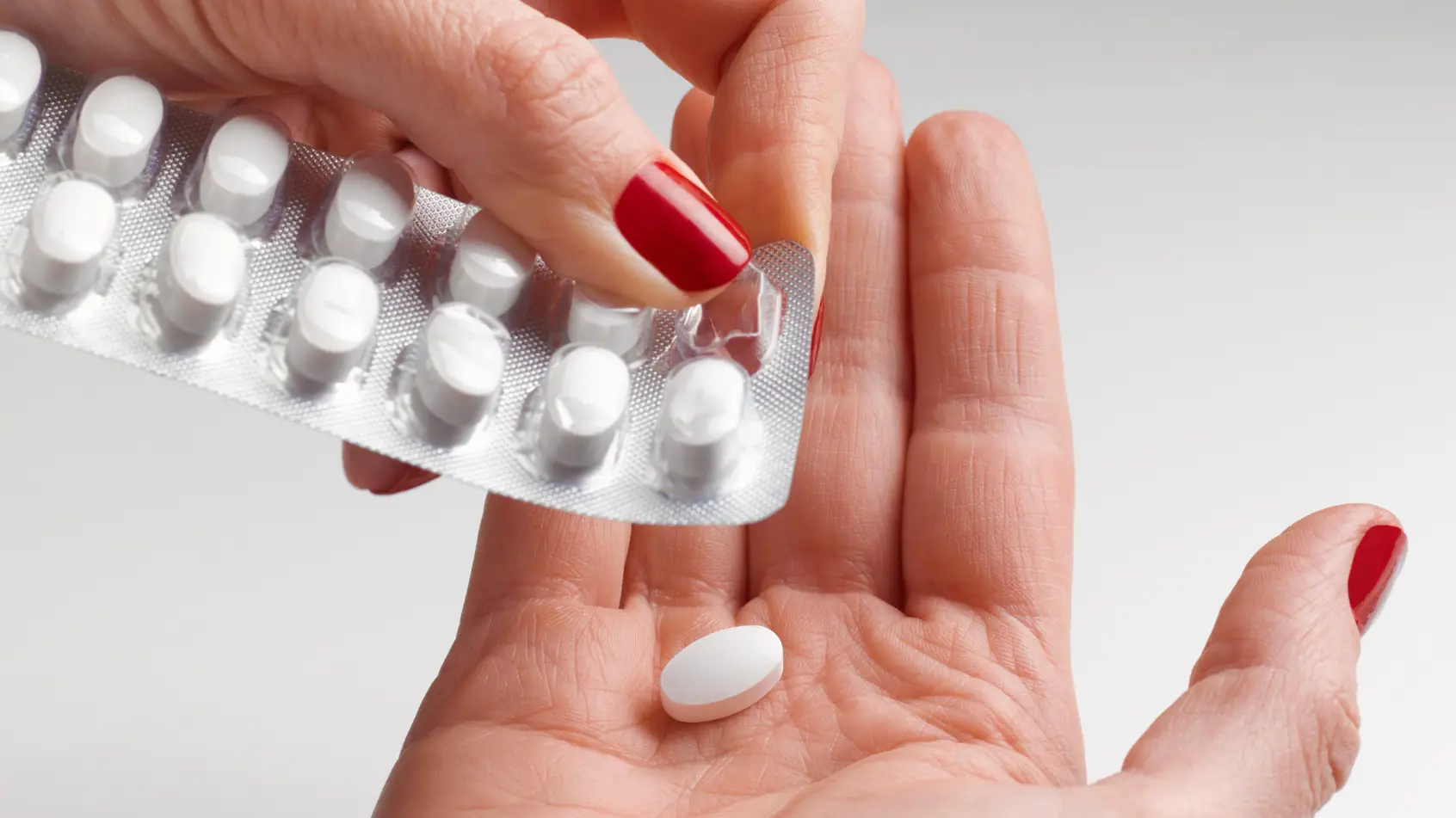
Why you should never cut pills in half unless they have a line

Whether it's daily medication, the contraceptive pill or even a painkiller here and there to ease period cramps or a hangover, pills are a part of everyday life.
But it's important to know how to safely take them, especially when it comes to cutting them in half if you're keen on a 'smaller' or 'halved' dose.
Speaking on the Rachel Ray Show eight years ago, Dr Stacia Woodcock explained why you should never cut pills in half unless they have a line.
When asked by an audience member about it, the expert stated: "Cutting pills is a tricky business, and I’ll explain why.
Advert
"A lot of people know that a lot of pills should not be cut. If something’s extended release, or it has a coating so that it doesn’t release in the stomach, but in the intestine, any of those pills should not be cut.
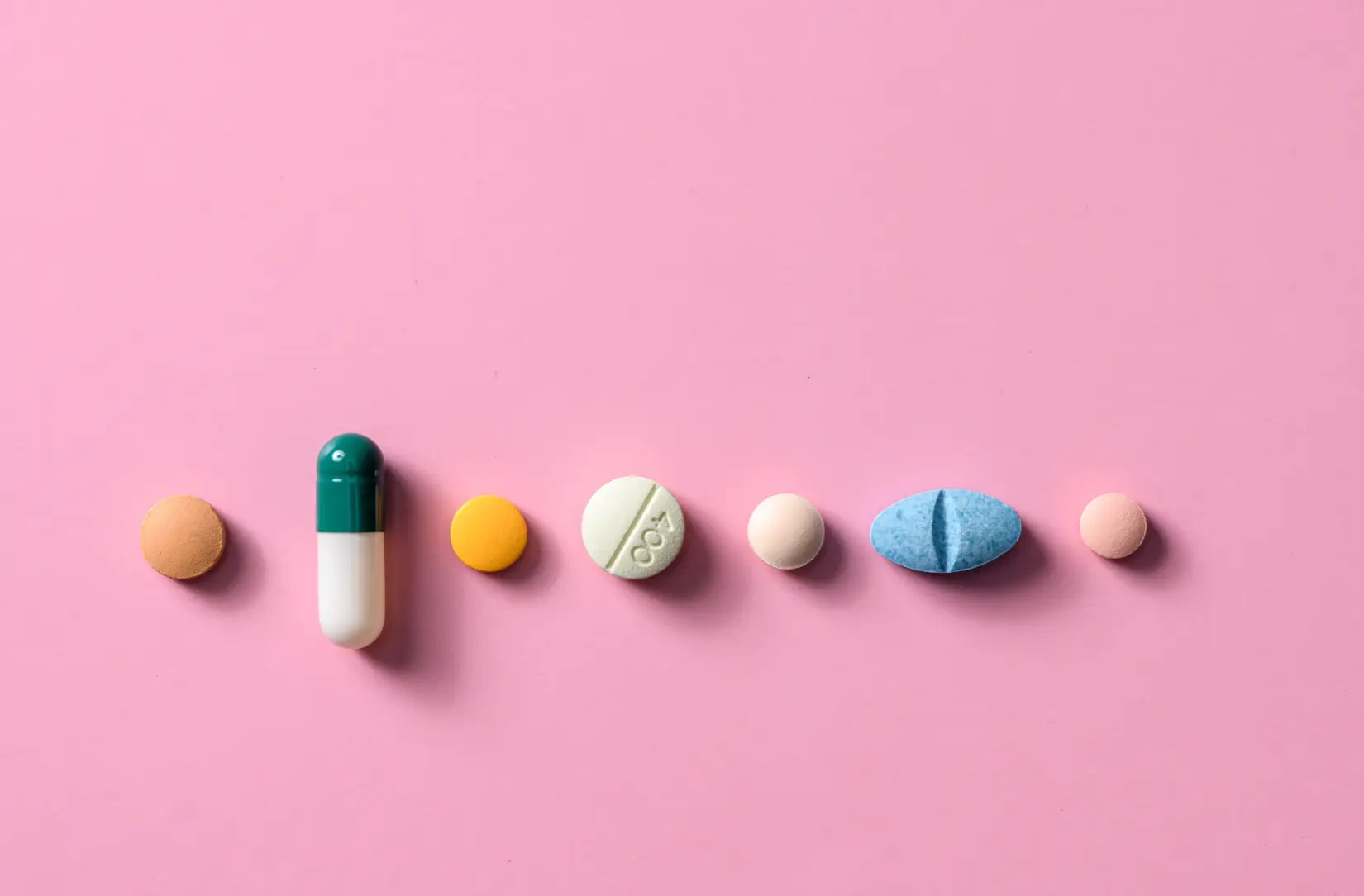
"Usually, they say that in the name. They say things like 'EC' for enteric-coated, or 'XR/ER' for extended release."
She continued: "But there are a lot of tablets that aren’t those, so it seems like it’d be really straightforward and you should be able to cut them, right?
"The standard rule of thumb is: if the pill is scored, if it has that nice little line in the middle that shows you where to cut it, it’s usually, not always, but usually, okay to cut.
"That line makes it easier to cut, and it also means they’ve done work to make sure the active ingredient is evenly dispersed between the two halves of the tablet."
Dr Woodcock then warned: "If you take a tablet that doesn’t have that score line, I call it the blueberry muffin effect.
"Basically, the active ingredient is just floating around like the blueberries in a blueberry muffin. When you cut it in half, you might see all the 'blueberries' on one side and not as many on the other.
"That’s what happens when you’re cutting a tablet that isn’t scored."
She assured that while it's 'less important' with stuff like sleep medication, 'because the dose doesn’t matter quite as precisely', it does matter when you're talking about medications that are really important, such as those for blood pressure or cholesterol.
"You really don’t want to be messing with the dose," she warned.
The doctor concluded: "So it’s always good to talk to your doctor or pharmacist. We can let you know which ones are safe, because some pills are safe to cut. You want to follow the scoring."
 Rhiannon Ingle