
Grim reason you should never pee in the shower

The shower is a place for you to enjoy a refreshing start to the morning, to wash the day off, to luxuriate in some self-care me-time, and to, in short, get clean.
However, for some people, the shower is also the place to have a cheeky wee if you can't be bothered to either hold it in or step out for a minute to do your business in its intended area - AKA the toilet.
While this may feel like a harmless and even convenient habit, there's actually a pretty grim reason you should never pee in the shower, according to a pharmacist.
In a recent survey from Mira Showers, over three-quarters (76 per cent) of respondents admitted to weeing in the shower regularly, so it's clear it's more the rule than the exception...
Advert
Urge incontinence
Despite the popularity of this divisive little habit, experts have warned that regularly weeing in the shower can actually train your brain to associate the sound of running water with the urge to urinate.
Over time, this can lead to urge incontinence, where the sudden need to wee becomes harder to control.
Weakened pelvic floor
Pharmacist Abbas Kanani told Tyla that weeing in the shower can increase your risk of a weakened pelvic floor, especially for people who have existing pelvic floor issues or poor posture.
"Pelvic muscles are sometimes not fully relaxed when standing whilst weeing, and this can cause the bladder to not be emptied fully," the expert notes. "As a result, you may push or strain to empty, which puts downward pressure on the pelvic floor.
"There can also be a tendency to push urine out, instead of letting it flow naturally, when standing. This action can push down on the pelvic organs, causing stress or gradually weakening the pelvic floor muscles."
According to Kanani, these issues are of particular concern for women or people with underlying pelvic issues. Most men will not be affected by this, unless they have pre-existing pelvic floor issues.
"People should also be mindful of potential bacterial infection. Urine can carry bacteria, for example, from an active UTI, and if these bacteria make contact with any micro tears or scratches in your skin, such as your feet, this could lead to an infection," they add.
Infection risks
But it's not just about health - it's about hygiene too.
According to Emily Robertson, shower expert at Mira Showers, urine may be sterile when it leaves the body, but it can still leave residue, especially when mixed with soap, shampoo, or body oils.
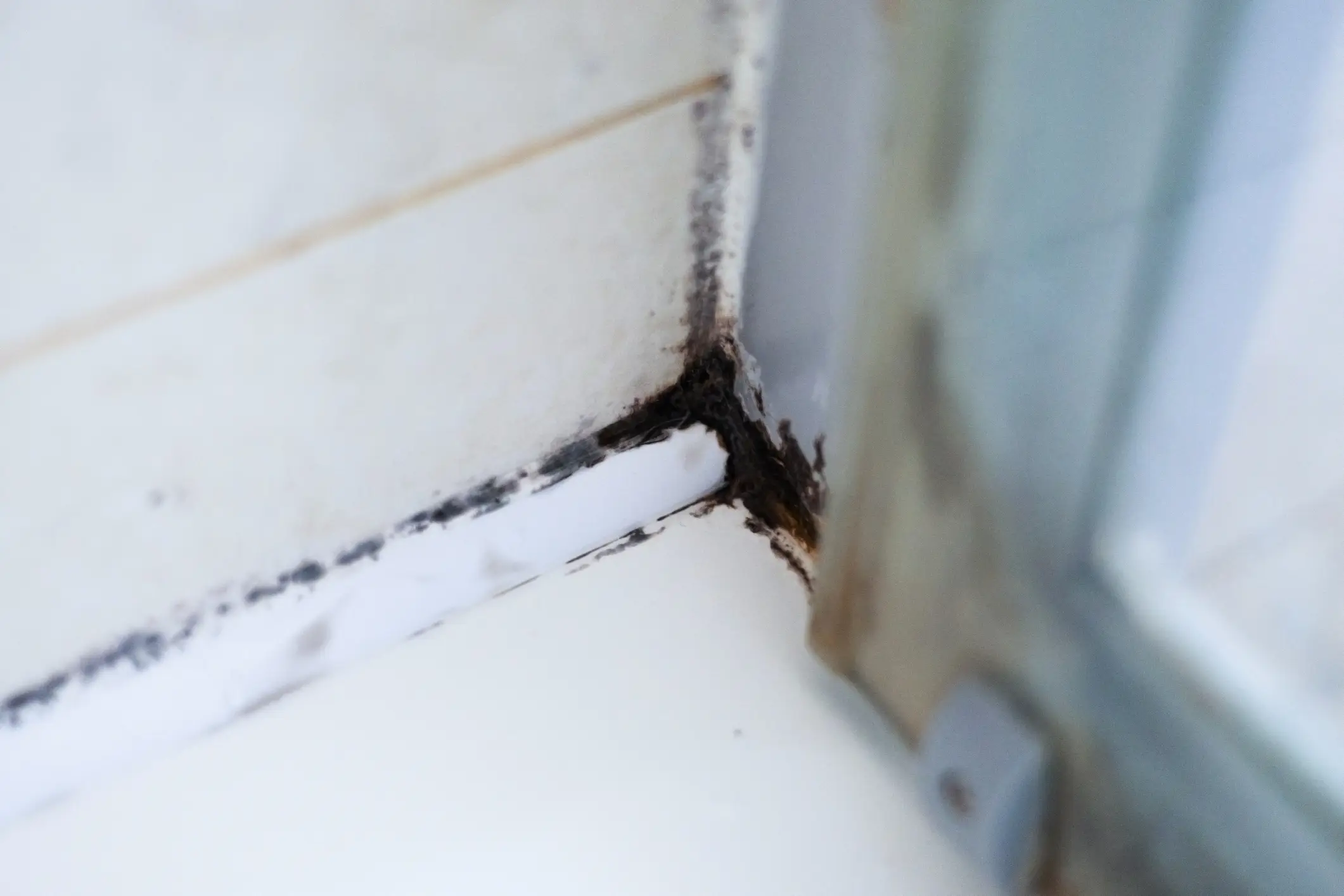
Over time, this can lead to some pretty grim odours and bacterial build-up in the grout, sealant, or shower tray, particularly in shared bathrooms or where water flow isn’t consistently powerful.
Robertson warned: "Your shower is designed for water, not waste. Even if it all goes down the drain, urine can disrupt the delicate balance of hygiene in your bathroom, especially if your shower isn't cleaned frequently.
"Plus, many people don’t realise that some types of flooring or silicone sealants can absorb residue, creating a breeding ground for bacteria and mould over time."
The expert also pointed to plumbing considerations, warning that while a small amount of urine won’t usually cause immediate issues, introducing waste into your shower drain over time may increase the risk of clogs when combined with soap scum, hair, and hard water deposits.
"Without a regular bathroom cleaning routine, bacteria, limescale and mould can become a real problem," she concludes. "Clean and dry your bathroom regularly, including grout and hard-to-reach corners that are prone to mould."
Noted.
Topics: Advice, Health, Women's Health, Life, Home, Explained
 Rhiannon Ingle