'Cicada' Covid strain 'more likely' to affect one age group, scientists say

As cases of 'Cicada' Covid continue to climb, a scientist has revealed which age group are the most likely to be affected.
The new, highly-mutated strain has been spreading through the United States in recent weeks, as well as spilling into other nations around the world.
The first American case was recorded last June, when a participant who'd contracted the virus arrived on a flight from the Netherlands.
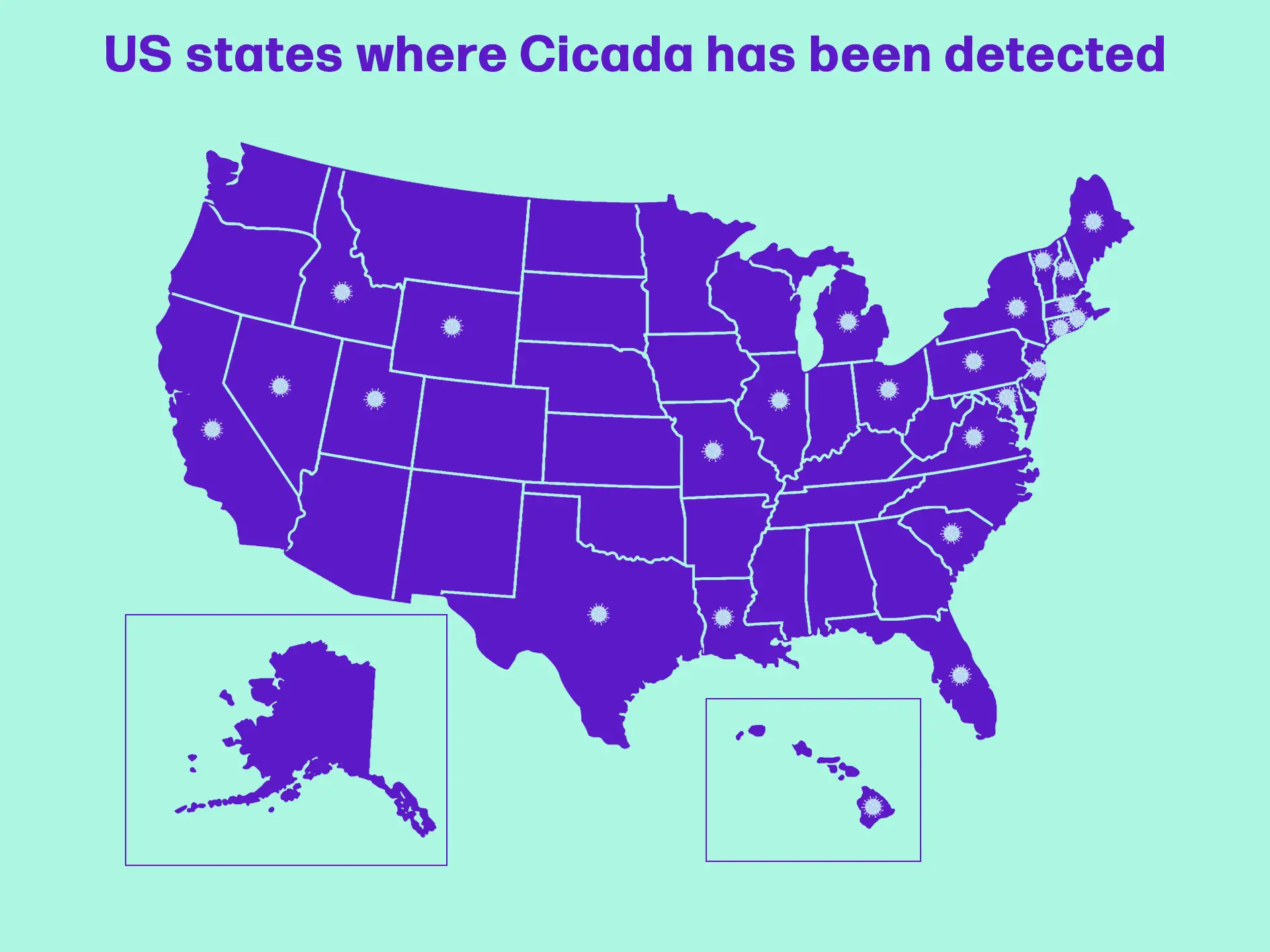
Evidence of the variant has since been found in wastewater across California, New York, Illinois and Florida, the Centres for Disease Control and Prevention confirmed earlier this week.
Advert
Cases have also emerged in 21 other states - Connecticut, Hawaii, Idaho, Louisiana, Maine, Maryland, Massachusetts, Michigan, Missouri, New Hampshire, New Jersey, Nevada, Ohio, Pennsylvania, Rhode Island, South Carolina, Texas, Utah, Vermont, Virginia and Wyoming.
Despite mass speculation regarding the groups most susceptible to the condition, scientists have confirmed this week that children are primarily at risk.
Though they don't suspect the disease is inflicting more severe harm on youngsters compared with adult patients, experts still slam the variant as a menace, given how widely children can spread it amongst one another.
Thankfully, while cases are steadily rising, the variant is still considered to be moving at low levels compared to more deadly or contagious conditions.
This hasn't stopped concern from spreading across the pond, however.
Discussing the risk that Cicada poses to children compared to adults, Cambridge University professor, Prof Ravi Gupta, claimed their lack of immunity to Covid could be to blame.

"This is different from the (Covid-19) viruses we have been dealing with for the last two years," he explained. "This new variant has been found in the UK. Some people have done analysis on this, suggesting it may be more prevalent among young children.
"Children get infections all the time, but this might be something to do with the fact that they have never been exposed to Covid vaccines."
He added: "So this is something we’re looking at in the lab to try and work out why. The problem with this is that it is an infection that spreads fast. Eventually, it ends up in someone who is vulnerable."
The strain (BA.3.2) earned its nickname by remaining underground for several years until suddenly emerging, much like cicada insects.
Like other Covid-19 variants, Cicada has been known to cause a cough, a fever or chills, sore throat, congestion and shortness of breath.
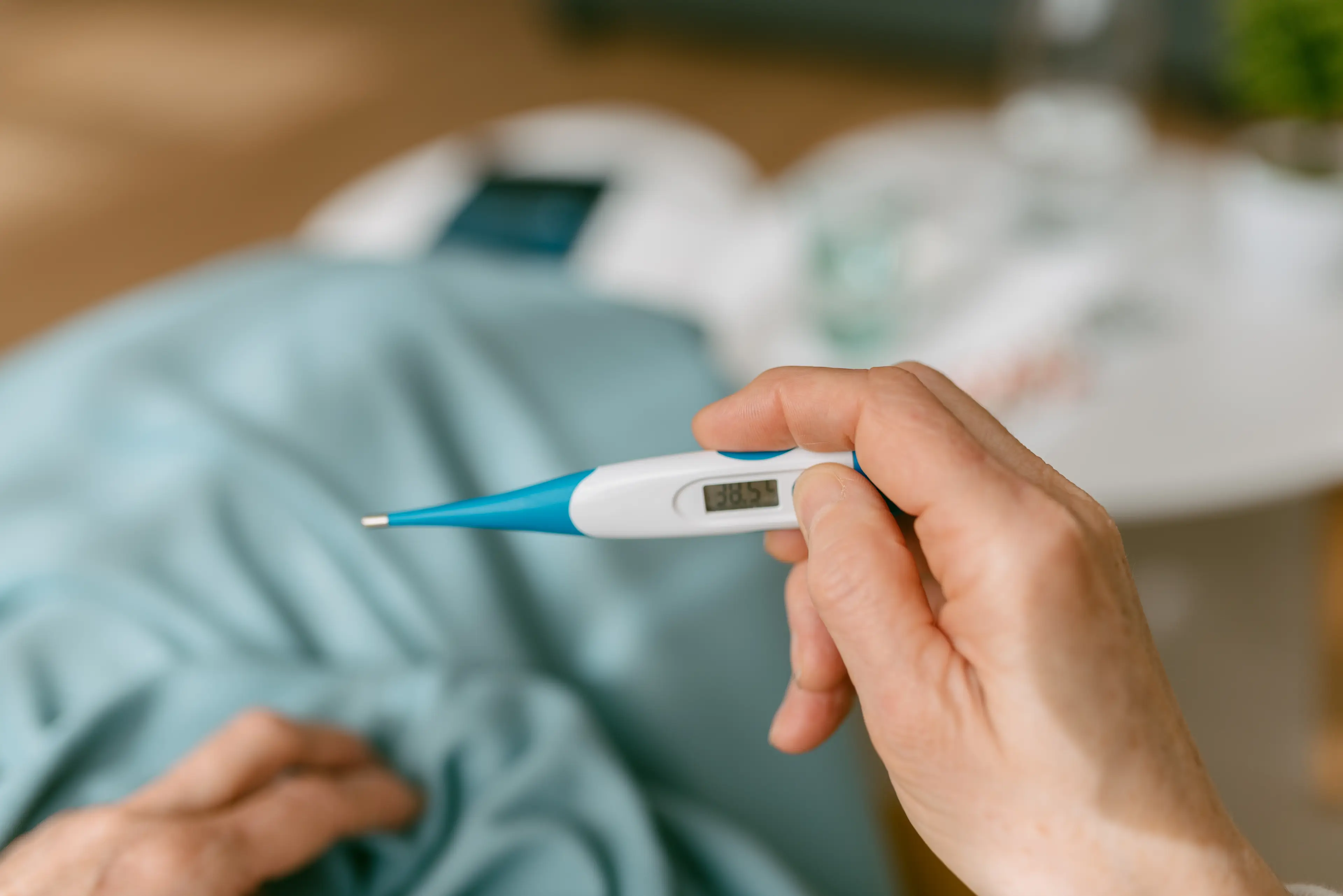
Other symptoms can include a loss of smell or taste, fatigue, headache and gastrointestinal symptoms.
Asked whether symptoms of Cicada would make patients more unwell than other Covid strains, epidemiologist Dr Syra Madad told HuffPost: "That’s really the big question with any Covid variant at this point.
"So far, there is no evidence that it is causing more severe illness on a population level."
Topics: Covid-19, Health, Life, Real Life, True Life, US News, News, World News, UK News
 Rhianna Benson