
Pregnant woman issued warning over 'black sky event' as families urged to take extra precautions

A warning has been issued about how a potential ‘black sky’ event would affect pregnant women and families with young children.
While it’s important to stress that there’s no actual threat right now, the UK is currently preparing for the possibility of a hypothetical catastrophic, long-duration failure of critical national infrastructure, usually involving a prolonged loss of electricity.
This could then have a knock-on effect on other essential services, such as heating, water, internet, mobile communication and banking.
The UK Government's Be Ready campaign, launched on 22 October, has issued advice to households, encouraging them to keep at least three days' worth of essential supplies at home, in case of an emergency like this.
Advert
And now, a preparation expert has explained to Tyla what a ‘black sky event’ would look like for pregnant women and families with young children, and has advised on the best way to prepare.
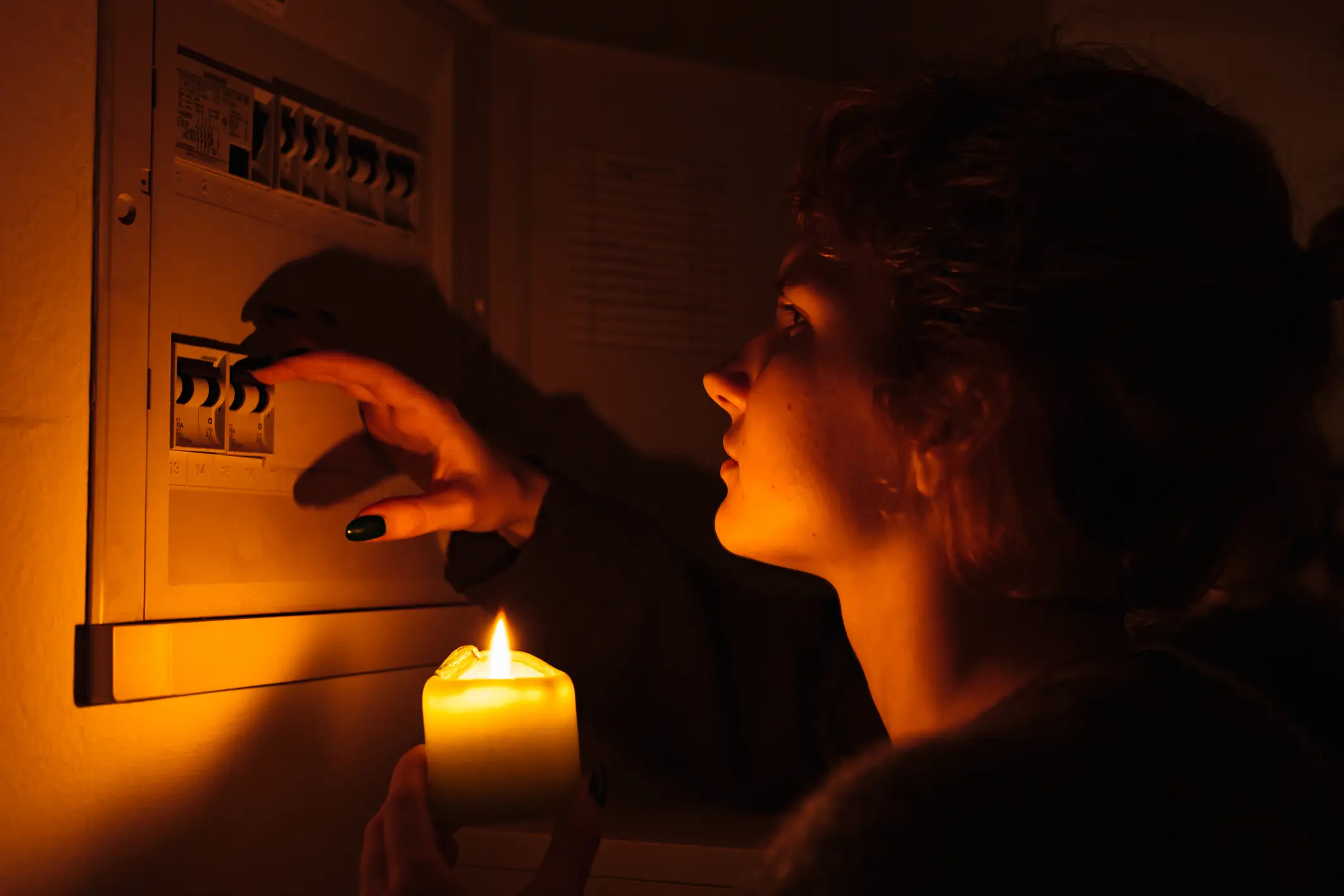
How would a black sky event affect pregnant women and families with newborns?
Darren Rhodes, founder of UK Prepper Hub, explained: “A black sky event is a nationwide power failure lasting days rather than hours. For most households it’s cold, dark and inconvenient.
“For a family with a baby, or someone heavily pregnant, it’s the small everyday routines that suddenly stop working: the kettle, the steriliser, the bottle warmer, the baby monitor, the phone you’d use to call the midwife.”
He added: “Hospitals are built to keep running on backup generators, so maternity units would still be working, though everything around them would be harder.
“Traffic lights would be out, petrol stations couldn’t pump fuel, mobile networks would start to fail after a few hours as the masts’ backup batteries ran down, and many homes now have digital landlines that don’t work in a power cut either.”
The expert advised: “So plan the journey in advance: know the route without satnav, keep the car’s fuel tank at least half full, and agree a back-up way to reach someone if the phones go down.”

How can people prepare?
For parents of newborns, ‘feeding is the big one, and sterilising is the bit people forget’.
Rhodes explained: “Making up formula safely normally means boiling the kettle, and the steriliser plugs in. Ready-to-feed formula in cartons needs no water and no boiling, so keep a few days’ worth in the cupboard, along with enough clean bottles to get through them.
“Cold-water sterilising tablets will clean bottles without any power at all. Breastfeeding carries on as normal, which is one less worry, but any expressed milk in the freezer will need using or protecting once the freezer stops.”
He warned that warmth matters more for babies than adults, because they can’t regulate their temperature well, so it’s important to ‘dress them in layers, keep them in the warmest room of the house, and stick to safe-sleep advice: no hot water bottles, electric blankets or loose duvets in the cot, even when it’s cold’.
Finally, pregnant women should keep a paper copy of their maternity notes and important numbers, such as the midwife, maternity triage, and the hospital.
He added: “If you’re in the later weeks, have your hospital bag packed early and know how you’d get there.”

Items to stock up on
- Ready-to-feed formula and enough clean bottles, plus cold-water sterilising tablets
- Nappies and wipes for at least a week
- Infant paracetamol and ibuprofen, and a thermometer that works on batteries
- Warm layers, sleepsuits and a baby sleeping bag
- A head torch: night feeds and nappy changes in the dark are much easier with both hands free
- A charged power bank for your phone
- Paper copies of maternity notes and key phone numbers
- For pregnant women, a few days’ supply of any prescribed medication or supplements
The expert reassured that it’s nothing dramatic or to panic about; it would more be ‘a slow, cold few days: lights off, no heating if your boiler needs electricity (most do), no hot water, no card payments and patchy phones’.
He concluded: “Not dramatic, just hard going with a newborn, and much easier if you’ve thought about it beforehand.”
 Madison Burgess