BBC reveals its eerie emergency plan for UK incase of ‘black sky event’

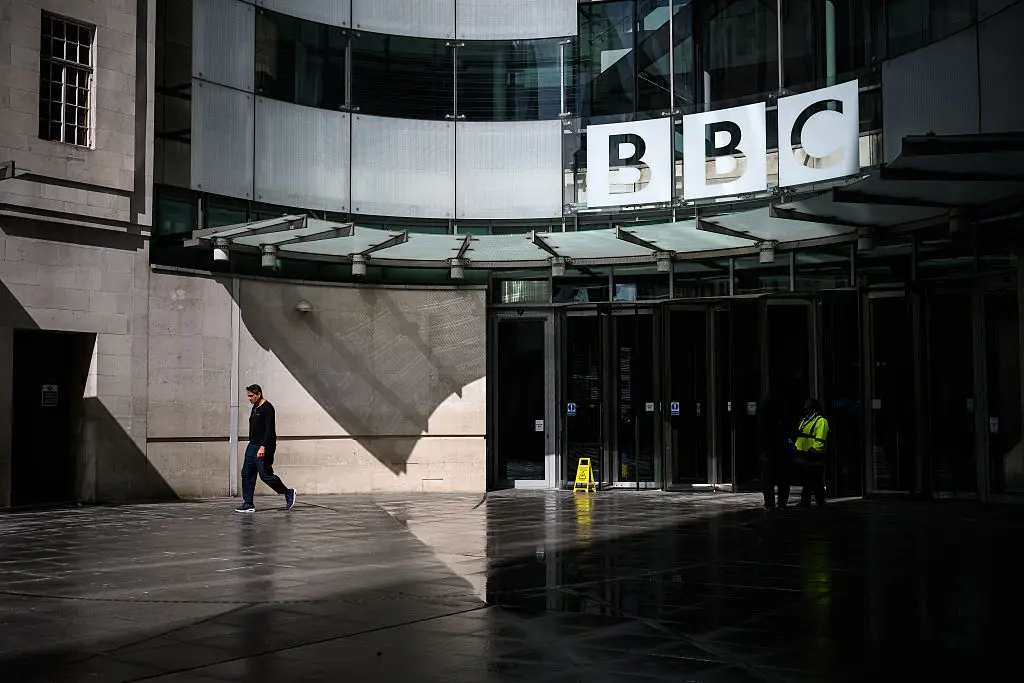
The BBC has unveiled its secret contingency plans in case of a catastrophic ‘black sky’ event in the UK.
For those who are unfamiliar with the scary concept, a ‘black sky' event defines a scenario in which there’s a severe and widespread disruption to critical infrastructure, usually involving a prolonged loss of electricity that would have consequences for travel and communications.
It comes after the Government released a Be Ready list, urging British households to stock up on a basic emergency kit and a plan to manage on their own for 72 hours during events like severe weather, power cuts, or other disruptions.
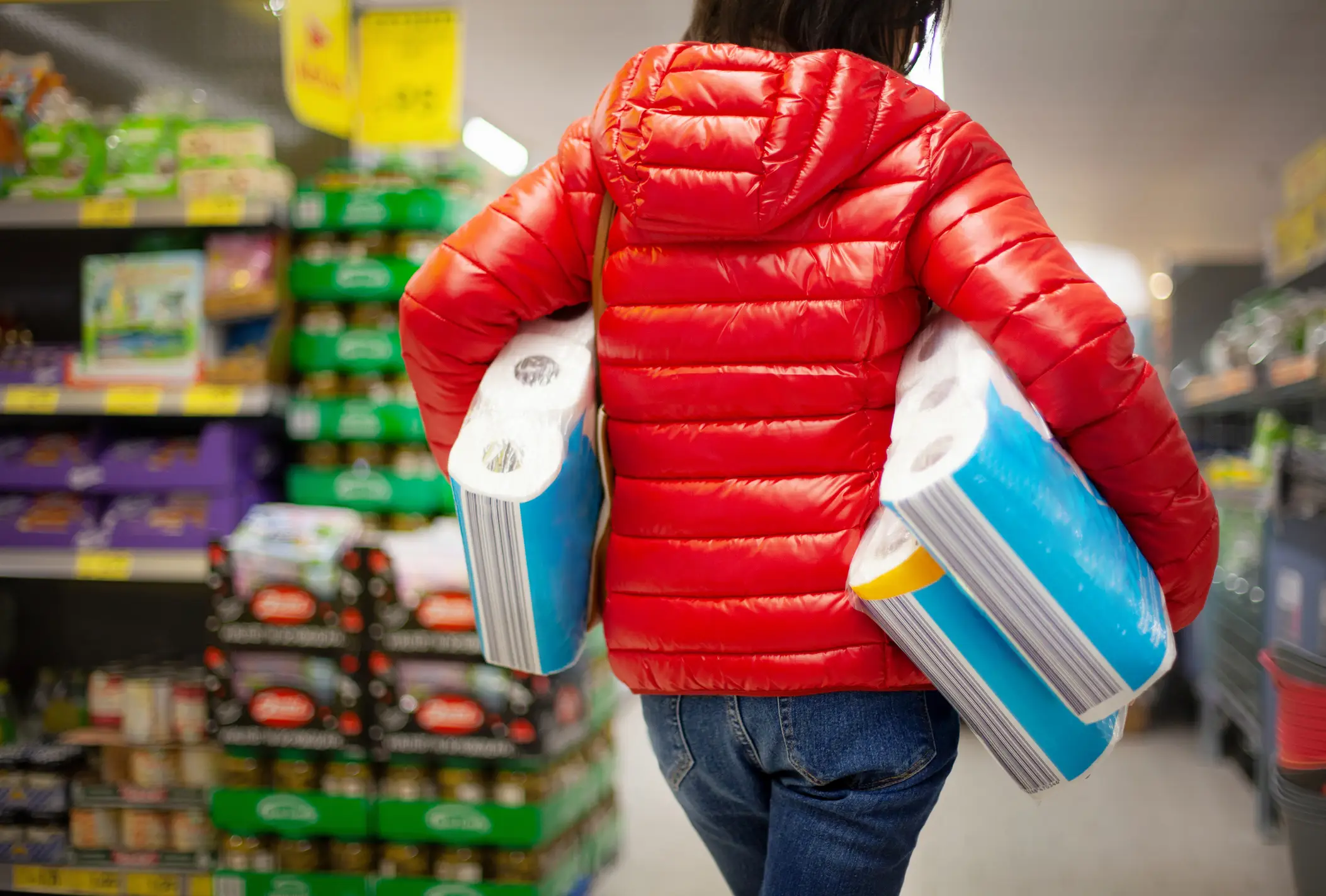
Now, before everyone starts building bunkers in their back garden and purchasing copious amounts of toilet roll, it’s important to note that this doesn’t mean an actual emergency is happening right now.
Advert
There’s no specific threat - instead, it’s about making sure we are ready in case something does happen. Make sense?
The BBC’s media and arts correspondent, David Sillito, wrote: “Only a small number of staff know the full details, but from what I have gleaned, about 100 people in the BBC will run a special emergency radio studio.”
The studio in question will have secure lines of communication that don’t depend on the internet, as well as enough fuel, water, and food to make sure it can operate for at least three days.
The Beeb will also broadcast pre-arranged Government messaging, and it seems the broadcaster is extra prepared, as the scripts have been published online.
Other information will also be broadcast via satellite vehicles from a number of BBC journalists stationed at emergency centres around the UK, which will continue as long as the diesel lasts.
The BBC’s broadcasts will be sent using radio transmission towers, which are isolated from the internet and equipped with tanks of between five and 40,000 litres of diesel to keep their generators going for three days.
Finally, the teams will use satellite phones to keep in touch with each other. If these stop working and all else fails, apparently there are pre-agreed protocols for what to do, and established meeting points.
It comes after the Government published instructions on how much people should be drinking each day and how to dispose of toilet waste without flushing the toilet, which is something no-one really wants to be thinking about, let’s be honest.
As reported by The Express, the Government advice suggests that people should have plastic bags, a bowl, and soap readily available at home for this task.
The instructions read: “You will not be able to flush the toilet. Do not try to in any way as the sewage system will not be working.
“You should collect your poo in plastic bags, which should be sealed and disposed of with normal household waste, ideally in an outside bin. Do not use water for showering or bathing, save it for drinking, handwashing and preparing food."
It continues: "If anyone in your house has diarrhoea, keep a separate bowl of water and soap or disinfectant for them to use to wash their hands.
"Washing your hands with soap and water is more effective at killing all germs than hand sanitiser, so use soap and water wherever you can and use hand sanitiser if it's the only thing you have."
You can find the full Be Ready advice on the UK Government website.
The government’s recommended supplies include:
- Battery or wind-up torch
- Charged power bank
- Battery or wind-up FM radio
- Spare batteries
- Three days' worth of bottled water
- Three days' worth of non-perishable food that does not need cooking
- Essential medication
- First aid kit
- Hand sanitiser and wet wipes
- Ready-to-feed baby formula, nappies and wipes, if needed
- Pet food and bottled water, if needed
- Blankets, sleeping bags and warm clothing
- Cash in a mixture of coins and notes
- Copies of important documents
- Printed emergency contact numbers
 Madison Burgess