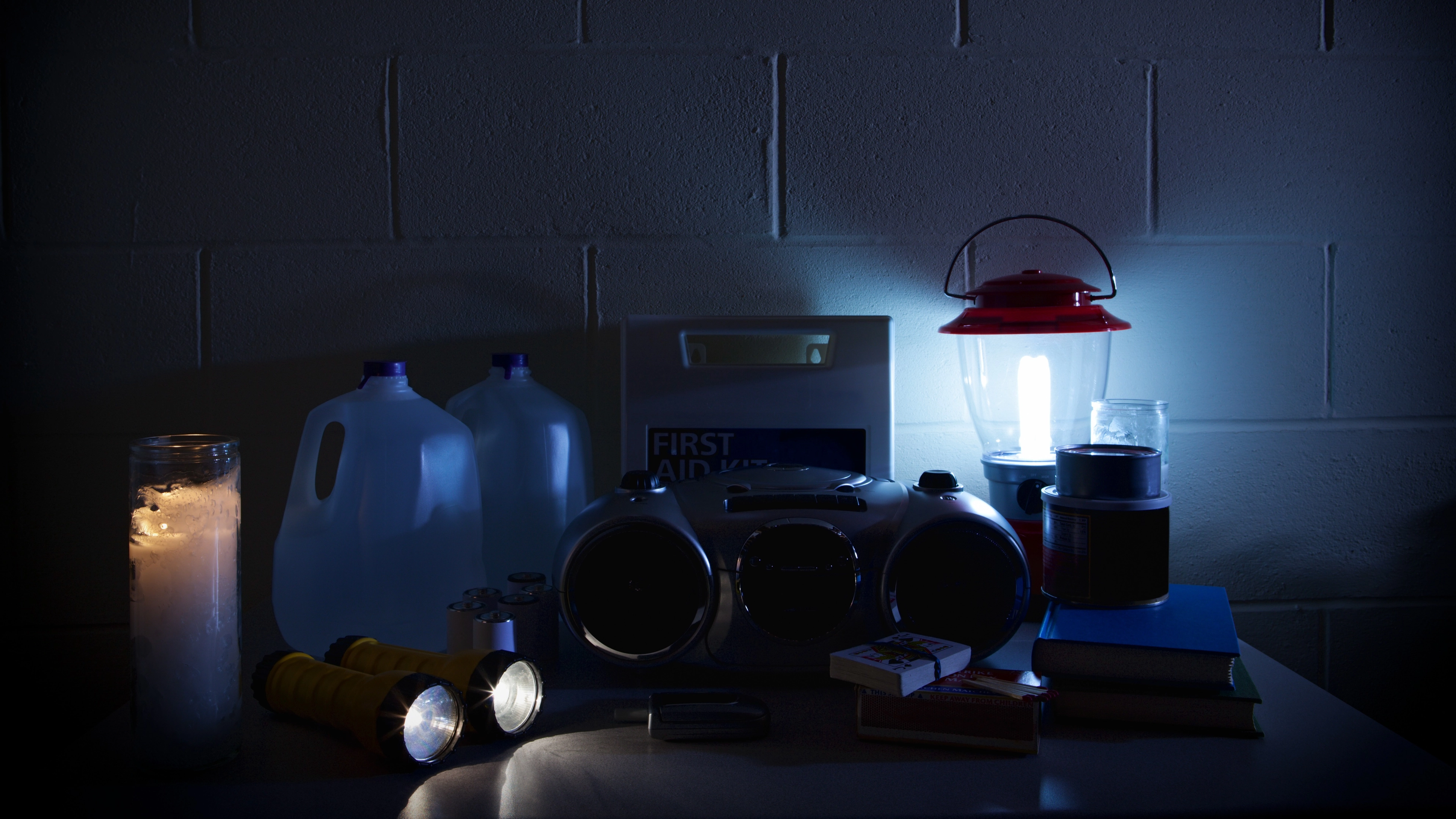
How Brits should prepare for 'black sky event' as BBC reveals its eerie emergency plan for UK

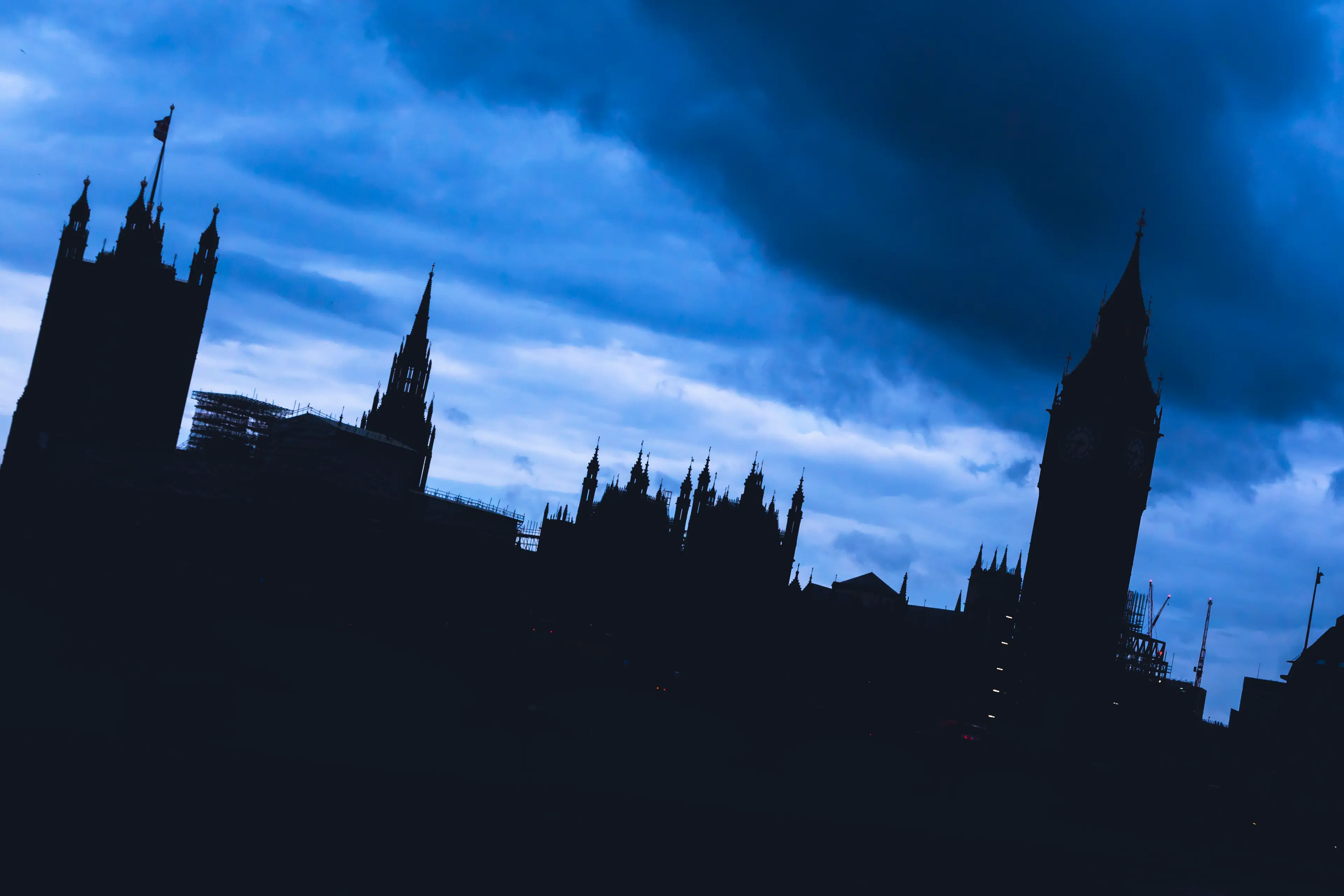
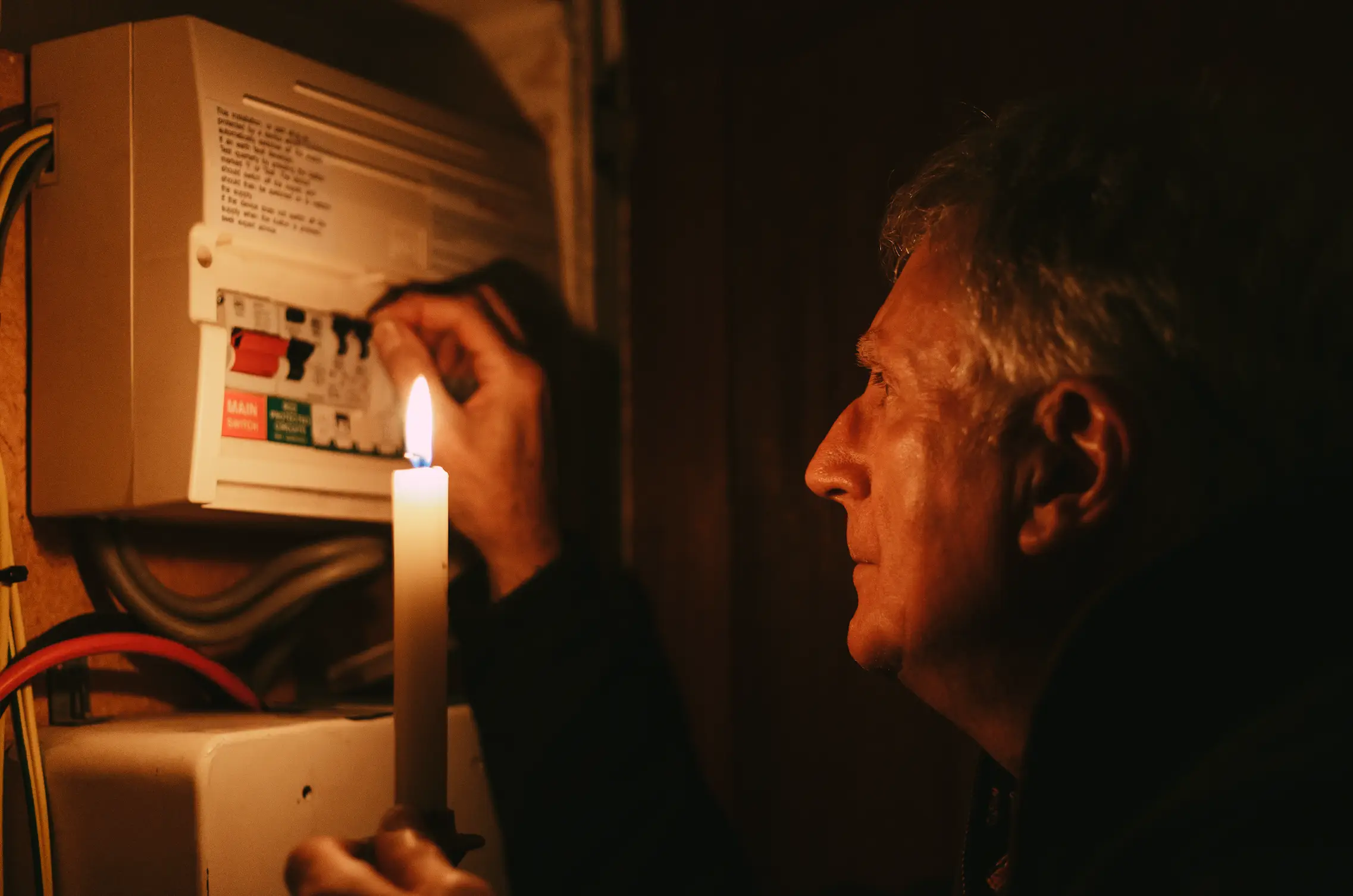
Brits have been warned about the possibility of a terrifying 'black sky event' - but in the midst of the panic, experts are raising awareness of some simple things you can do at home to prepare for one.
It comes after the BBC revealed its rather eerie contingency plans for what would happen if the UK was plunged into a prolonged, nationwide blackout.
According to the BBC's media and arts correspondent David Sillito, around 100 specially selected staff would be responsible for running a dedicated emergency radio studio, designed to keep the public informed if the country's usual communications infrastructure failed.
As previously reported, a 'black sky event' describes a catastrophic failure of critical infrastructure, particularly the electricity grid, which could leave millions of people without power, running water, internet access and even the ability to make card payments.
Advert
And while it might sound like something straight out of an apocalyptic film, the British Government has stressed that a total national power outage is considered very unlikely.
Instead, its Be Ready campaign encourages households to prepare for potential emergencies by having enough essential supplies to manage for at least 72 hours.
'But, what exactly should you be keeping at home?' I hear you ask.
Well, according to advice highlighted by Country Living, the first thing households should think about is having enough drinking water to last three days.
So, food and drink?
The Government recommends around three litres per person per day, meaning a household of two would need approximately 18 litres to cover 72 hours.
You'll also want to consider having some extra water available for cooking and washing.
In terms of food, Brits are also being told that stocking up on non-perishable items that don't require cooking is particularly important, especially if electricity and gas supplies are affected.
Think tinned food, long-life milk, oats and nut butters - and don't forget a manual tin opener.
What about household necessities?
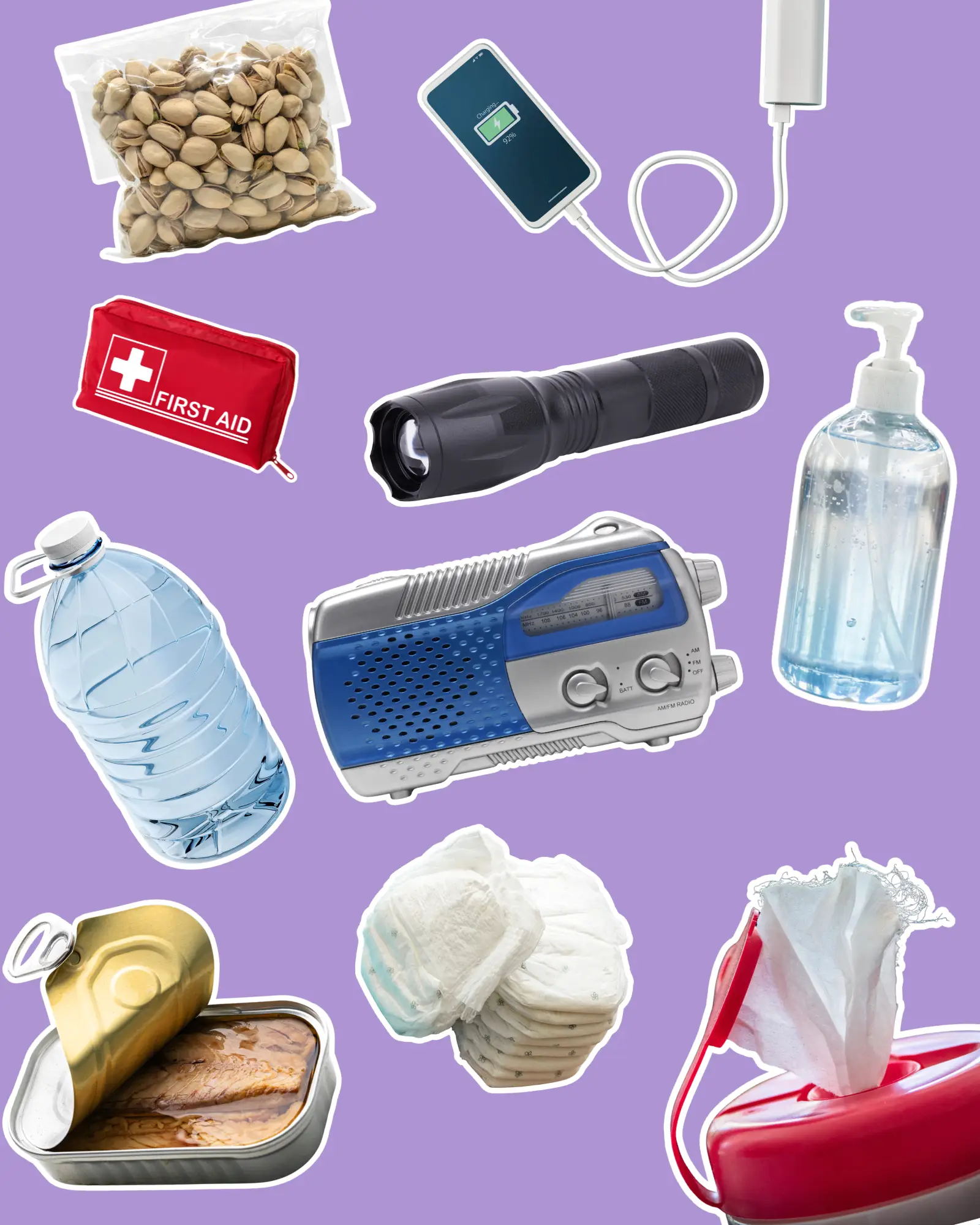
Other essentials worth having at home include:
- A torch and spare batteries
- A battery-powered or wind-up FM radio
- A fully charged power bank
- Blankets, sleeping bags and warm clothing
- Some cash, ideally a mixture of notes and coins
- A basic first-aid kit
- Essential medication
- Hand sanitiser and wet wipes
It is also worth keeping a written list of important telephone numbers, regular medications and their doses, as well as the radio frequencies you might need to tune into for updates.
After all, if your phone runs out of battery or mobile networks stop working, having everything stored digitally might not be much help.
Pets, too?
Of course, your emergency supplies will depend on who lives in your household.
If you have young children, you'll want to make sure you've got enough nappies, wipes and ready-to-feed baby formula.
Pet owners should also think about having sufficient food and bottled water for their furry friends.
And if anyone in your household relies on powered medical equipment or a personal alarm, it's particularly important to speak to their provider or care team about what would happen during an extended power cut.
Experts also recommend checking whether you are eligible to join the Priority Services Register.
This allows utility companies to identify customers who may need additional support during interruptions to their services. Eligibility can include people with medical needs, as well as some households with children under five.
How would Brits get information during a blackout?
One of the biggest concerns surrounding a black sky event is how people would receive important information if their usual communication methods stopped working.
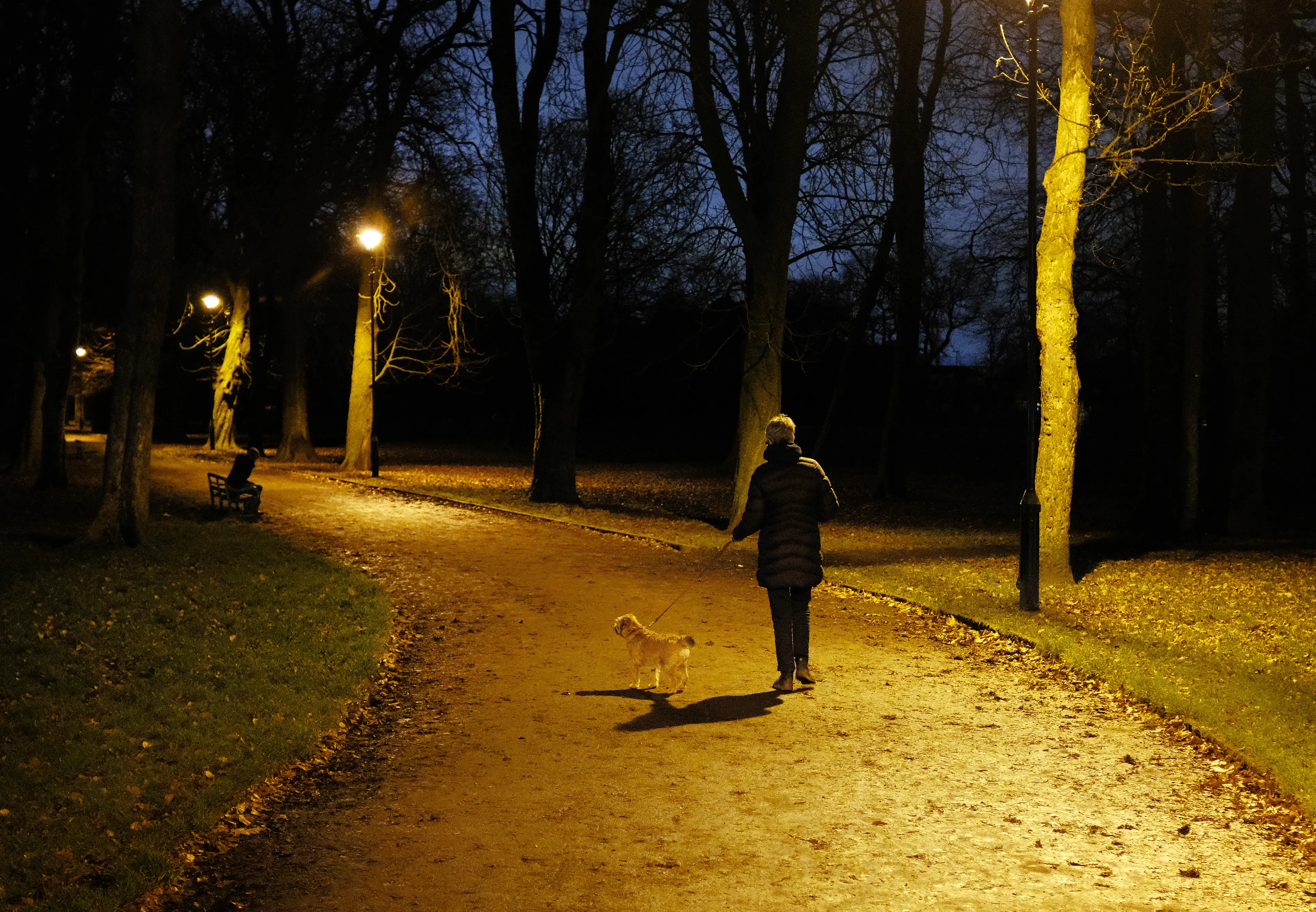
Fortunately, radio could play a crucial role.
The Government says important public health advice would be communicated through BBC Radio 2 and Radio 4, which it identifies as the most power-resilient way to reach people during a national outage.
This is where having a battery-powered or wind-up radio at home could prove particularly useful.
The BBC has also reportedly been preparing its own emergency broadcasting arrangements, including a dedicated radio studio and backup communications, to help keep the public informed.
As previously revealed, around 100 staff could operate the emergency studio, which would have enough supplies to function for at least three days.
But the broadcaster's preparations go much further than simply having a backup studio.
According to Sillito, the emergency facility would have secure communication lines that don't rely on the internet, alongside enough fuel, food and water to keep it running for at least 72 hours.
The BBC would also broadcast pre-arranged Government messages, with the scripts already published online.
Meanwhile, BBC journalists stationed at emergency centres around the UK would be able to send information back using satellite vehicles, allowing reports to continue reaching the public for as long as their diesel supplies lasted.
Even the radio transmission towers have been factored into the plans. These are isolated from the internet and have diesel tanks ranging from 5,000 to 40,000 litres to power their generators for up to three days.
Staff would also use satellite phones to communicate with one another. And, in the event that those failed too, the BBC reportedly has pre-agreed protocols and designated meeting points in place.
Do Brits need to panic-buy supplies? Apparently not.
Essentially, the Government's Be Ready campaign is about being prepared for a range of possible emergencies, not suggesting that a nationwide blackout is about to happen.
Experts are keen to emphasise that households should build their supplies gradually, making use of things they already have rather than rushing out to buy everything at once.
It's worth checking your emergency supplies regularly, too, to make sure food hasn't expired, batteries still work and medication is in date.
The idea is to have a few important things ready should you ever need them - hopefully without ever having to use them.
Topics: UK News, News, Science, Technology
 Rhianna Benson