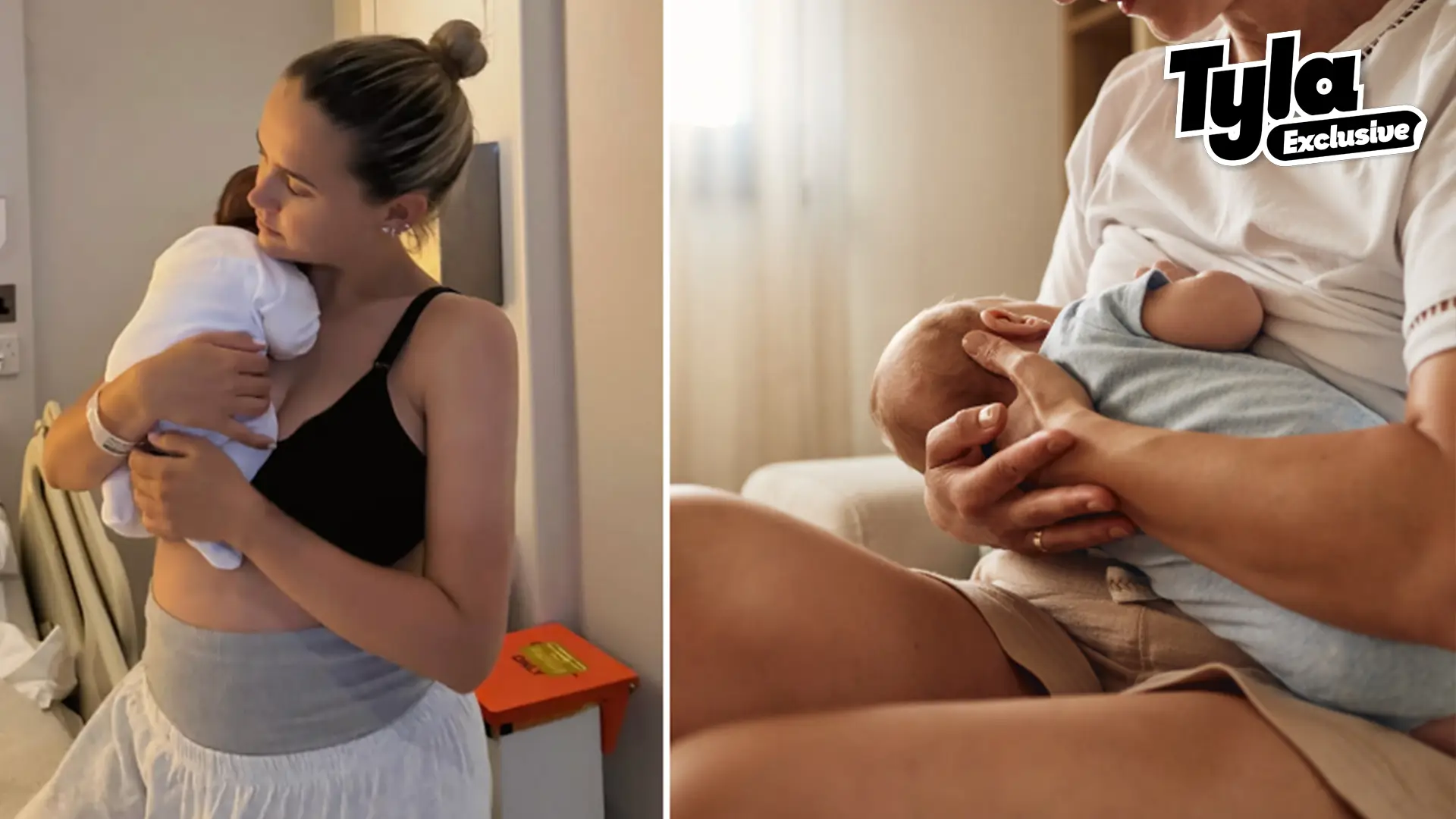
Molly-Mae's very honest breastfeeding confession prompts professor to shut down common taboo

Molly-Mae Hague has never been one to shy away from the harsh realities of motherhood, and her latest admission has seemingly struck a chord with mums all around the world.
In her latest YouTube vlog, the British influencer confessed she has stopped breastfeeding her son, Midas, after three weeks, claiming the experience was severely harming her mental wellbeing.
Molly-Mae welcomed her newborn in June with fiancé Tommy Fury, with whom she also shares a three-year-old daughter, Bambi.
"Update on the breastfeeding is that I have actually stopped breastfeeding now," the 27-year-old explained. "I’m still pumping because my boobs still need to release because it doesn’t just stop overnight.
Advert
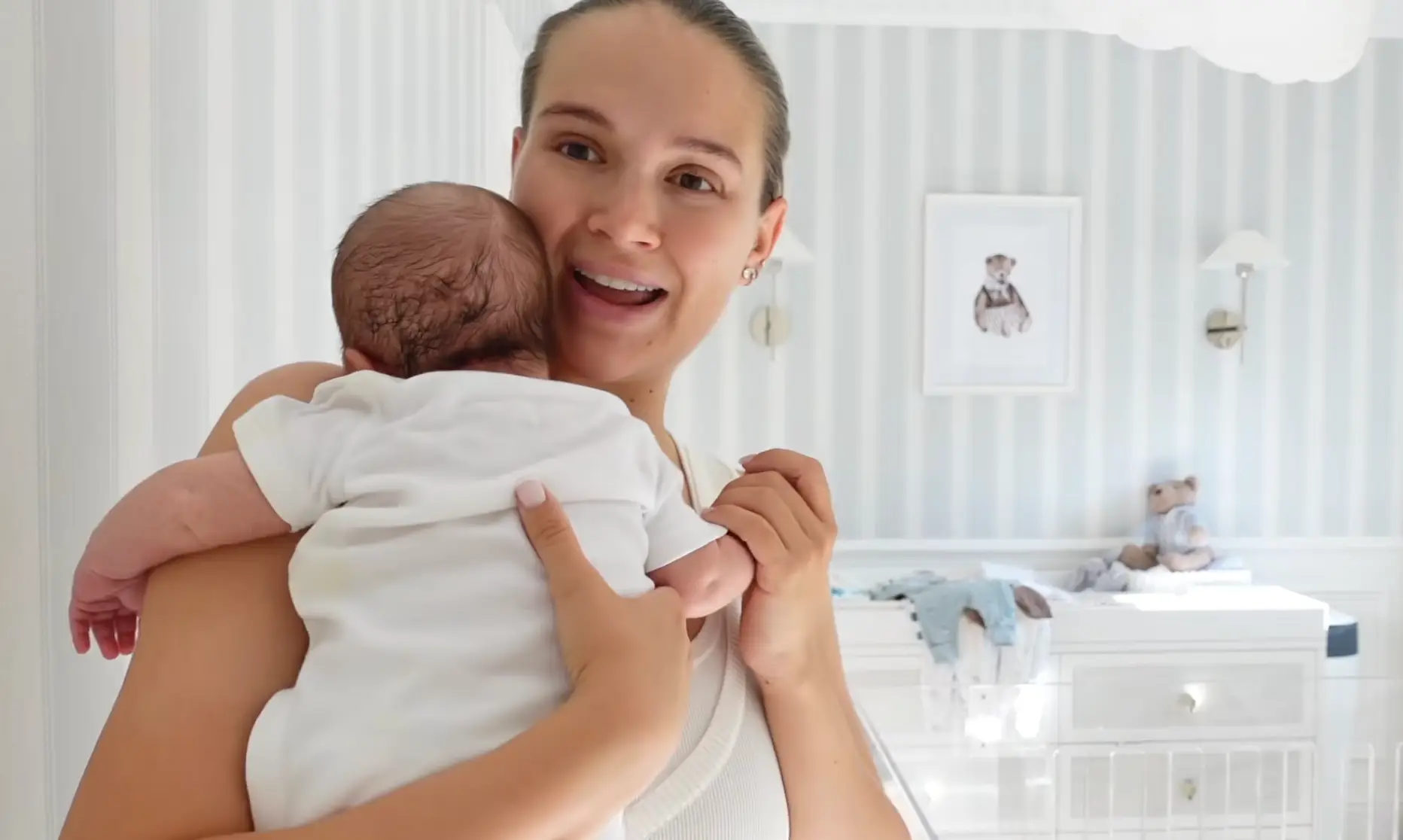
Molly-Mae's decision to stop
"But I actually just wanted to stop on a high and not get to a point where I resent it and just enjoy it - which was always my plan.
"I always said I want to leave it on a high. I want to remember these few weeks breastfeeding Midas as a really nice positive thing, which it has been."
The former Love Island star added that, as was the case with Bambi, Midas' feeds were dragging on for over an hour at a time - considerably longer than the advised 15-45 minute sessions (or 10-20 minutes per breast).
"I kinda got to a point where I was like, 'Ooh, I’m not really enjoying this that much anymore'," Molly-Mae continued. "Which, listen, it’s not always meant to be always enjoyable, the breastfeeding, like, you do it for them.
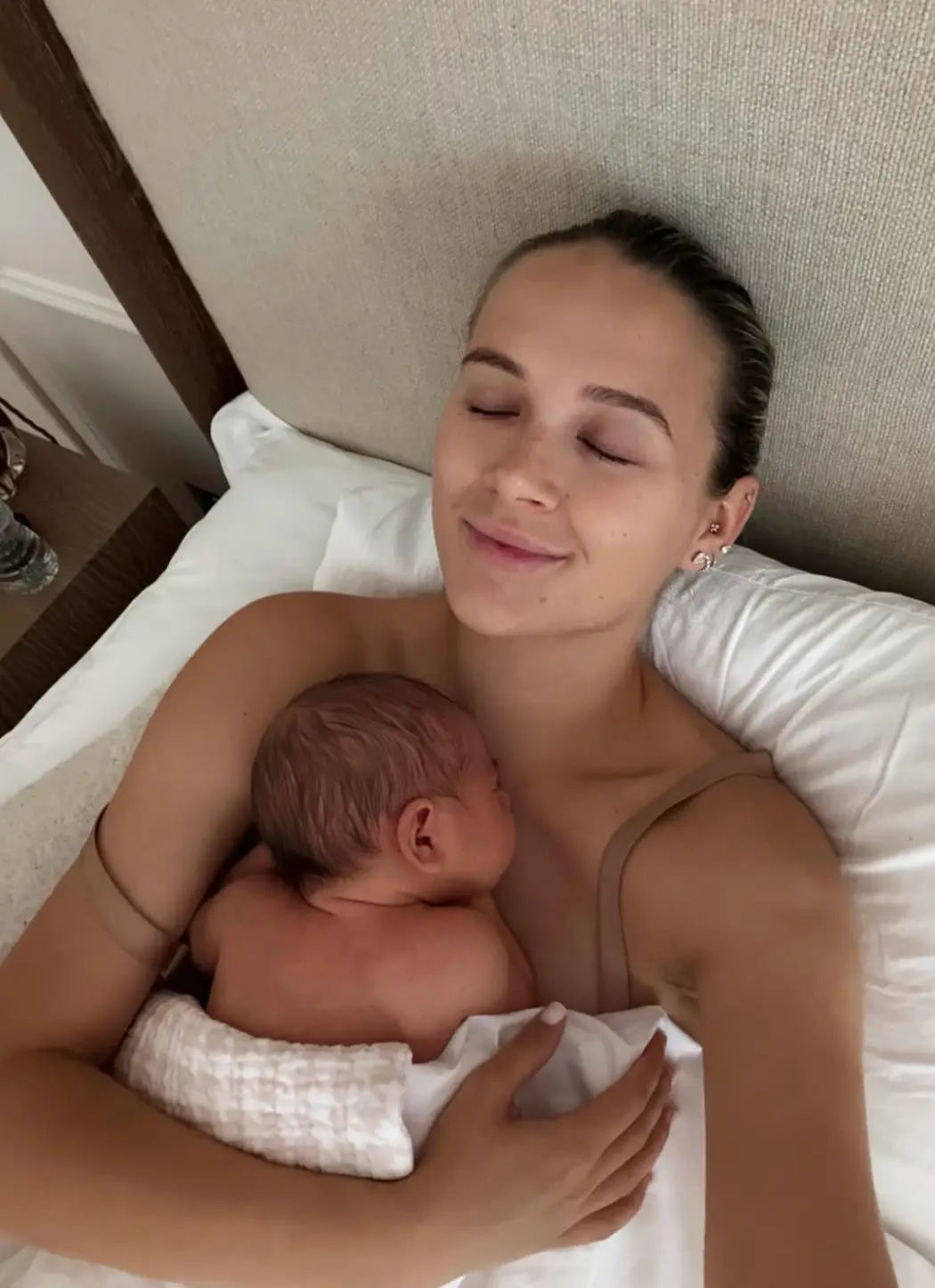
"But I'm really happy with what I did. It's more than I thought I'd be able to, to be honest. But I’m really happy that I’ve kind of left it on a high, and he's still having my breast milk via a bottle, mixed with a little bit of formula.
The guilt that followed
"It's going really, really well this transition over, and I'm feeling good about it."
Heartbreakingly, however, the mother-of-two claimed she was desperately trying not to overthink her decision, given the pressure many new mums face with regards to how long they 'should' breastfeed for.
"I think about it too much; I will end up feeling guilty and feeling sad and bad about it," Molly-Mae continued. "But like I say, it's way more than I thought I was going to do, I literally thought I would do, like, a day and then be like, 'Yeah, no. This isn’t good for me or my mental health'.
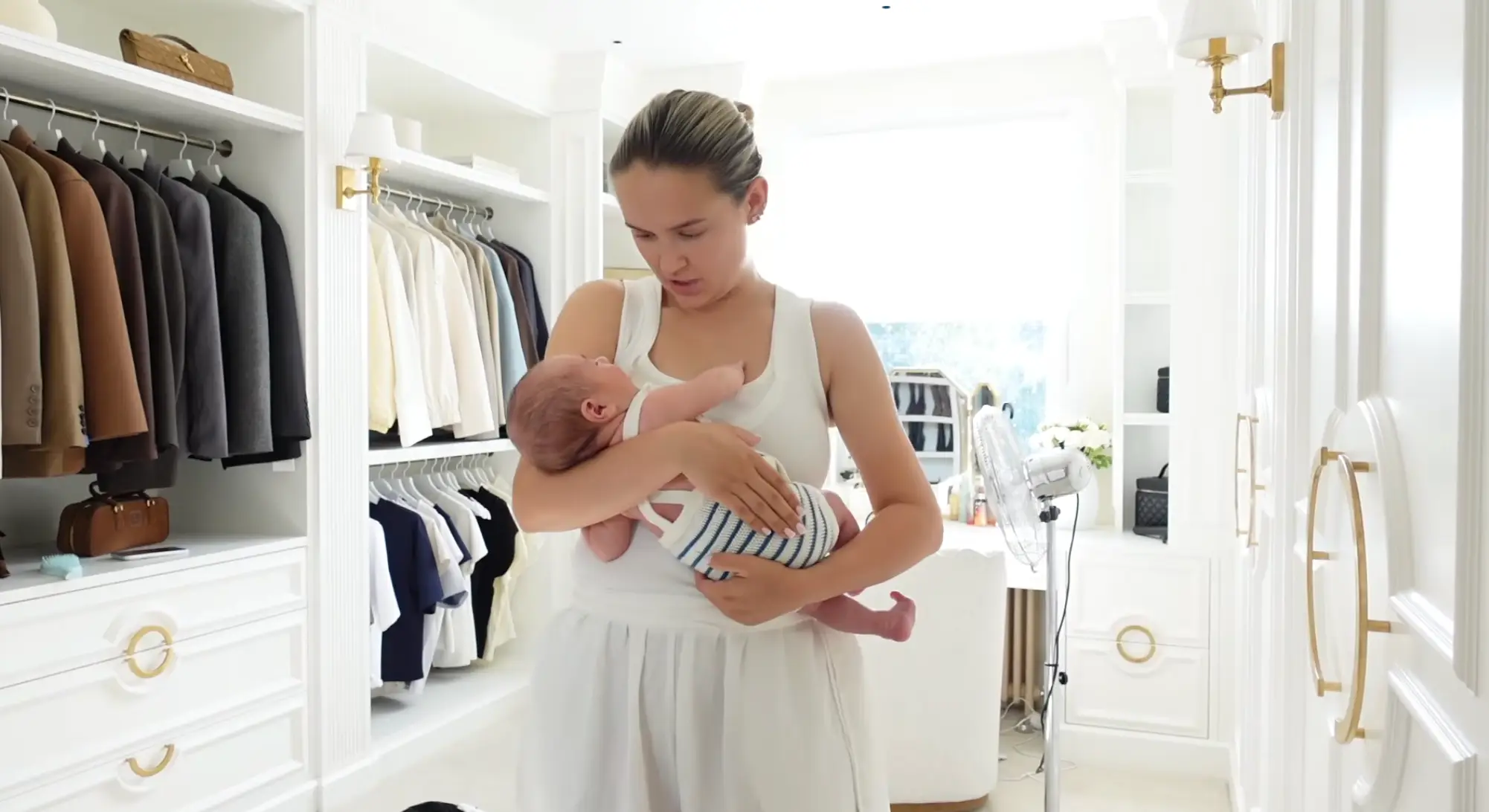
"So I’m really happy that I felt good doing it. And got two and a half weeks exclusive on the boob."
Many of Molly-Mae's subscribers were quick to support the Maebe boss' decision in the comments of the vlog, seemingly having recognised the sentiment that's often accompanied by feelings of judgement.
Not everyone showed compassion
Others, however, weren't as forgiving in their response.
"I'm so sorry, but I feel like it's so selfish to stop breastfeeding because you didn’t enjoy it," one wrote. "It's about your baby, not you."
Another added: "Don’t matter if you're breastfeeding or not, it takes time to even bottle-feed newborns."
The harsh response serves as a reminder of just how divisive conversations around infant feeding have become in today's society, with young mothers often criticised no matter what decision they make.
It's a culture that Maternal and Child Public Health Professor, Amy Brown, says needs to change.
"A lot of women blame themselves when they stop breastfeeding," she exclusively told Tyla. "Although breastfeeding can be a wonderful experience when it goes well, challenges are really common, but often women don't get the support they need.
'We're letting mothers down'
"They then end up blaming themselves when it doesn't work."
Brown added that the problem stretches far beyond the process of feeding itself, to long-standing taboos about child-rearing.
"We're not great at looking after new mums and helping them recover from birth, expecting them to bounce back and do it all," she noted.
"Many, like Molly-Mae, end up exhausted and overwhelmed and stop breastfeeding because they hope they'll get more support but end up feeling guilty and being judged when it's not their fault."
In fact, in her experience, one of the biggest misconceptions surrounding breastfeeding is that it can only prove worthwhile if continued for a certain time.
"It's definitely not the case that breastfeeding only counts if you do it for a certain length of time," Brown continued. "Your baby will have received antibodies that help set up their immune system through those early feeds.
'One myth needs challenging'
"We often focus on what we haven't done, but I encourage any mum feeling this way to think about all the feeds they have done and to hopefully find some positive memories in those feeds."
Brown hopes her comments will keep challenging the idea that mums have 'failed' if they cease to breastfeed after a few weeks - a feeling that many parents admit to experiencing, despite making the decision that is best for themselves and their family.
"I think how babies are fed is such a divisive topic because some people seem to love judging new mothers and women often feel so much pressure to do everything 'right' because they care about their babies so much," she said.
"Social media makes this worse. It's easy to compare yourself to others and for people you don't know to judge you."
Brown argued that, instead, the focus should be on supporting celebrity parents, rather than tearing them down.
A message for all mums
"When it comes to mental health and feeding, parents need to make the decision that is right for them, and everyone else needs to respect that," she went on. Nobody should be commenting on or judging how Molly-Mae feeds her baby, especially when they know nothing about her story.
"No one knows how difficult it can be for a mother and we should all be assuming she is doing the best for her and her baby."
She added: "If we are going to judge anyone, we should be judging the lack of proper investment in breastfeeding support and those who make it difficult for breastfeeding mothers.
"If we want women to breastfeed, we need to give them the practical and emotional support and care they need to do so."
Asked what advice she'd have for a mother still harbouring guilt for ending her breastfeeding journey, Brown concluded: "You are doing the best for your baby and your family in your circumstances. Your baby is loved and cared for."
Topics: Molly Mae Hague, Celebrity, UK News, Tommy Fury, Parenting
 Rhianna Benson