
Doctor addresses Jennifer Lawrence’s claim about ‘butthole changing’ after birth and explains what really happens

A women’s health GP has revealed that your butthole really can change after birth, after Jennifer Lawrence made a brutally honest admission about her own experience.
Now, we know that the Hunger Games actress, 36, isn’t one to shy away from taboo topics, and loves a good awkward conversation - and this might be her most candid admission yet.
Lawrence has two sons with her husband, Cooke Maroney - Cy, four, and a second son, whose name the couple has decided to keep private, who was born in early 2025.
Speaking to host Alex Cooper on the Call Her Daddy podcast on Wednesday (28 October), the A-List actress revealed the one body part that hasn’t ‘bounced back’.
Advert
When asked which part of birth she was ‘completely unprepared for,’ Lawrence very honestly admitted: "Your vagina will bounce back, your butthole won't.”
Cooper, who welcomed her first child with her husband Matt Kaplan on 20 October, but was heavily pregnant when the podcast was filmed, was understandably taken aback.

She responded: "I don't know if I needed to hear that before giving birth," before adding: "Wow, wow, Jen."
And it turns out, it’s actually not a unique experience.
Tyla spoke with Dr Nikki Ramskill, a women's health GP and the founder of The Female Health Doctor, who revealed that giving birth can ‘temporarily change the appearance and function of the anus and surrounding area, particularly following a vaginal delivery’.
She explained: “Having worked in obstetrics, I’ve seen firsthand the extent to which childbirth can affect the perineum, which is the area of tissue between the vagina and anus.
“It’s important to remember that the pelvic floor, vagina, and anus are all closely connected anatomically, so the effects of childbirth aren’t necessarily limited to the vagina itself.”
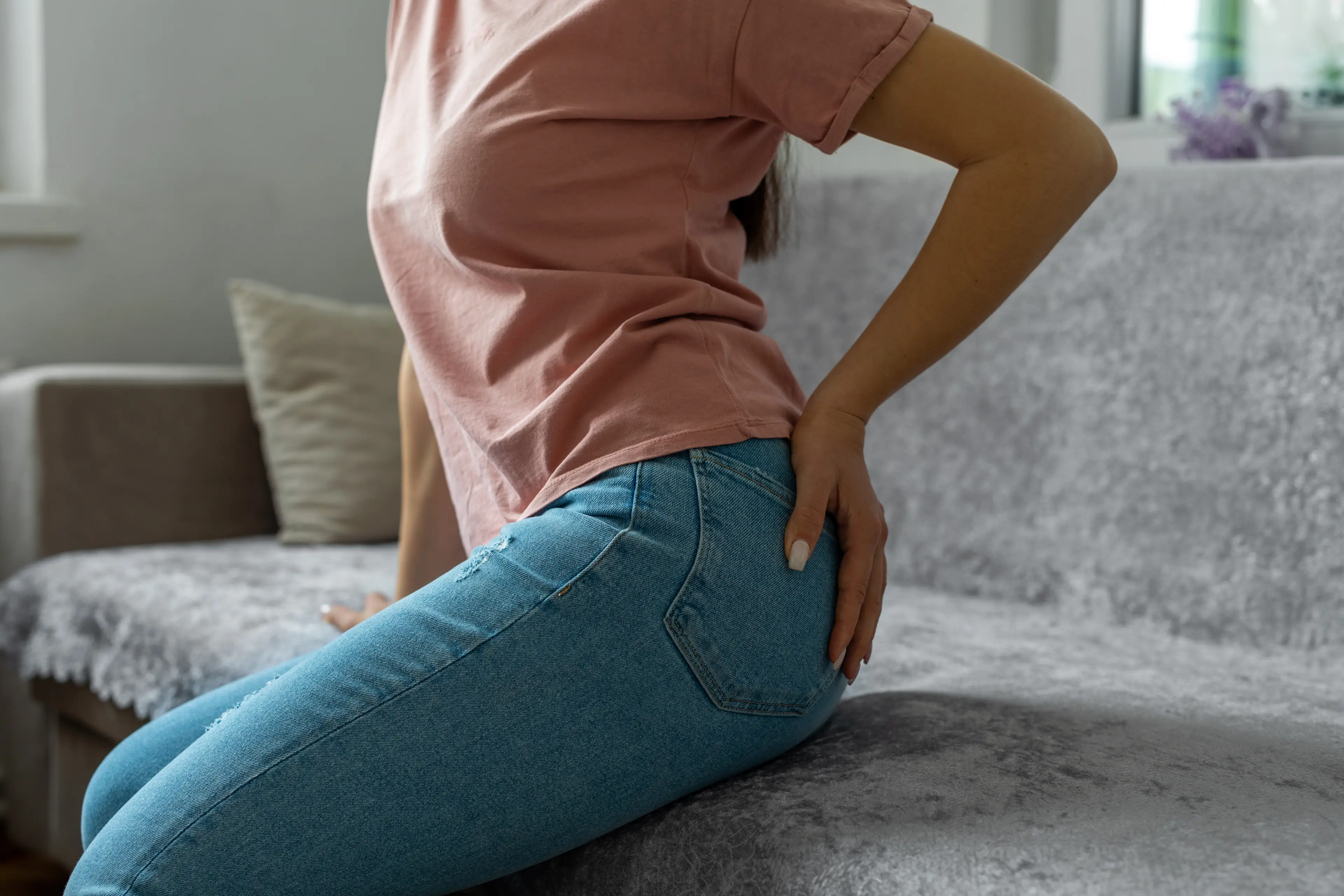
So, what exactly are these changes?
Dr Ramskill outlined that women may notice ‘swelling, bruising, soreness, haemorrhoids (piles), skin tags or changes in the appearance of the perineum and anal opening’.
Some women also experience difficulty controlling wind or, less commonly, bowel movements. Others may notice an increased sense of urgency when they need to open their bowels.
“This should only be temporary, and as the body heals, this should go back to normal,” the expert reassured.
She warned: “In more severe cases, childbirth can cause third-or fourth-degree perineal tears, which involve the muscles of the anal sphincter. A fourth-degree tear extends through the lining of the rectum.”
Adding: “I’ve seen some significant tears during my time working in obstetrics, and while they can look quite alarming, the good news is that most women recover well with appropriate surgical repair and follow-up care.”
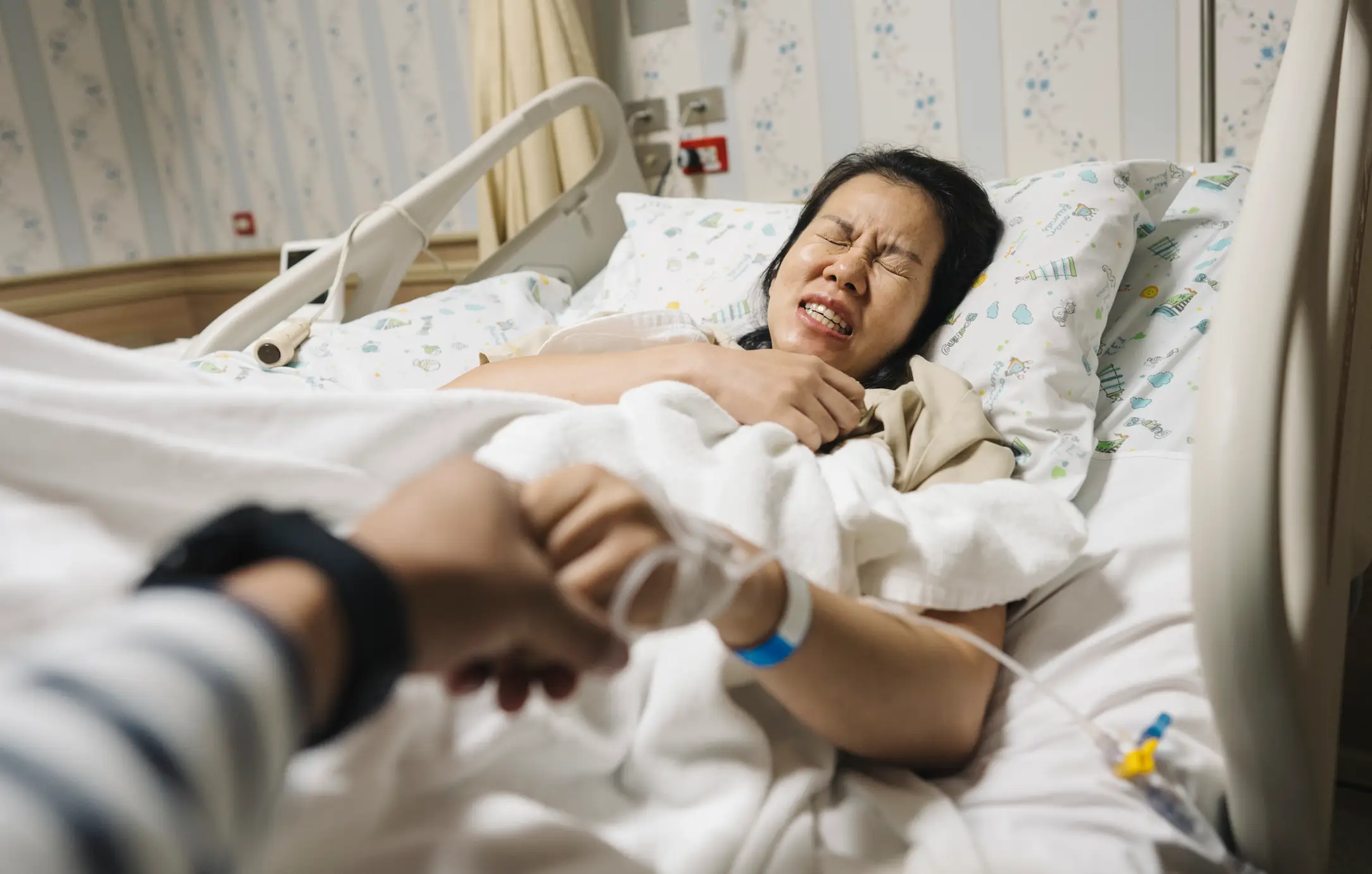
Why does it happen?
As for why this can be a common experience for women, Dr Ramskill explains that during vaginal childbirth, ‘the baby’s head places enormous pressure on the pelvic floor and stretches the tissues surrounding the vagina and anus’.
This can cause temporary swelling and bruising, but sometimes the muscles, nerves and connective tissues can also be injured.
The expert cautioned: “Prolonged pushing, a larger baby and assisted deliveries using forceps or ventouse (suction) can increase the likelihood of certain injuries.
“Haemorrhoids are also particularly common because pregnancy increases pressure on the pelvic veins, while constipation and pushing during labour can make them worse.”

How common is it, and is it permanent?
Dr Ramskill has reassured that some degree of perineal discomfort, swelling or haemorrhoids is very common following childbirth.
But, as for more significant injuries, these are less common, and in the UK, approximately 3 in every 100 women having a vaginal birth experience a third- or fourth-degree tear, although the risk is higher during a first vaginal delivery.
The expert told Tyla: “Thankfully, many of the changes women notice after childbirth improve over the following weeks and months as swelling settles and tissues heal.
“However, some women experience longer-term problems, particularly if the anal sphincter or pelvic floor muscles have been damaged.”
She urged: “One thing I really want women to understand is that just because a symptom is common after childbirth doesn’t mean it’s something they should have to live with.
“There are effective treatments available, including specialist pelvic health physiotherapy and, where necessary, further medical or surgical intervention.”
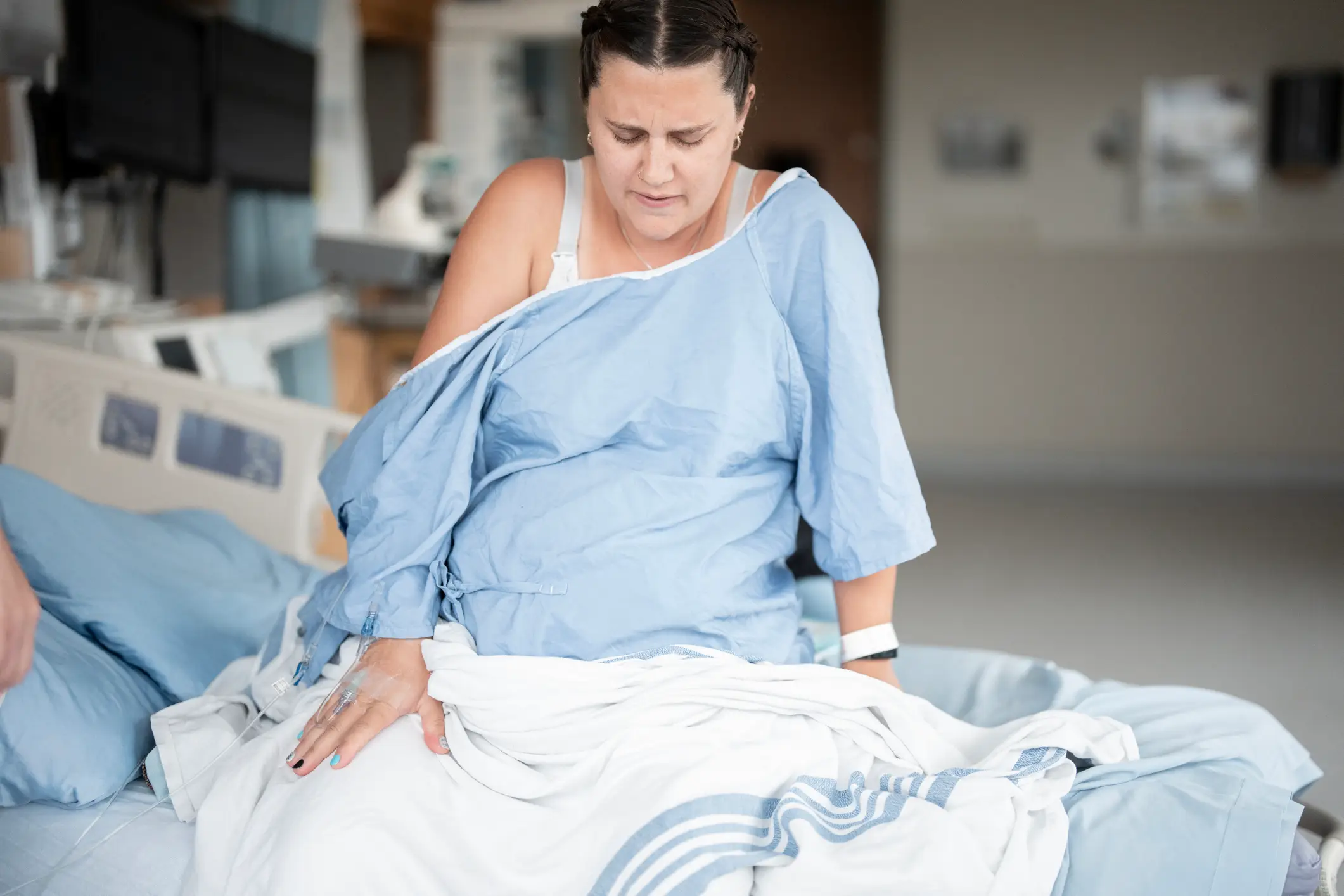
When should women seek medical advice?
Dr Ramskill advises seeing your GP or midwife if you’re experiencing ‘persistent anal pain, bleeding, difficulty controlling wind or stools, or an urgent need to open your bowels that you cannot control’.
She added: “They should also seek help if they notice stool passing through the vagina, or if they feel something simply hasn’t healed properly following childbirth.
“Severe or worsening pain, fever, or a wound that appears infected or is opening should be assessed urgently.”
She concluded: “I think we need to be much better at talking openly about these symptoms. We need to dedicate more time to looking after the core and pelvic floor for women after they have given birth. The traditional 6-week check doesn’t cut it in my view.
“Women are often understandably embarrassed to mention changes to their anus or bowel function after giving birth, but these are recognised medical issues, not something to feel ashamed of.
“My message to women is simple: childbirth can change your body, but you shouldn’t have to accept pain, incontinence or ongoing discomfort as the price of becoming a mother.”
Topics: Jennifer Lawrence, Women's Health, Celebrity, Pregnancy, Health, Podcasts
 Madison Burgess