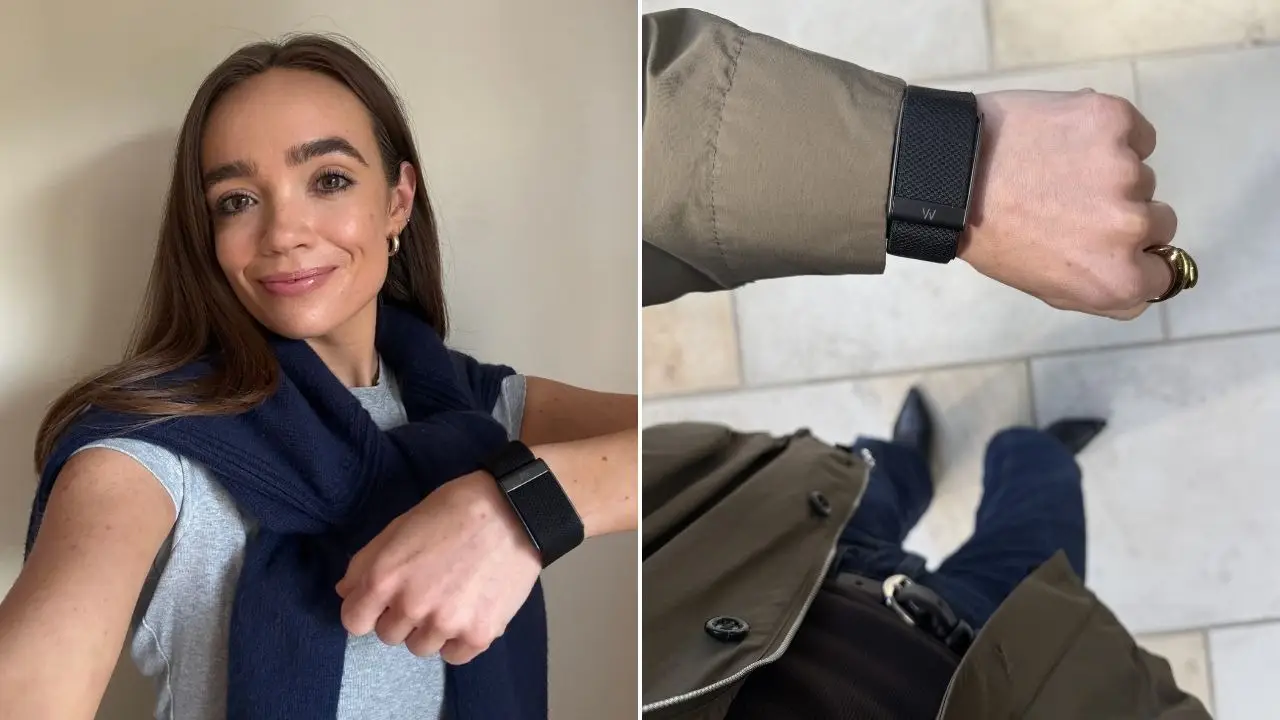
I wore this fitness tracker for a month and it taught me more about my body than my GP ever has

I'll be honest: when I first tried out the Whoop, I didn't love it straight away.
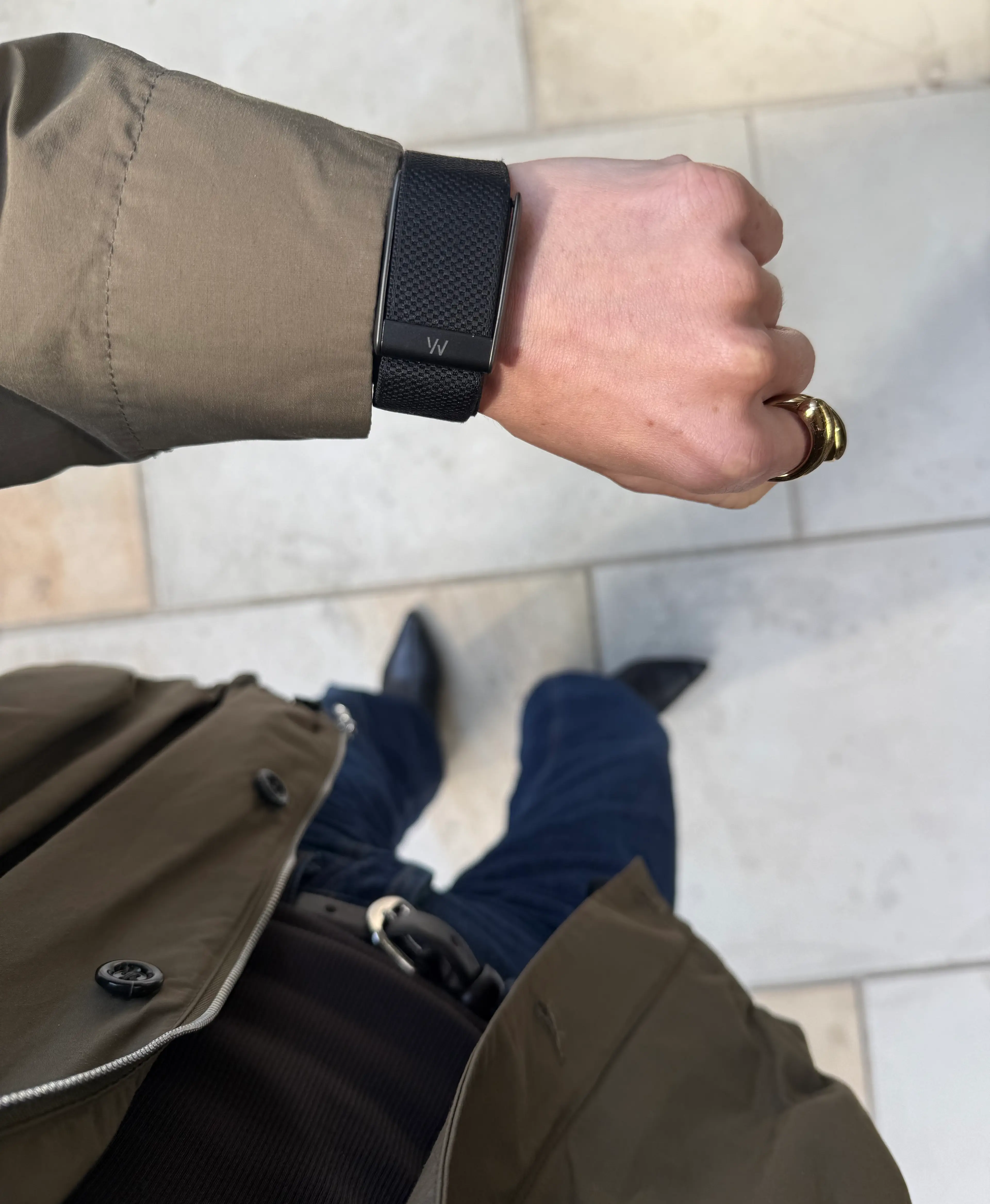
It looked chunky on my smaller wrists, and I couldn't help but feel like it wasn't designed with women in mind.
For those of you who don't already own one, Whoop Peak 5.0 offers a 24/7 window into your holistic health, helping users to track exercise, optimise sleep, and monitor recovery in real time.
Advert
The fitness tracker boasts impressive features that enable you to monitor everything from blood pressure and Heart Rate Variability (HRV) to stress levels.
In turn, the aim is to help users build healthier habits, whether you're training for a challenge or simply want to improve your sleep.
As a woman in my early thirties who prefers hot yoga and hiking to ultramarathons, I wasn't convinced I'd ever understand the hype.
But after a few weeks, something changed.
What is the Whoop?
Launched in May 2025, Whoop Peak 5.0 is the brand's latest instalment in its series of screenless fitness trackers.
Designed to offer detailed health and recovery insights without the distraction of a screen, it's a slimmer, more lightweight build than previous models.
It boasts a longer 14-day battery life with upgraded sensors for 24/7 sleep, stress and menstrual cycle monitoring.
The coolest part? The Whoop can be worn beyond the wrist with specialist activewear for discreet tracking on the move.

Is wearing a Whoop worth it?
As a long-term fan of the Oura Ring, I decided to see whether the buzz around the Whoop was really worth the investment, so I tested it for a month.
I was especially excited to try the app's menstrual cycle insights, which allows you to track your period and log symptoms day by day.
For those unfamiliar with the Whoop, the menstrual cycle insights feature is designed to help users adapt their diet, recovery and exercise routine in line with the different phases of their cycle, while also offering a better understanding of how hormonal changes can impact performance, sleep and recovery.
For years, I have struggled with PMS (premenstrual syndrome) with symptoms including headaches, bloating and period pain.
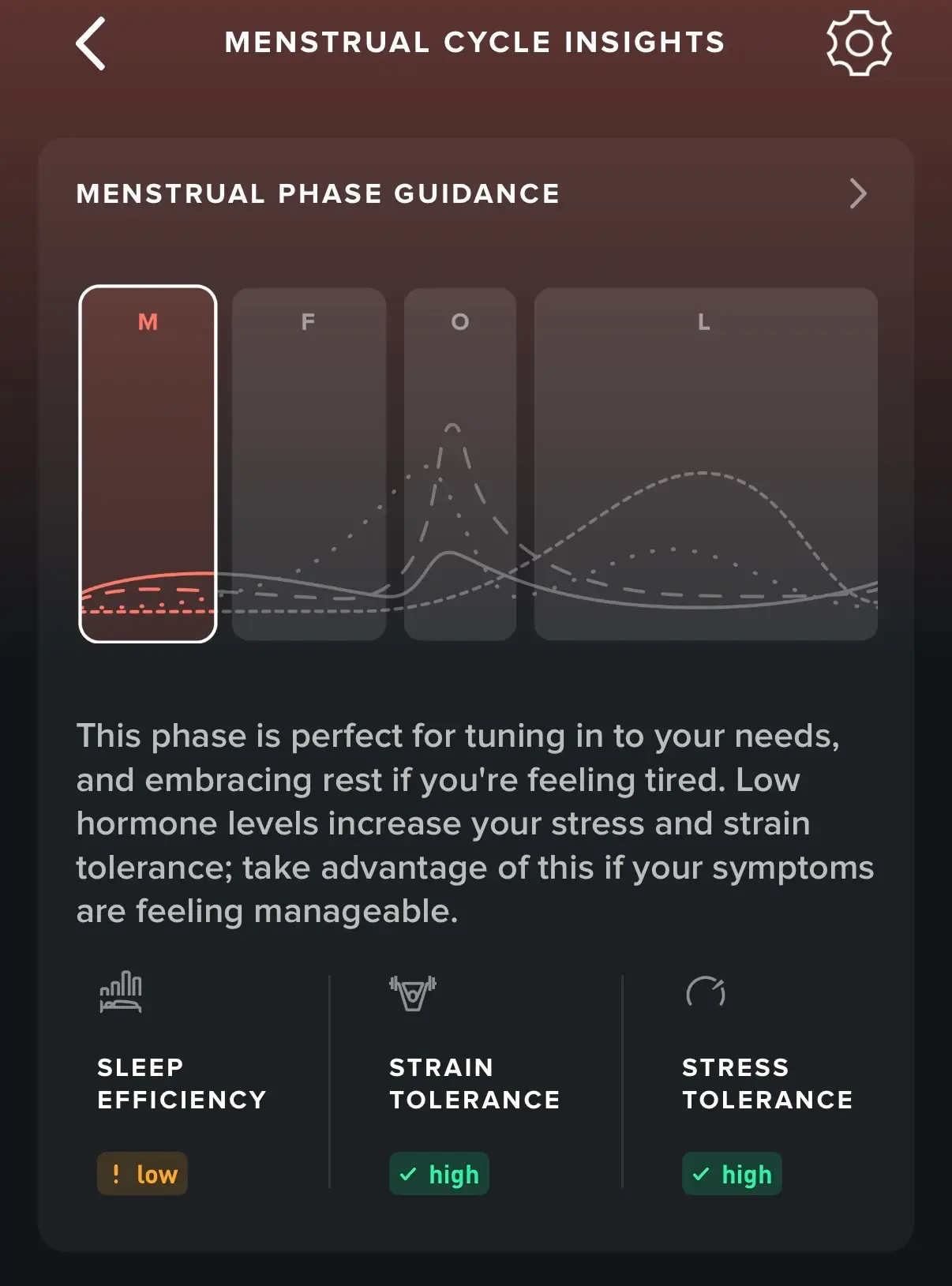
I was also recently diagnosed with Premenstrual Dysphoric Disorder (PMDD), which can cause severe mood fluctuations, and the device has helped me better understand my cycle.
Whoop told me what my body needed at different times of the month, whether it was a weekend lie-in or gentle movement.
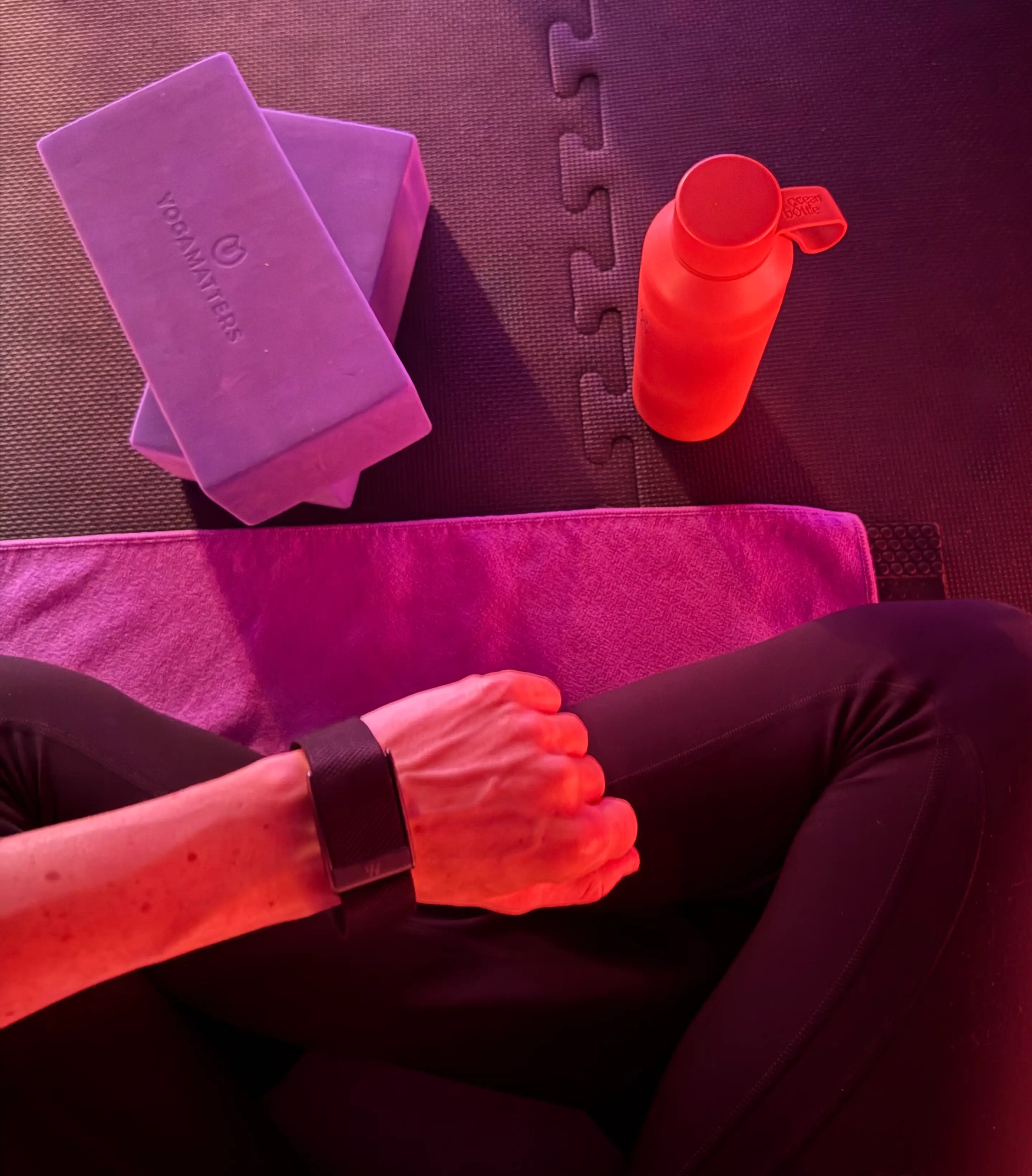
For instance, the fitness tracker encouraged me to be kinder to myself during the late luteal phase - when fatigue is often at its highest - swapping intense workouts for softer exercise, such as hot yoga, when my energy levels dipped.
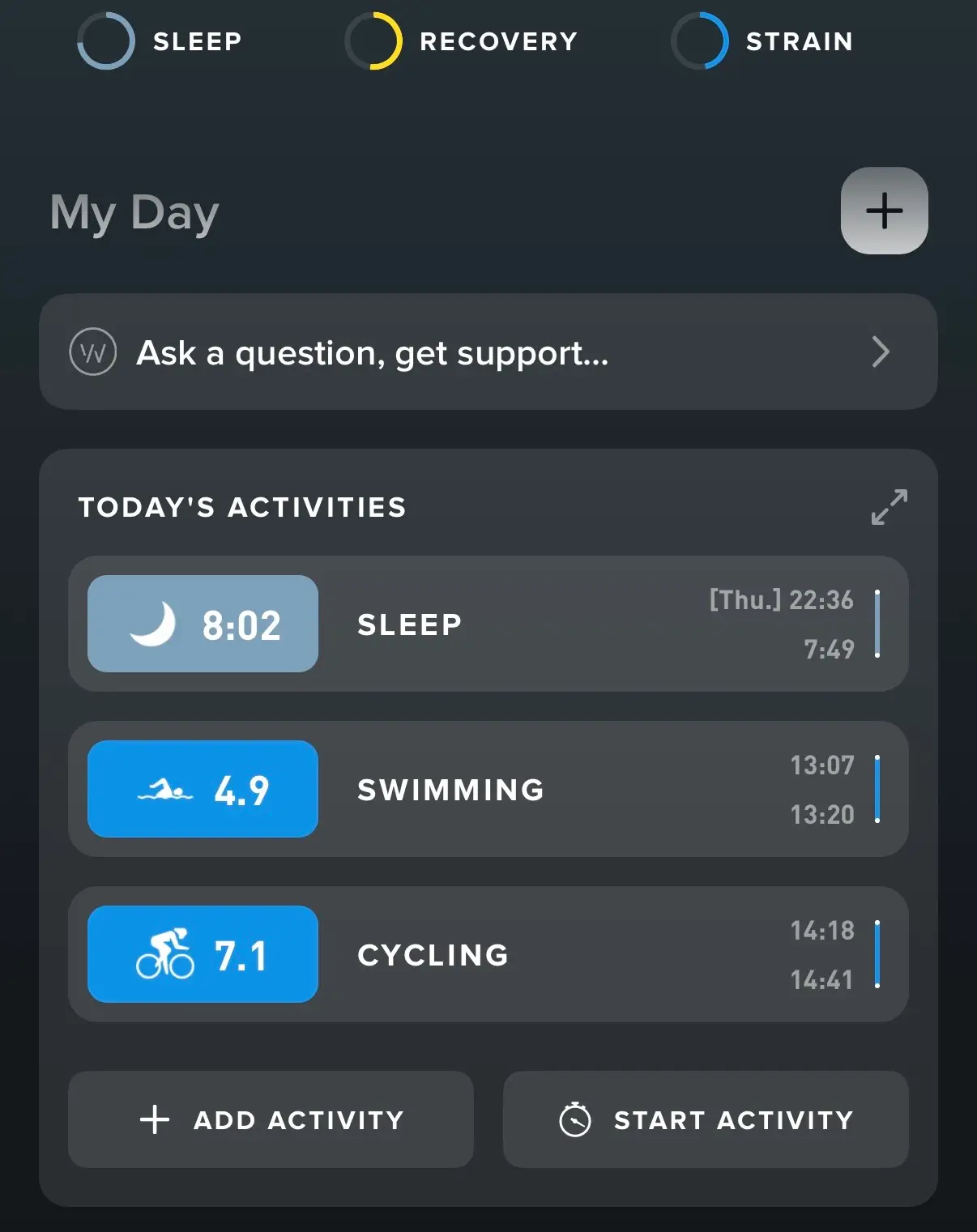
What impressed me the most however, is that it seemed to recognise what type of exercise I was doing without having to manually log it myself, whether it was my weekly ballet class or a Lime bike to the pub.
"For women with PMDD or PMOS, symptoms can massively affect energy, mood, sleep and motivation, but many people don’t realise how much hormones can also impact recovery and exercise performance," Dr Kasim Usmani, owner of Dr Kas Clinics, explains.
"Devices like Whoop can pick up changes in things like sleep quality, resting heart rate and recovery scores across different stages of the menstrual cycle, which helps women understand why they might suddenly feel exhausted one week and completely fine the next.
"What's particularly interesting is how these devices track trends in sleep quality, heart rate variability, resting heart rate and recovery. Many women notice clear changes across different phases of their cycle.
"For example, lower recovery scores, poorer sleep or increased cardiovascular strain in the luteal phase before a period. That information can help guide decisions around when to prioritise rest, recovery, lower intensity exercise or stress management, rather than pushing through fatigue."
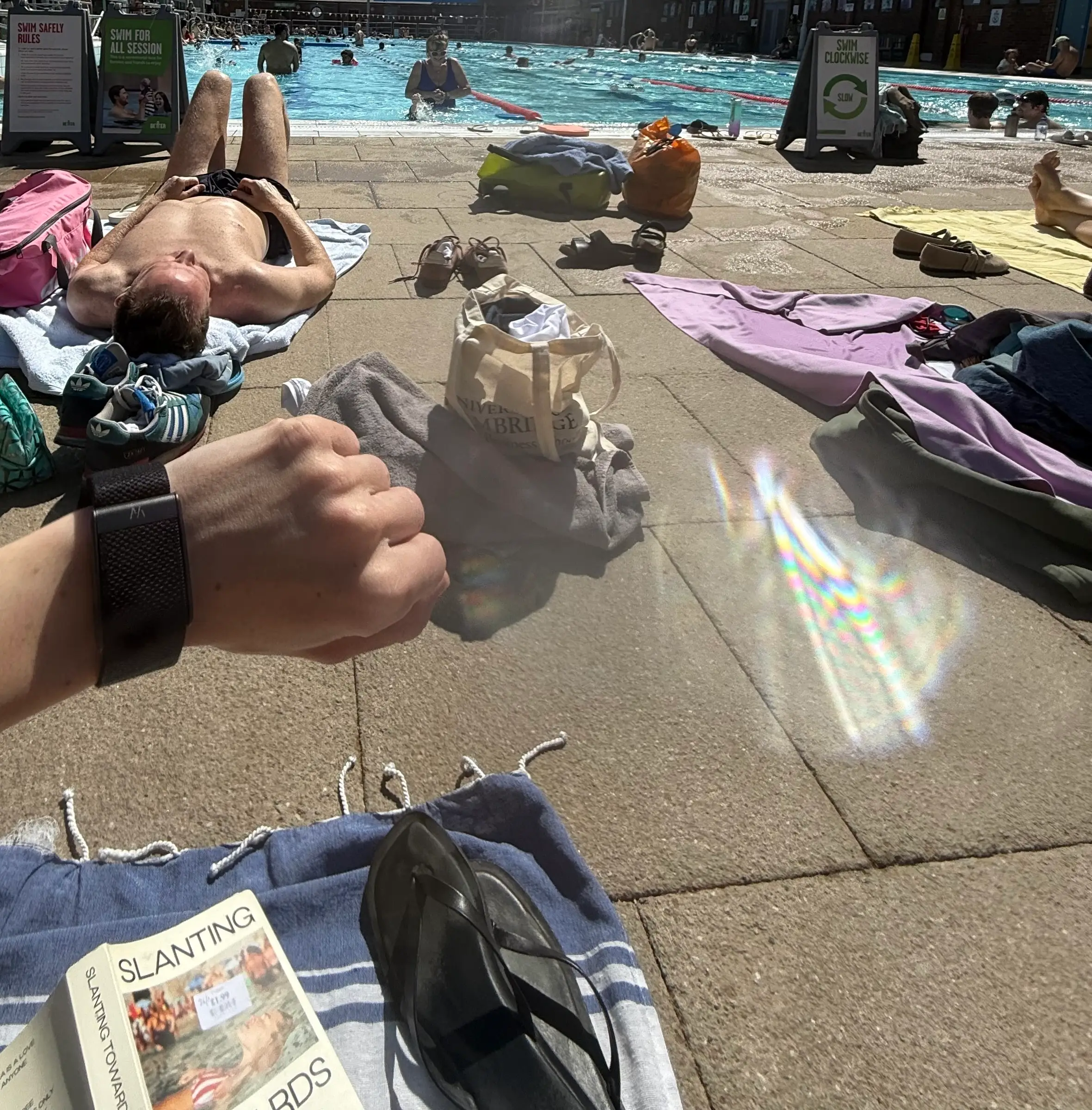
In terms of the design, I wasn't initially sold, as the larger fit made it feel like it had been designed with men in mind - especially if you have smaller wrists.
At first, the loose fit made it difficult to track my movements and the app often claimed the device was 'off body'.
However, after tightening the band for a more personalised fit and wearing it consistently for a few weeks, I eventually got used to the gadget. In the future, I'll simply purchase a different strap.
Top features:
- Screenless design: Designed to help users to track their exercise and menstrual cycle without distraction
- Menstrual cycle insights: Tracking periods and symptoms to to help users tailor workouts and lifestyle habits around hormonal changes
- Sleep and stress monitoring: Detailed insights on sleep duration and quality with recommended bed and wake-up times
- Automatic activity detection based on elevated heart rate, movement patterns, and strain levels
- 14-day battery life
How much does the Whoop cost?
Whoop works on a monthly subscription which includes the fitness tracker with three different options to choose from.
For the one-month trial, I used the Peak subscription, this was ideal because it gave me the extra insights along with the health monitoring.
Which plan should I choose?
If you're interested in trying the Whoop, I'd recommend starting with the 'One' subscription as you will still receive the hormonal data to help you track your cycle. The brand also offers a one month free trial of the watch so you can decide if you'd like to invest, which you can find out more about here. You can find out what's on offer per tier below:
One: From £169 per year (Whoop, 14+ day battery, sleep, strain and recovery insights, personalised coaching, VO2 max and heart rate zones, hormonal insights
Peak: From £229 per year (Whoop, 14+ day battery, healthspan and pace of aging, health monitor with health alerts, real-time stress monitor)
Life: From £349 per year (Whoop, 14+ day battery, daily blood pressure insights, heart screener with ECG readings, irregular heart rhythm notifications
As a long-term fan of the Oura Ring, I was also intrigued to see how the two devices differ.
Firstly, the biggest similarity between them is the lack of a screen, which makes both a great option for anyone who doesn't want the constant distractions of notifications or reminders to 'stand up' throughout the day.
I was also impressed by the Whoop's menstrual cycle tracking, which felt comparable to the insights offered by the Oura Ring.
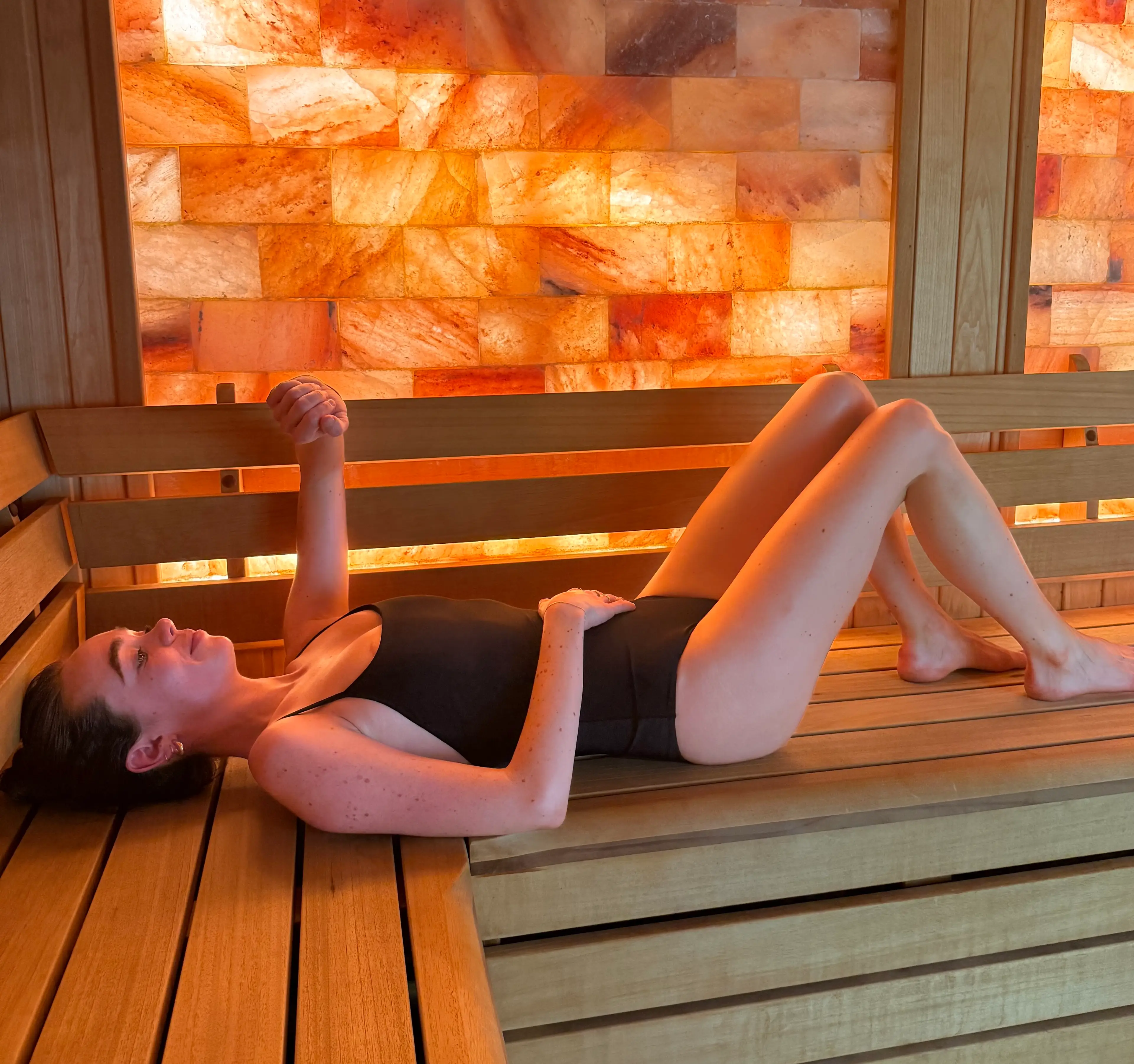
The device enabled me to track symptoms and flow, while also providing useful insights into which stage of my menstrual cycle I was in - and, most importantly, what that actually meant for my body, energy levels and recovery.
I also like that you can set a morning alarm on the device, which isn't a feature available with the Oura Ring.
Topics: Women's Health, Health
 Danielle Fowler