
Red flag smell every GP recognises 'instantly'

A doctor has opened on the one sinister smell they 'just can't forget'.
Because when you're a GP, there really isn’t much you haven't dealt with - awkward symptoms, embarrassing questions, squirm-inducing treatments; they're all just part of the job.
Years of medical training, followed by countless consultations covering everything from the awkward to the downright mortifying, mean doctors quickly learn not to be fazed by much.
But apparently, there's one particular scent that can still have a GP immediately wondering what's going on.
Advert
And according to Dr Nada Hassan, a GP and women's health expert, she can sometimes recognise it before a patient has even had a chance to explain what’s wrong.
The culprit? A tampon that's been left in for too long.
Dr Hassan recently took to Instagram to warn women about retained tampons, admitting in a now-viral post: "As a GP, there are smells you just don’t forget. A retained tampon is one of them, and honestly, sometimes I can tell as soon as a patient has walked into the room.”
And while forgetting about a tampon might sound like the kind of thing you could never do, Dr Hassan says it’s far more common than people realise.
"Be honest, do you actually know your last tampon came out?" she asked her followers. "It's more common to forget it than people think.
"Tampons shrink down with moisture, they migrate higher than expected, and it’s genuinely easy to forget one is there."
She added that she has had to remove retained tampons - 'sometimes multiple' - from patients who had no idea one was still there.
A tampon can also become compressed higher up in the vagina, making it harder to feel or remove.
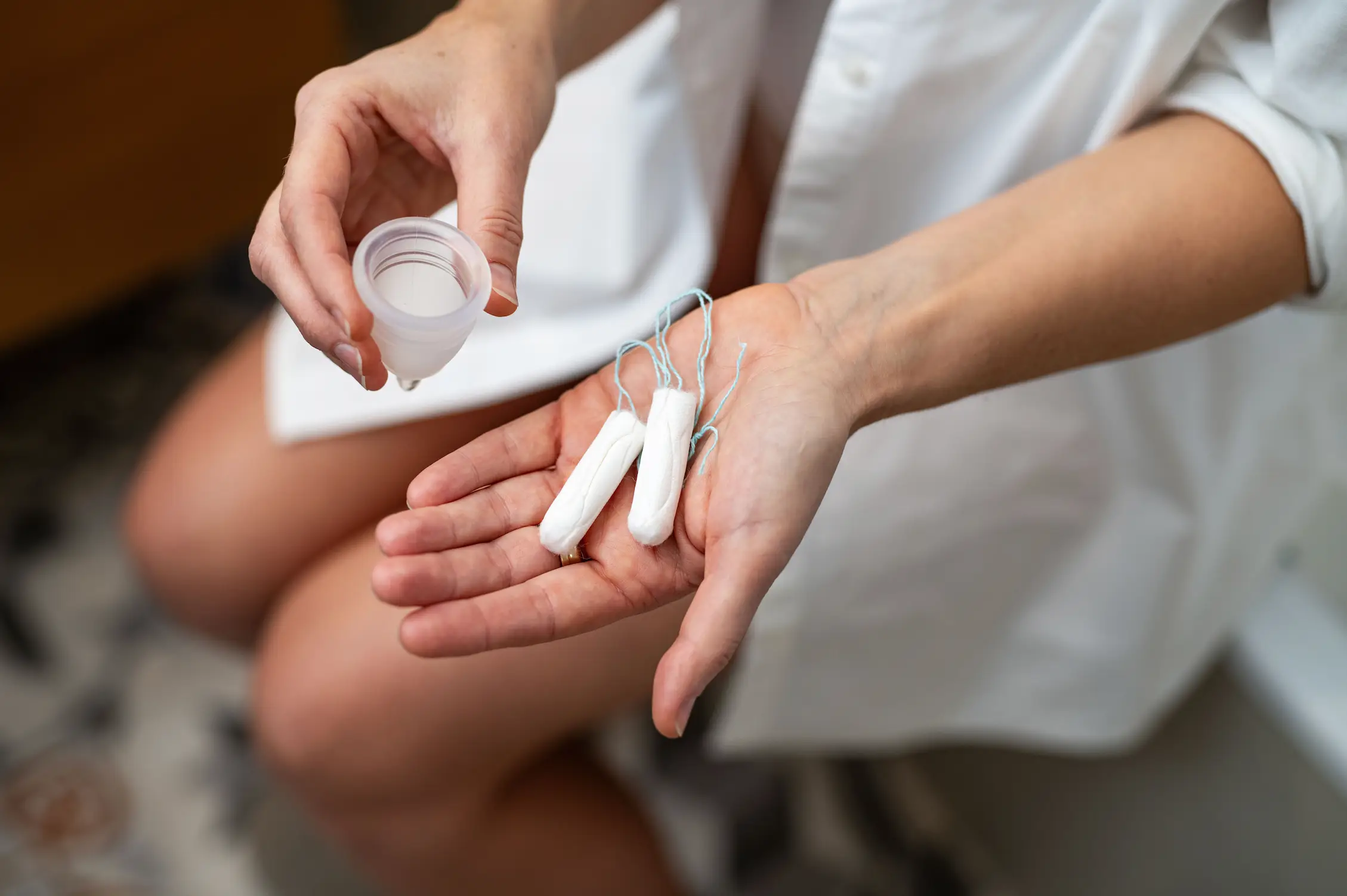
But why does a forgotten tampon smell so bad, and when should you actually be worried?
"The scary version everyone knows about is toxic shock syndrome. It’s rare, but it’s real, and it can be fatal," Dr Hassan continued.
Toxic shock syndrome (TSS) is a rare, life-threatening bacterial infection caused by toxins released into the bloodstream. It is usually caused by Staphylococcus aureus (staph) or Streptococcus pyogenes (strep) bacteria, which normally live harmlessly on the skin or in the nose and throat.
These bacteria can overgrow and release toxins when trapped in a warm environment, however. While widely linked to prolonged tampon use or menstrual cups, it can also result from skin wounds, burns, surgical incisions, or childbirth.
"The risk increases the longer a tampon is left in, and research has found it rises significantly after 6 or more hours, especially with overnight use," Dr Hassan went on to warn.
"Once symptoms start, things like fever, rash, dizziness, or vomiting can escalate within days. It’s a medical emergency."
The GP went on to emphasise, however, that while TSS is certainly the worst-case scenario, the most obvious result of a retained tampon is 'horrible-smelling discharge'.
"And that smell gets mistaken for BV or an infection all the time, which means people end up treating the wrong thing," Dr Hassan emphasised.
A strong or unpleasant vaginal smell doesn't automatically mean something is seriously wrong. Period blood can naturally have a metallic scent, while changes in vaginal bacteria can also alter odour.
A particularly fishy smell, for example, can be associated with bacterial vaginosis (BV), while other infections can cause changes in discharge and smell.
"If you get sudden foul-smelling discharge, please see your GP; it’s a quick check, it’s nothing to be embarrassed about, and it could save you from something far more serious going undetected."

Tampons should also be changed according to the manufacturer's instructions and not left in longer than recommended.
NHS guidance notes that manufacturers advise against leaving one in for more than eight hours.
So, if you've suddenly noticed an unusual smell and you're wondering whether your period has somehow changed - don't panic, and definitely don't feel embarrassed.
But do make sure you know where your last tampon went.
Topics: Periods, Women's Health, Health, Advice, NHS
 Rhianna Benson