Reason why women get ‘Mona Lisa’ treatment down there as Kris Jenner candidly admits to getting it

Kris Jenner candidly revealed on The Kardashians that she successfully had ‘Mona Lisa’ treatment on her vagina.
Describing the process as a ‘laser in your vagina [that] makes it really perfect and cute’, the reality TV matriarch admitted she was preparing to have it again after enjoying the results so much the first time around.
But what actually is a ‘Mona Lisa’ treatment, and why are women like Kris opting to have their vagina lasered?
What is Mona Lisa treatment?
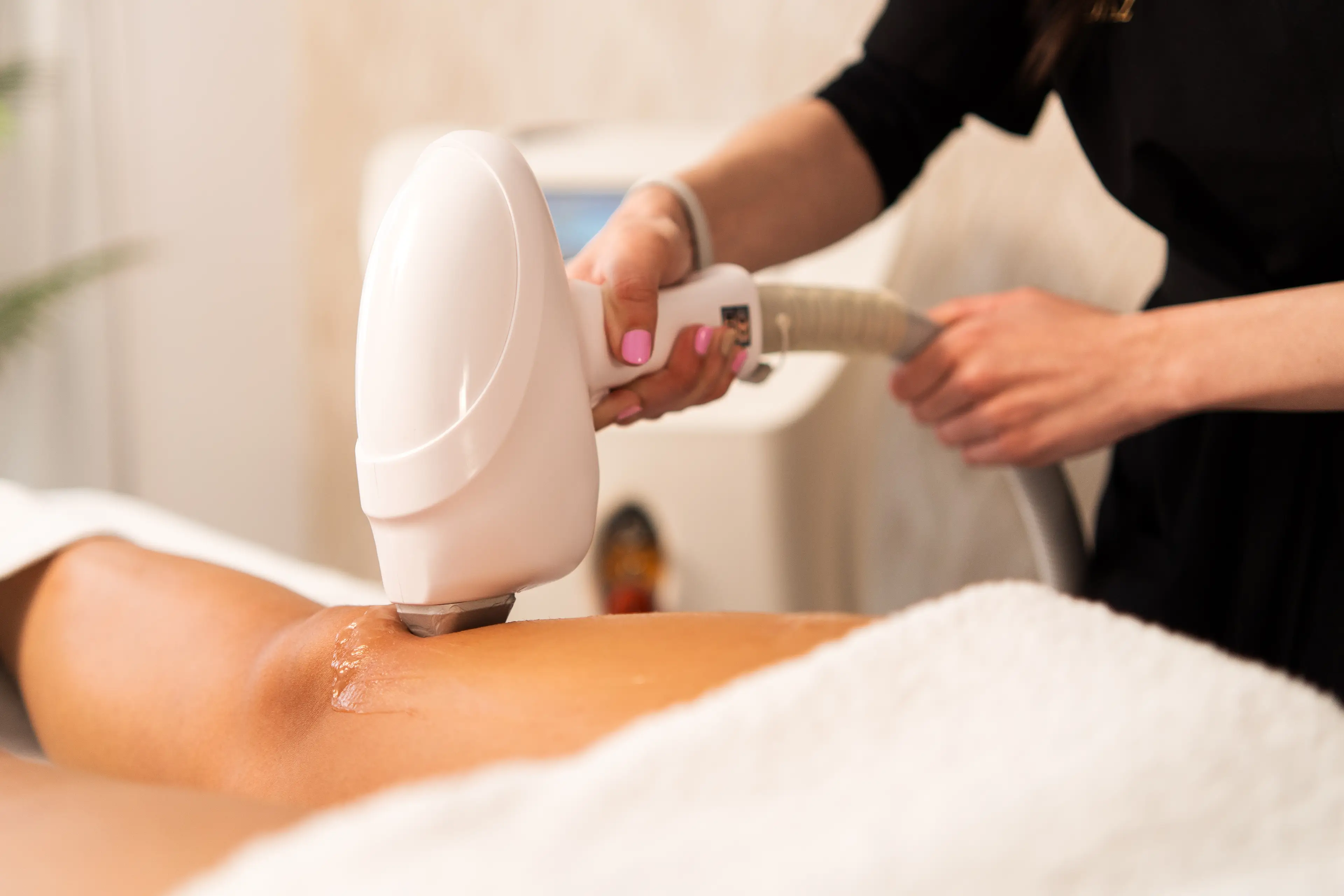
According to Cleveland Clinic, the treatment, known as the MonaLisa Touch, is a type of laser therapy designed to treat symptoms of vaginal atrophy, including dryness, irritation and painful sex.
It works by repairing the thinning tissue of the vaginal walls by gently stimulating collagen production.
Advert

Controlled energy delivered to the vaginal walls encourages tissue to regenerate and repair itself, increasing moisture, elasticity and improving overall health, as per The Medical Chambers.
Who may benefit from Mona Lisa treatment?
Perimenopausal and postmenopausal women who are experiencing burning and pain during sex due to declining estrogen may be likely to seek out non-hormonal fractional CO2 laser.
Those with hormone-sensitive breast cancers; people who don’t get enough relief from hormone replacement therapy (HRT) or vaginal estrogen creams; and those who have had pelvic radiation or surgical ovary removal may also experience tissue changes.
However, it’s advised that you see your doctor or a gynaecologist before booking the treatment yourself.
The Cleveland Clinic suggests avoiding Mona Lisa treatment if you are pregnant, gave birth within the past three months, or have an active vaginal or sexually transmitted infection.
Potential side effects of vaginal lasering
While vaginal lasering can help repair tissue, it could cause a myriad of side effects, including discomfort, spotting, and discharge, Dr Nikki Ramskill, a BMS Menopause Specialist at The Female Health Doctor, told Tyla.
Others have experienced baginal burns, scarring, pain with sex and ongoing pain, but some women ‘do report feeling better post-procedure,’ she confirmed.
However, she added that ‘NICE states that vaginal laser should only be offered for menopause related vaginal and urinary symptoms as part of a randomised controlled trial’.
What can you do instead of vaginal lasering?
Anyone who doesn’t fancy following in Kris’ footsteps, but is suffering from downstairs dryness, is advised by the women’s health GP to invest in some good lubricant.
“For persistent dryness, a vaginal moisturiser used regularly can be of help. A lubricant used at the time of sex will reduce friction.
"If the symptoms are due to menopause, then low-dose vaginal oestrogen is an evidence-based option for many women (including those on HRT).”
She also warned that you should be cautious with who you select to operate the laser.
“I’d be very cautious about who performs the procedure. Are they suitably qualified and have experience?
“Ask what the underlying cause of your symptoms is, what the treatment has shown to achieve in controlled trials and what the risks are. I
“If you’ve got persistent itching, pain or discharge, then you should get that checked.
“Any unexpected bleeding after the menopause should be investigated, even if it’s just a spot and only occurs once.”
Tyla has previously contacted MonaLisa Touch for comment.
Topics: Kris Jenner, Health, Women's Health
 Ella Scott