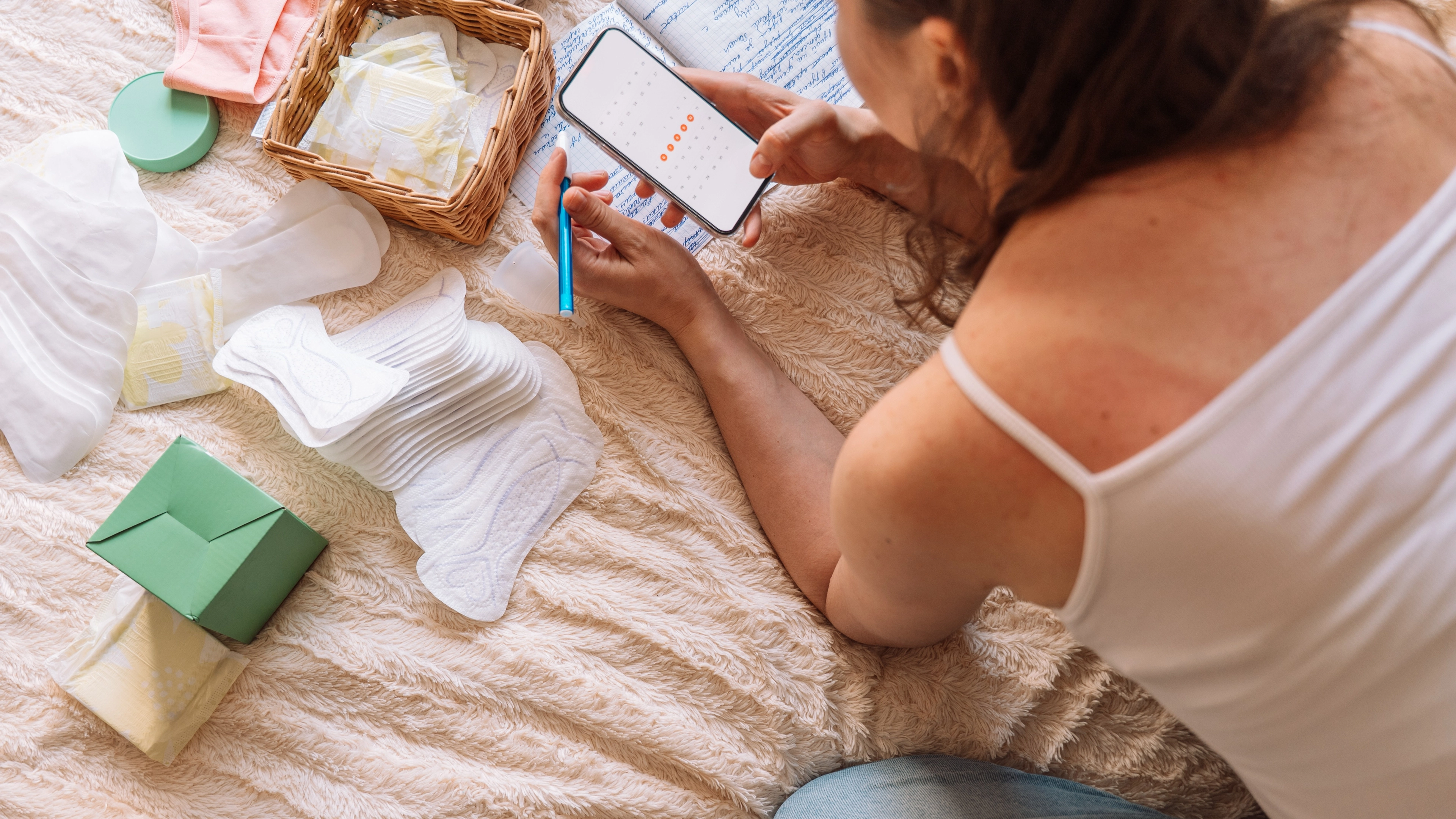
Signs that a heavy period might actually mean you have a common health condition

Many women are told that painful, heavy periods are the norm and to just deal with it.
From our teenage years onwards, any abnormalities, whether it's irregular periods, heavy and painful ones or severe clotting is often fobbed off by doctors as 'just one of those things' we have to deal with for menstruation.
Conditions such as endometriosis and polycystic ovary syndrome (PCOS) have been becoming more well known, but not many people know the term for long, heavy periods, which is also a very common and challenging condition.
It's officially called menorrhagia, and it's when you have heavy periods which last for seven days or more.
Advert
The 'average' period is reasonably light for most of it (aside from one or two heavier days at the start) and usually finishes in three to five days.
 If you've been struggling with heavy periods, it could be worth speaking to your GP (Getty Stock)
What counts as a heavy period or menorrhagia?
According to the NHS, heavy periods often mean you experience the following symptoms:
- you need to change your pad or tampon every one to two hours, or empty your menstrual cup more often than is recommended
- feeling the need to use two types of period product together, such as a pad and a tampon
- if you have periods lasting more than seven days
- pass blood clots larger than about 2.5cm (the size of a 10p coin)
- bleed through to your clothes or bedding
- avoid daily activities, like exercise, or take time off work because of your periods
- feel tired or short of breath a lot
What to do if you have heavy periods?
If you are experiencing the above, the NHS recommends you go to see your GP.
These symptoms and heavy periods can sometimes be a sign of other conditions, like endometriosis, PCOS, or fibroids.
There's also a condition called adenomyosis, which is similar to endometriosis, where the lining of the womb starts to grow within the muscles instead.
If left unchecked, menorrhagia or heavy periods can lead to anaemia and reduced iron.
How common is it to have heavy periods?
Much more common than you might think!
If your sister or best friend only ever has light, easy periods, you might think you're the odd one out.
However, the World Health Organisation (WHO) says a whopping 18 million women aged between 30-55 years old report their menstrual bleeding to be quite heavy.
According to the National Institute for Health and Care Excellence (NICE), menorrhagia is the most common reason for women to be referred to a gynaecologist.
They report that around one in 20 women aged between 30–49 years see their GP each year because of heavy periods or menstrual problems, up to 37% of teenagers experience it.
However, according to the Centers for Disease Control and Prevention (CDC), for about 50% of women with menorrhagia, no cause is identified, so it seems we still have a long way to go.
What products are good for heavy periods?
When dealing with an extremely heavy flow products that target leak protection, extended wear and capacity for a heavier flow will help you manage your monthly cycle. But if your period is soaking through a tampon or pad very quickly, please remember to consult a doctor.
Wuka leak proof period underwear has super heavy flow, which absorbs up to 60ml, the equivalent of 12 tampons or 8 pads.
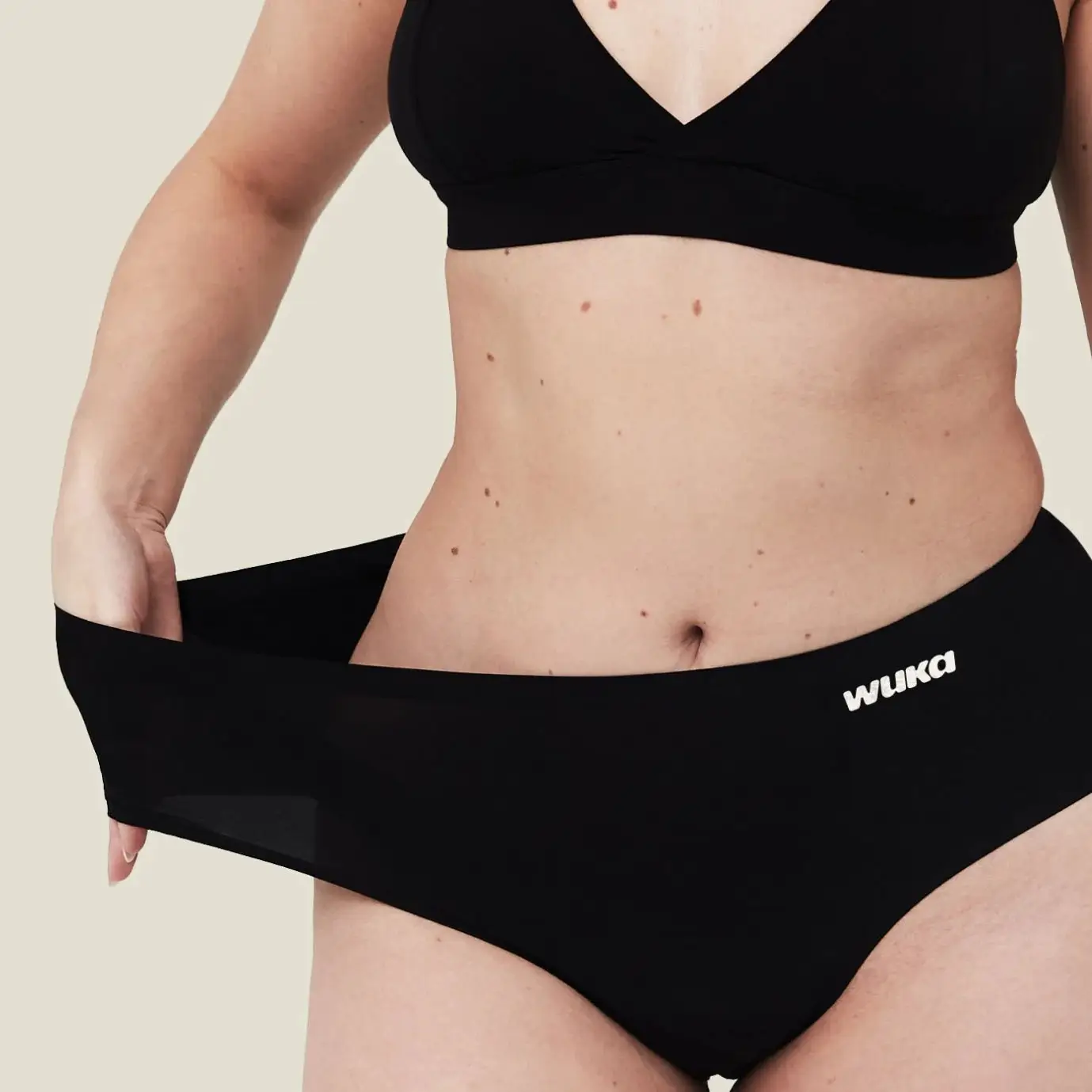
from £21.99
Reddit users recommend trying out disposable incontinence underwear for heavier flow days.
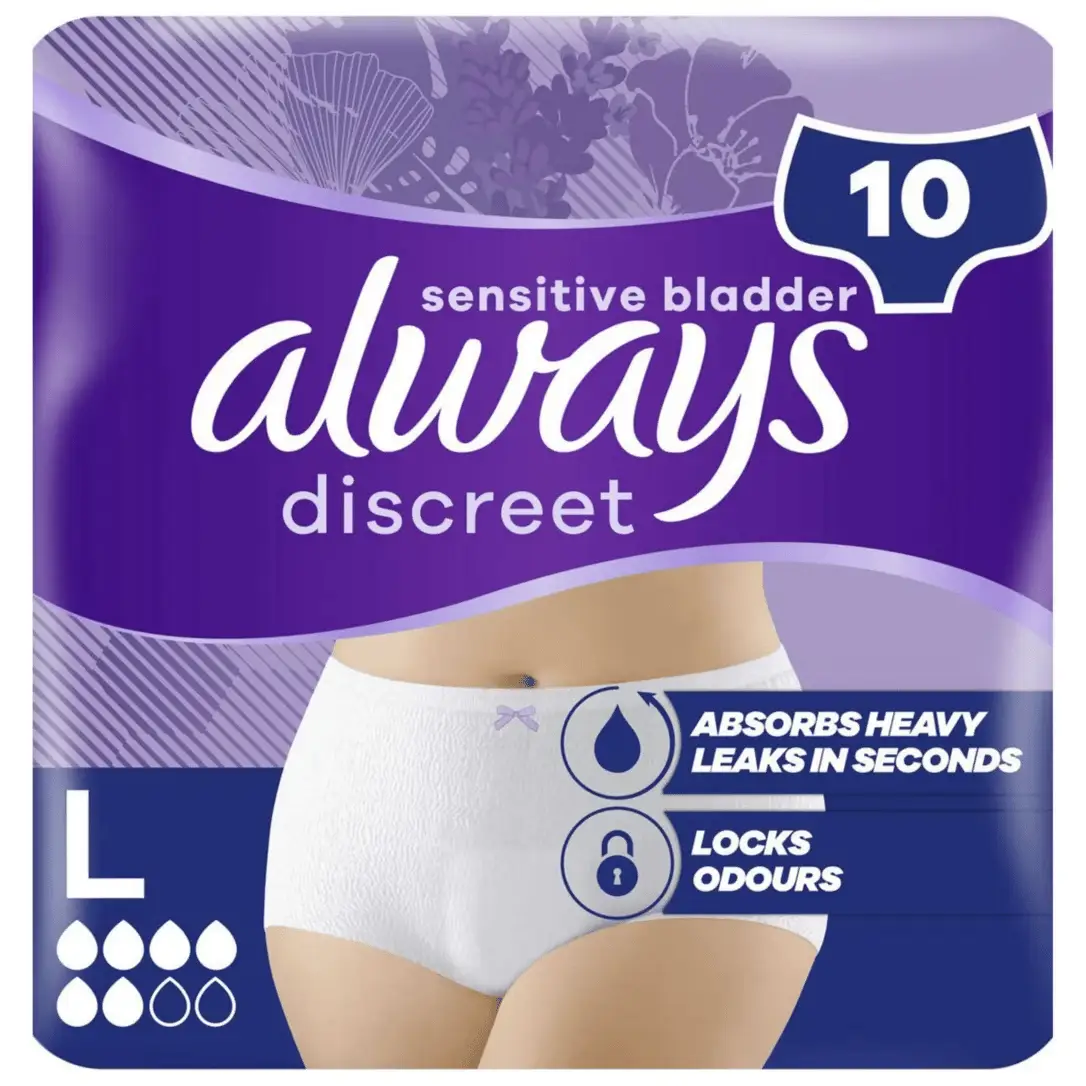
£7
If you feel more comfortable doubling up Lil-Lets super plus holds 15-18g of period blood
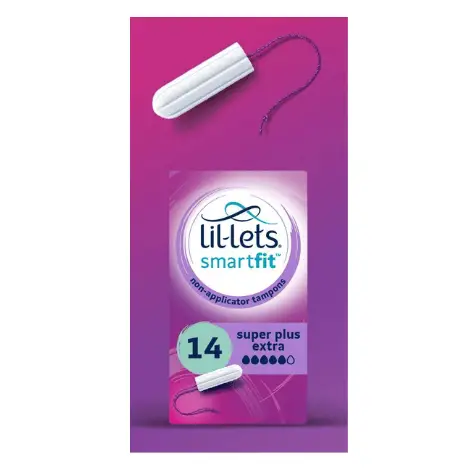
£1.75
Sleep worry-free with 12-hour protection with Always pads that are wider at the back in case of leakage. (5 packs of 12)
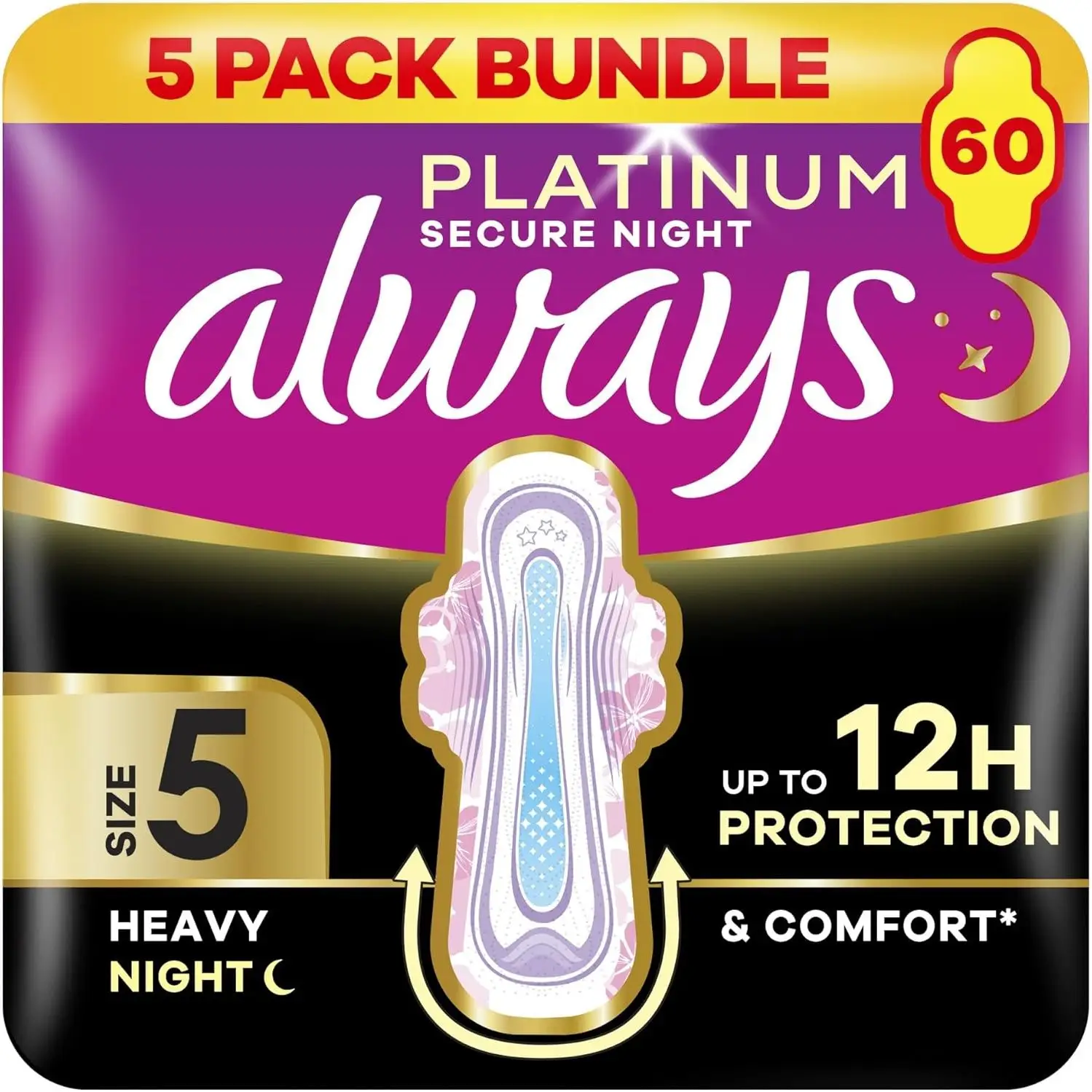
£15
Topics: Health, Women's Health, NHS, Endometriosis
 Jen Thomas