
‘Period hair’ is actually a thing - here's what experts have to say

Among all the other delightful side effects of having a monthly period - that is pain, bloating, skin changes and mood fluctuations to name but a few - 'period hair' is the latest to add to a long list.
If you've noticed that your hair acts or feels differently around the time of your monthly period, you wouldn't be alone.
Just like our skin, the hair and scalp can also feel the impact of hormonal fluctuations and if you've noticed more greasier locks than usual, then you can probably blame your hormones, which can cause hair to become oilier at certain times of the month.
It's pretty common, too. In fact, Natural Cycles reports that one study found women with excess oil on the scalp generally had highest levels of oil just before menstruation.
Advert
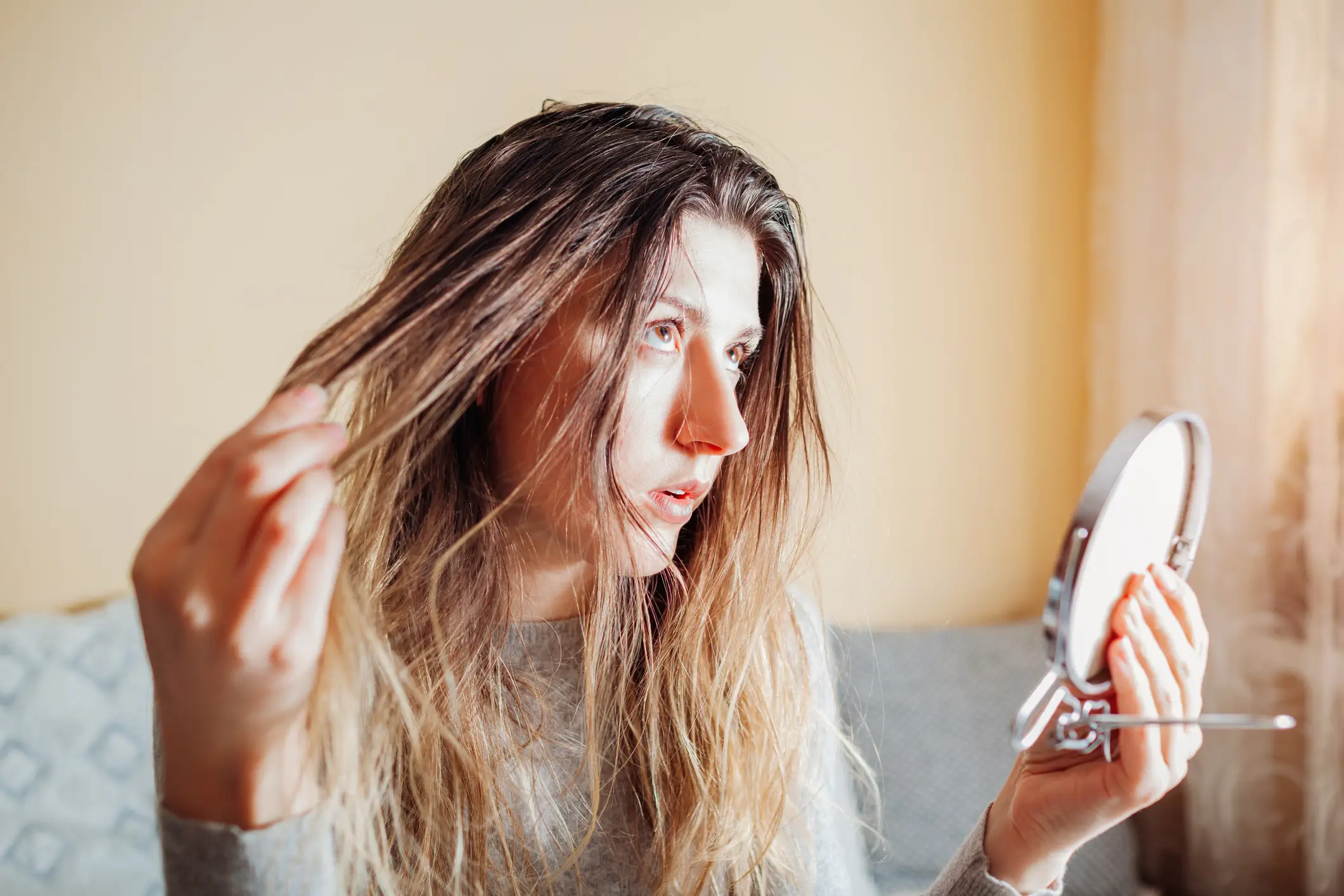
What causes period hair?
Essentially, both the skin on our faces and our scalp have sebaceous glands that produce oil. The hormone shifts during our menstrual cycles causes the glands to produce more sebum.
So, if your skin is feeling particularly oily around the time of menstruation, it makes sense that your scalp is probably experiencing the same changes.
This oil can travel along hair strands, making the hair appear more lubricated, too.
Consultant dermatologist Dr Ophelia Veraitch explained to Refinery29: "The skin on our scalp and face both have sebaceous glands at the base of the hair follicles that produce an oily, waxy liquid that lubricates and provides a barrier of protection to our skin and hair.
"We know from studies that the cells which make up the oil glands are extremely sensitive to circulating hormones. This is why around your period it's not just your skin that can become oilier. It stands to reason that your hair is likely to become oilier, too."
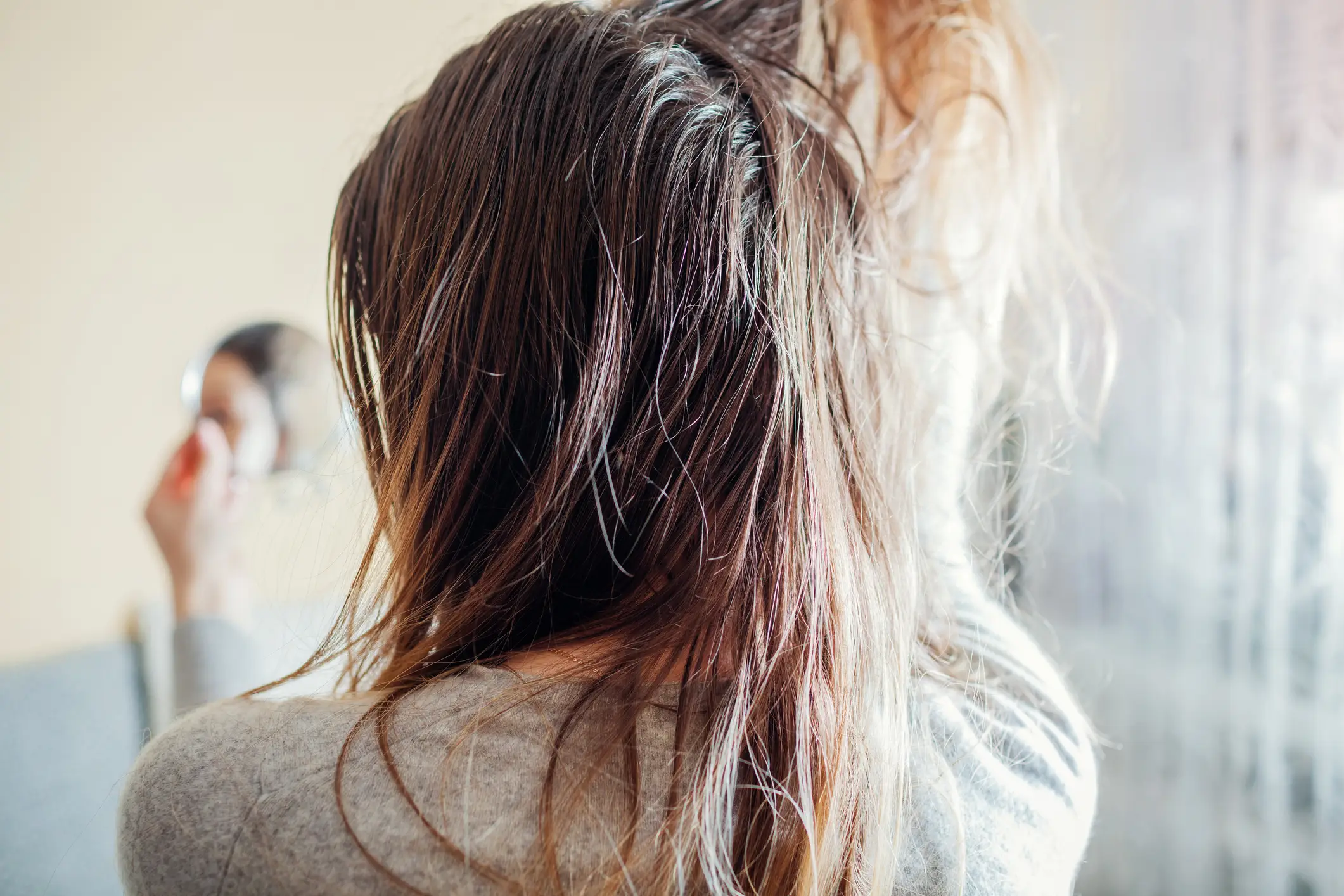
How can we combat period hair?
There are steps you can take to tackle the greasy hair dilemma.
First off, try not to wash your hair too much, and if you're really struggling, opt for dry shampoo for in-between days.
This is because the scalp can produce excess oil as a way over overcompensating for the lack of oil due to repeated washes.
Dr Ophelia adds: "It's a bit like when you wash your face too much. The skin becomes tight and dry before retaliating by producing excessive amounts of oil to overcompensate. It's the same principle with hair. If you wash your hair too often with stringent (or very strong) shampoos, your scalp will just start producing more oil."
Next up, choose your products wisely.
Helen Reavey, trichologist and founder of Act + Acre told Glamour that using a scalp treatment containing salicylic acid is a good option.
“Opt for a gentle chemical exfoliant such as salicylic acid to balance sebum and oil levels, while calming any irritation, inflammation, or itchiness," she said.
Topics: Hair, Beauty, Health, Women's Health
 Lucy Devine