
‘Hat rot’ warning issued as experts reveal unexpected side effect of heatwave

Temperatures are set to soar again this week in the UK, with the thermometer hitting above 35 degrees in some parts of the country.
While you might be tempted to sleep with a fan on all night, drink your body weight in water, or don a hat all day to keep the sun off you, too much of anything can be a bad thing.
Some experts are now warning us to be mindful of 'hat rot', which can be an unexpected side effect of this continued heatwave we're having.
Do you have a beloved baseball cap that never leaves your head? Maybe it's a sizeable straw hat, or you pull your hair back tight with a bandana to protect it from the sun.
Advert
According to the Cleveland Clinic, wearing headwear that's too tight can actually result in hair loss if you're not careful.
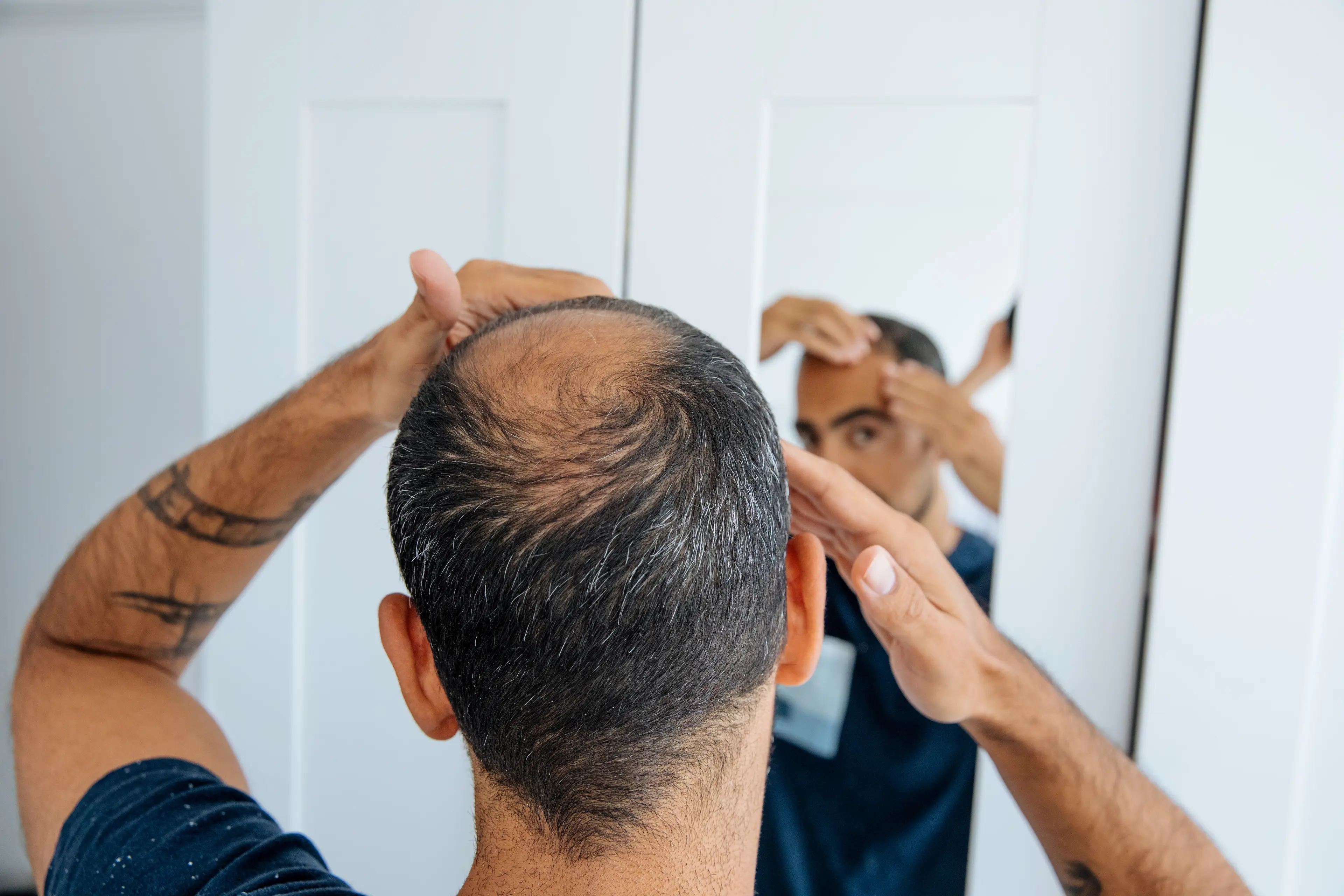
That's because wearing a too-small hat can place undue stress on your hair follicles.
John Anthony MD is a dermatologist, and he warned: "We think it’s possible that wearing hats that are very tight or very hot could decrease blood flow to the hair follicles, stressing them or putting too much tension on them,” he warned.
“The hair loss would be temporary at first, but it could progress to permanent hair loss over time," and this could be from too tight hats, slicked back ponytails or other styles used to keep your hair neat under a hat.
This type of hair loss is called traction alopecia, and it's caused by long-term or repeated tension on your hair, which damages your hair follicles.
“If you’re already susceptible to hair loss, styles that pull tightly on your hair can stress the roots and lead to hair loss,” he adds.
Lloyds Pharmacy warns that as the temperature rises you're more likely to sweat a lot, and wearing a hat for long periods without washing it can cause bacteria and dandruff to build up on the scalp.
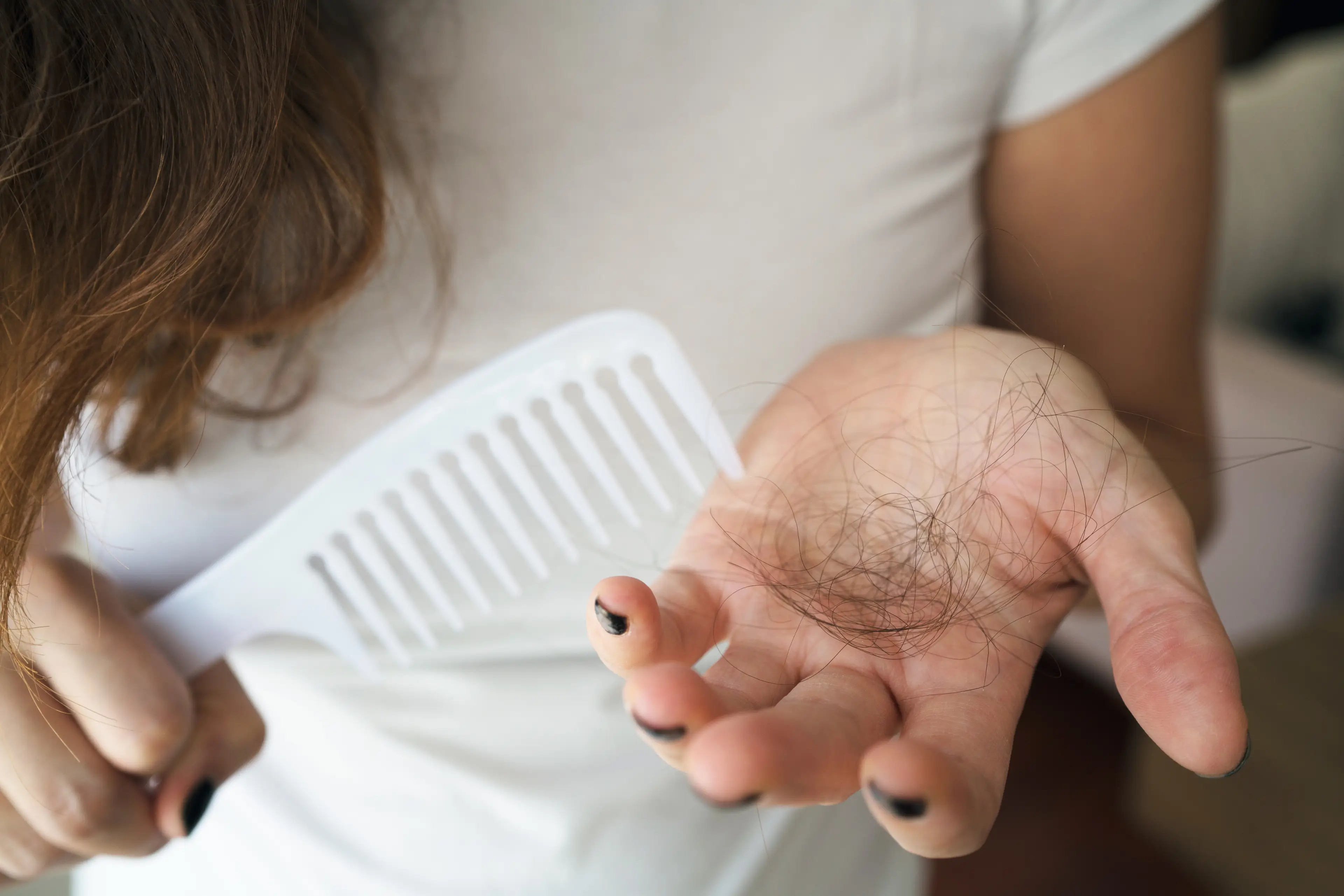
This can also cause major scalp issues that can impact your hair.
According to the NHS, wearing hats can also lead to a warm, sweaty environment which is the perfect setting for fungal infections to thrive on the scalp.
This is known as tinea capitis or scalp ringworm, and can cause small, sore patches of scaly skin on the scalp, in addition to patchy hair loss and an itchy scalp.
Fungal scalp infections can be transferred via hats, combs or hairbrushes, so it's important not to share these.
On the other end of the scale, one clinical study found that in identical twin men, the twin wearing a hat regularly actually experienced less hair loss around the temples, so it all depends on the fit and making sure it's not too small and causing tension on the follicles.
Topics: Health, Women's Health, Hair, Weather
 Jen Thomas