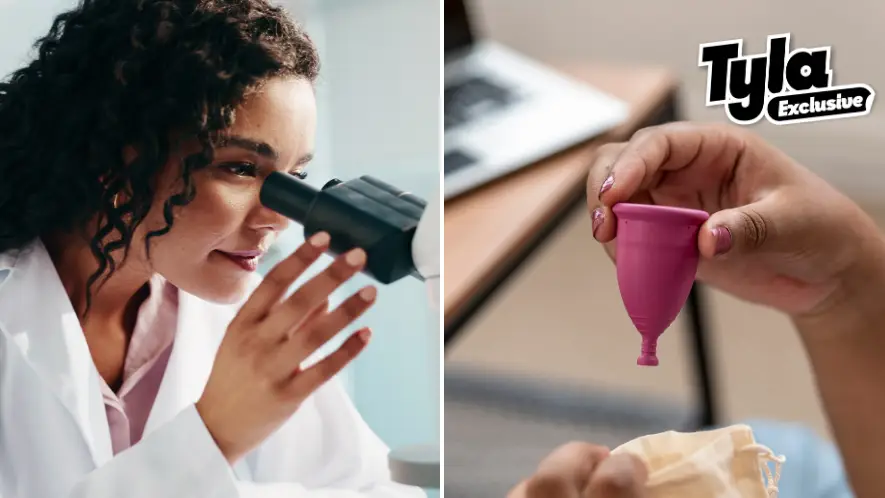
Scientists have been collecting period blood for the past month and it could change everything

Thousands of women are being asked to supply samples of their period blood as part of a major new study.
That's right - for the last month, British scientists have been collecting menstrual fluid on an unprecedented scale, in the hope of uncovering clues that could transform the way some of the biggest women's health woes are handled.
But what exactly are scientists looking for?
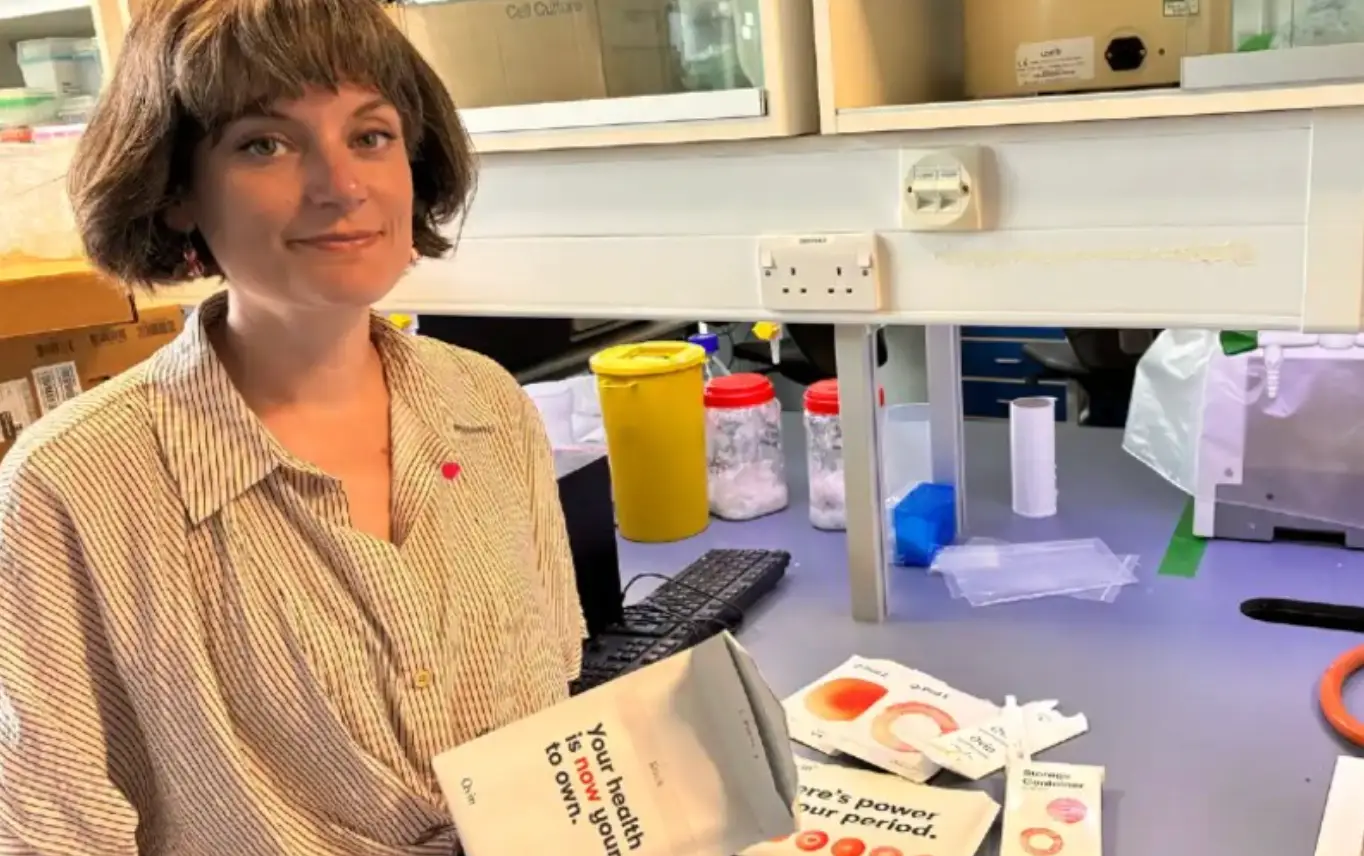
Researchers at the Universities of Exeter and Bristol are creating what is set to become the world's largest bank of dried menstrual fluid samples, gathering period samples alongside detailed information about participants' symptoms, as well as their physical and mental health.
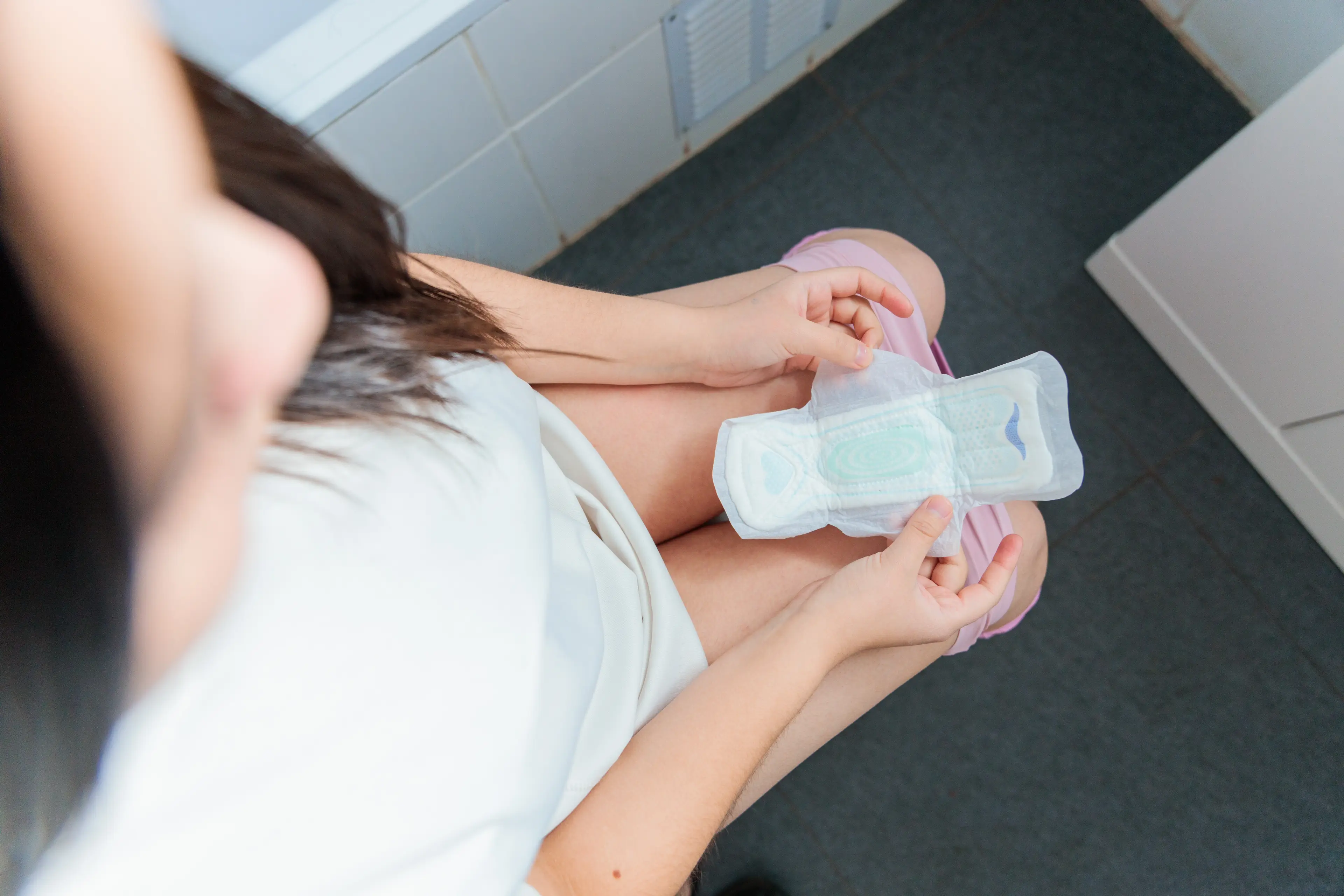
The study, called CycleTrack, will follow thousands of women from two long-running UK health studies - Children of the 90s and Born in Bradford - with participants providing menstrual fluid samples over three cycles using specially designed period pads.
Advert
But why?
Alongside the samples, participants will use a specialist app and detailed questionnaires to record everything from their sleep and mood to their energy levels and overall wellbeing, giving researchers a real-time picture of how their periods affect their day-to-day lives.
The central mission of those in-charge is to analyse the components that make up menstrual fluid in a bid to identify biological clues linked to reproductive health, including heavy monthly bleeding.
Crucially, researchers will also be able to link what they find in the menstrual fluid to long-term health and genetic information already held by the two cohort studies, potentially giving them an insight into what is happening inside the bodies of women experiencing menstrual health problems.
It's not just blood
But there is already one thing the researchers say has stood out.
"There’s often an assumption that menstrual fluid is just blood, but it’s actually much more than that," study researchers Verity Warner and Alice Brooks exclusively told Tyla.
"It contains tissue from the lining of the uterus, fluids from the cervix and vagina, as well as different types of cells and other biological material."
And what's in it can change throughout your period - and even from one cycle to the next.
The pair say they are already observing 'considerable variation in menstrual biology, both between different women and within the same person from one cycle to another' - although, they stress that it is still far too early to draw conclusions from the samples.
"We're looking at whether we can identify biomarkers in menstrual fluid that are associated with menstrual characteristics, including heavy menstrual bleeding," they continued.
"Collecting samples across multiple cycles allows us to capture that natural variation and get a more representative picture of each participant."
 Women with heavy periods are currently facing long processes of appointments and tests (Getty Stock Images)
Could period blood reveal what's going on inside the body?
That's where things get particularly interesting.
According to Warner and Brooks, menstrual fluid's unique mix of blood, uterine tissue, fluids, immune cells, stem cells, microbiota and more could potentially reveal things about our health that other biological samples cannot.
And the CycleTrack team has a very specific biological process in its sights.
The team are going to be looking at something called DNA methylation - a process that affects the activity of different genes.
They'll be searching for patterns of DNA methylation that could be associated with heavy menstrual bleeding and the conditions that can cause it, including adenomyosis and fibroids.
But those patterns aren't necessarily just about biology.

Warner and Brooks explained that DNA methylation can be influenced by a wide range of things including lifestyle and environmental factors, inherited and genetic factors, ageing and other biological processes.
That means the samples could potentially tell researchers not only about the biological processes contributing to heavy menstrual bleeding, but also about the socioeconomic, environmental and lifestyle factors that might put people at risk of experiencing it.
A common consequence of heavy menstrual bleeding is iron deficiency or anaemia, and the researchers are also hoping their work can help identify who is at risk of developing iron deficiency from their menstruation, which may lead to earlier identification and prompt treatment.
Up to 50 per cent of women worldwide experience heavy periods, which can have a significant impact on physical, emotional and social wellbeing.
It's an area that scientists say - and I'm sure many sufferers of conditions like endometriosis and PCOS will agree - remains grossly misunderstood and heartbreakingly underfunded, despite the fact that 'lesser' menstrual problems affect huge numbers of women.
Could this finally make diagnosis less of a guessing game?
Professor Gemma Sharp, who is leading the CycleTrack study at the University of Exeter, described menstrual health as 'a key indicator of overall health' but noted it remains 'poorly understood and under-supported in healthcare'.
"We know that menstrual health is a key indicator of overall health, but a lack of high-quality data means it remains poorly understood and under-supported in healthcare," she previously said.
"We also know that heavy periods can affect many aspects of daily life – for example, our recent research revealed an association between heavy periods, school attendance and lower GCSE attainment – so we urgently need new ways to support the millions of women affected by heavy periods more promptly and effectively."
She has also described the potential of the research as 'a real gold mine' and confessed she thinks it could be 'a real game changer for the field'.
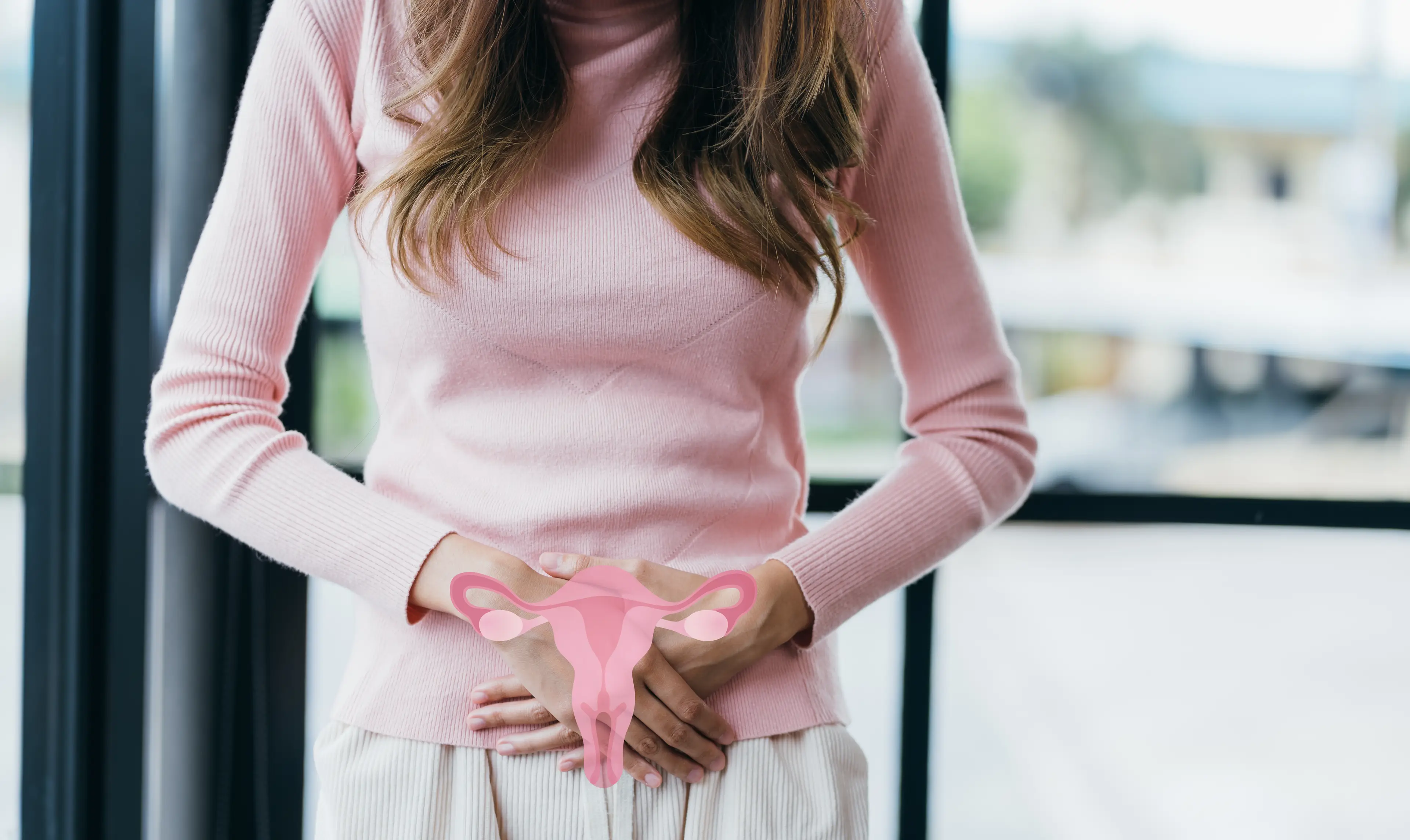
At the moment, someone with very heavy or painful periods can face a long process of appointments, tests and sometimes years of uncertainty.
Warner and Brooks say the CycleTrack research could eventually contribute to the development of predictive and diagnostic tools for conditions including endometriosis, fibroids and adenomyosis.
"We don’t know anything for sure yet, but it certainly has the potential to develop our understanding of conditions like endometriosis, fibroids and adenomyosis and therefore inform the development of predictive and diagnostic tools," they claimed.
What if a period sample could replace some tests?
They also believe it could eventually make the diagnostic process more comfortable, by contributing to the development of less-invasive tests.
"What we’re really looking for is whether we can identify biomarkers that show a clear and consistent association between participants experiencing heavy menstrual bleeding and participants who don’t," Warner and Brooks went on.
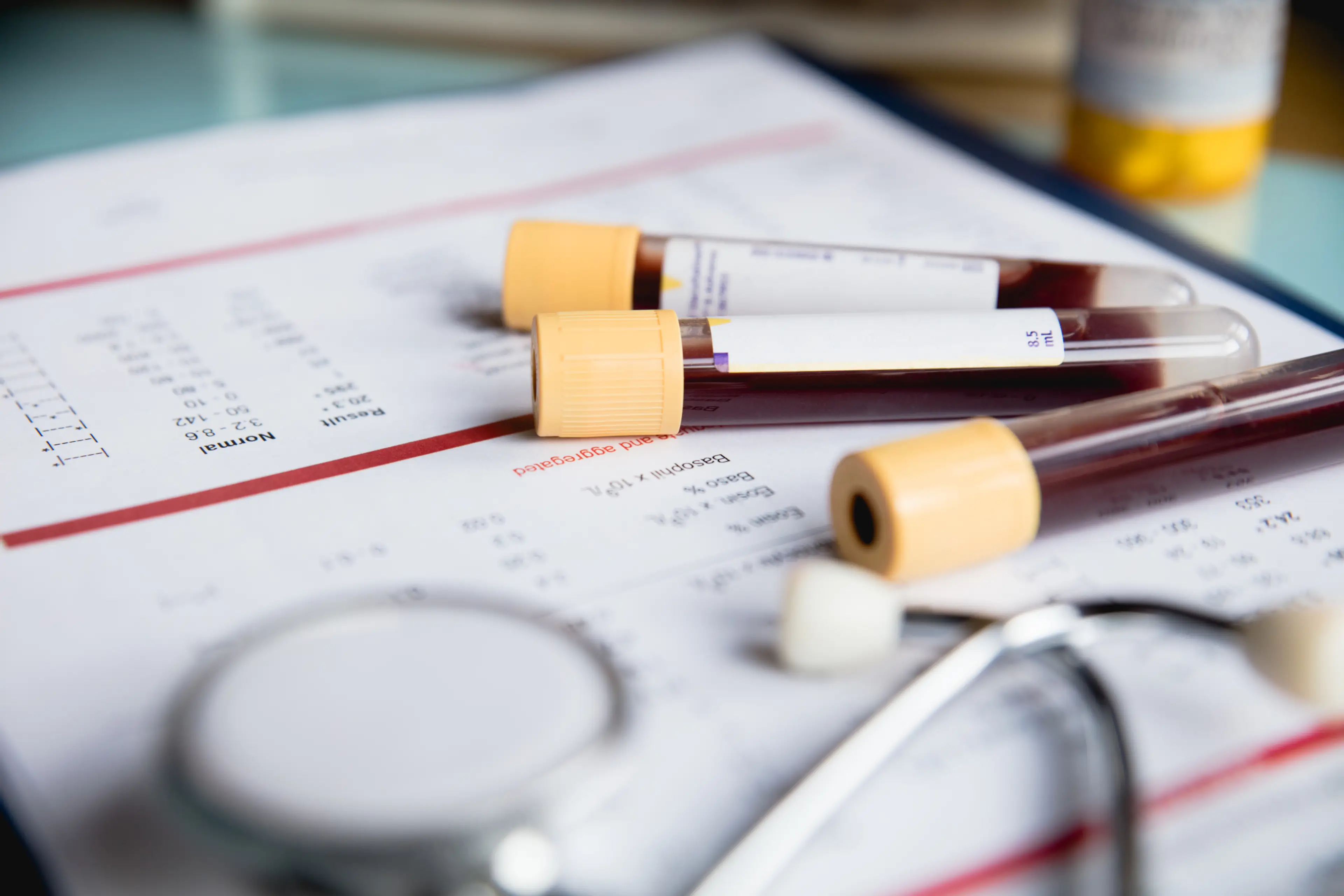
If promising biomarkers are identified, the next step would be further investigation and validation to understand how reliable they are and whether they could eventually be used in a clinical setting.
In an ideal world, they say a patient could one day provide a menstrual fluid sample as a simple, non-invasive way of gaining useful information about their menstrual health, potentially reducing the need for more invasive investigations such as ultrasounds or cervical sampling in some circumstances.
They point to pregnancy testing as an example of how healthcare can move in this direction.
Pregnancy tests were once something that had to be done by a healthcare professional, whereas today we have cheap, accessible tests that people can do at home.
"We'd like to see menstrual health research move in a similar direction, towards quick, accessible tests that give patients clear answers about their menstrual health."

From 'just a period' to actual evidence
If the research works as hoped, the implications could go beyond simply explaining heavy periods.
Warner and Brooks say menstrual fluid could eventually become a source of objective biological evidence that sits alongside a person's symptoms and medical history.
"This could mean a quicker diagnosis and a more personalised approach to treatment," the duo predicted.
They also hope to uncover potential risk factors and underlying mechanisms behind heavy menstrual bleeding and menstrual pain - particularly because many women experiencing these symptoms are still left without an explanation or diagnosis.
"There is still a lot we don't know about our reproductive systems, so hopefully this work will be a step in the right direction to learning more about our bodies."
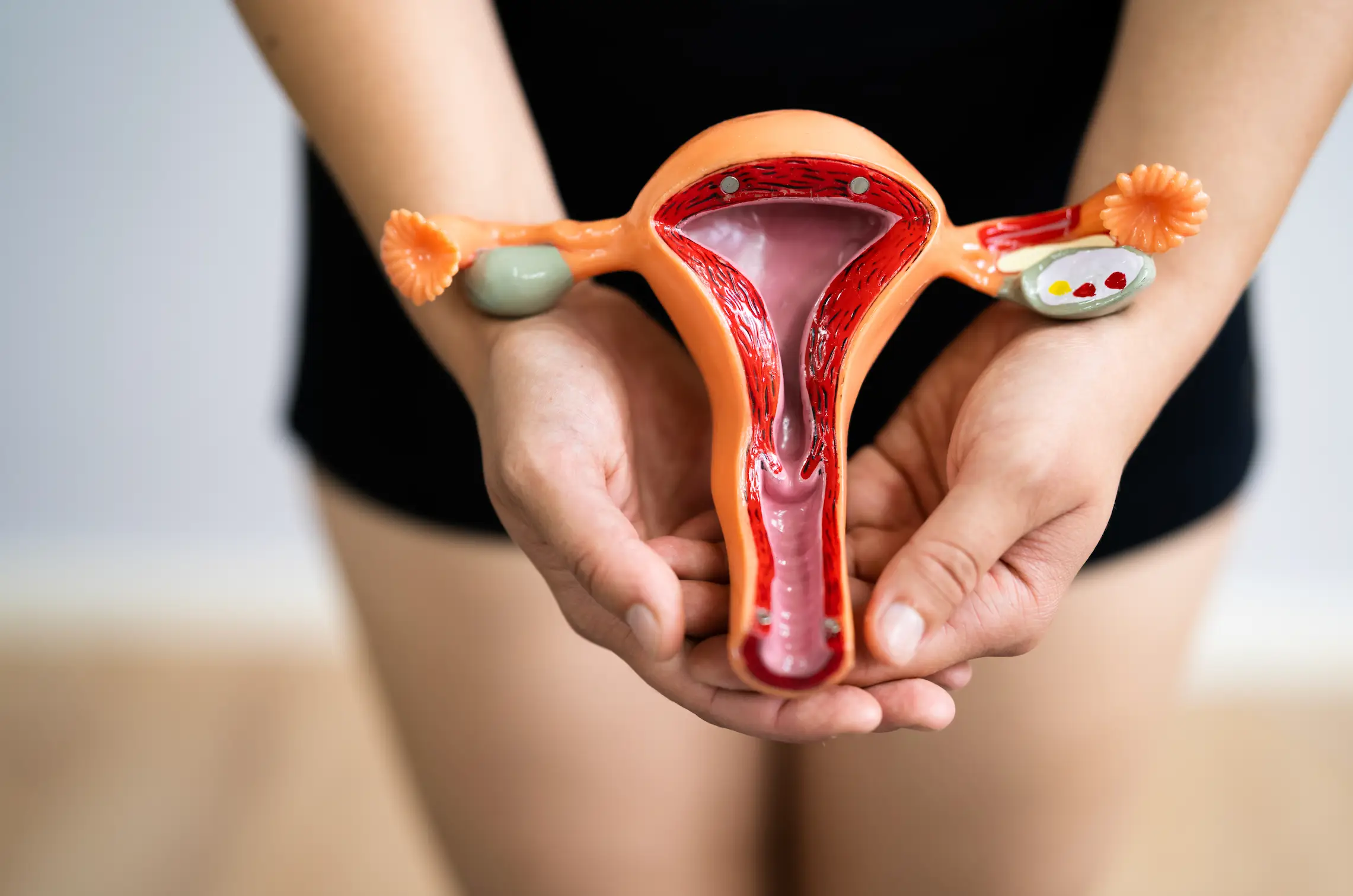
The research is also part of The Missed Vital Sign, a programme led by Wellcome Leap which is part of a wider global effort to dramatically cut the time women with heavy menstrual bleeding have to wait for effective treatment - from five years to just five months.
But women shouldn't have to wait for the science
While researchers are looking for biological clues in menstrual fluid, women's health expert Dr Susanna Unsworth says there are already signs women can look out for in their own cycles - and that severe symptoms shouldn't simply be written off as part of having a period.
"Too many women are still told that severe period pain is 'just something they have to live with', but pain that stops you going about your normal daily life is not normal and should always be assessed," she also told Tyla in collaboration with Intimina.
"If your periods are affecting your quality of life, trust your instincts, seek medical advice and keep advocating for yourself. Women deserve to be listened to when they say something isn’t right."
The same applies to heavy bleeding - something Dr Unsworth doesn't believe women should have to endure.
"If you are needing to change menstrual products very frequently, worrying about bleeding through clothes, or finding your periods are affecting work, school or everyday activities, that is not something you should feel you have to simply put up with," she warned.
She also recommends keeping a symptom diary over several cycles, which can help women explain exactly what they're experiencing when they speak to a healthcare professional.
That's particularly important given that there isn't always one simple test that provides a diagnosis. Endometriosis, for example, may not show up on a routine ultrasound, while heavy bleeding can have several different causes.
"But a detailed clinical history can tell us a huge amount, and we should be thinking about these diagnoses early rather than repeatedly reassuring women that their symptoms are simply part of having periods," Dr Unsworth urged.
Could this change how we see women's health?
That's ultimately what makes CycleTrack so intriguing.
The researchers aren't simply trying to understand why some women have heavy periods. They're asking whether something millions of women experience every month could contain measurable biological information that medicine has largely overlooked.
If the work succeeds, menstrual fluid could potentially become another source of evidence - one that helps connect symptoms to biology, identify risks earlier, improve diagnosis and eventually make treatment more personalised.
And the impact could stretch beyond the doctor's surgery.
With periods being a normal part of life for around half the population, the huge volume of data generated by CycleTrack could also help improve understanding of menstrual health more broadly and inform future guidance for schools and workplaces.

For Warner and Brooks - who hope to repeat the study in people from the general population in the future, but don't currently have funding to do so the hope - they believe menstrual fluid could eventually become a source of information that helps identify objective biological evidence alongside a person's symptoms and medical history.
That could mean quicker diagnosis, more personalised treatment - and, perhaps most importantly, a world in which women have more evidence to explain what is happening inside their bodies.
"We have to be careful not to promise that outcome yet, but the potential is there – and that's exactly what we're trying to investigate."
Topics: Periods, Women's Health, Health, Science
 Rhianna Benson