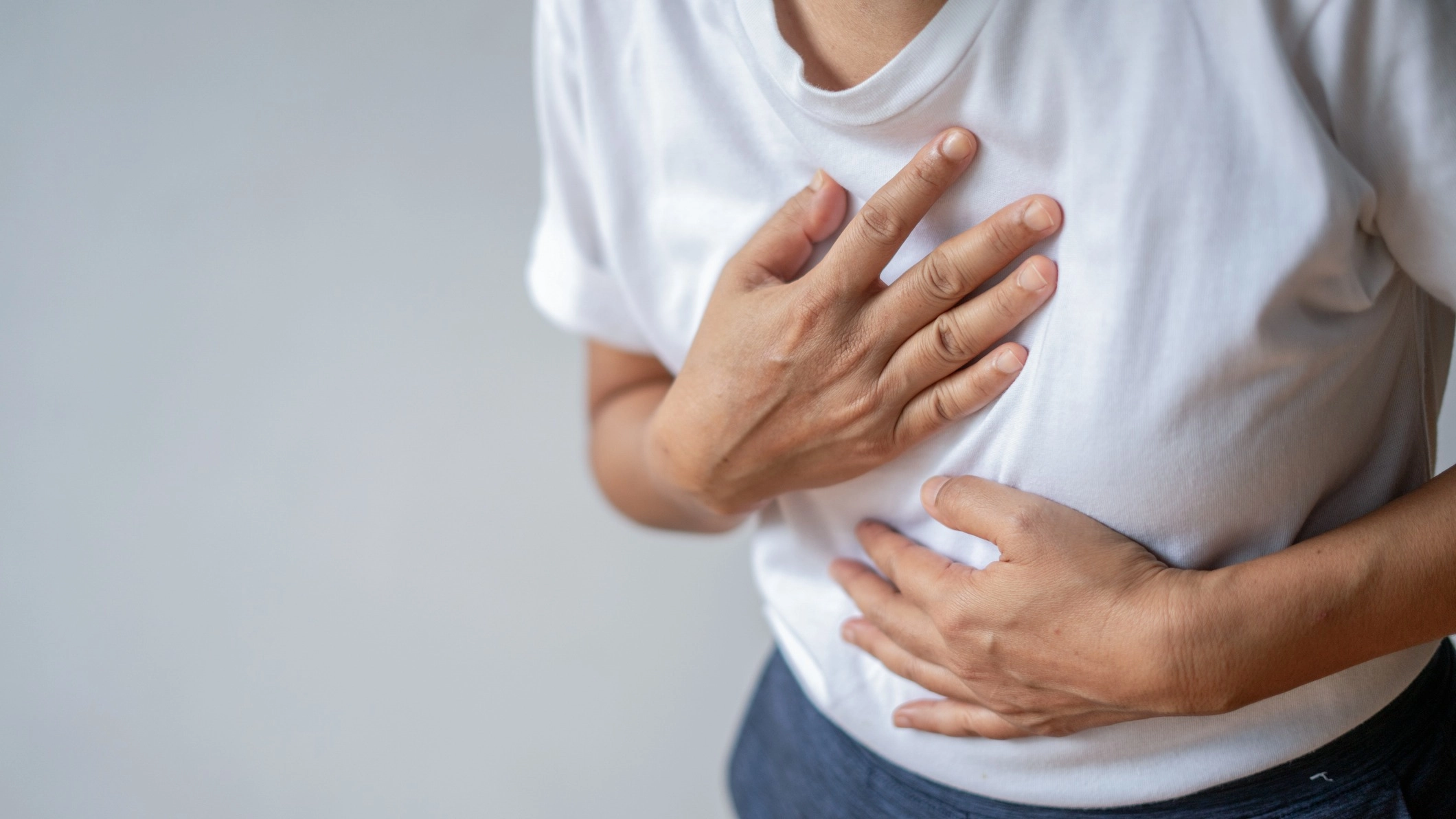
Five signs you could be at risk of ‘silent killer’ as cases in young women spike

A serious health issue affecting increasing numbers of women can often be overlooked because its warning signs aren't always obvious. From unusual fatigue to discomfort that may seem unrelated, an expert says there are five key symptoms everyone should know. Recognising them early could make all the difference.
Many people may think heart attacks may only impact a specific demographic or that they all look the same - a dramatic scene in which the person clutches their chest in severe pain and collapses, however a GP has explained why this is not always the case.
There are more symptoms you should be aware of and they impact women, particularly younger women, the expert says. They can be more subtle and therefore easier to brush off.
Speaking to Tyla, Dr Dominic Greenyer, a private GP at The Health Suite, said: “While awareness of heart disease has improved, we still see women delaying medical attention because they do not recognise that their symptoms could be heart-related. This can be especially true when symptoms are mild, intermittent or don’t fit the classic picture portrayed in films and television.”
Advert
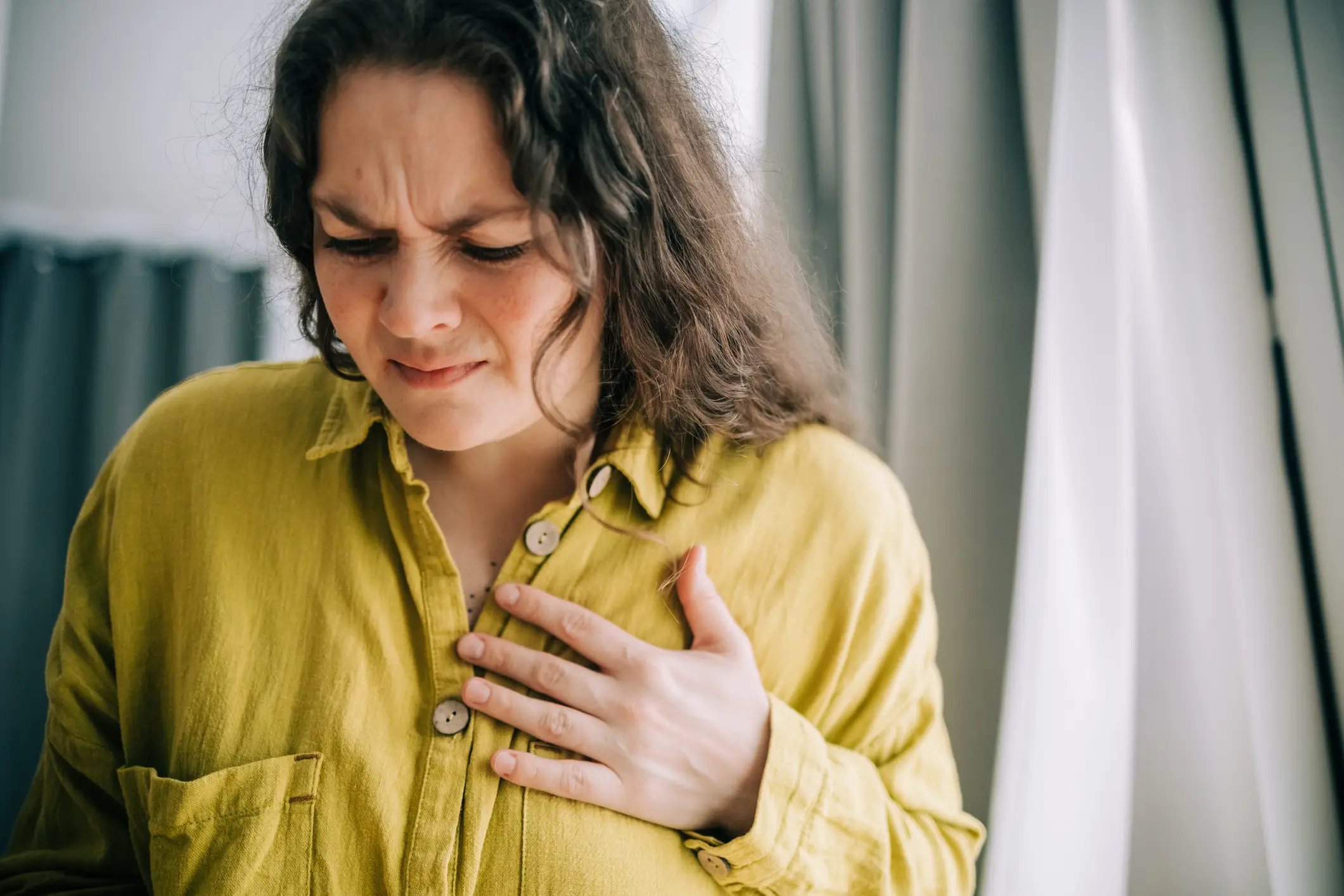
Cardiovascular health can be affected by smoking, obesity, high blood pressure, diabetes, high cholesterol, a family history of heart disease, and certain pregnancy complications. Other issues such as stress, poor sleep and a sedentary lifestyle may also put your cardiovascular health at risk over time.
"One of the biggest challenges is that symptoms can sometimes appear very differently in women than expected,” Greenyear said.
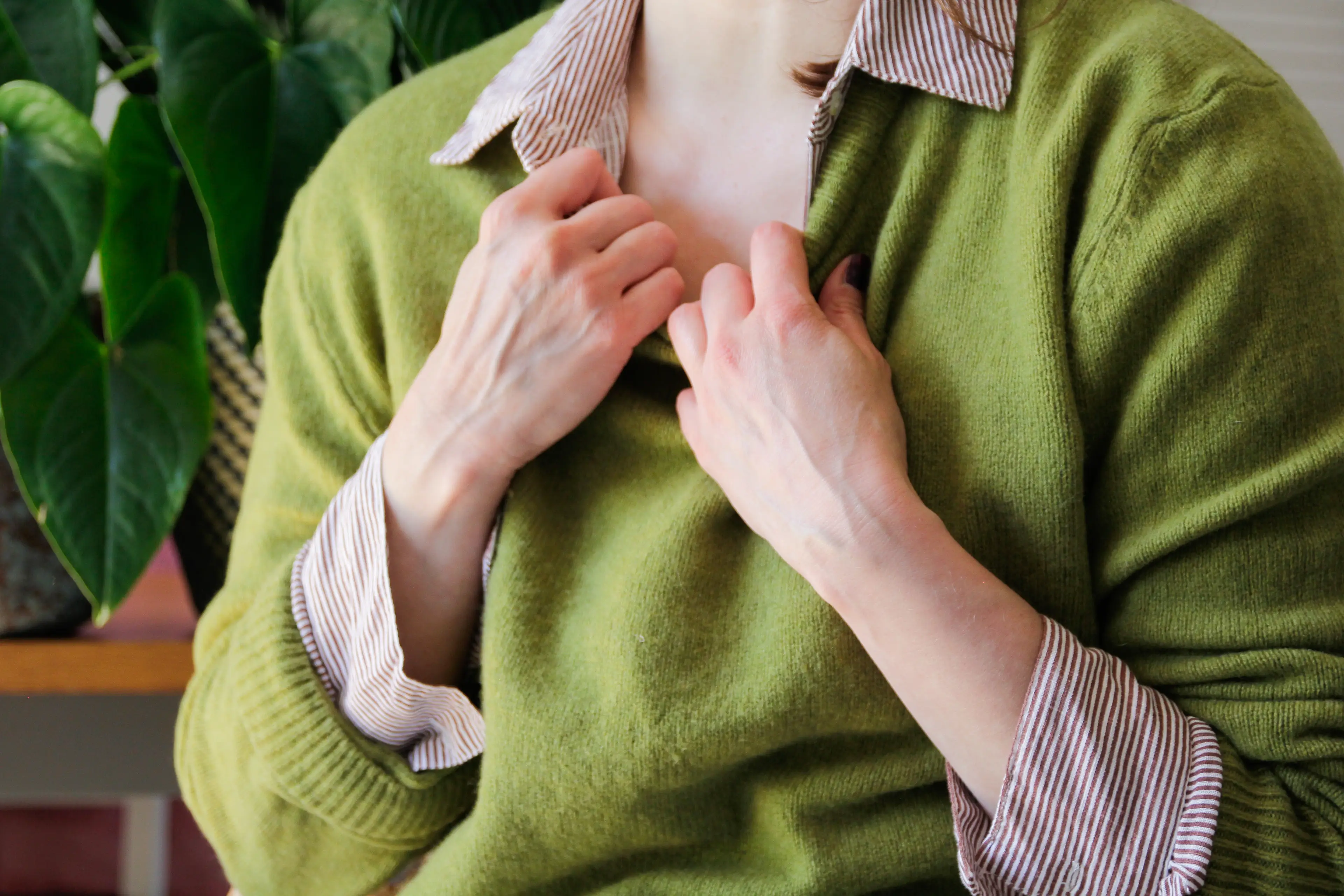
Five signs women should never ignore include:
Unusual fatigue
Feeling overwhelmingly tired for no obvious reason, particularly if it is new or persistent.
Shortness of breath
Becoming breathless during activities that would normally feel manageable.
Discomfort in the jaw, neck, shoulder or arm
Heart-related pain does not always occur in the chest and may present elsewhere in the upper body.
Nausea or feeling generally unwell
Some women describe feeling sick, dizzy or simply sensing that something is not right.
Chest pressure or tightness
Rather than severe pain, many women experience heaviness, squeezing or discomfort in the chest.
"It’s important to stress that these symptoms can be caused by many different conditions and do not automatically mean someone is having a heart attack," Greenyer says. "However, if symptoms are sudden, severe, worsening or occurring together, urgent medical attention should be sought immediately.
"The key message is that women should trust their instincts. If something feels significantly different from normal, it is always better to get checked than to ignore it.”
Topics: Health, Women's Health, News
 Greg Harris