Simple ways to reduce high blood pressure risk as mortality rates surge among young women

High blood pressure is often framed as a health issue that becomes more relevant later in life, which is one reason the latest figures involving younger women have drawn such concern, and why knowing the ways to combat it is more important than ever.
Because hypertension (the condition’s other name) rarely comes with obvious symptoms, it can go undetected for years while continuing to place strain on the heart and blood vessels, which is why it’s also known as a ‘silent killer’. That is why routine checks and early intervention remain such a major part of public health advice, particularly as experts warn that too many cases are still being picked up too late.
It also helps explain why doctors have continued to stress that prevention matters long before any formal diagnosis can be made.
Advert
Guidance from the NHS and Mayo Clinic has for years pointed to a familiar list of risk-lowering measures, from diet and exercise to limiting salt and alcohol, but new research suggests the urgency around those messages is growing.
That fresh concern follows findings presented at the American College of Cardiology's Annual Scientific Session, reported by News Medical, which showed deaths linked to hypertensive heart disease among women aged 25 to 44 rose from 1.1 per 100,000 in 1999 to 4.8 per 100,000 in 2023.
Over 29,000 women died from hypertensive heart disease-related death during the study period, according to the research.
Lead author Alexandra Millhuff said: "Rising mortality for young women with hypertensive heart disease reflects an underestimation of cardiovascular risk, delayed diagnosis and missed opportunities for early intervention. This study underscores the urgent need for specific prevention strategies."
She also added: "We need to be screening patients of this demographic for hypertension more aggressively, and that includes mitigating risk factors and possibly using antihypertensive medications. Even though hypertension is more prevalent in older populations, it's something that we need to be vigilant about in younger populations, as well."
In light of this new modern stance, health advice on reducing blood pressure risk has taken on renewed significance.
In its broader guidelines, the NHS specifically says that, along with the aforementioned improved diet, exercise, and limiting of blood and alcohol, losing weight if a person is overweight is especially important, too. It also recommends cutting back on caffeine as well as salt, and alcohol — alongside avoiding smoking for improved heart health.

The Mayo Clinic’s guidance similarly points to a broader list of practical measures that can help bring blood pressure down before it becomes a more serious issue.
Alongside regular aerobic exercise, and as part of maintaining a healthy weight, people should also follow an eating plan built around whole grains, fruit, vegetables, and low-fat dairy while cutting saturated fat and cholesterol. It also recommends helping achieve a reduced sodium (salt) intake by avoiding heavily processed foods, checking labels, and using herbs and spices instead of reaching straight for the salt.
Better sleep, particularly for people dealing with disrupted breathing at night, is another factor flagged as part of the bigger picture.
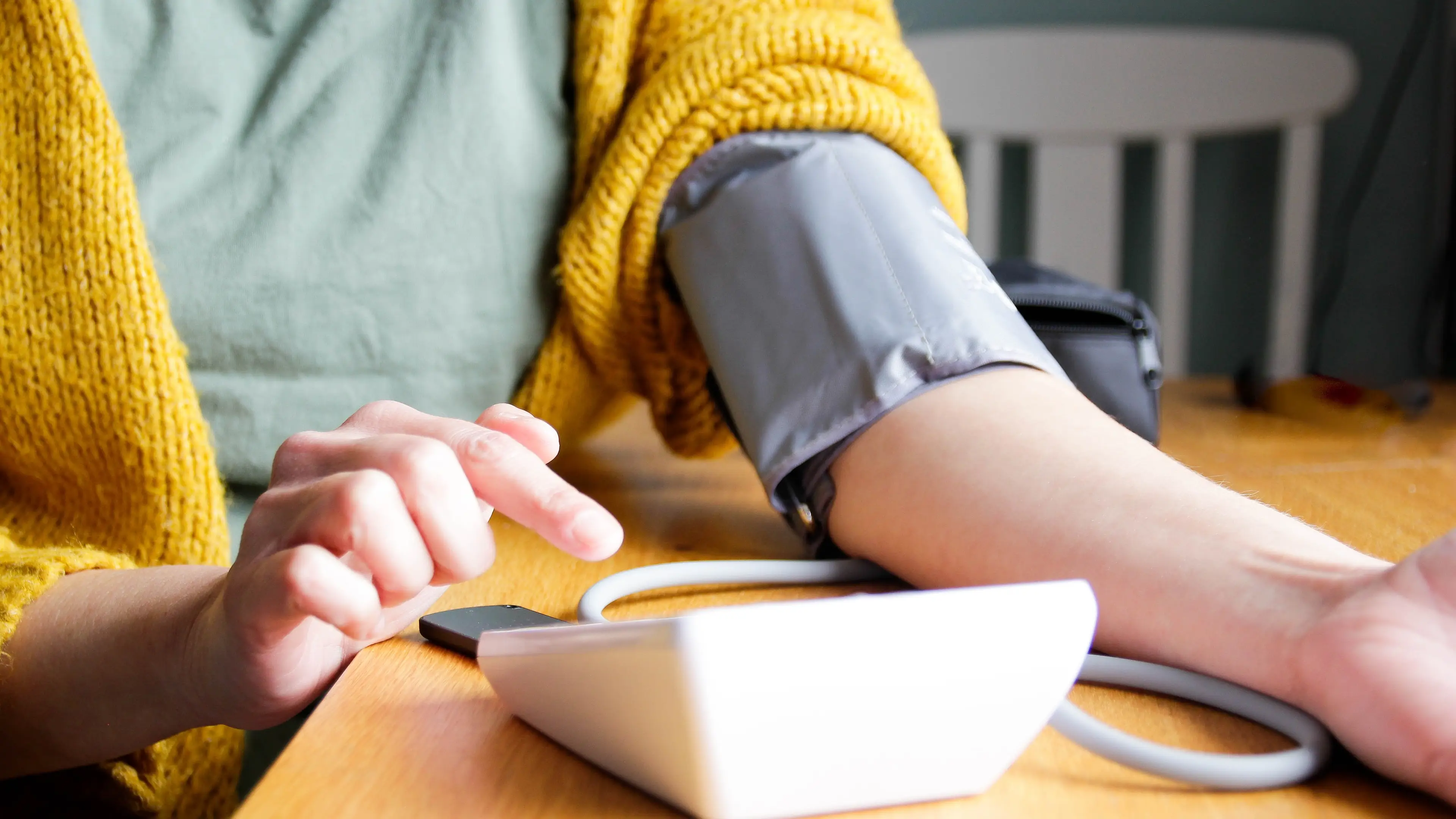
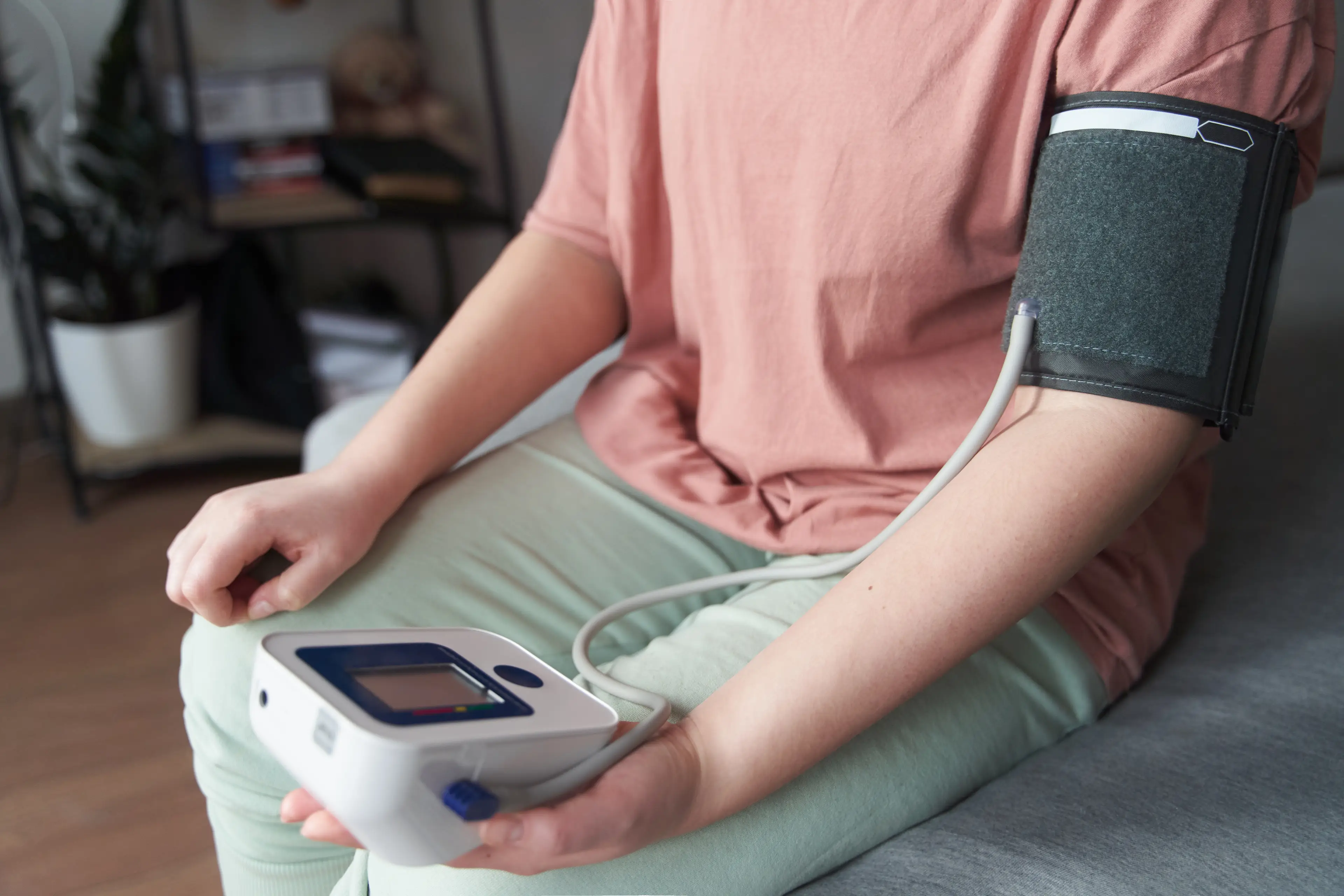
There is also a focus on stress, with experts advising people to identify triggers, make time to relax, and take steps to manage pressures where possible. Monitoring blood pressure at home and keeping up with regular check-ups can also help flag changes early.
Topics: Women's Health, NHS
 Ben Williams