
Rise and fall of skincare's 10 step routine as dermatologist explains benefits of keeping it simple

There was a time when a skincare routine wasn't considered a 'proper' skincare routine unless it involved approximately 47 products.
First came the double cleanse. Then toner. Then essence. Then an exfoliating acid. Then a serum for hydration, another for brightening, perhaps a retinoid if you were feeling ambitious, eye cream (obviously), moisturiser and, finally, SPF.
If you were particularly committed to the viral 'glass-skin' agenda, you might even throw in a face oil for good measure.
The 10-step skincare routine became the blueprint for 'good' skin, fuelled by the global obsession with Korean beauty products and an ever-growing list of ingredients promising to make pores disappear, pigmentation fade and cheekbones look almost eerily dewy.
Advert
But, as every woman is painfully aware, beauty trends move fast - and now, after years of being told that our skin needed more, the internet is suddenly telling us it needs less.
That's right, the skin barrier is speaking out and seemingly doesn't intend to shut up
According to Dr Bernard Ho, Consultant Dermatologist and spokesperson for the Skin Health Alliance, however, the shift towards simpler routines is actually a welcome one.
"Speaking from a dermatology perspective, seeing the online shift from complicated, multi-step routines to more pared-back AM and PM regimens is reassuring," he told Tyla.
Read more: What are ceramides? We asked a dermatologist
"For too long, the onus has been on a 'more is more' approach, but this can actually do more harm than good, especially when layering many different active ingredients, as these can counteract each other and disrupt the skin barrier in the process."
So, basically, your 10-step routine wasn't making your skin ten times better? Ah, right. Got it.
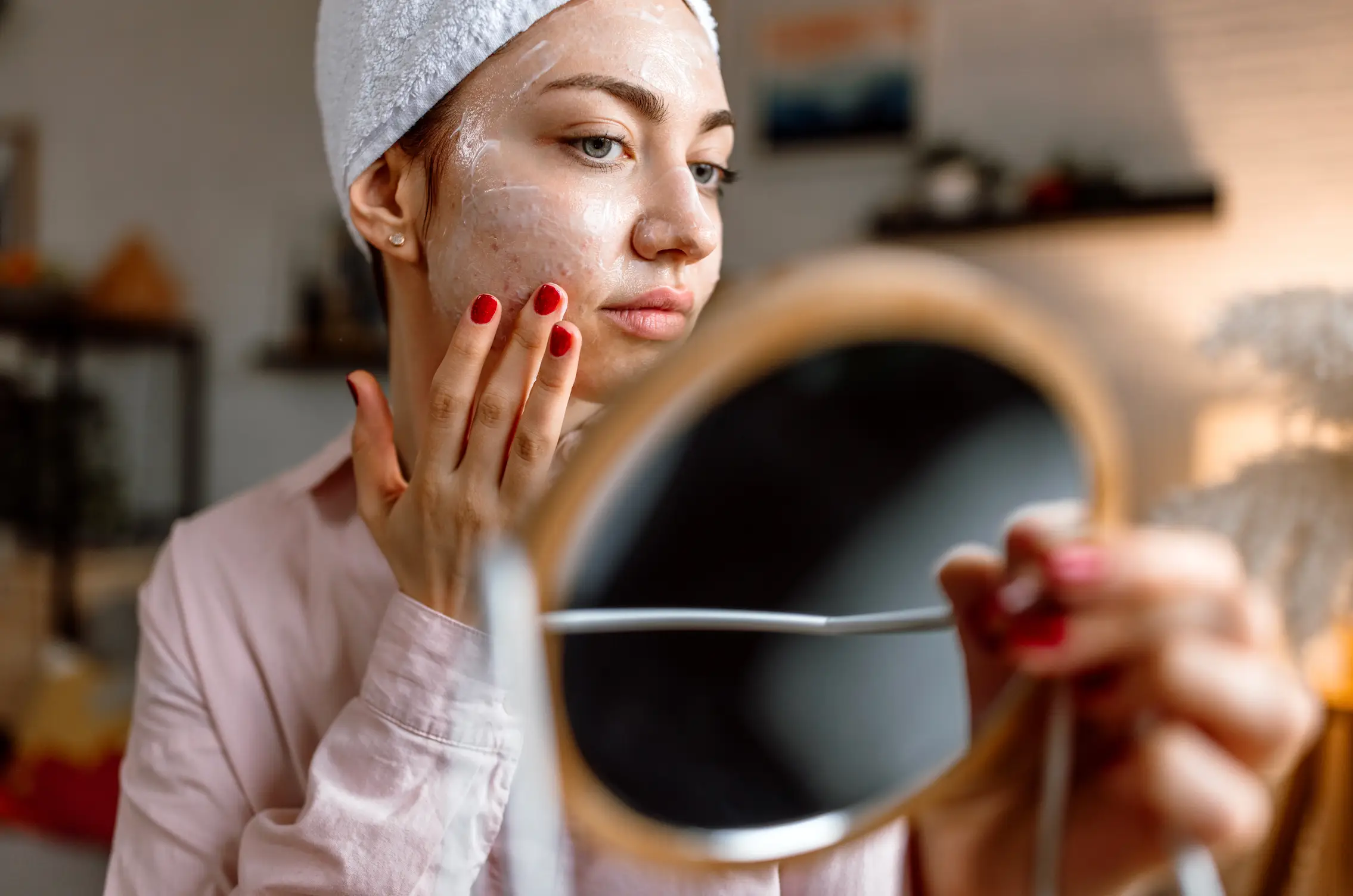
Dr Ho says current short-term evidence favours a much simpler approach - 'a gentle cleanser, targeted active treatment to address skin concerns (if necessary), a lightweight moisturiser and an SPF 50+ in the morning'.
There's a catch to his comment, however, because this doesn't mean every serum you've ever bought belongs in the bin.
It's about being more strategic with what you us, as well as understanding that ingredient quality matters more than the number of bottles you've collected.
"You can build certain ingredients into this basic routine to keep skin longevity front of mind," Dr Ho continued, adding that it's specifically the lipid content of skincare, rather than simply adding 'moisture', that helps repair the skin barrier.
"Humectant-only formulas can ease the sensation of dryness without meaningfully improving barrier integrity," he went on.
"Well-formulated, ceramide-containing products, meanwhile, act like the mortar that holds the skin barrier together, helping to limit transepidermal moisture loss that can increase with age."
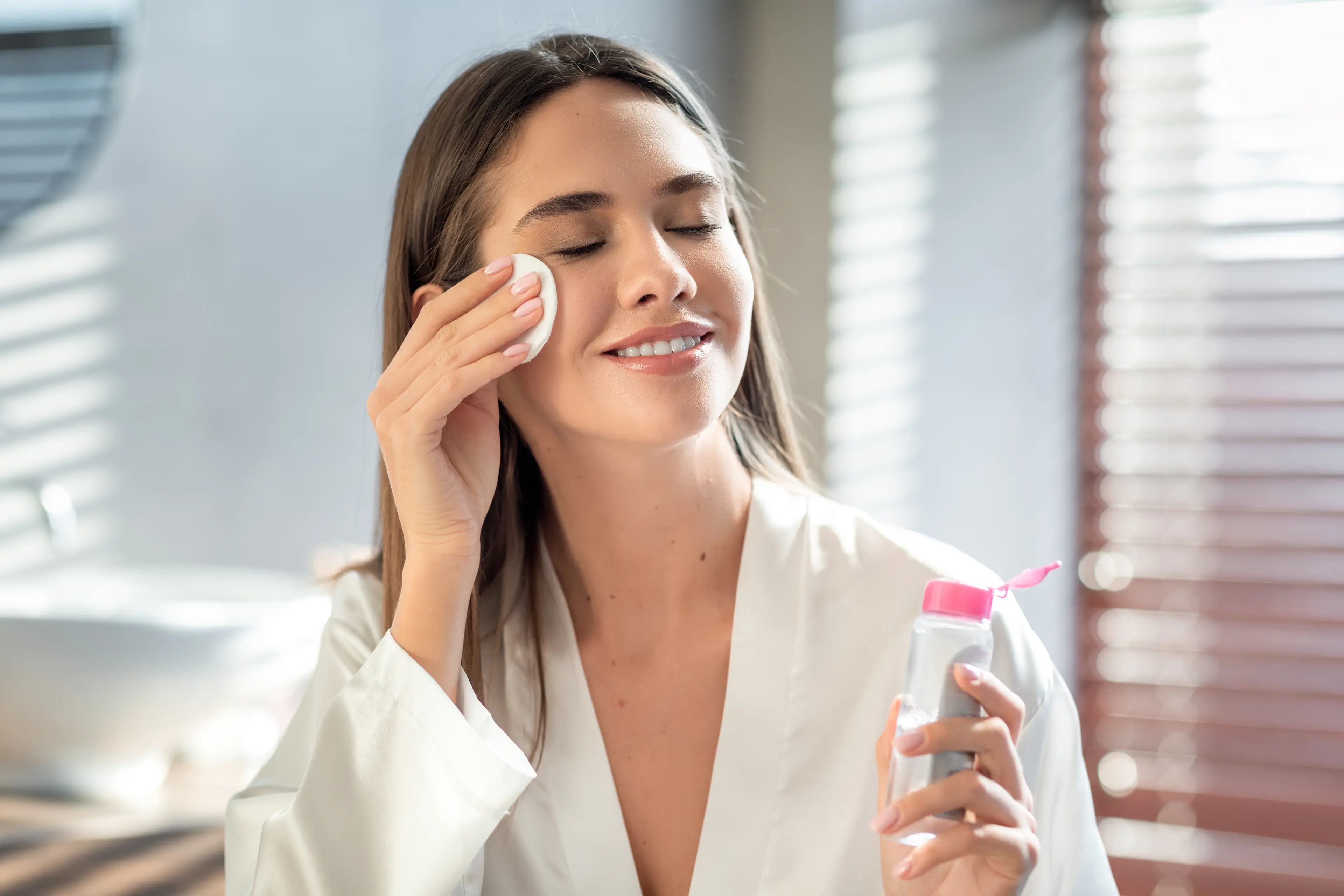
And, as we say, you apparently don't necessarily need to add another step to get those ingredients into your routine.
Ceramides and other barrier-supporting ingredients can already be found in cleansers, moisturisers and SPF.
This bring us to the 'real problem' with the 10-step era - the reality that more products can mean more opportunities for your skin to get annoyed.
Robert Bradshaw, Superintendent Pharmacist at Oxford Online Pharmacy, says the appeal of the jam-packed routine was partly driven by the constant stream of products promising to transform our appearance.
Read more: How to actually fix adult acne
Commercialism at it again? Shock.
"Beauty trends are always changing, with new products advertised every day that promise to change your appearance," he also told us. "A 10-step skincare routine is an example of a trend that caused people to think they need multiple products to keep them looking and feeling fresh.

"But recently, people are opting for simpler routines - fewer steps, the better. This is likely due to a rising concern about skin barrier protection."
And it's not as if this concern is totally unfounded.
As Bradshaw explained, the skin barrier is the outermost layer of skin, helping protect against irritants such as pollution while retaining moisture.
So, when he start chucking a horde of powerful actives on top of it, things can get complicated.
"Your skin barrier can be very sensitive, so mixing harsh ingredients or active chemicals like retinoids with acid exfoliants can strip your skin of natural oils, causing increased irritation and moisture loss," he continued.
It's probably worth emphasising that there are also plenty of reasons your barrier can become compromised that have nothing to do with your bathroom cabinet, including genetics, age, seasonal changes and stress.
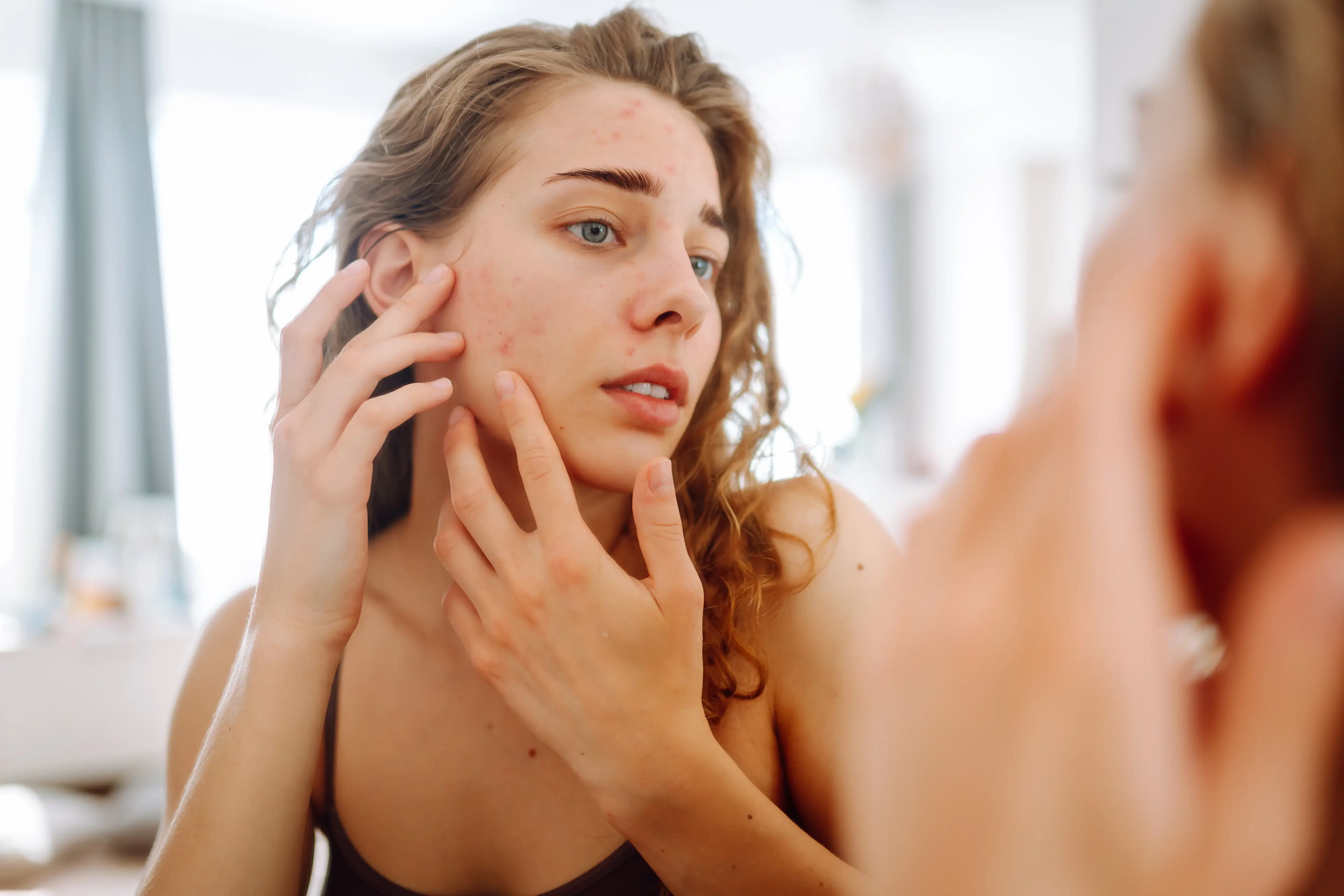
With that in mind, it feels natural to wonder how you know when your skin has officially had enough.
Thankfully, we have Bradshaw on hand to give us a clue.
"If your skin feels tight, stings when you apply products, or looks red and flaky, that is usually a sign the barrier is struggling," he warned.
Asked his advice, the medic urged readers to 'strip your routine back to a gentle cleanser, a simple moisturiser, and a daily SPF, then reintroduce one active at a time with a couple of weeks in between, so you can see what your skin actually tolerates'.
Before we round things off, we should probably say that this article doesn't mean the 10-step routine was some huge beauty industry conspiracy, or that everyone who uses multiple products is destined for a damaged skin barrier.
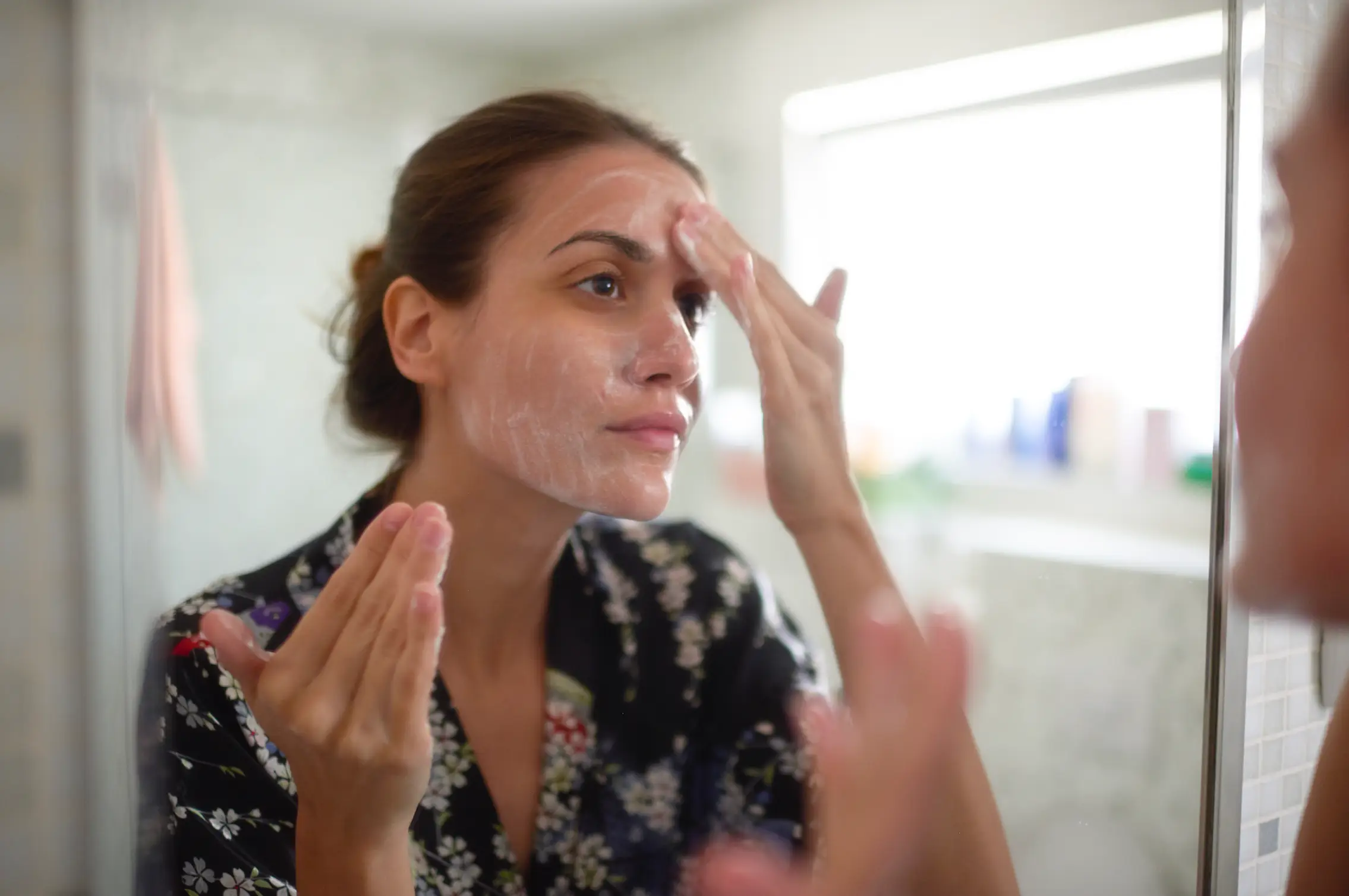
Skin is individual, and what works beautifully for one person can leave another red, irritated and desperately googling 'how to fix my face'.
Even Dr Ho notes that there hasn't been a long-term study directly comparing a 10-step routine with a basic routine.
What has changed, perhaps, is the idea that an elaborate routine is automatically a 'better one'.
After years of chasing glass skin with increasingly complicated routines, the latest beauty flex might be knowing when to stop.
 Rhianna Benson