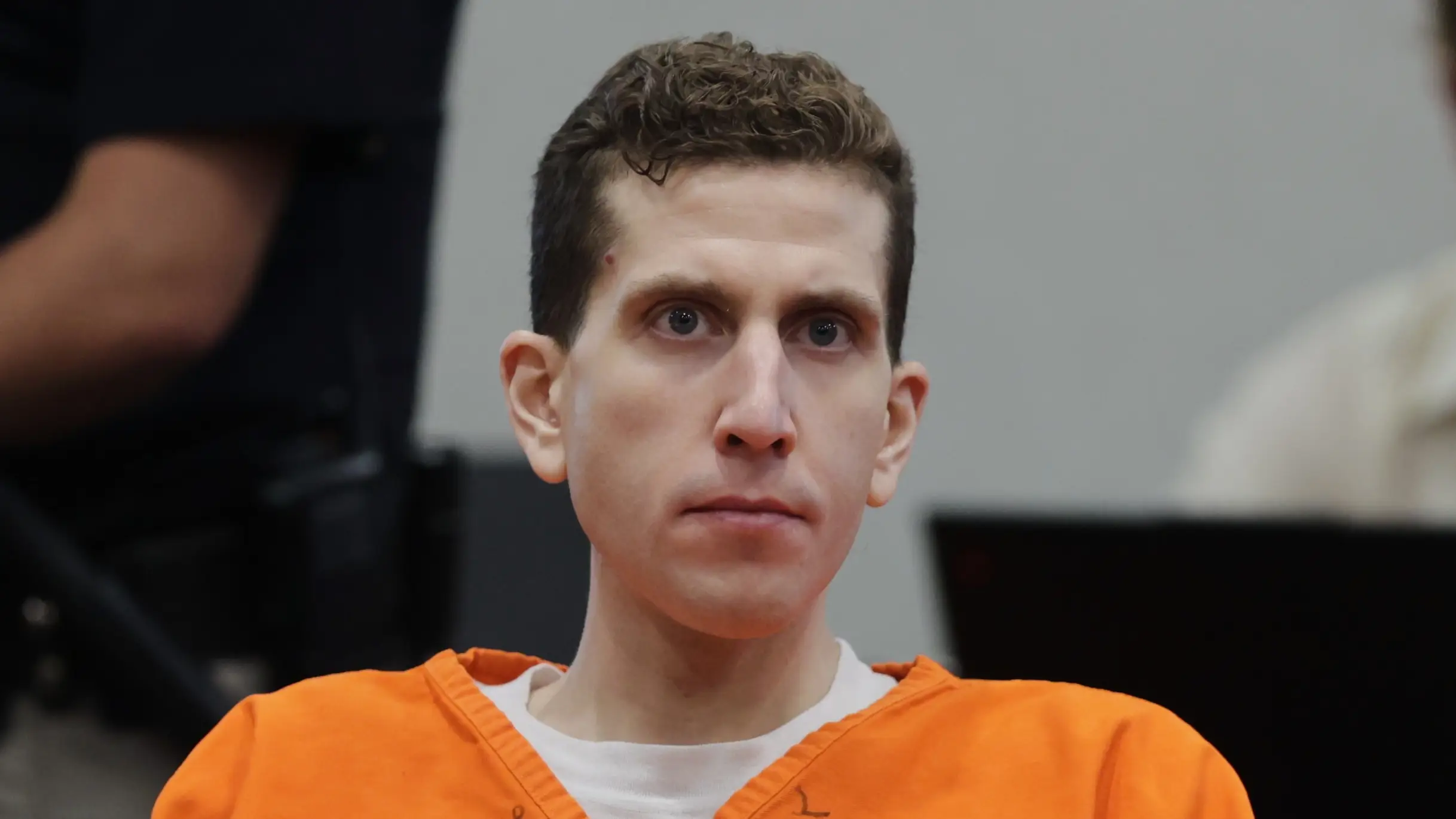
Two women survived Bryan Kohberger's attack - how they're rebuilding their lives today

Netflix's latest true-crime documentary, The Idaho Murders: College Nightmare, has brought one of America's most horrifying recent murder cases back into the spotlight.
The documentary revisits the brutal 2022 killings that shocked the small college town of Moscow, Idaho, examining the investigation that ultimately led to the conviction of multiple murderer Bryan Kohberger.
While much of the series focuses on the four students whose lives were tragically cut short, it's also left many viewers wondering about the two roommates who survived the attack.
Publicly, both Bethany Funke and Dylan Mortensen have chosen to step away from the spotlight in the years since the murders.
Advert
But through emotional victim impact statements and a handful of confirmed updates, they've offered a heartbreaking insight into the lasting trauma of surviving one of the most notorious crimes in recent history.
What happened in the Idaho murders?
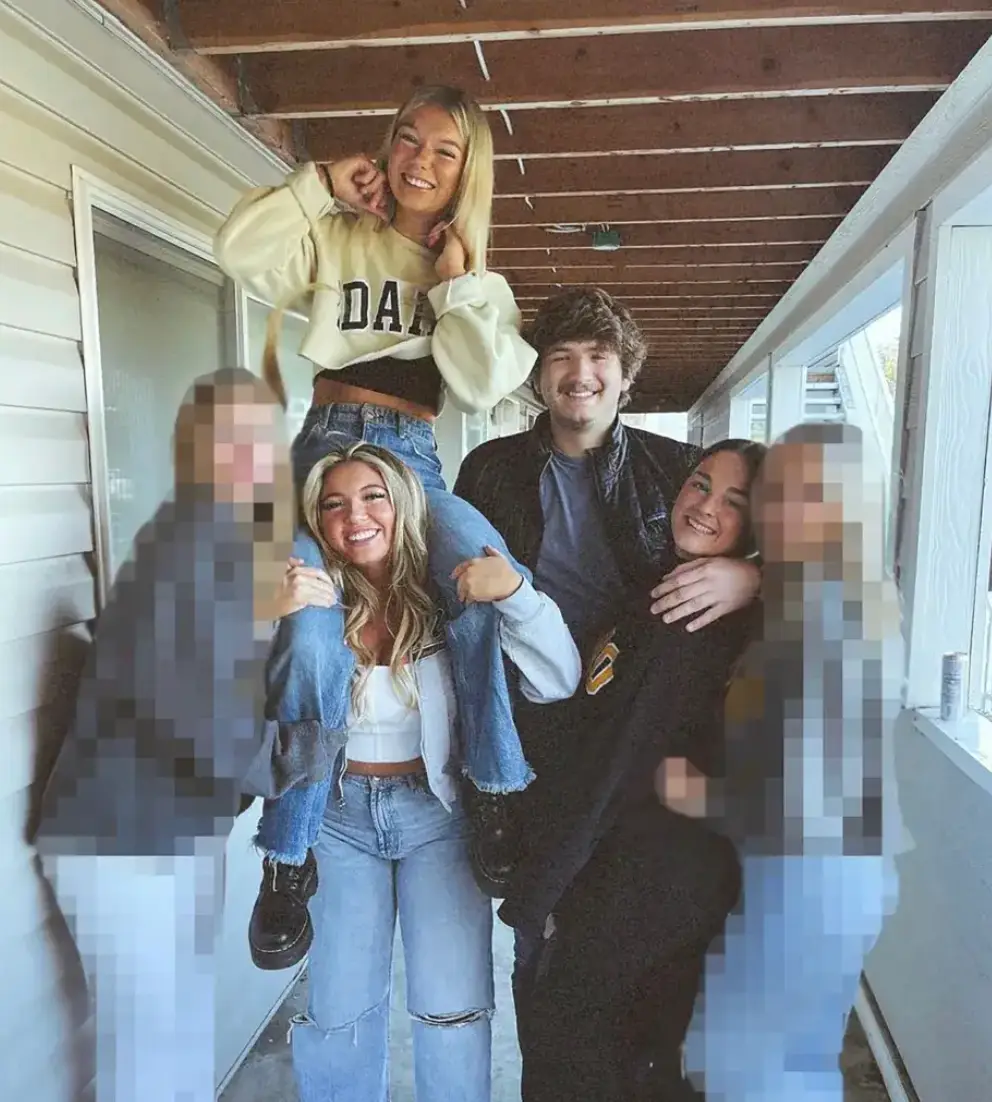
In the early hours of 13 November 2022, University of Idaho students Kaylee Goncalves, Madison Mogen, Xana Kernodle and Ethan Chapin were stabbed to death inside the off-campus home they shared in Moscow, Idaho.
Goncalves, Mogen and Kernodle were all close friends and students at the university, while Chapin was Kernodle's boyfriend and had been staying over that night.
Two other roommates, Bethany Funke and Dylan Mortensen, were also inside the property during the attack but survived.
Investigators later revealed that Kohberger entered the home in the early morning hours before fatally attacking the four students. Mortensen later told police she saw a masked man dressed in black walking through the house before he left through a sliding glass door.
Authorities have never publicly identified a clear motive for the killings.
Questions have long surrounded why Funke and Mortensen were spared, but investigators have never provided a definitive explanation.
Former FBI agents have suggested the attacks may have ended because Kohberger believed everyone in the home had been targeted, because he wanted to leave quickly, or because he feared being caught after spending longer than expected inside the property.
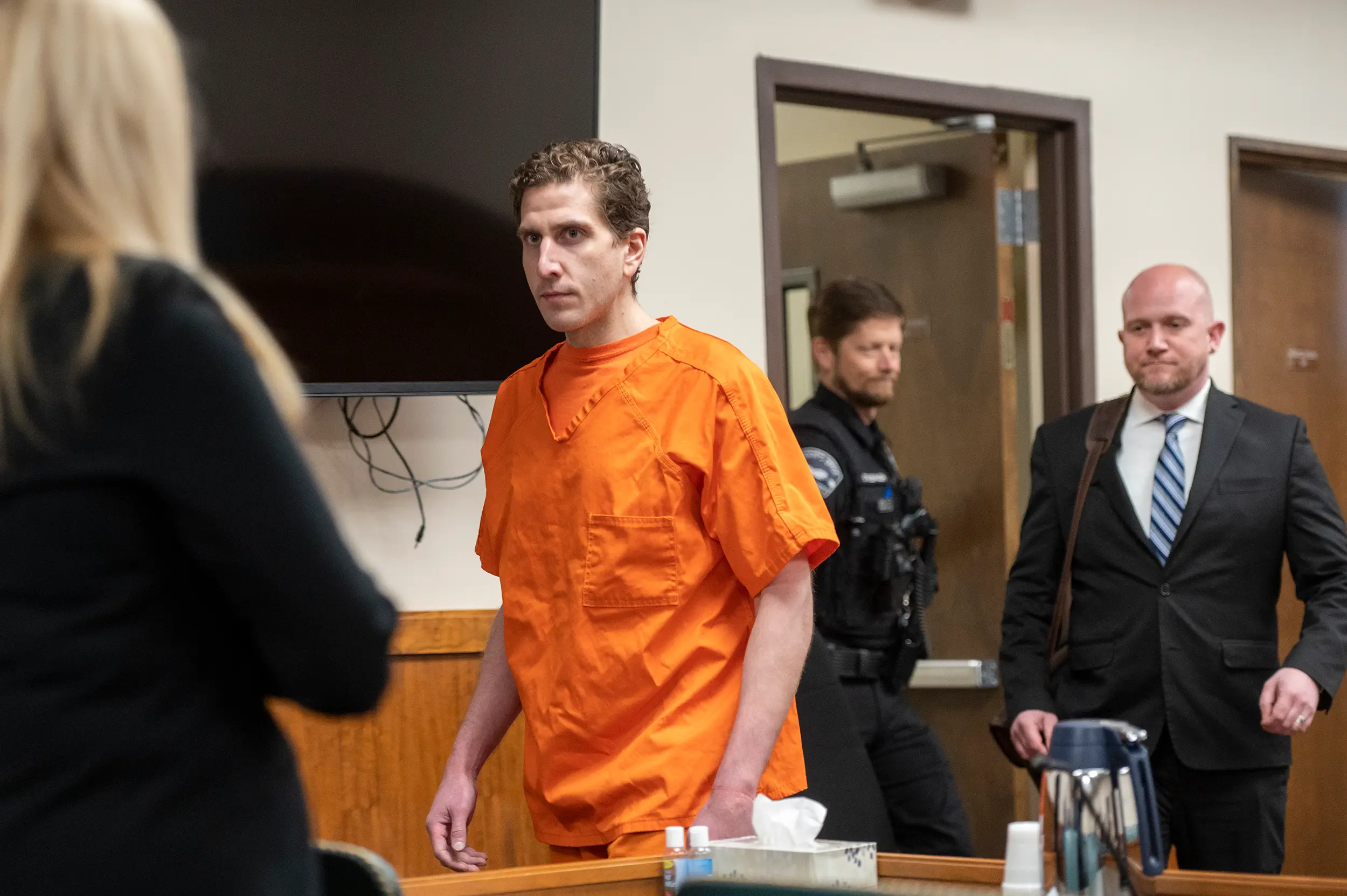
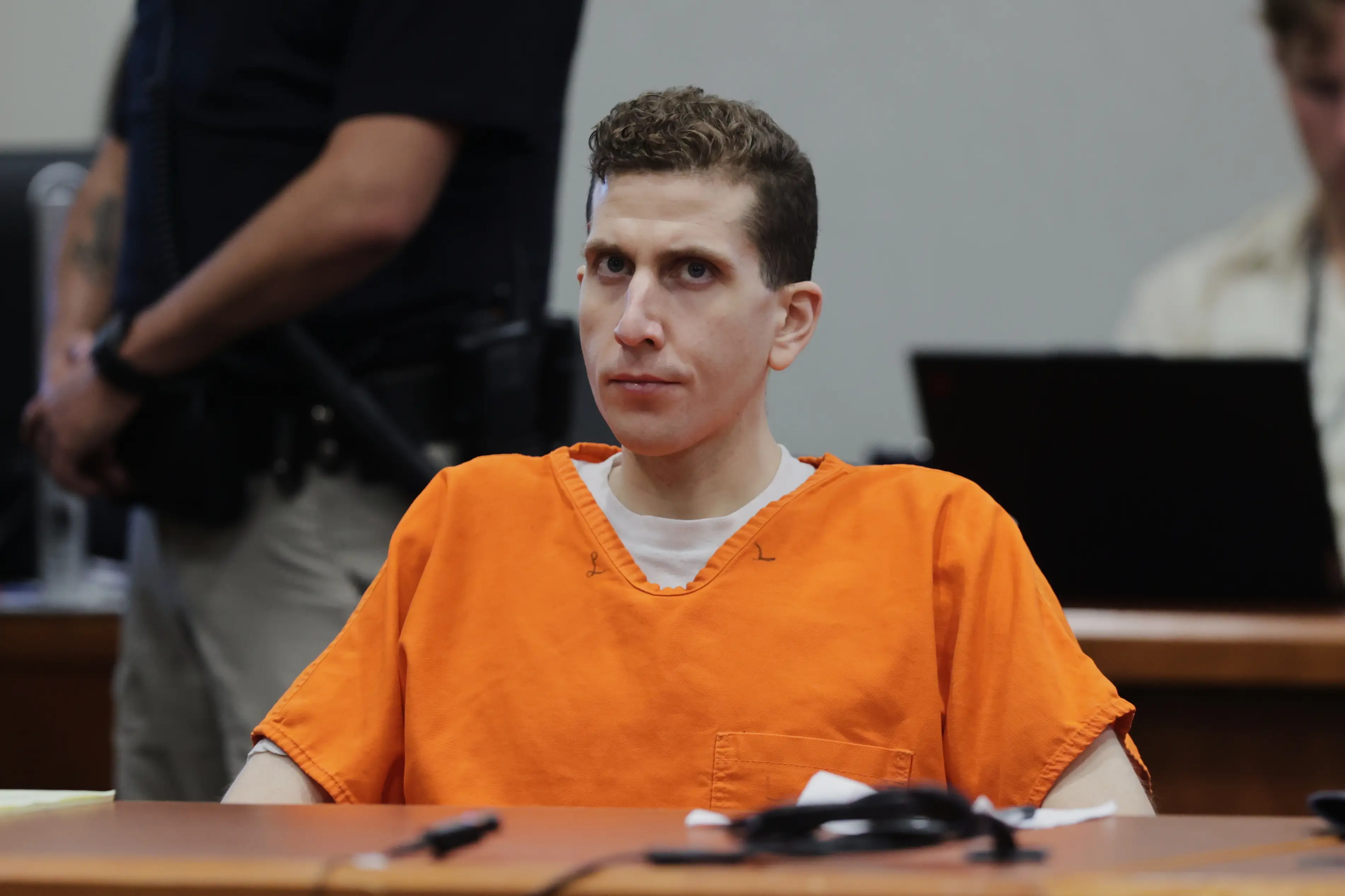
Earlier this year, Kohberger was sentenced to four consecutive life sentences without the possibility of parole after pleading guilty to the murders, bringing an end to years of legal proceedings for the victims' families and those who survived.
Where is Bethany Funke now?
Since the murders, Bethany Funke has largely remained out of the public eye.
According to PEOPLE, following the attack, she left the University of Idaho and transferred to the University of Nevada, Reno, where she has continued studying public health, allowing her to continue her education away from Moscow.
Although she did not attend Kohberger's sentencing in person, a close friend read her victim impact statement aloud in court.
In the statement, Funke described the overwhelming survivor's guilt that continues to haunt her, revealing she asks herself every day: "Why me? Why did I get to live and not them?"
She also admitted she still carries immense regret over not realising sooner what had happened, writing: "I lived in complete ignorance while my friends were being murdered. I was asleep. They were fighting for their lives."
Funke said she struggled to even look at the victims' families because of the guilt she carried, despite knowing rationally that calling for help sooner would not have changed the outcome.
The lasting trauma has affected almost every aspect of her daily life.
She revealed she slept in her parents' bedroom for around a year after the murders, still checks every room before going to bed and struggled to get out of bed for a long time afterwards. She also said she has 'not slept through a single night since this happened'.
Funke explained that online abuse only deepened her suffering, saying: "Social media made it so much worse and strangers made up stories to entertain themselves," adding that people tracked down both her family and their home while she was trying to grieve.
Despite everything, she said she eventually realised she had to 'live for them' — the four friends she lost — adding: "Everything I do, I do it with them in mind."
Where is Dylan Mortensen now?
Like Funke, Dylan Mortensen has spent almost three years rebuilding her life away from public attention.
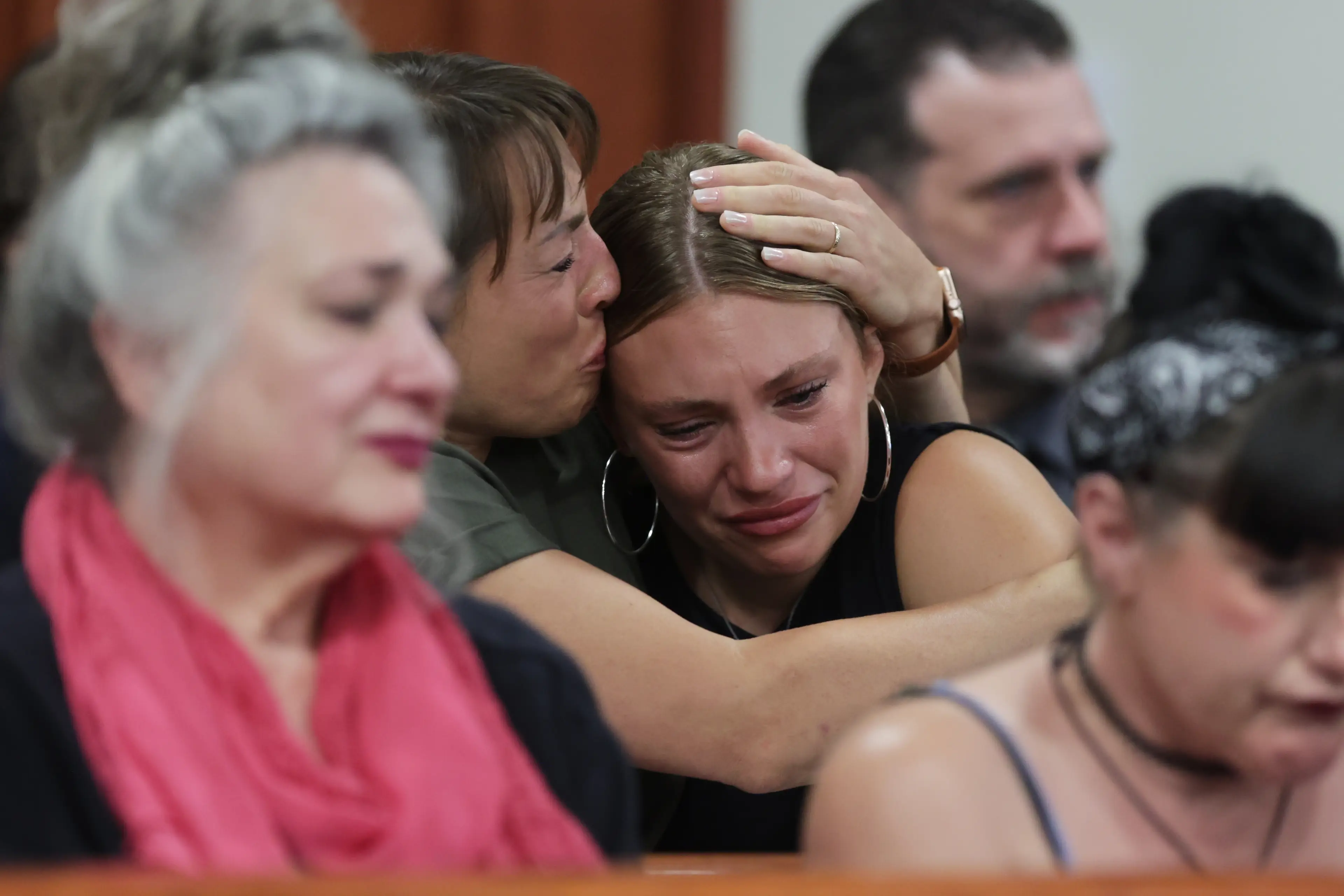
She remained publicly silent until Kohberger's sentencing, where she delivered an emotional victim impact statement describing the profound effect the murders have had on her life.
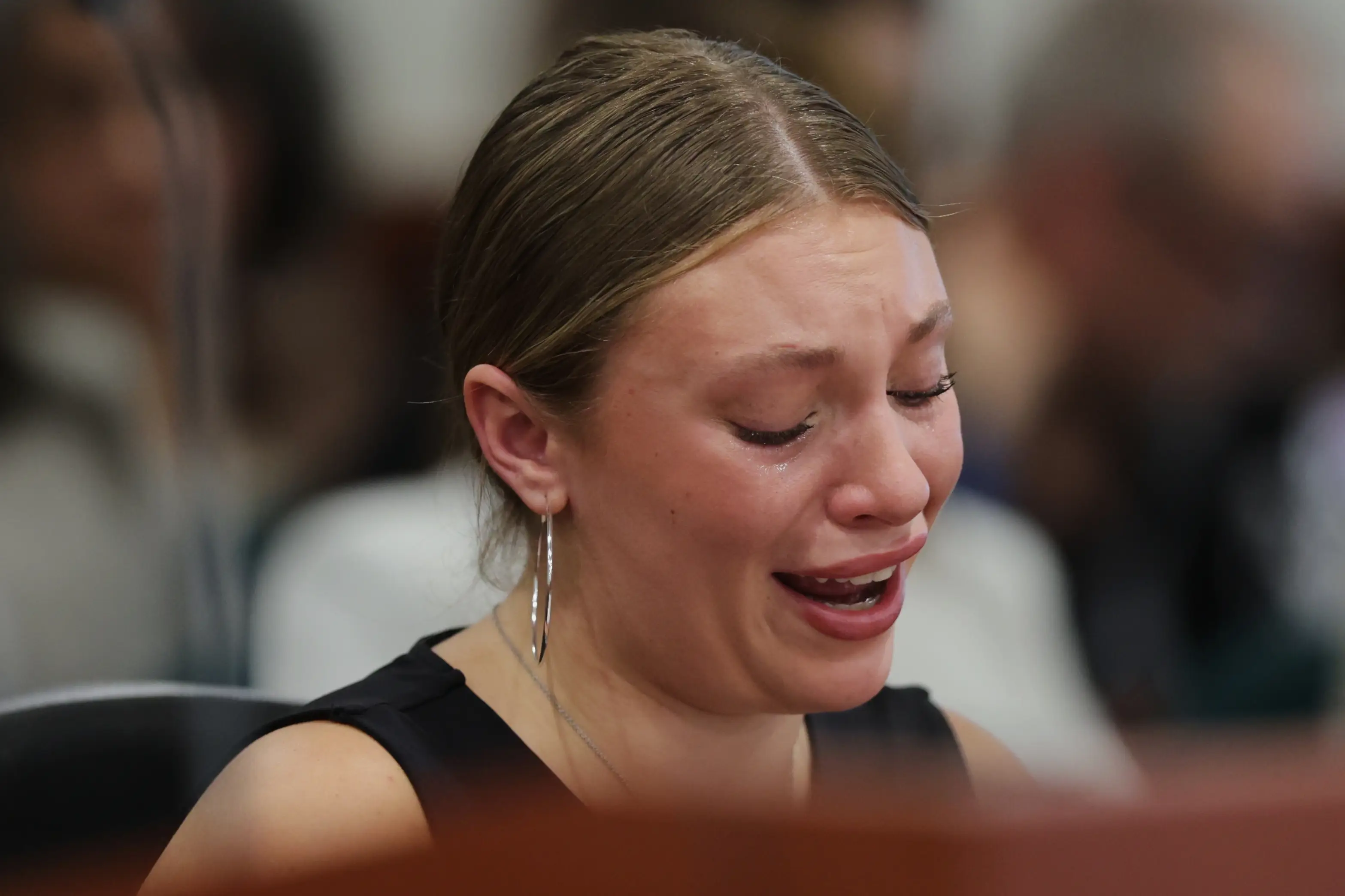
Mortensen told the court Kohberger had 'shattered' her life and said the grief and trauma continue to shape her every day.
Addressing Kohberger directly, she described him as 'a hollow vessel, something less than human, a body without empathy, without remorse', before adding: "He didn't just take their lives. He took the light they carried into every room."
However, she also delivered one of the hearing's most powerful moments, declaring: "He may have taken so much from me, but he will never get to take my voice."
It marked the first time Mortensen had spoken publicly since the murders after spending years quietly helping investigators while trying to heal.
According to family members, Mortensen has required extensive long-term trauma therapy, relocation assistance and continued support as she adjusts to life after surviving the attack.
A fundraising campaign organised by relatives said she spent more than two years quietly cooperating with investigators while rebuilding her life after the unimaginable events of that night.
Why the survivors have stayed out of the spotlight
Unlike many people connected to high-profile criminal cases, neither Funke nor Mortensen has sought publicity in the years since the murders.
Neither has become a media personality, written a memoir or given television interviews about their experiences.
Although recordings and previously released material featuring the pair appear in Netflix's The Idaho Murders, neither woman participated directly in the documentary.
Instead, the few public updates they've shared paint a picture of two young women determined to focus on healing rather than reliving the tragedy.
Funke continues her university studies in Nevada while managing lasting survivor's guilt and anxiety, while Mortensen remains committed to her recovery through therapy and the support of her family.
Through both their words and actions, they've made it clear they don't want to be defined solely by surviving one horrific night, but by the friends they continue to honour and the lives they are trying to rebuild.
Topics: Bryan Kohberger, Crime, True Crime, Netflix, Real Life
 Rhianna Benson