
Awful crimes Texas' seven death row women did to get fatal prison sentences

There are few places in America where the words 'death row' carry quite the same weight as they do in Texas.
Behind the walls of the Patrick O'Daniel Unit in Gatesville's maximum-security prison sit seven women who have each been handed the ultimate punishment after being convicted of capital murder.
Their cases range from violent domestic killings and robberies to harrowing crimes involving children, babies and elaborate webs of deception.
In fact, one case is so horrific that Netflix recently turned it into a documentary, which left viewers around the world stunned and sickened.
Advert
Taylor Rene Parker's 2020 murder of pregnant 21-year-old Reagan Simmons-Hancock and the chilling attempt to take her unborn baby is at the centre of Maternal Instinct, which premiered on Netflix in June 2026.
Netflix described the case as an 'unthinkable criminal case', while the documentary's director called the circumstances almost too shocking to believe.

But Parker is just one of seven women currently sentenced to death in Texas.
Their stories are disturbing for very different reasons, and, according to consultant and forensic psychologist Dr Kerry Daynes, they also raise uncomfortable questions about abuse, gender and the psychological toll of spending decades waiting for execution.
The psychology behind female killers
"Women make up about 2% of America's death row," Dr Daynes exclusively told us. "What tends to separate them from the men is that most killed someone close to them - a partner, a child, occasionally a co-defendant who walked away with a lighter sentence for a similar or identical act."
She says the methods used also tend to differ, with women more often using a sharp object against adult victims and asphyxiation against children, while poisoning, when it appears, 'skews heavily female'.
Behind the crimes, Dr Daynes adds, however, there's another unnerving pattern.

"At least 96% of women on death row have documented histories of sexual, physical or psychological abuse," she noted. "Clearly, most abused women never kill anyone; therefore, 'she was abused' is not a tidy explanation for homicide."
Instead, she argues, the statistic highlights how many women arrive in court after experiencing years of harm themselves, something she believes has historically been poorly represented during sentencing.
The 'failed woman' problem
"There's also what I'd call the 'failed woman' problem," Dr Daynes adds. "Society holds two competing scripts for female behaviour: the nurturer or the cold woman capable of premeditated violence."
She claims this can create a particularly stark contrast when a woman is accused of a brutal crime, with defendants potentially being judged according to how closely they fit expectations of femininity or motherhood.

There's also the fact that, once a woman is sentenced to death, the punishment doesn't just consist of the prospect of execution, but can mean years or even decades waiting in isolation.
"There's a kind of psychological narrowing," Dr Daynes says of the experience. "Days come to mean nothing beyond the routine that fills them, because routine becomes the one thing a person can still control."
Some women, she says, become numb when hope of appeal begins to disappear, while others describe a calm or religious acceptance, coping mechanisms that can help them psychologically survive the wait for death.
Texas' seven
1) Taylor Rene Parker

As we say, you might recognise her from Netflix's recent harrowing true-crime documentary Maternal Instinct, which revisits the shocking 2020 murder that put Taylor Rene Parker on death row.
Six years ago, she savagely stole the life of Reagan Simmons-Hancock, 21, who was pregnant with her second child.
In the months prior, Parker had fabricated a pregnancy to convince her boyfriend, Wade Griffin, that they were expecting a child, despite having previously undergone a hysterectomy that meant she could not become pregnant.
She created fake ultrasound images, wore a prosthetic pregnancy belly and staged a gender-reveal celebration, while telling people she was expecting a baby and even claiming she would soon inherit millions of dollars.
When her supposed due date passed and questions about the pregnancy became harder to explain, prosecutors said Parker became desperate to maintain the deception.

On 9 October 2020, she went to the New Boston home of a 35-week-pregnant Simmons-Hancock, whom she'd befriended while working previously as her wedding photographer.
There, Parker attacked the woman with a hammer and knife, pursuing her through the house as she tried to escape.
Court evidence showed that the victim suffered 113 wounds and 39 blunt-force injuries, with prosecutors saying the attack included repeated blows to her head and numerous stab wounds.
After killing Simmons-Hancock, Parker carried out a crude Caesarean-like incision across her lower abdomen and removed a baby girl from her womb, along with the placenta and umbilical cord, in what prosecutors described as a foetal abduction.
The killer then fled with the newborn and attempted to present Simmons-Hancock as her own child.

Later that day, she was stopped by a Texas state trooper after driving erratically and claimed she had just given birth, but she was taken to hospital when the baby was found to be unresponsive, and doctors discovered that Parker showed no physical signs of having recently given birth.
The child was pronounced dead shortly afterwards.
Parker was arrested and ultimately convicted of capital murder and kidnapping in 2022. She was sentenced to death in November 2022, and remains on death row in Texas, with no execution date yet set.
Netflix's documentary has since brought the case to an even wider audience, following the elaborate pregnancy deception and the investigation that eventually exposed it. The Texas Court of Criminal Appeals affirmed Parker's capital murder conviction and death sentence in 2025, and she continues to pursue her remaining appeals.
2) Erica Yvonne Sheppard
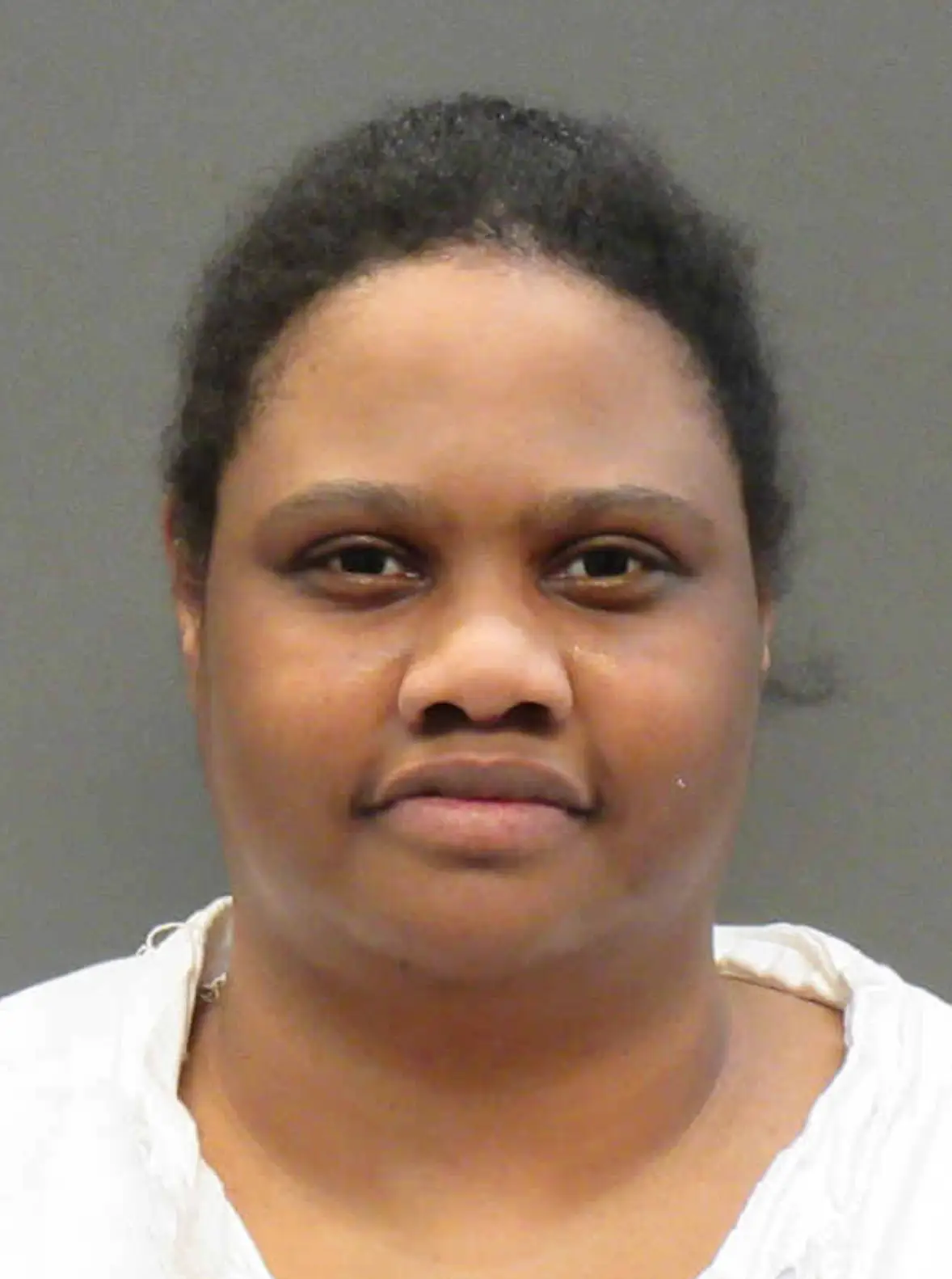
Sheppard was 19 when she brutally murdered another Texas woman while attempting to steal her car in 1993.
The Matagorda County local had run away from her husband, and with the help of her then-boyfriend and accomplice James Dickerson, she planned for the car to take her from her hometown in Bay City.
The couple came across 43-year-old Marilyn Sage Meagher, who was unpacking her car in a nearby neighbourhood, and had left the front door open.
Sheppard and Dickerson snuck inside, demanding she hand over the keys, and brutally stabbed her with a knife five times when she refused. They also bludgeoned her with a small statue after wrapping her head in a plastic bag.
Meagher's body was discovered by one of her daughters, and two days later, Sheppard and Dickerson were arrested.
The duo were convicted of capital murder in 1995 and sentenced to death. Dickerson died on death row four years later, however, after contracting AIDS.
Sheppard, now 52, has spent more than three decades behind bars, having been received onto Texas' death row in April 1995. Her case remains a stark example of the extraordinary length of time some condemned prisoners spend waiting for the outcome of their appeals.
3) Darlie Lynn Routier

In 1996, Routier was convicted and sentenced to death over the cold-blooded killing of her son.
The Rowlett local called 911 on the evening of the horrific attack, claiming an intruder had broken in from the garage while she was asleep and stabbed five-year-old Damon and his six-year-old brother, Devon, to death, before cutting her throat.
Deeming it convenient that Routier, then 26, only awoke during the attack, finding no traces of blood near the garage, and noticing that the flower bed outside of the broken window was left undisturbed.
She was subsequently charged with Damon's death, but has yet to be tried for Devon's murder.
Two appeals filed by Routier's legal team have since been denied, despite her husband - who was in the house at the time of the double murders, along with their seven-month-old son Drake - professing her innocence.

Routier has consistently maintained that she did not kill her children, making her case one of the most disputed on the list. Texas nevertheless continues to hold her under a death sentence for Damon's murder.
4) Brittany Marlowe Holberg

Having been on death row since 1998, Holberg was convinced over the robbery, torture and murder of an 80-year-old man.
Prosecutors argued that Armarillo-local Holberg entered the apartment of A.B. Towery Sr, robbed him, and killed him.
Since her arrest, she has maintained, however, that Towery - who she claims had been a prior sex work client - had attacked her first with a frying pan, and that she acted in self-defence.
Holberg, who was 23 at the time, didn't deny stabbing Towery, nor shoving a metal pole down his throat, but disputed the prosecution's account.
Her conviction was based in part on testimony from a jailhouse informant who claimed Holberg confessed to the murder, but that informant later recanted.
In 2025, a federal appeals court ruled that prosecutors had improperly withheld information about the informant from Holberg's defence, finding that the nondisclosure violated her constitutional right to a fair trial and overturning her conviction and death sentence.

It was reinstated several months later, however, to allow for a rehearing.
Holberg's case has therefore taken an extraordinary legal turn after more than two decades on death row, with the dispute over the jailhouse informant continuing through the appeals process. As of 2026, she remains under a death sentence while the federal courts consider the case.
5) Linda Carty
When schoolteacher Linda Carty was 42, she abducted and murdered 20-year-old Joana Rodriguez to steal her newborn son.
In 2001, she and three co-defendants invaded Rodriguez's home, kidnapping both her and her baby boy.
Police quickly learned that Carty had previously told several people she was expecting a baby, despite not being pregnant. Neighbours also claimed they'd seen Carty sitting in her car before the attack next to a child's car seat.
Arresting her, she reluctantly told investigating officers that a car she'd rented, as well as one owned by her daughter, may have been involved in Rodriguez's disappearance.
She then took them to the location of both cars, which contained various items of baby paraphernalia. While the tot was found unharmed by police in one vehicle, his mother tragically died of suffocation in the other.
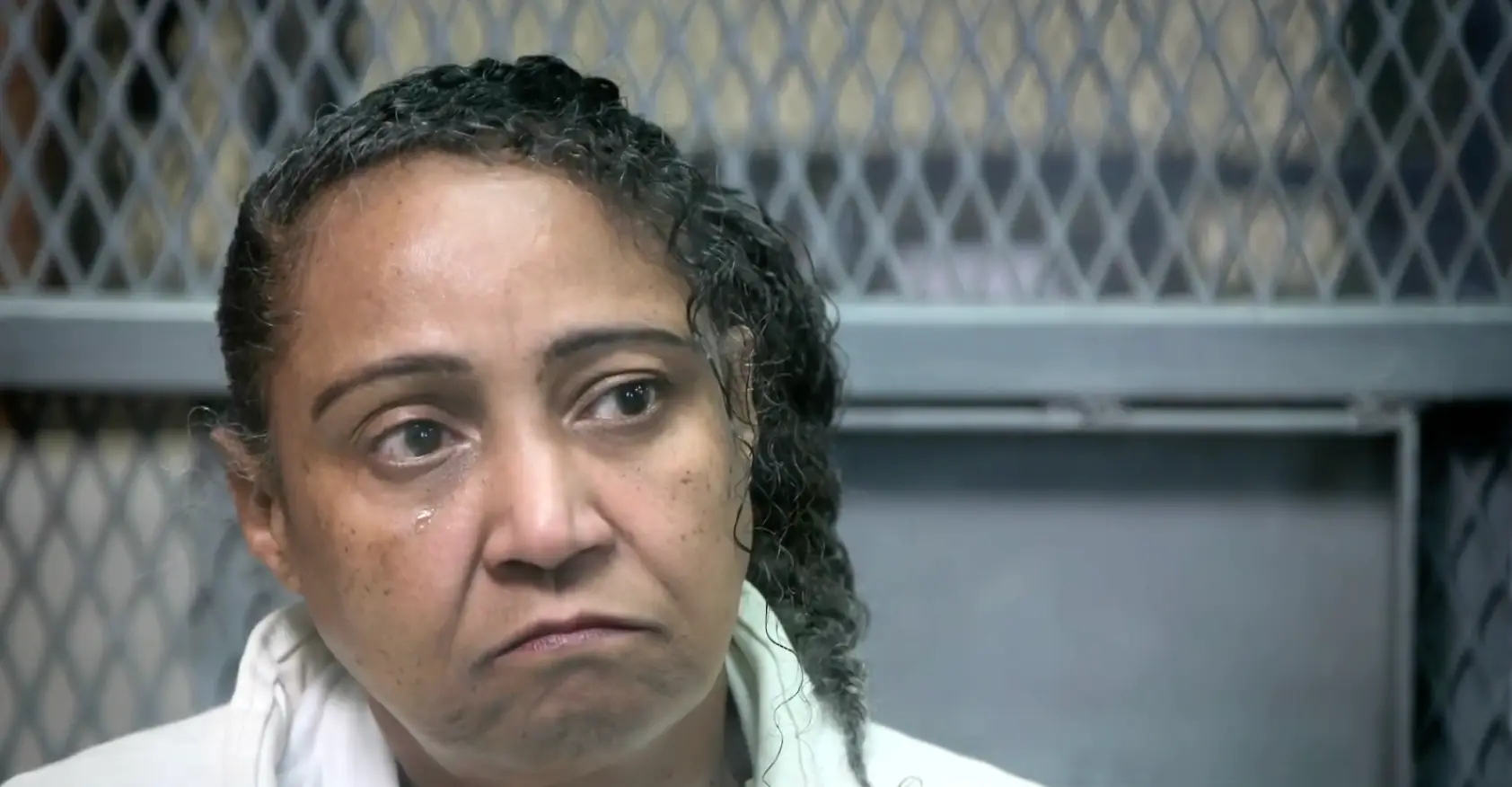
In her defence, Carty - who was born in St. Christopher, British Virgin Islands - insisted she'd been framed by her drug-dealing co-defendants, having previously served as a police informant.
Despite this, she was found guilty of murder and sentenced to death by lethal injection.
Carty's case is another in which the alleged motive centred on obtaining a baby, but unlike Parker, the victim here was a young mother whose newborn survived the ordeal. Carty remains one of the women listed on Texas' death row.
6) Melissa Elizabeth Lucio
In 2008, when Lucio was 38, she was convicted of the murder of her own daughter.
Mariah Alvarez, two, tragically died the year prior after being found unresponsive at the family's Lubbock home.
Prosecutors alleged that Lucio had subjected her daughter to severe physical abuse, pointing to bruises and other injuries found on Mariah’s body, including a fractured arm.
The defendant maintained that Mariah had fallen down a flight of stairs two days before her death, and denied deliberately causing the fatal injuries.
During a lengthy police interrogation lasting around seven hours, Lucio initially denied beating her daughter but eventually made statements that prosecutors presented as a confession, including saying, 'I guess I did it. I’m responsible'.
Though her defence later argued that the confession was unreliable and resulted from the coercive nature, she was convicted of the toddler's murder, and her execution was scheduled for 2022.
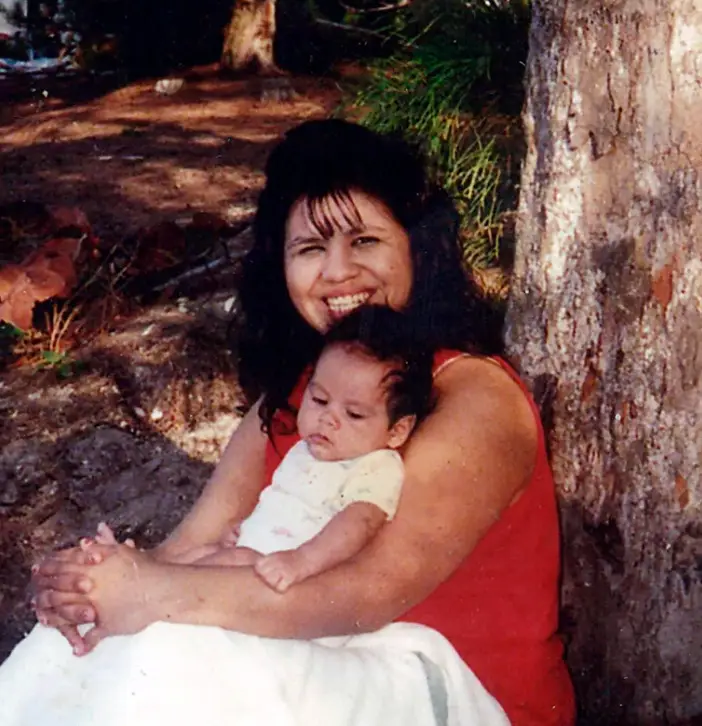
The Texas Court of Criminal Appeals halted Lucio's death just two days beforehand, however, ordering further examination of newly raised claims, including from her children, who maintained that Mariah had fallen down the stairs.
In 2024, the judge who initially sentenced her recommended that Lucio's conviction be overturned, concluding that she was actually innocent and recommending that both her conviction and death sentence be vacated.
Lucio's case is perhaps the clearest reminder that a death sentence does not necessarily mean the legal story is over. A Cameron County judge has twice recommended relief, including a finding of 'actual innocence', after concluding that prosecutors suppressed evidence and relied on flawed scientific evidence and a disputed confession. Yet the final decision remains with the Texas Court of Criminal Appeals.
7) Kimberly Cargill

In 2010, 39-year-old Cherry Walker was suffocated by Cargill, who sought to prevent her from testifying against her in a child protective case.
Walker, who was mentally challenged, was the babysitter for Cargill's son. In the year of her crime, Cargill was placed under investigation over child abuse allegations, after which two of her sons were removed from her custody.
The childminder had been subpoenaed to testify against her employer at a custody hearing, which prompted Cargill to take Walker out on the pretext of dinner, before murdering her via asphyxiation.
Cargill subsequently dumped Walker's body before setting it alight.
A month later, police identified Cargill as the prime suspect, and she was arrested. In custody, she was initially remanded for causing felony injury to a child, after which she was finally charged with capital murder.

Cargill argued in response that Walker had died of a seizure and hadn't been murdered before being sentenced to death.
Her execution date yet to be scheduled.
Cargill remains on Texas' death row, bringing the number of women currently facing execution in the state to seven. Their cases could hardly be more different, but each now shares the same bleak reality: years of appeals, uncertainty and an existence shaped around the possibility of a state-sanctioned death.
And, as Dr Daynes puts it, the psychological impact of that wait can itself become a form of survival.
"When hope of appeal is lost, some women report feeling numb," she explained. "Others describe a kind of calm, often religious state of acceptance."
For the seven women in Texas, that wait continues.
Topics: True Crime, Crime, US News, News, Real Life
 Rhianna Benson