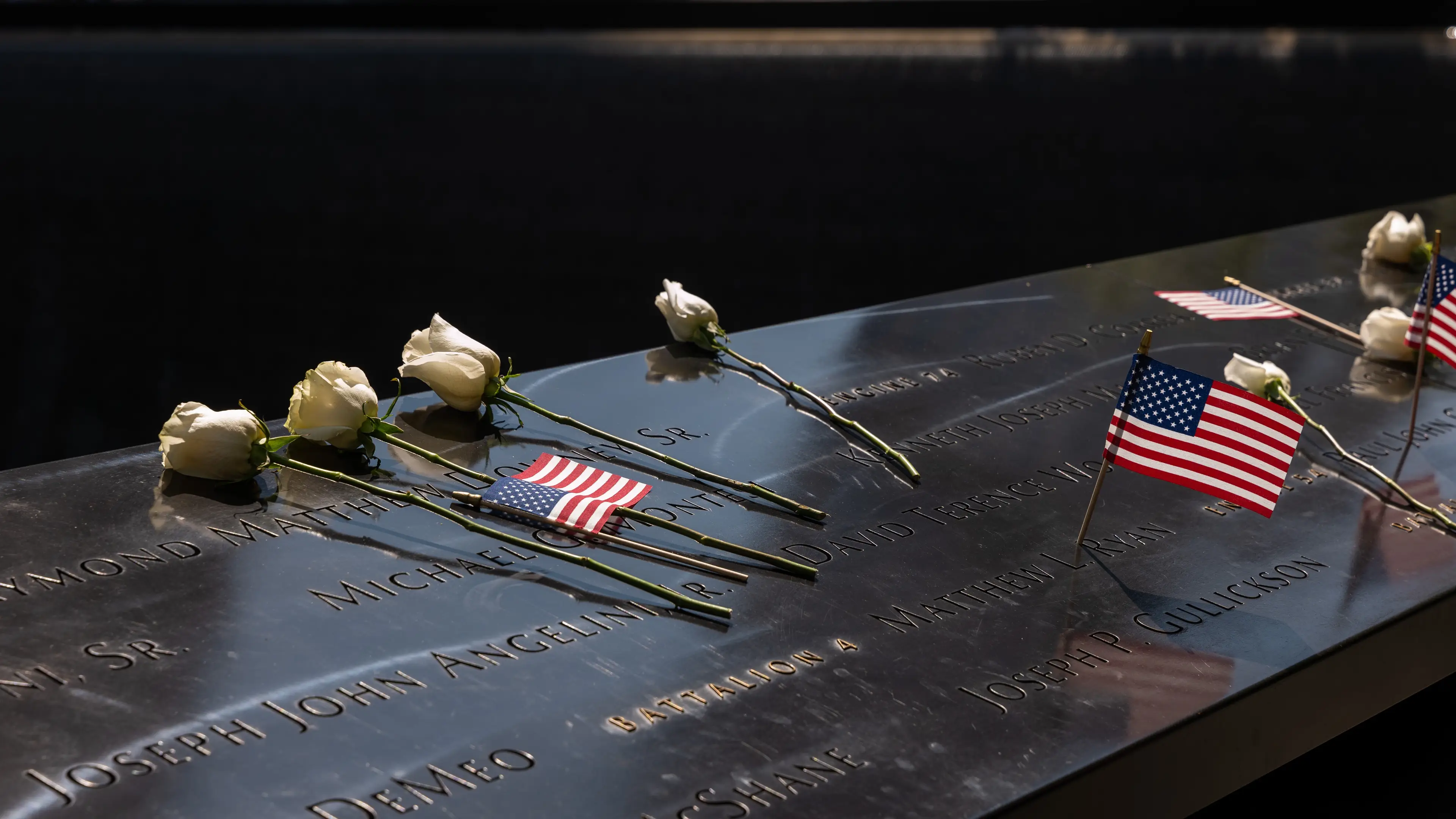
9/11 victim has been identified 25 years after terror attack

This Friday (11 September) will mark 25 years since the 11 September 2001 terror attacks, which tragically claimed the lives of 2,977 people.
It was the single largest loss of life resulting from a foreign attack on American soil, making it the deadliest terrorist attack in American history.
100 million Americans are too young to remember the day that changed New York City and the nation forever, but the 9/11 Memorial & Museum outlines its mission to 'never forget' the devastating events that took place a quarter of a century ago so that those born after 9/11 learn its significance and enduring legacy as well as the real stories told by the victims and heroes.
Genetic genealogy has since been used to formally identify the 1,654th 9/11 victim, with New York's Chief Medical Examiner, Dr Jason Graham, and the NYPD Detective Bureau jointly confirming the news to ABC last month (23 August).
Advert
"It's a breakthrough," Graham explained. I'm delighted to be able to say that we've now applied new methods to the World Trade Center identification efforts, and we have a new identification for the first time in 25 years using new methods, forensic investigative genetic genealogy."
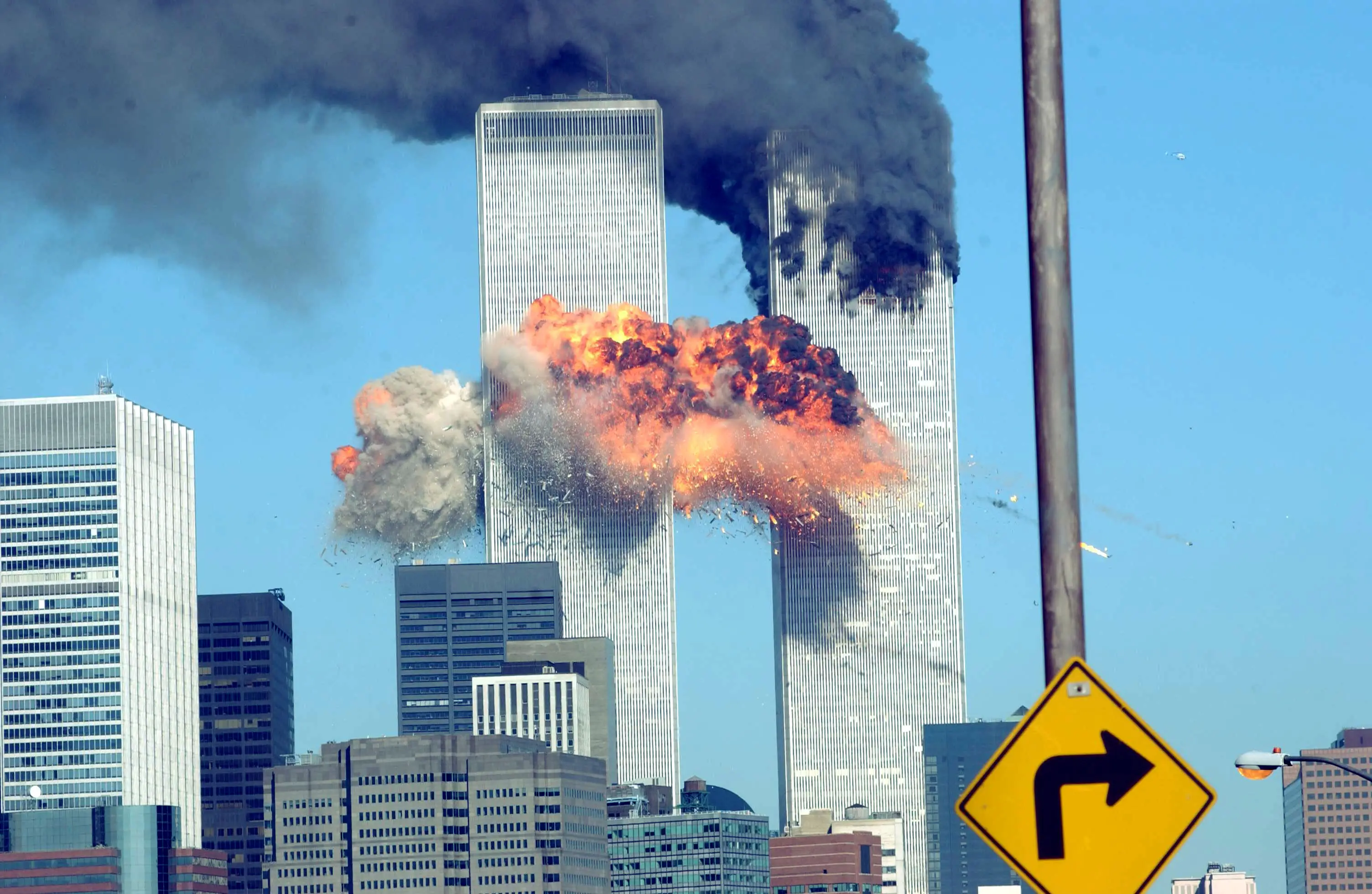
The 2001 attack saw Al-Qaeda terrorists forcibly take control of four commercial planes carrying passengers.
Two jets plummeted into the two World Trade Center Twin Towers in lower Manhattan, both of which collapsed to the ground within an hour as a result of the impact, while a third plane crashed into the Pentagon in Arlington, Virginia.
The final hijacked plane crashed into an empty Pennsylvania field while attempting to make it to the White House in Washington, D.C.
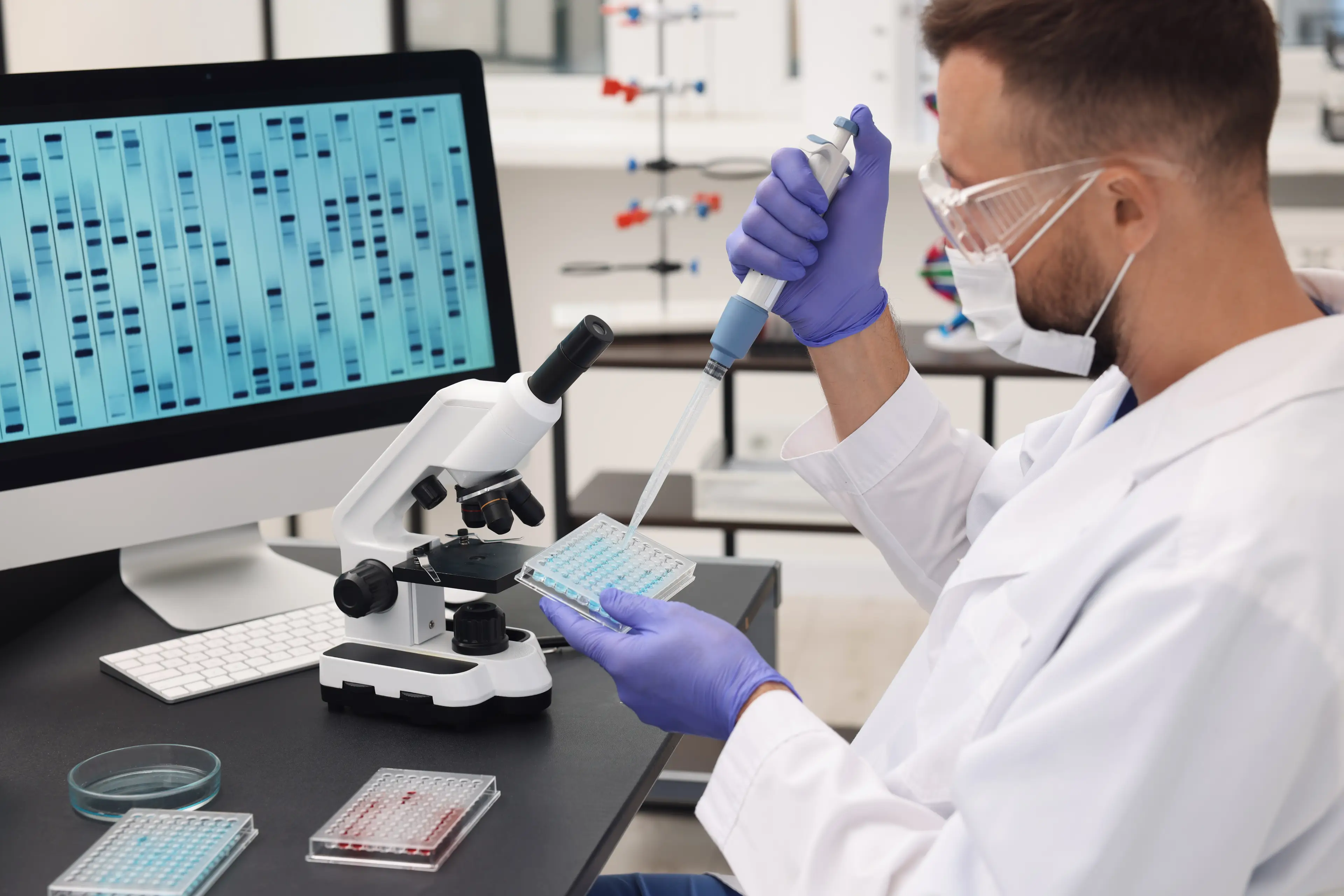
In the years since, attempts have been made to identify a number of these victims - including last month when genetic genealogy was used to identify the 1,654th victim.
This methodology uses a combination of DNA testing and family tree research in a game-changing process that couldn't have previously been applied, as it didn't exist before.
In recent years, however, the technique has been used by forensic officers to solve unidentified criminal cases that have remained cold for some time.
After applying the method to World Trade Center victim identification efforts, they were able to identify one victim this week. While they kept her identity undisclosed, they confirmed it was an adult female.
Her family have declined to publicly come forward to discuss the revelation.
Investigators are now hoping to apply their technique to the remains of other victims of the attack, to provide their loved ones with closure a quarter-of-a-decade on from their loss.
Detective Gregory Paduano of the NYPD explained that, previously, 'the technology really wasn’t there', before predicting: "There's a lot of good future with genealogy."
According to forensic anthropologist Dr Jennifer Odien of the New York medical examiner's office, now that they've achieved a breakthrough, the team will attempt to identify a further 47 profiles using genetic genealogy.
"We already can see that it's promising," she said. Not every case is going to be able to go through genetic genealogy, but we do have DNA profiles that are not matching to our reference samples, so that's the group right now that we're focusing on and that hopefully is going to yield more positive results."
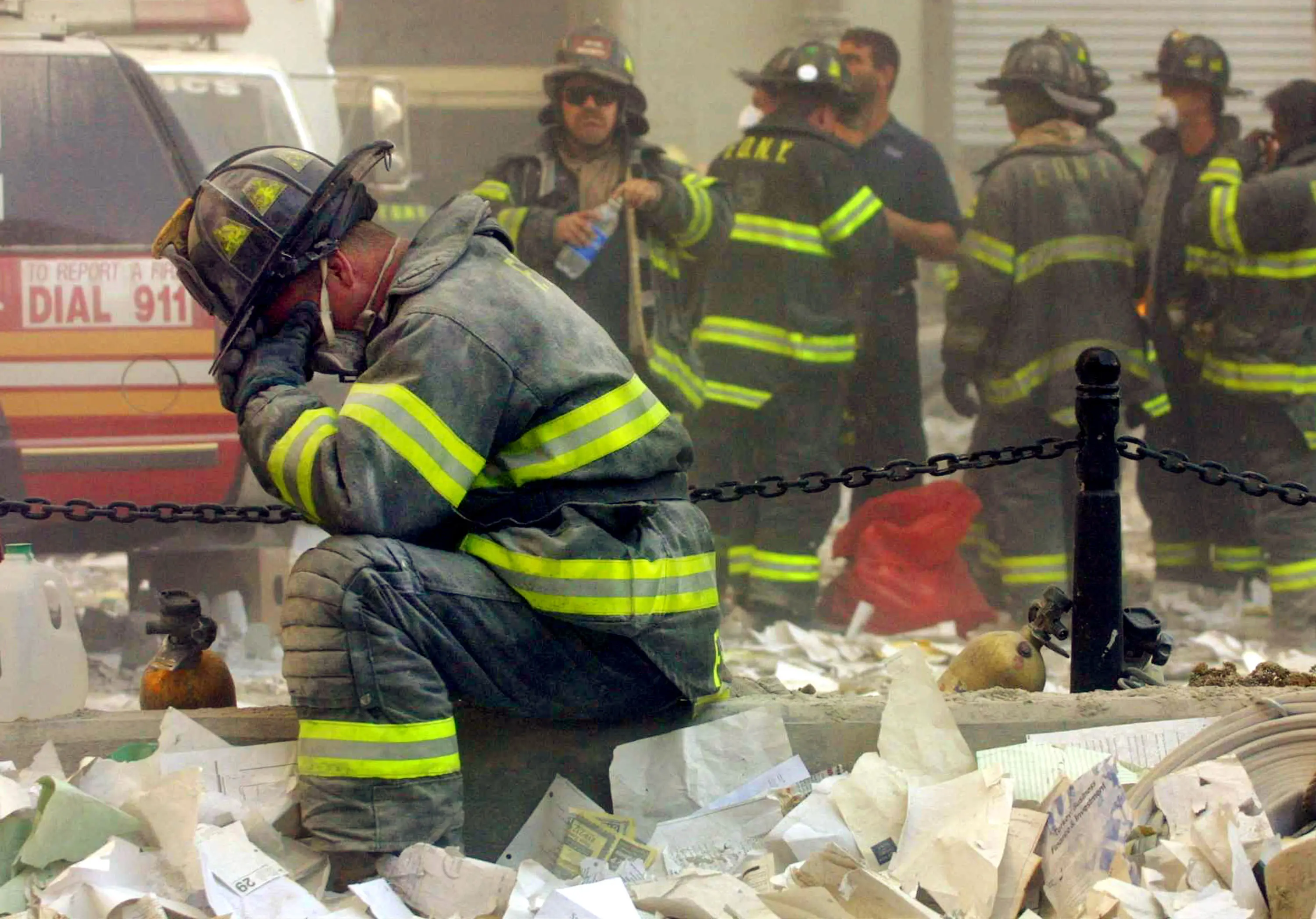
While the 47 profiles only represent a small amount of the 1,100+ World Trade Center victims that currently remain unidentified, the team say they won't stop working in their attempt to bring closure to each family affected by the tragedy.
"The World Trade Center was the largest mass murder in the history of the United States, and it represents also the most complex forensic identification effort in our history," Graham concluded.
"And being able to apply new innovations to that identification work is a remarkable way that we can keep our commitment to the families."
Topics: US News, News, Real Life, True Life, True Crime
 Rhianna Benson