
Young women are increasingly developing type 2 diabetes - the response reflects a wider issue

An alarming new report has revealed that type 2 diabetes is on the rise amongst young women in England, with diagnoses for those in their twenties increasing dramatically over the last decade.
But before the scientists behind the study had even had the chance to explain their findings, a sizeable selection social media users had already decided they knew exactly who, or rather what, was to blame.
According to countless posts on X, the culprit wasn't genetics, insulin resistance, pregnancy-related conditions or the complex mix of environmental and socioeconomic factors experts have spent years studying.
It was 'girly drinks'.
Advert
From syrup-soaked Starbucks orders to sweetened matcha lattes, users rushed to pin the rise in diagnoses on the beverages filling up TikTok feeds, despite the research making no such claim.

What did the research find?
Earlier this month, the BBC reported on new research from Imperial College London, which analysed NHS data from the English National Diabetes Audit between 2011 and 2024.
Researchers found that while Type 2 diabetes diagnoses have been decreasing slightly among older adults, the condition is increasing rapidly among people under 40, with some of the sharpest rises seen among women aged 20 to 29. The analysis found that 12,000 people under the age of 30 are now living with Type 2 diabetes, with women making up a larger proportion of younger cases.
Researchers also found that body mass index (BMI) at the point of diagnosis has been increasing more quickly among younger adults than older age groups, suggesting that the earlier onset of severe obesity may be contributing to people developing Type 2 diabetes at a younger age.
Experts warned that developing type 2 diabetes earlier in life can mean living with the condition for decades longer, increasing the likelihood of serious complications including heart disease, stroke, kidney disease, nerve damage and vision loss.

The findings are worrying, but nowhere in the research does it conclude that iced lattes or sweetened matchas are driving the trend.
This didn't stop a horde of social media trolls having their say, however.
'Self-inflicted complaints
"Buzz balls, Blank Street & Starbucks mixed with not having a man caused this," one hit out on X.
Another wrote: "Too much snacking, lounging & loaded coffees. Constant sugar spikes with no activity to dump the glucose. Either gotta lay off the snacks/caffeine/sugar, or move WAY more."
"'Ice vanilla latte', 'vanilla matcha' and all those sugary coffees have ran its course now," a third claimed, while a fourth penned, 'The consequences of the "body positivity movement" post 2016'.
"More self-inflicted complaints. Callousness required," a fifth concluded.

Unsurprisingly, the remarks spurred an equal amount of uproar.
One X user wrote back: "The comments are vile here. Surely they need to research why this is. There’s links with type 2 diabetes and endometriosis/PCOS. But as it's women’s health, I doubt this will be looked into."
Another added: "Fun fact: This has little to do with iced vanilla coffees and crumble cookies, a tad with covid having longterm effects on the immune system, and a whole lot with plenty of women not having enough muscle mass on their body."
While many of the posts were intended to be amusing, experts say the reaction reflects a much bigger problem: reducing a complex medical condition to lazy stereotypes about young women and what they order inside cafés.
Responding to the criticism, Dr Kathryn Basford, a doctor in the clinical service at Zava, said the conversation had quickly drifted away from what the research actually found.

Criticism with nothing concrete
"The conversation around the rise of type 2 diabetes in younger women highlights how quickly complex health issues can be reduced to, often misleading, explanations," she exclusively told Tyla.
"The suggestion that matcha, iced coffee or other so-called 'girly' drinks are to blame is not currently backed by any conclusive evidence."
Dr Basford added: "Type 2 diabetes develops because of multiple interacting factors which can include genetics, ethnicity, excess body weight, physical inactivity, previous gestational diabetes, and one's wider food environment.
"While excessively consuming sugar-sweetened drinks can increase the risk of developing type 2 diabetes, it's important to distinguish between drinks that are high in added sugar, and drinks like plain matcha or unsweetened coffee, which are not known to cause diabetes on their own."
Hazel Shore, a SCOPE-Certified Obesity Specialist Dietitian at Phlo Clinic, agrees that the reality behind the research is far more complex.
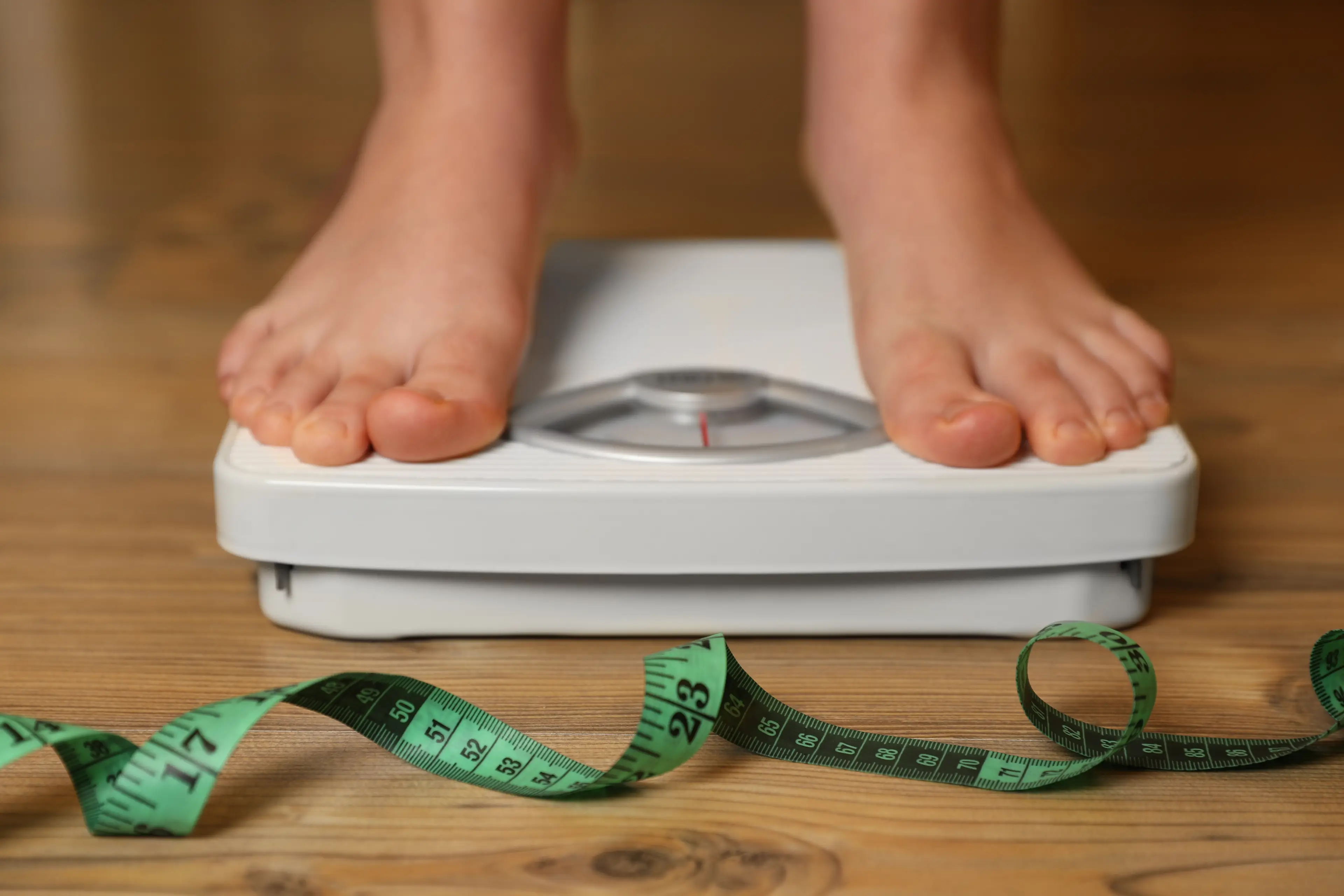 Obesity remains the strongest factor in a rise of type 2 diabetes cases (Getty Stock Images)
A more complex picture
"The rise in type 2 diabetes among younger women is concerning, but it's important that we don't reduce a complex health issue to stereotypes about 'girly' drinks or social media trends," she exclusively told us.
"While regularly consuming sugar-sweetened beverages can contribute to an increased risk of type 2 diabetes, they're only one small part of a much bigger picture."
Shore went on to explain that, as it has for some time, obesity remains one of the strongest risk factors for Type 2 diabetes, but women can also be affected by sex-specific health conditions.
"Obesity remains one of the strongest risk factors for type 2 diabetes," she continued. "But women may also be affected by sex-specific factors such as a history of gestational diabetes, which significantly increases the risk of developing type 2 diabetes later in life, and conditions such as Polyendocrine Metabolic Ovarian Syndrome (PMOS), which is linked to insulin resistance.

"These biological factors sit alongside wider influences including deprivation, chronic stress, reduced physical activity and an environment where highly processed, energy-dense foods and drinks are widely available and heavily marketed."
Shore also took the opportunity to warn against the growing trend of oversimplifying nutrition on social media.
Real-world consequences of food-based criticism
"Social media often oversimplifies nutrition by singling out one food or drink as the 'cause' of a health condition, but that's not how type 2 diabetes develops," she emphasised.
"Suggesting the rise is simply because young women enjoy iced coffees or sweetened matcha drinks ignores the complex biological, social and environmental factors that underpin the condition and risks spreading misinformation."
Ultimately, nobody is arguing that regularly drinking high-sugar beverages is good for your health. Research has consistently shown that excessive consumption of sugar-sweetened drinks can contribute to weight gain and increase the risk of type 2 diabetes over time.
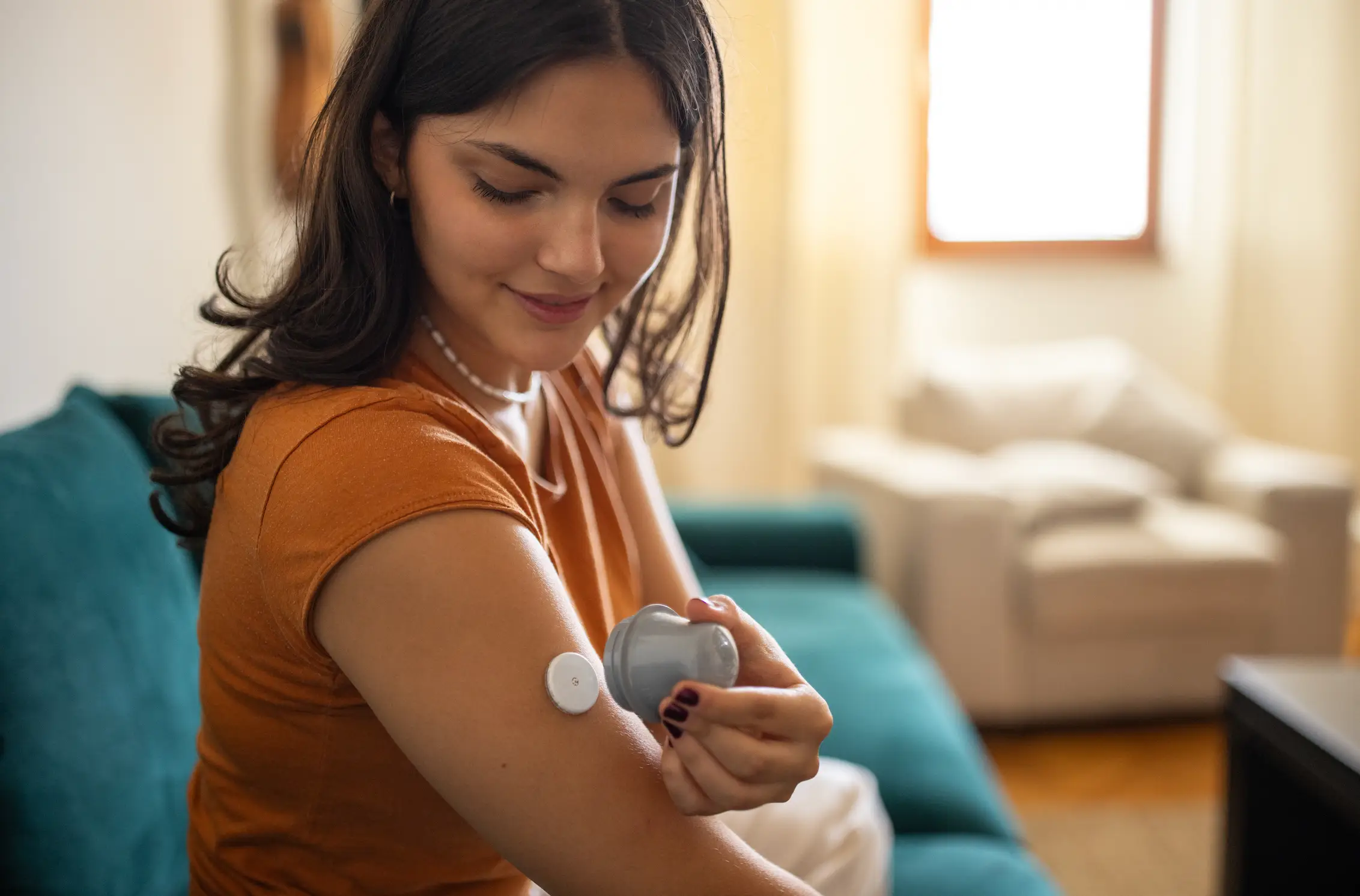
But that's a very different claim from suggesting a generation of young women has developed diabetes because they enjoy iced coffees.
The evidence simply doesn't support that conclusion.
As Shore puts it: "Nobody should be judged based on what's in their shopping basket or coffee cup, and shaming people's food choices or making assumptions about their health or body size isn't evidence-based and can discourage people from seeking support.
"If we want to reduce the growing burden of type 2 diabetes, we need compassionate, evidence-based conversations that focus on prevention, improving access to healthier environments and supporting sustainable lifestyle changes, rather than blaming individuals or viral food trends."
Dr Basford also warned that assumptions based on someone's coffee order risk doing more harm than good.
"Someone's drink choice tells us very little about their overall health or diabetes risk," she said. "Assuming otherwise can reinforce harmful stereotypes and contribute to unnecessary shame around food and body choices, particularly for young women."
"Rather than shifting the focus onto viral trends or individual foods, the conversation should centre on improving access to healthier food options, encouraging balanced dietary patterns and physical activity, and ensuring those at higher risk are identified and supported early.
The medic concluded: "Type 2 diabetes is a serious but often preventable condition, and tackling it requires evidence-based public health action, not assumptions based on what's popular on social media."
Topics: Health, Food and Drink, Starbucks, Advice, Women's Health
 Rhianna Benson