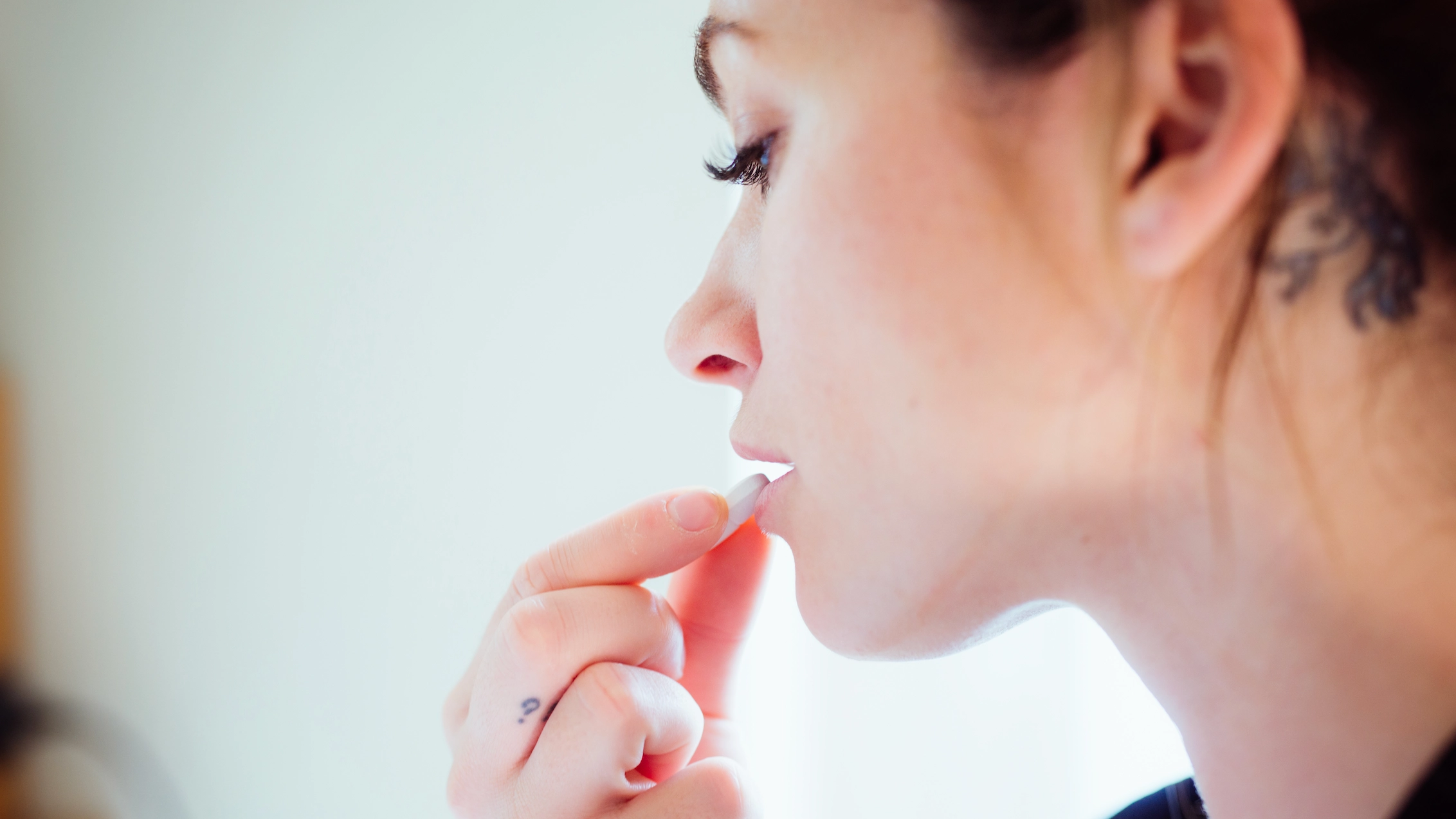
Women are posing as men to buy testosterone online following difficulties

According to alarming new findings, women have been disguising themselves as men to order testosterone from online pharmacies, after struggling to get prescriptions through the NHS.
Now, several key experts - including a menopause specialist - have spoken out, warning that the situation is putting some women in a difficult, and potentially dangerous, position, with huge differences in how testosterone is prescribed depending on where they live.
As a reminder, testosterone is a hormone one might conventionally associate with men, or the concept of masculinity, despite being naturally produced by women, too. Though, in females, levels of testosterone tend to fall with age, particularly around and after menopause.
So, why are some women going to such lengths to get hold of it?
Advert
Currently, in the UK, testosterone is prescribed to some post-menopausal women, primarily when they experience low sexual desire that hasn’t improved sufficiently with HRT. There isn't currently a testosterone product specifically licensed for women in the UK, so doctors prescribe a male testosterone product at a much lower dose.
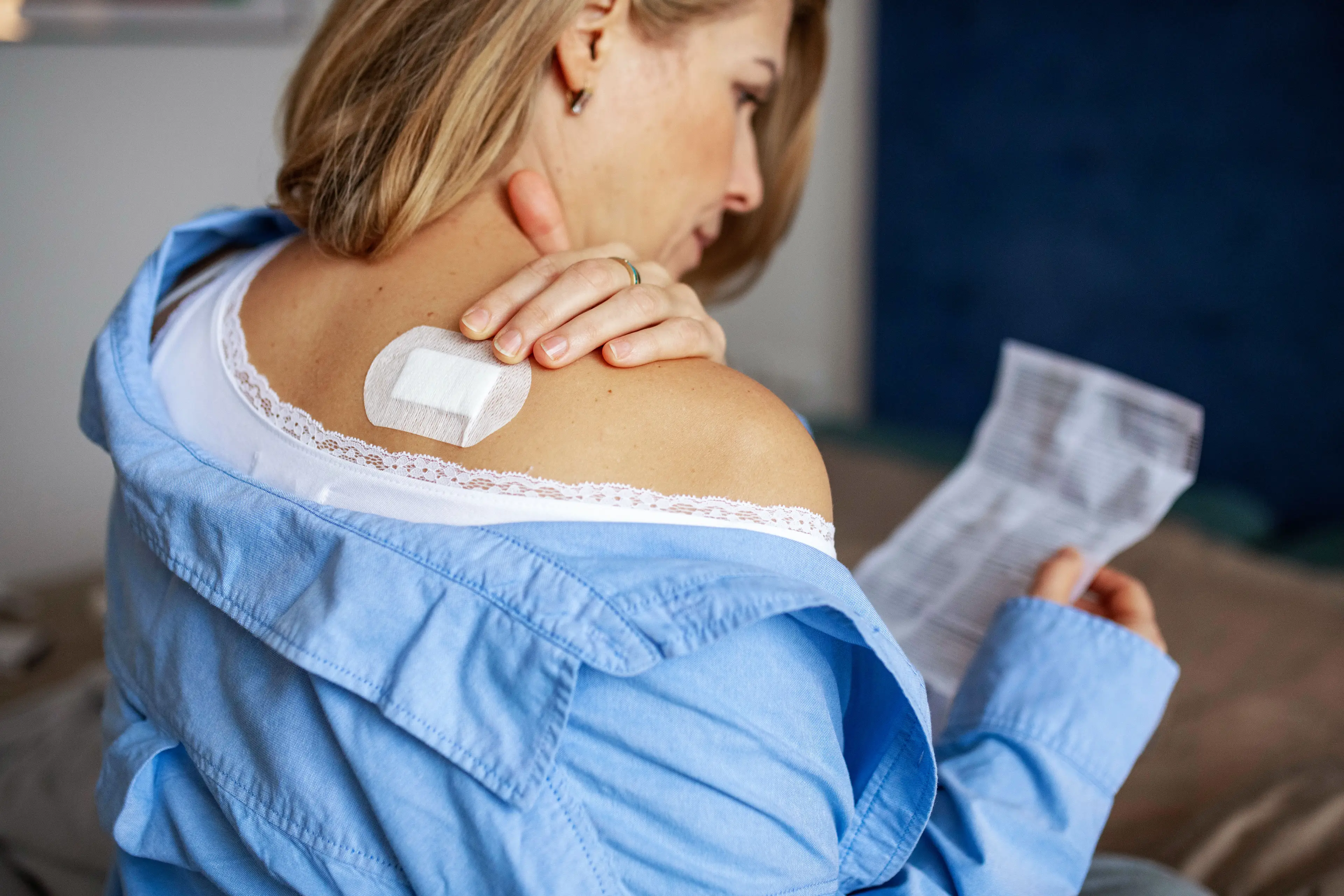
Naturally, therefore, a key issue is access.
In Wales, the way testosterone is prescribed can vary between health boards and GP practices, meaning two women with very similar symptoms can have completely different experiences when they ask for treatment.
Dr Michelle Olver, a consultant in sexual and reproductive health, told the BBC she has seen a 'very sharp increase' in referrals from women wanting to try testosterone, but that she finds it 'incredibly sad' to see women lying to obtain it through other means.
Largely, this is because women are supposed to have their testosterone levels checked with blood tests and monitored during treatment, which, obviously, can't be done if they've obtained the hormone on the internet.
According to Gloucestershire Hospitals NHS Foundation Trust, testosterone levels in women are normally considerably lower than those in men, with its laboratory reference range listing female levels below 1.8 nmol/L compared with up to 31 nmol/L for men under 50.
And that's where things can get concerning.
Dr Olver said she had seen women with testosterone levels as much as 12 times higher than the safe range after buying the hormone online.
"We want to maintain women in the female physiological range for testosterone," she explained. "We don't want them to have sky-high levels."
Persistently high levels can cause unwanted effects, including hair loss, a deeper voice and enlargement of the clitoris - side effects which could prove permanent for some women.
But women who use testosterone aren't necessarily chasing some kind of miracle menopause fix. For some, it's about restoring something they feel they've lost.
Emma Thomas, co-founder of menopause support group Menopals Cardiff and Vale, also told the BBC that members had repeatedly spoken about difficulties getting testosterone from their GPs.
She described how she felt after menopause as going from being 'a really sociable, happy person' to feeling 'quite insecure, paranoid, low in mood'.
After starting HRT, she later received testosterone from her GP and said it eventually became 'the final piece of the puzzle'.
"I feel like my old self - I've got a zest for life," she said.
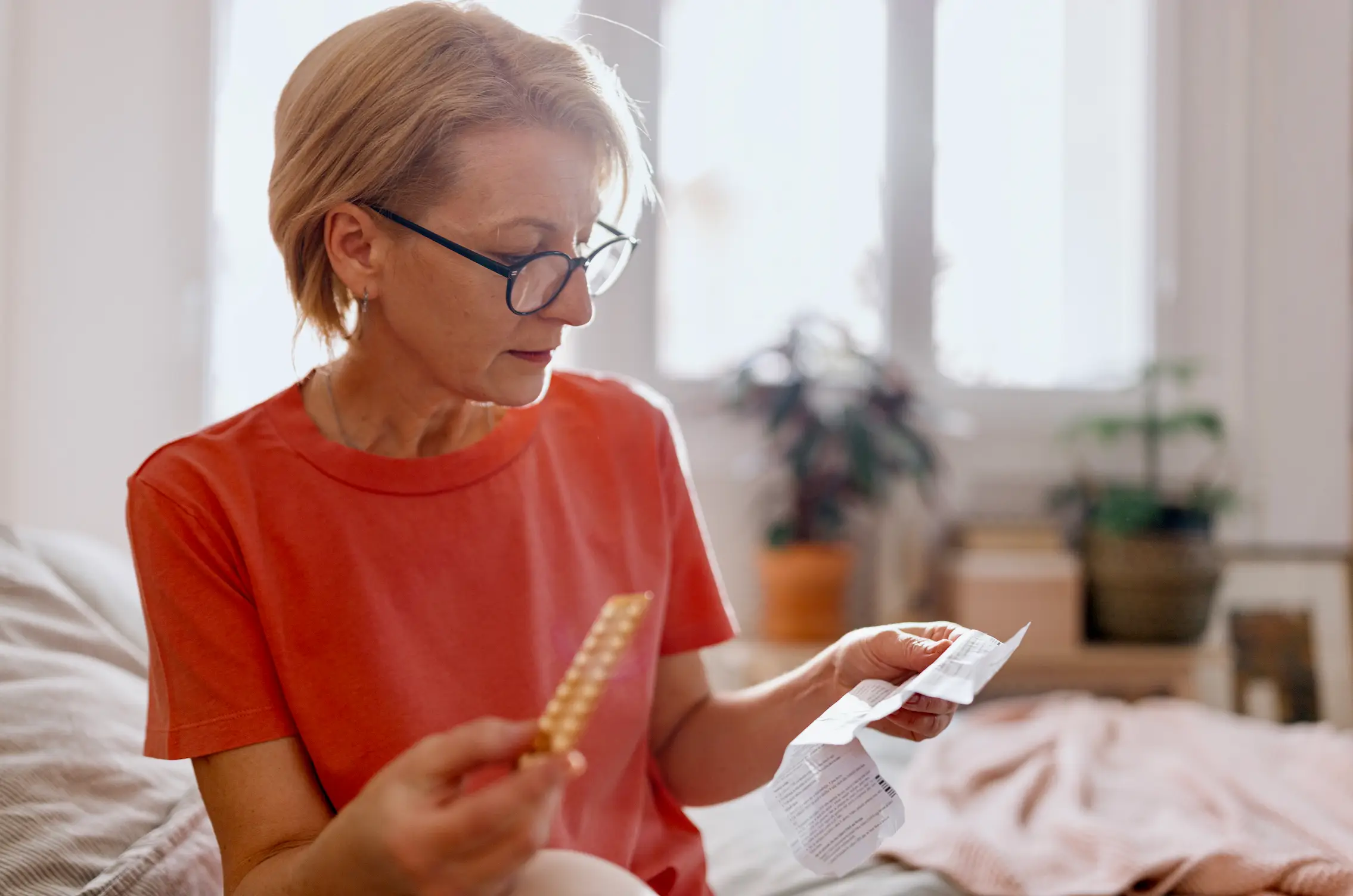
However, specialists stress that testosterone isn't a cure-all.
Dr Olver said around 60 per cent of women may benefit in terms of libido, but added that expectations need to be managed because there can be many reasons someone may not want to have sex.
The current situation has also been described as a 'postcode lottery', with some Welsh health boards allowing GPs to prescribe testosterone while others require specialist involvement.
Dr Rebeccah Tomlinson, a GP who runs an NHS menopause clinic, explained that some doctors are reluctant to prescribe a medication that's being used off licence.
"It's really difficult when you might know somebody else who's going through the same thing and has sailed through the process," she said. "There is no consistency across the board unfortunately."
For women turning to online pharmacies, then, the issue isn't simply about wanting testosterone - it's about what happens when getting legitimate treatment feels like an obstacle course.
Topics: Women's Health, Health, Advice, Sex and Relationships, Menopause
 Rhianna Benson