Rare ‘six-planet parade’ happening this month - here’s how to watch it

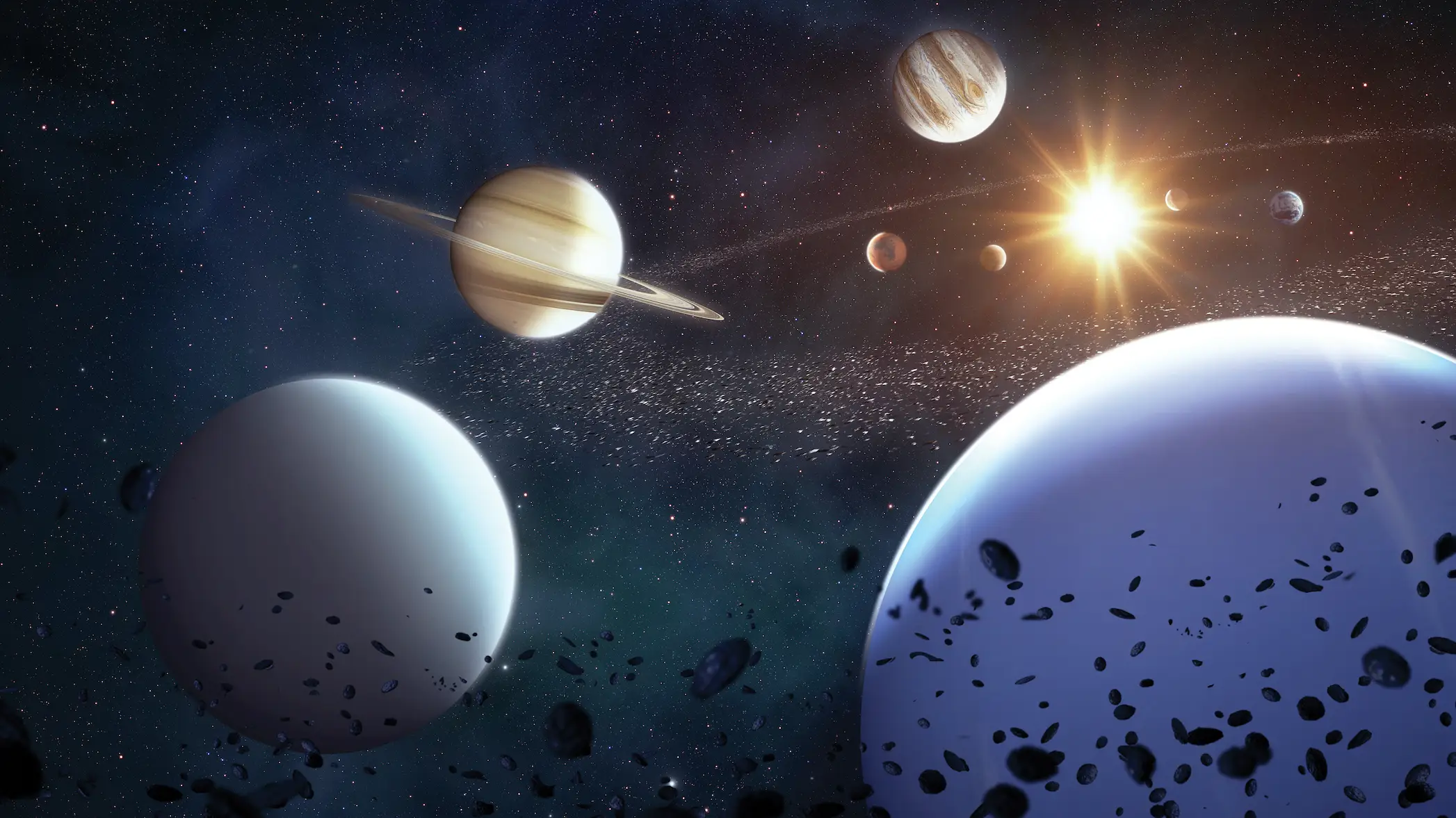
February is an exciting month when it comes to the cosmos, as a rare multiple-planet parade is set to light up the skies in just a few weeks time.
Come 28 February, we Earthlings will be treated to a whopping six planets in the night sky. Shortly after sunset, Mercury, Venus, Neptune, Saturn, Uranus and Jupiter will appear.
But, don't get your hopes up too much, as just four of those planets will be visible to the naked eye, weather permitting. But, if you prepare ahead and sort out some optical assistance, you'll also be able to take a peep at Uranus and Neptune.
Space.com explains that, in order to have any chance at all of seeing the rare planetary alignment, you'll need: an unobstructed view due west, clear skies, about half an hour after sunset on the day of, as well as binoculars, a telescope and most likely, 'a healthy dose of imagination'.
Advert
Meanwhile, Royal Museums Greenwich echoes that while Mercury, Venus, Saturn, Jupiter, Uranus and Neptune will all technically be visible, it will definitely be 'a challenge to see all six'.
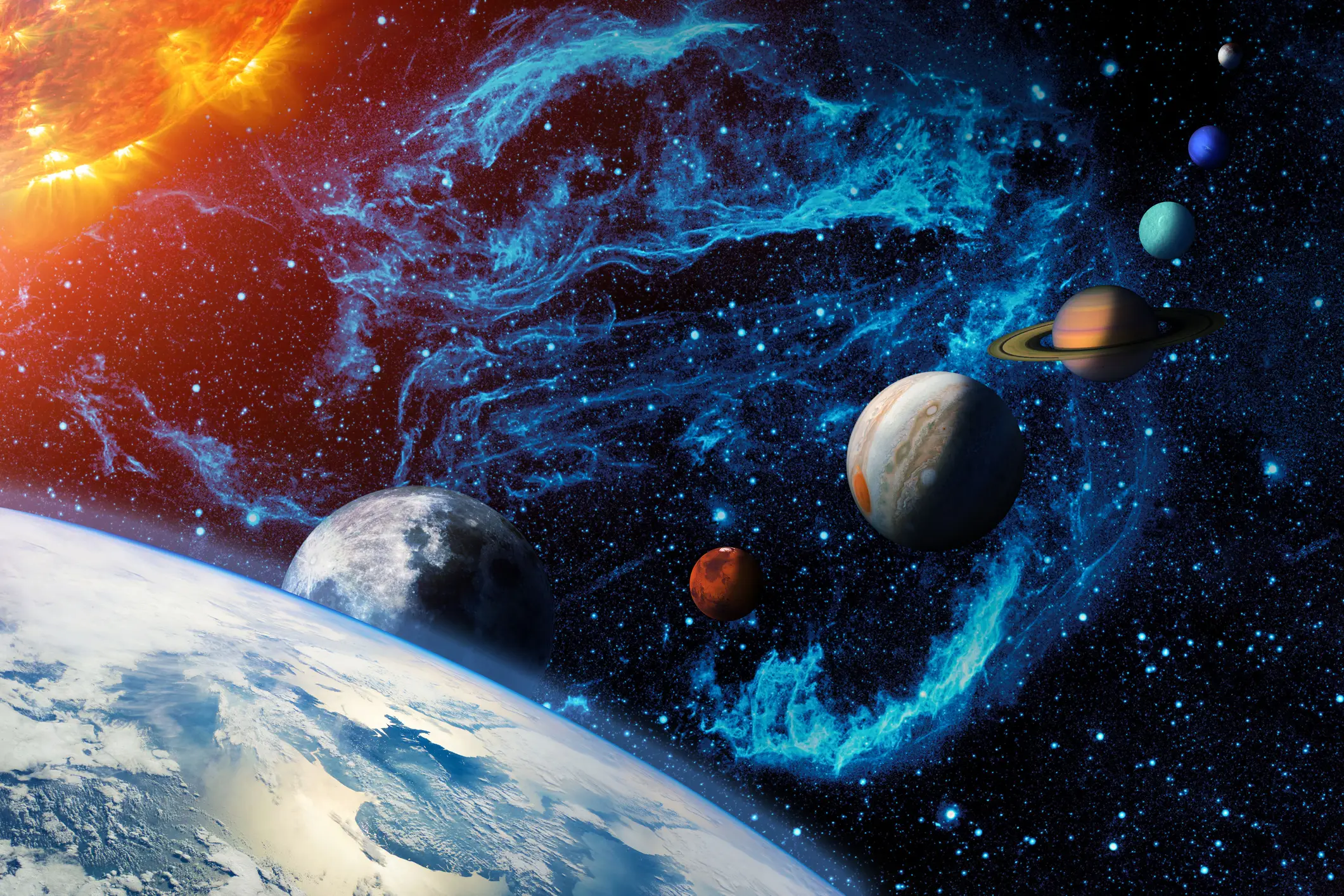
We'll have to wait until the end of 2026 to see another alignment of the sort, this time with Mars, Jupiter, Uranus, Saturn and Neptune visible around 10pm each evening, with the planetary parade expected to be particularly mesmerising on 25 and 26 December.
This year will also bring with it three supermoons - AKA when our moon looks a whole lot bigger and brighter than usual - which is caused by the moon being at its closest point to Earth.
The first, known as the 'Wolf Moon', has already come and gone on 3 January, with the 'Beaver Moon' or 'Frost Moon' taking place on 25 November.
Then, on 23 December, the moon will be at its closest all year with the 'Cold Moon', set to be visible alongside Jupiter and Saturn.
Speaking of space news, NASA is soon set to send four astronauts to the moon.
The launch window for the Artemis II mission crew was originally set to open on Friday (6 February), but has now been pushed back to March at the earliest.
The upcoming 10-day manned mission is quite a big deal, given that it's the first time astronauts will travel around the moon and back again since Apollo 17 in 1972.
According to NASA, Artemis 'will send astronauts to explore the Moon for scientific discovery, economic benefits, and to build the foundation for the first crewed missions to Mars'.
The four astronauts who will make up the Artemis II mission include NASA's Reid Wiseman, Victor Glover, and Christina Koch, and Canadian Space Agency astronaut Jeremy Hansen.
 Rhiannon Ingle