NASA is sending four astronauts to the moon next week - here’s what we know

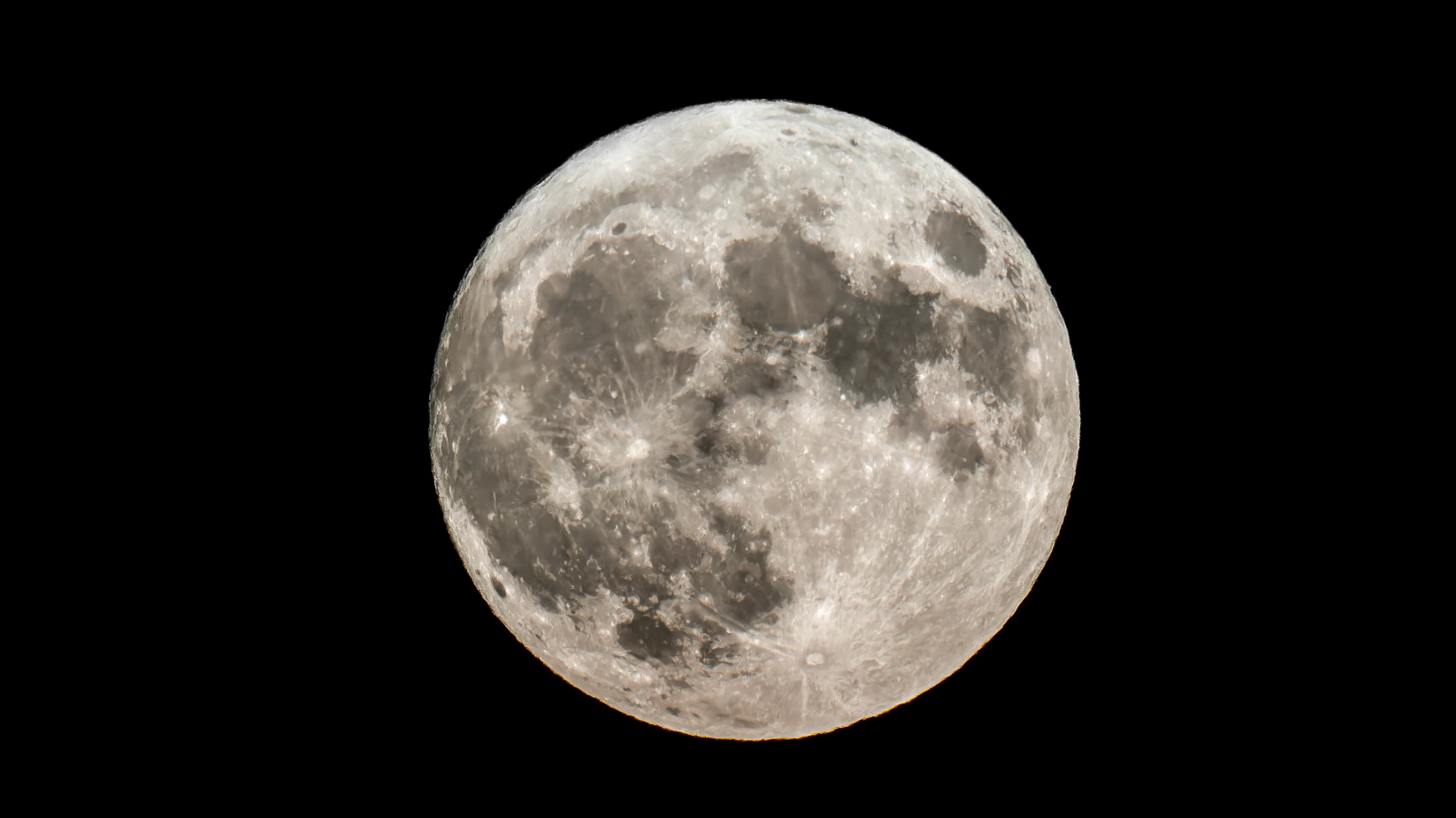
NASA is about to send four astronauts around the moon next week for the first time in more than 50 years.
The launch window for the Artemis II mission opens next Friday (6 February), as the 16.5-foot-wide Orion spacecraft rolled to its launchpad atop the Space Launch System (SLS) rocket last week (17 January).
NASA has identified three possible launch windows for Artemis II in the coming months: from February 6 to February 11, March 6 to March 11, and April 1 to April 6.
The first 'wet dress rehearsal' is planned for February 2 and if everything goes as accordingly, the rocket should be ready to launch soon after.
Advert
The upcoming 10-day manned mission is a pretty big deal, given that it's the first time astronauts will travel around the moon and back again since Apollo 17 in 1972, with Nasa’s subsequent Artemis III mission planned to return humans to the lunar surface.
According to NASA, Artemis 'will send astronauts to explore the Moon for scientific discovery, economic benefits, and to build the foundation for the first crewed missions to Mars'.
NASA Administrator Jared Isaacman said the mission would fulfil 'a promise to the American people that we will return to the moon', adding that the moon would be a 'perfect proving ground' for autonomous capabilities within spacecraft.
Speaking at a press conference at the Kennedy Space Centre on Saturday (17 January), the billionaire entrepreneur added: "We talk about building a moon base.
"Now, day one of the moon base is not going to look like this glass-enclosed dome city that we might imagine some day.
"That’s certainly what the ideal end state would be. But it’s probably a lot of rovers that are moving around, a lot of autonomous rovers that are experimenting with mining, or some mineral extraction capabilities to start."
Isaacman added: "Naturally, in terms of what we want to achieve in space, you’re going to incorporate more autonomy in our robotic missions.
"We’re looking at a mission to Venus right now that could have some onboard AI capabilities in it.
"So this is the way we’re going to go. But I tell you, if humans are on a spacecraft, they’ll always have a vote, they always have a say in it."
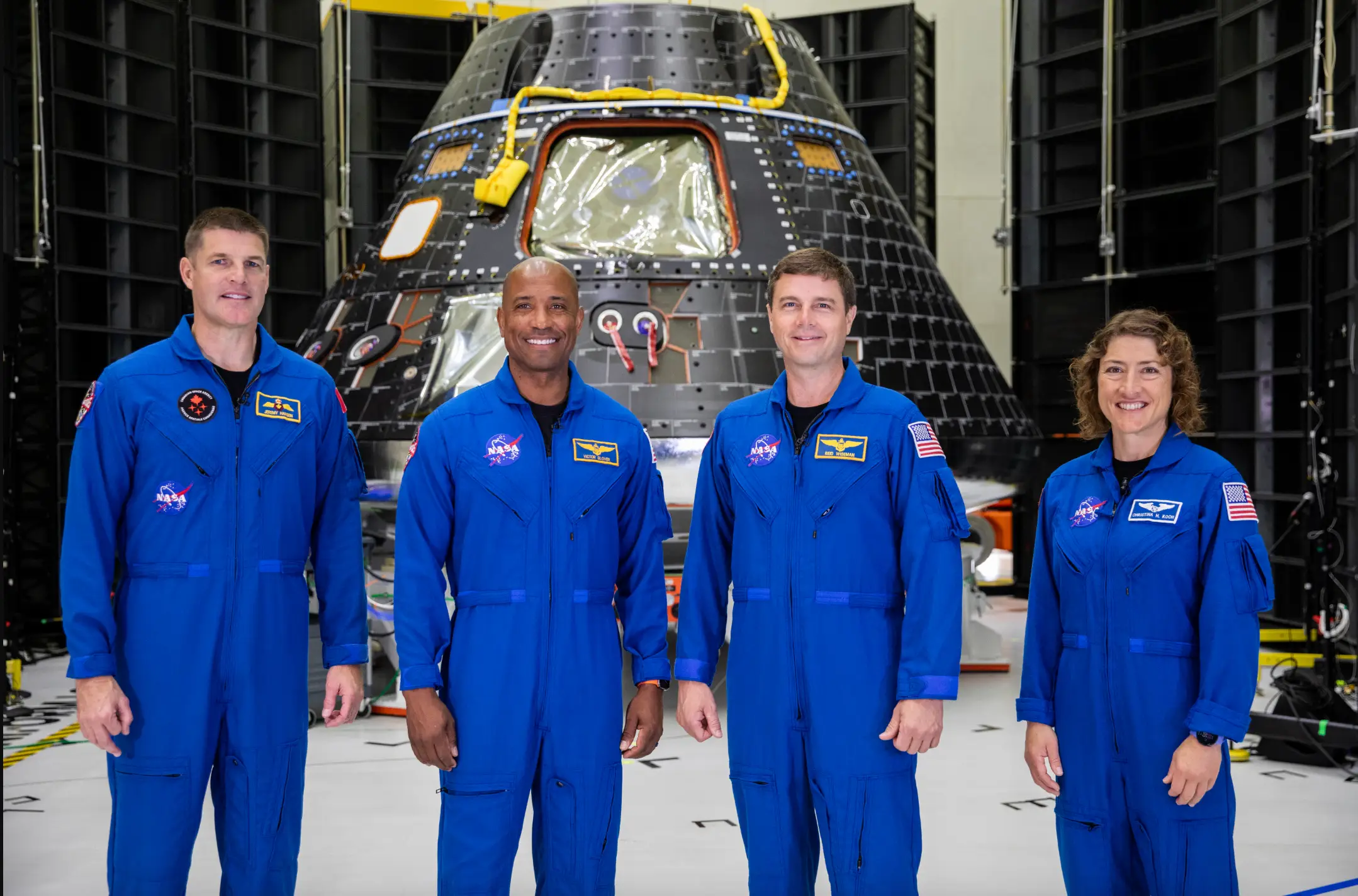
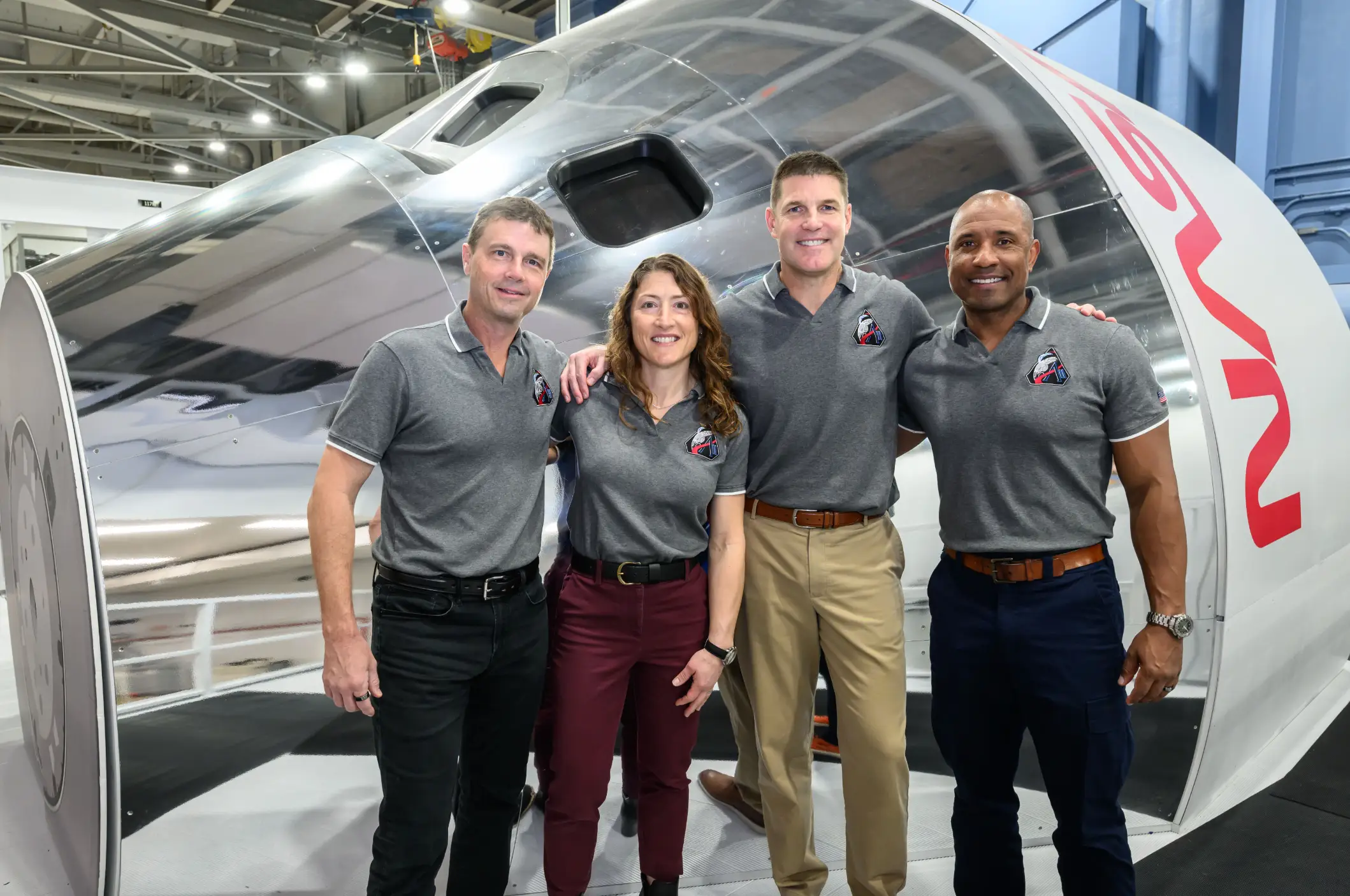
The four astronauts who will make up the Artemis II mission include NASA's Reid Wiseman, Victor Glover, and Christina Koch, and Canadian Space Agency astronaut Jeremy Hansen.
The Artemis I mission completed a similar journey a few years back in 2022, but this will be the first time that NASA's deep–space exploration equipment has been tested with a human crew.
Next month's mission is set to go ahead despite a known flaw in Orion’s heat shield that showed unexpected damage on the previous Artemis I un-crewed flight.
While NASA says the risk is understood and acceptable, experts have highlighted lingering unknowns and describe the heat shield as compromised by design standards, per CNN.
The upcoming Artemis II mission will see Orion splashdown in the Pacific Ocean, and the spacecraft and crew will be recovered with the help of the US Navy.
 Rhiannon Ingle