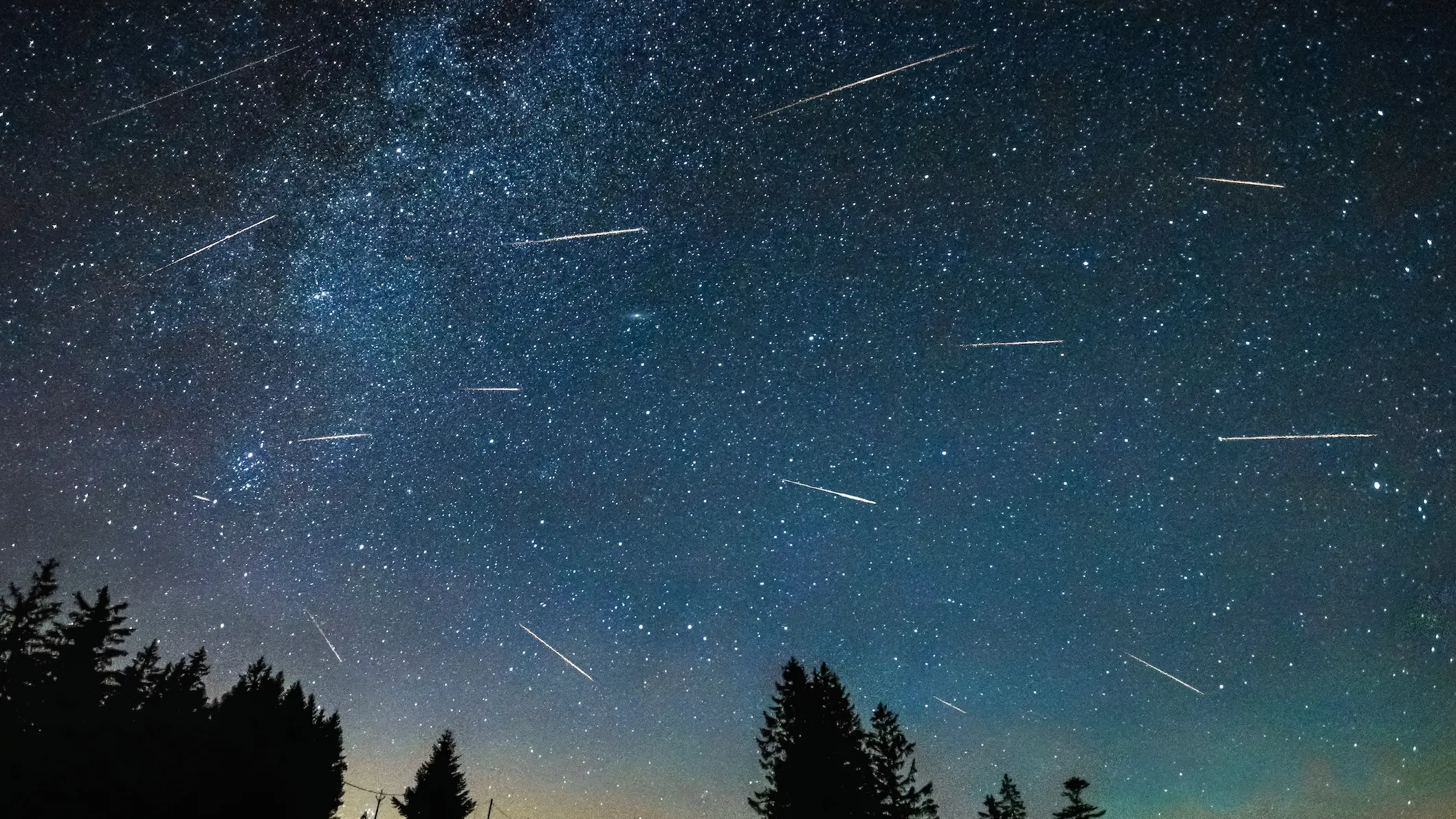
Rare astronomical event that won’t happen again for 1,000 years is happening this week

Mark your calendars, guys, as a super rare astronomical event that won’t happen again for 1,000 years will be lighting up the skies this week.
Tomorrow (21 October), Comet C/2025 A6 (Lemmon) will make its closest approach to Earth - its first and only visit in over a thousand years!
This particular comet, which was formed from primordial ice and dust 4.6 billion years ago, comes from the distant Oort Cloud, preserving material from the solar system’s birth, was discovered back in January by the Catalina Sky Survey.
It's also one of about 70 comets named after the Lemmon Observatory and is set to appear as a bright green object due to the presence of diatomic carbon (C₂), a molecule that gets broken down by solar radiation and emits green light.
Advert
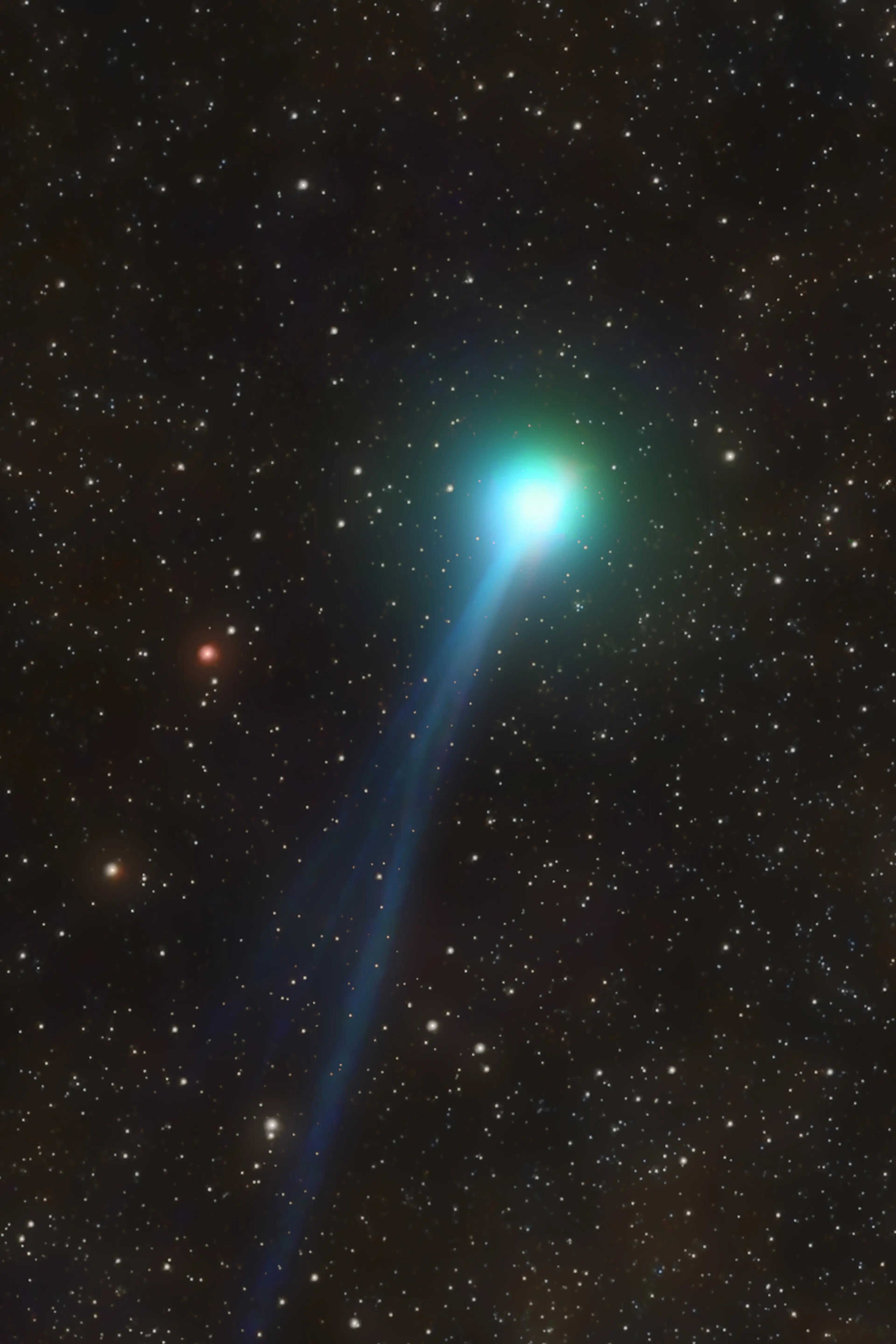
Comet Lemmon also has a light blue tail which is actually made up of two tails: one made of ice and dust from the comet itself, and one made of ions, or energetic particles that are excited when the comet 'turns on' as it gets closer to the sun’s radiation.
"Comets are very common, but Comet Lemmon is definitely the best comet to view from Earth this year," Rhonda Stroud, the director of the Center for Meteorite Studies at Arizona State University in Tempe, Arizona, told National Geographic.
She added: "Comets are fantastic to study because they are treasure troves of the original building blocks of our solar system. The frozen state of comets means that much of the dust and ice is essentially unchanged over billions of years."
How to see Comet Lemmon
Well, as we say, Comet Lemmon will be closest to Earth on 21 October - a date which coincides with a new moon giving the viewing spectacle a dark-sky advantage.
According to Nat Geo, the comet should remain visible from mid-October through early November, 'fading gradually as it moves away from Earth'.
"While it is fun to look with just your eyes, I recommend binoculars and taking pictures with a good phone or digital camera. You’ll be able to see more of the coma," says Stroud, referencing the glowing cloud of gas and dust that surrounds a comet’s icy core.
Space.com says it's expected to be visible in the evening sky from the northern hemisphere, including the UK, low on the western or north-western horizon after sunset.
According to the British Astronomical Association, it's 'reasonably likely that we will have a naked-eye comet in the evening sky at the end of October'.
Topics: Space, World News, News, UK News, US News, Explained
 Rhiannon Ingle