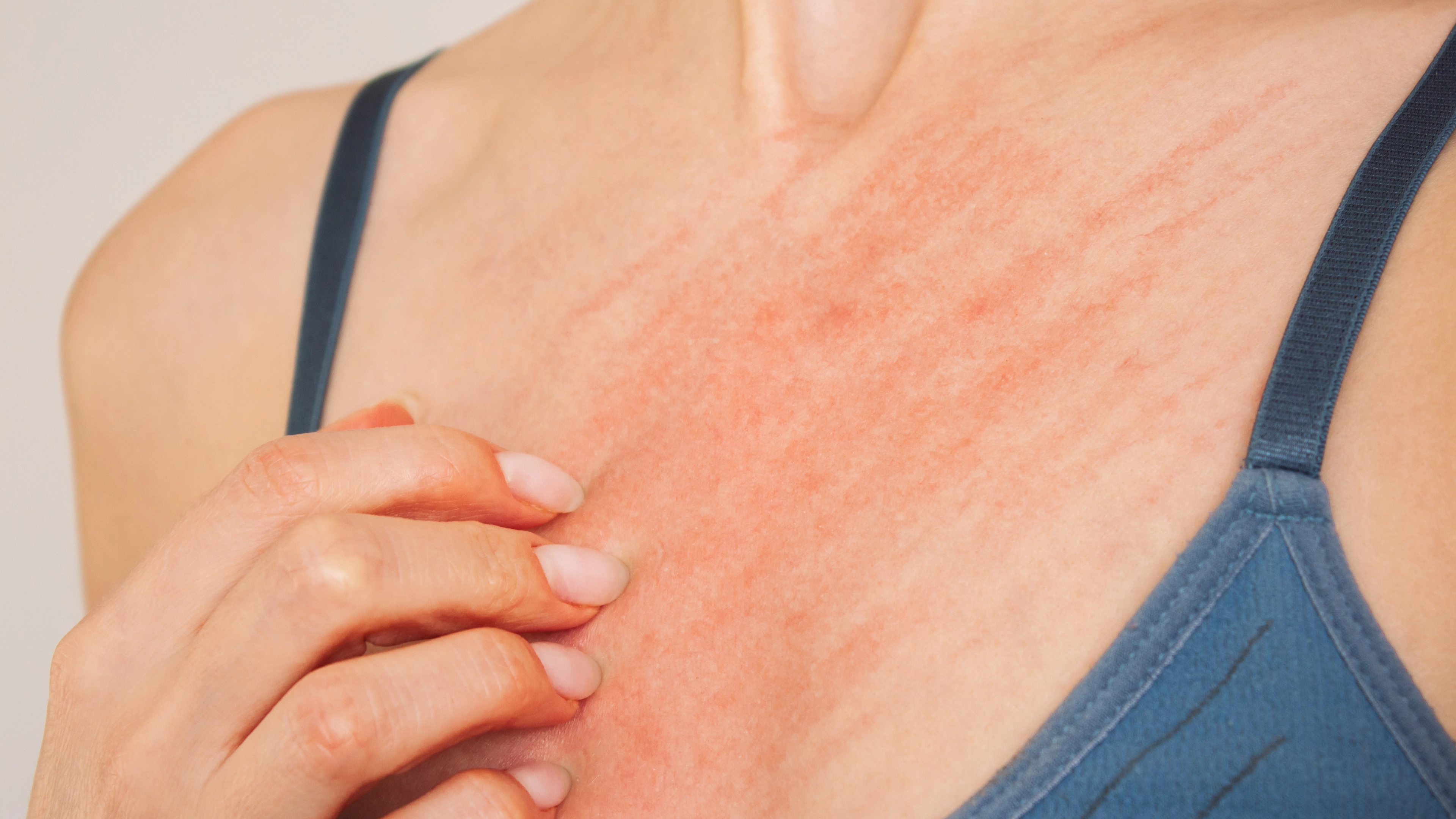
Scabies survivor issues warning as ‘highly contagious’ disease cases rise

For weeks, Louise’s life revolved around bin bags, disposable gloves, and the constant hum of a washing machine.
Clothes were changed obsessively, soft toys were replaced, and furniture was steamed until it felt safer to stand than to sit. Sleep, when it came, was fractured by relentless itching and the quiet panic that it might all start again.
She’s not alone because across the UK, people are quietly swapping tips in WhatsApp chats and scrolling through late-night forums, trying to work out why their skin is crawling, why the rash won’t stop, and why they feel so isolated.
Many admit they were embarrassed at first, convinced they’d done something wrong, or that others would judge them if they spoke up.
Advert
Speaking to the Guardian, Louise (using a false name for anonymity), said: “It was hell. My mental health was in the pan, the scratching, the itching drives you insane, and the cleaning and laundry, and you feel you can’t talk to anybody.
"It affected our lives so horrendously, I wouldn’t wish it on my worst enemy.”
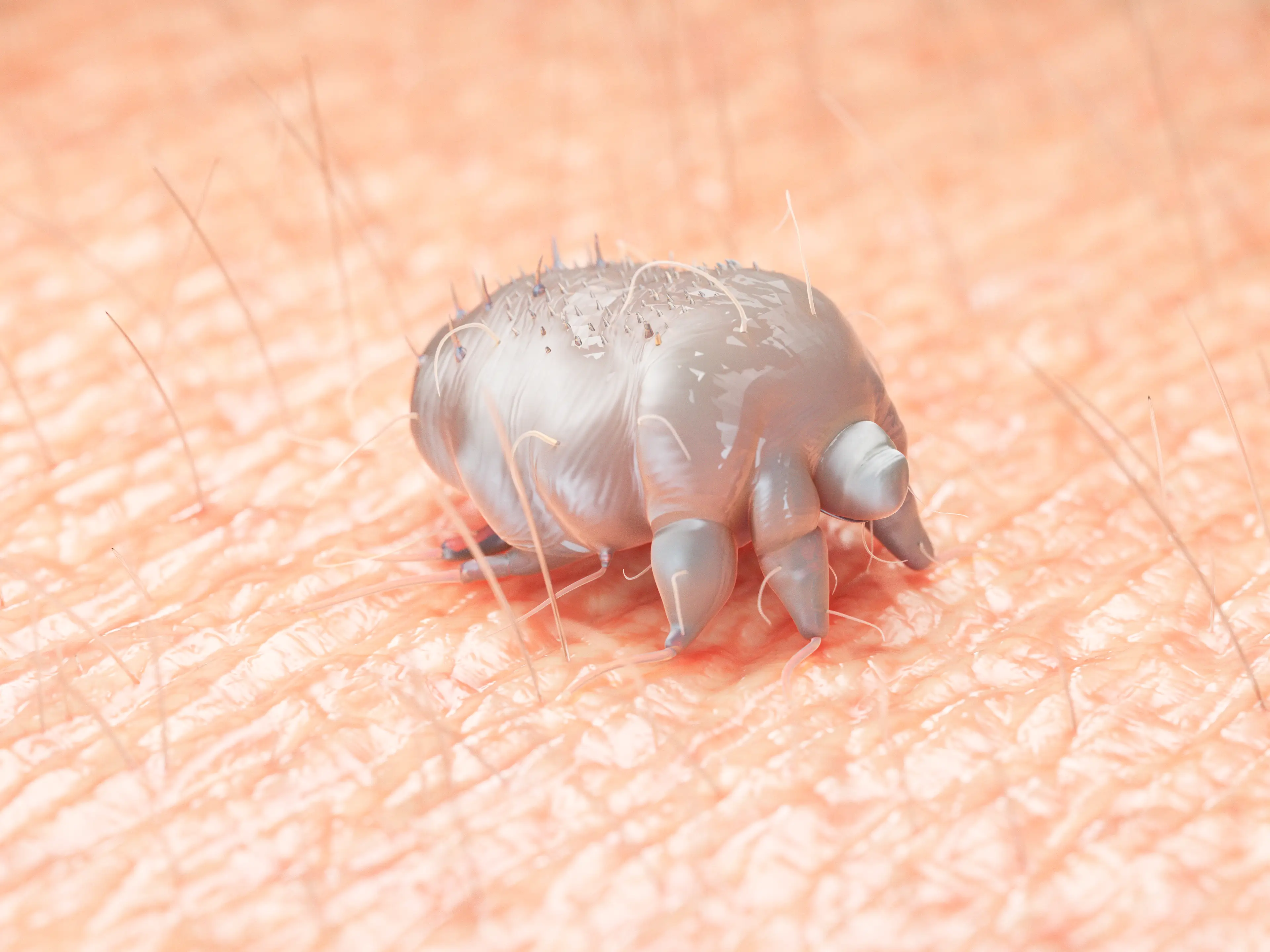
This is all because of what she unexpectedly found out she had: scabies.
Health experts say cases of the highly contagious skin condition are rising across the UK, with doctors seeing stubbornly high numbers since the coronavirus pandemic.
Scabies is caused by microscopic mites that burrow into the skin, triggering intense itching, especially at night. It spreads through prolonged skin-to-skin contact and has nothing to do with cleanliness, despite lingering stigma.
Symptoms can take weeks to appear, meaning people may unknowingly pass it on before realising anything is wrong. Treatment is straightforward on paper: medicated creams applied across the body, repeated after a week, with all close contacts treated at the same time. In reality, many people struggle with reinfection, missed areas, or delayed diagnoses.
Louise recalls being shocked by how quickly it took over her family’s life. She said: “I first thought of it as a dirty thing. I was ashamed.”
Her children developed symptoms, and what followed was a blur of treatments, endless laundry, and mounting anxiety.
Another scabies survivor issued a warning on Reddit for anyone suffering with the condition to stay off the internet.
Explaining they have OCD, they said: "Be strict with yourself on being cautious not obsessive. Please try to stay off the internet and follow your own journey with your doctors/emotional help.
"Things will get better eventually and it is not the end of the world - be kind to yourself and accept that these things happen. You're a human being!"
Doctors warn that while the mites die quickly with correct treatment, itching can linger for weeks afterwards, something that often fuels fear that the infestation is still active. That uncertainty has driven many sufferers into extreme cleaning routines and spiralling stress.
Experts stress that scabies is common, treatable, and not a reflection of personal hygiene. Still, they also acknowledge the emotional toll it can take when information is unclear or support feels limited.
Now recovered, Louise is speaking out to urge others not to ignore the signs or suffer in silence.
Topics: Health, UK News, Mental Health
 Ben Williams