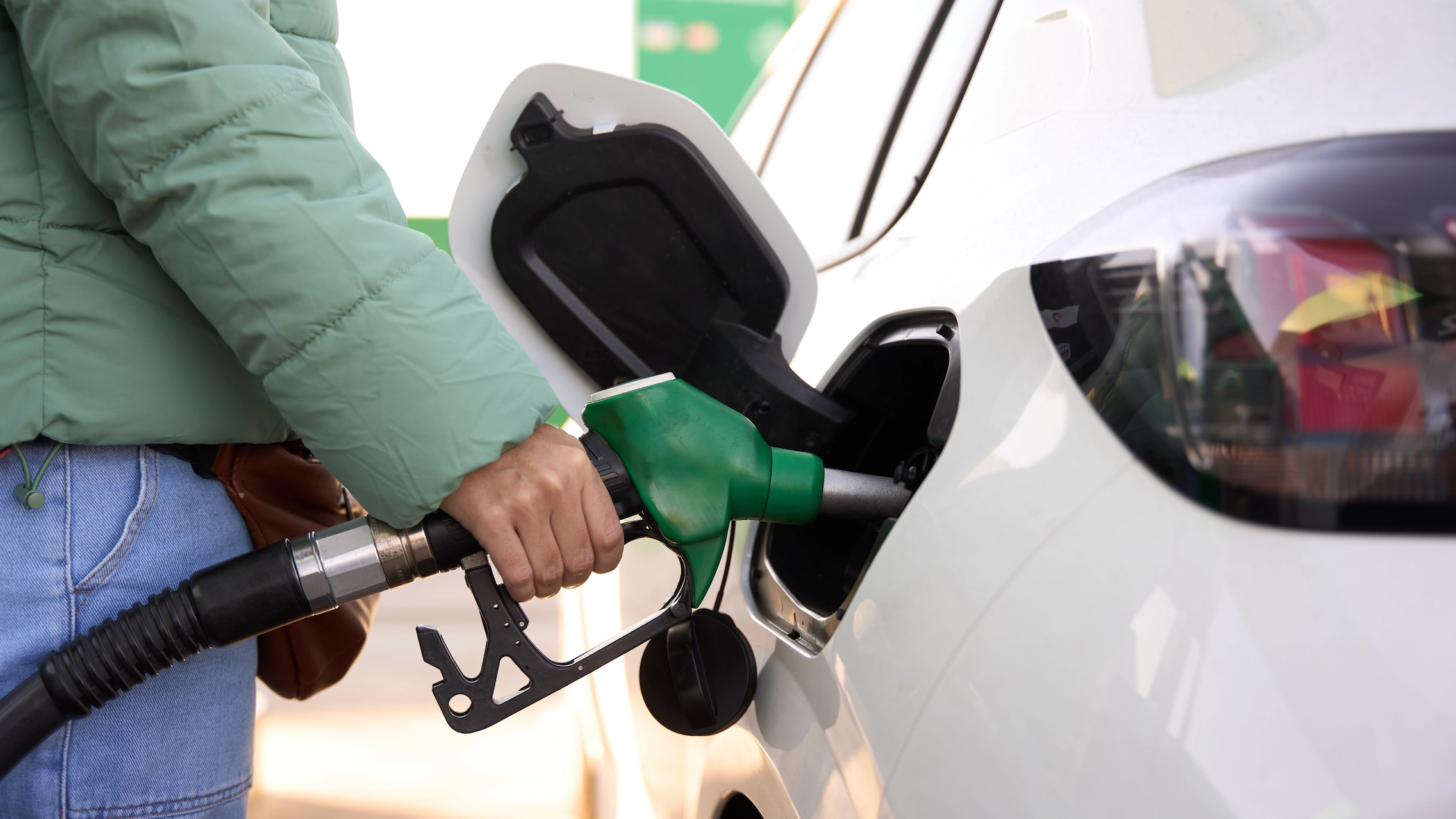
Brits are being urged to stop 'non essential journeys' over fuel crisis

A warning has been issued to UK drivers against making 'non essential journeys' in the coming weeks.
Instead of making long road-trips using their personal motor, Brits are being encouraged to either take public transport or stay home.
The stern advice comes in light of the ongoing conflict in the Middle East, which US President Donald Trump and Israeli leader Benjamin Netanyahu reignited last weekend, by firing 'massive' missiles at Iran.
The powerful politicians claimed the attack came in response to the Islamic Republic's increasingly oppressive totalitarian leadership, as well as in a bid to ensure the nation 'does not obtain a nuclear weapon'.
Advert
Responding, Iranian leaders fired numerous weapons of their own at American-Israeli troops based across Bahrain, Kuwait, Qatar, the United Arab Emirates (UAE) and Jordan, as well as Cyprus, where a British military base was hit last week.
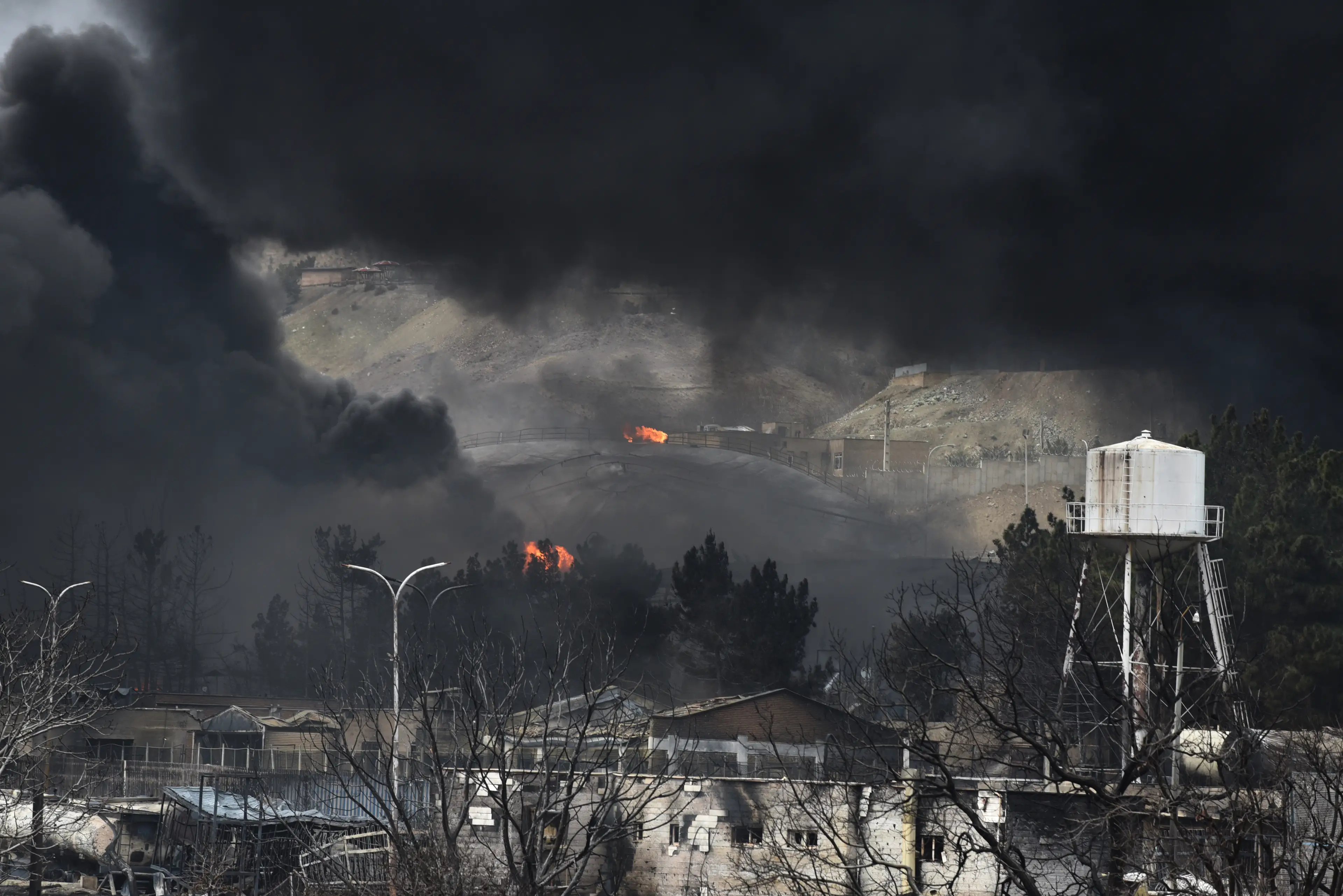
As has long been the case with warfare within the Middle East, last week's missile exchanges rapidly resulted in petrol and diesel prices skyrocketing.
This is caused by tanker traffic disruption, sparking a rise in general oil prices, which, in turn, has a knock-on effect on wholesale fuel.
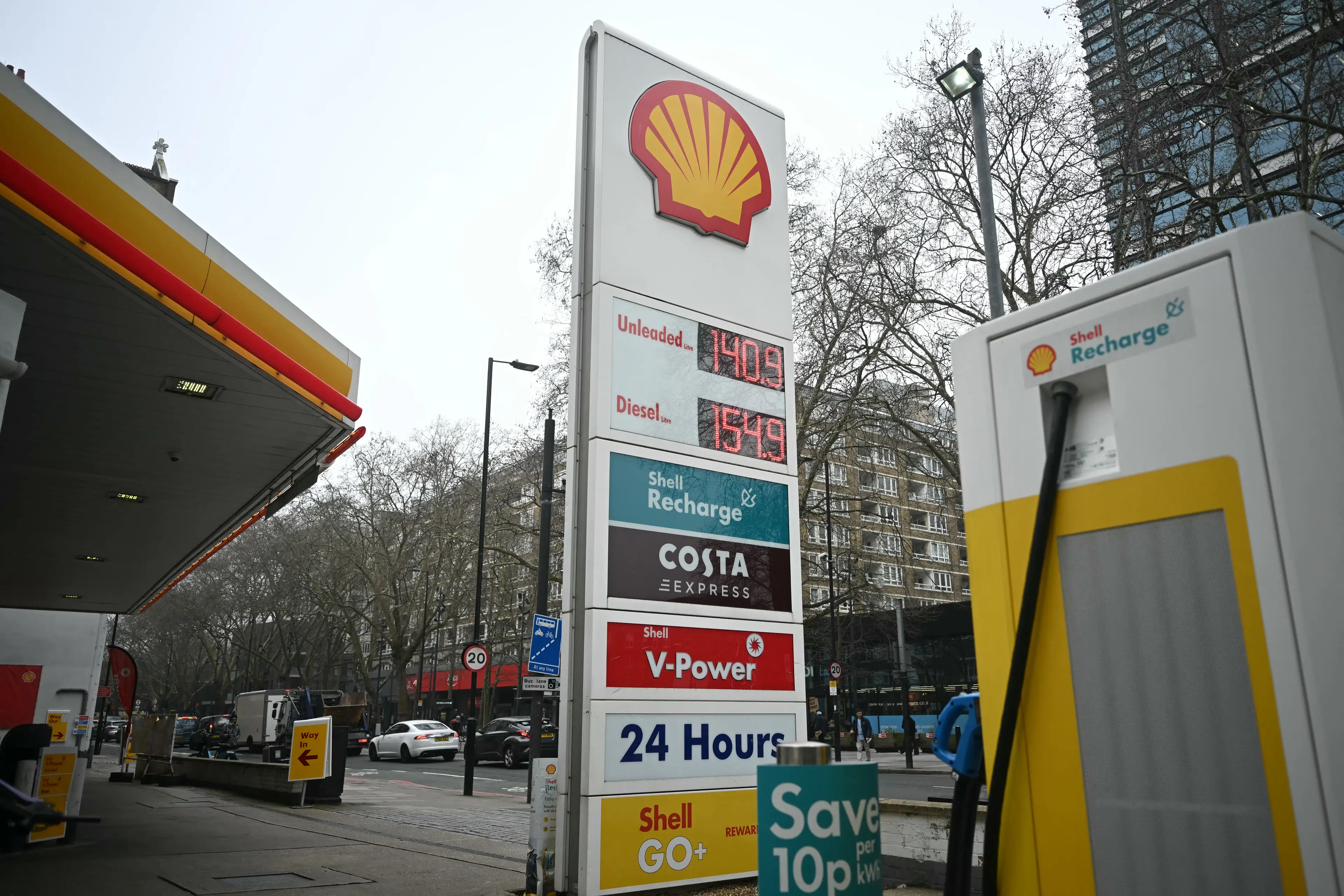
According to the RAC, since Trump and Netanyahu launched their first assault - which killed Iran's Supreme Leader, Ayatollah Ali Khamenei - the average price of petrol has increased by 5p a litre to a staggering 137.5p. Diesel prices, meanwhile, have risen by 9p a litre, to an incomprehensible 151p.
To keep a five-door car's 42-litre engine running, therefore, Brits will be forced to cough up as much as £58 per refill.
Speaking to UK drivers specifically, AA president Edmund King has recommended drivers rethink whether or not their car journeys are totally necessary going forward. "The longer this conflict goes on, the more effect it will have on the cost of oil," he told Metro.
"Any time Brent Crude passes 100 dollars per barrel raises concern across the markets, for the haulage industry and drivers."
King went on to predict: "There will be gradual increases in pump prices, but this shouldn’t happen overnight as fuel has been purchased at previous prices. Our suggestion is that drivers should not change their refuelling habits but can consider cutting out some non-essential journeys and changing their driving style to conserve fuel."
In agreement, RAC policy head, Simon Williams, added: "Average petrol and diesel prices have rocketed in the last week and are unfortunately likely to keep on rising, so the situation for UK drivers is looking increasingly bleak.
"Unleaded is almost certainly going to reach an average of 140p in the next week or so, while diesel looks highly likely to climb to at least 160p a litre. We encourage drivers to continue filling up as normal, but to shop around for the best prices."
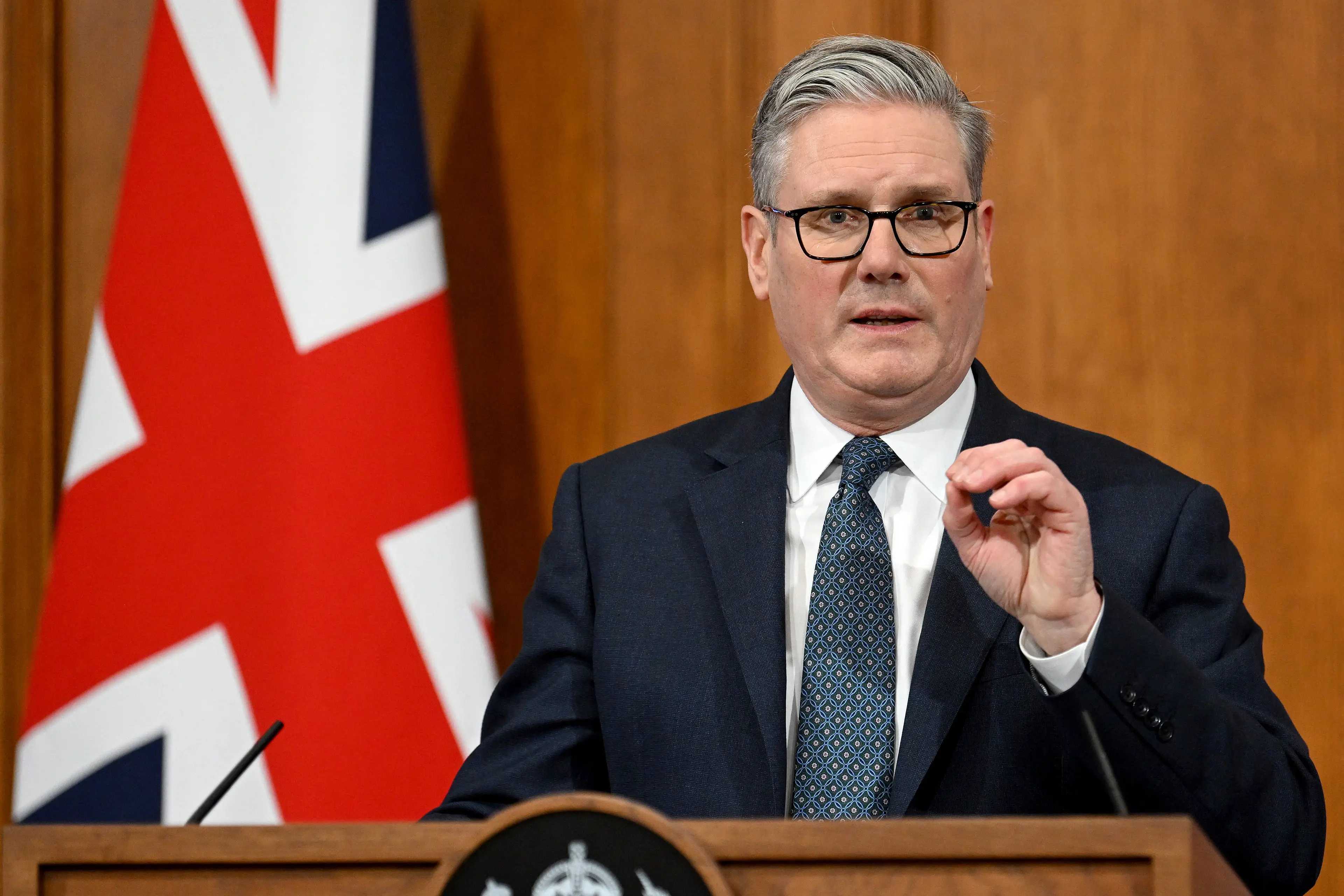
Concerns over fuel prices in light of the ongoing conflict also reached Sir Keir Starmer.
The Prime Minister's spokesperson addressed them in a statement that read: "I understand those comments are more about consumer advice to save money rather than any suggestion that we are low on supply.
"We are obviously closely monitoring prices in light of the situation in the Middle East."
These controversial new rates aren't just limited to the UK, however.
In the US, an increase of 78 cents for petrol has been reported by the US Energy Information Administration, compared with the week prior to Trump pressing his big red button. For diesel, this increase has cost American drivers an extra 88 cents.
In the UAE, meanwhile, the price of petrol has jumped 12 fils from 2.33 dirhams to 2.48 dirhams a litre. The jump in diesel prices has increased by as much as 24 fils.
Topics: UK News, News, Money, Politics, US News, Iran, World News, Israel
 Rhianna Benson