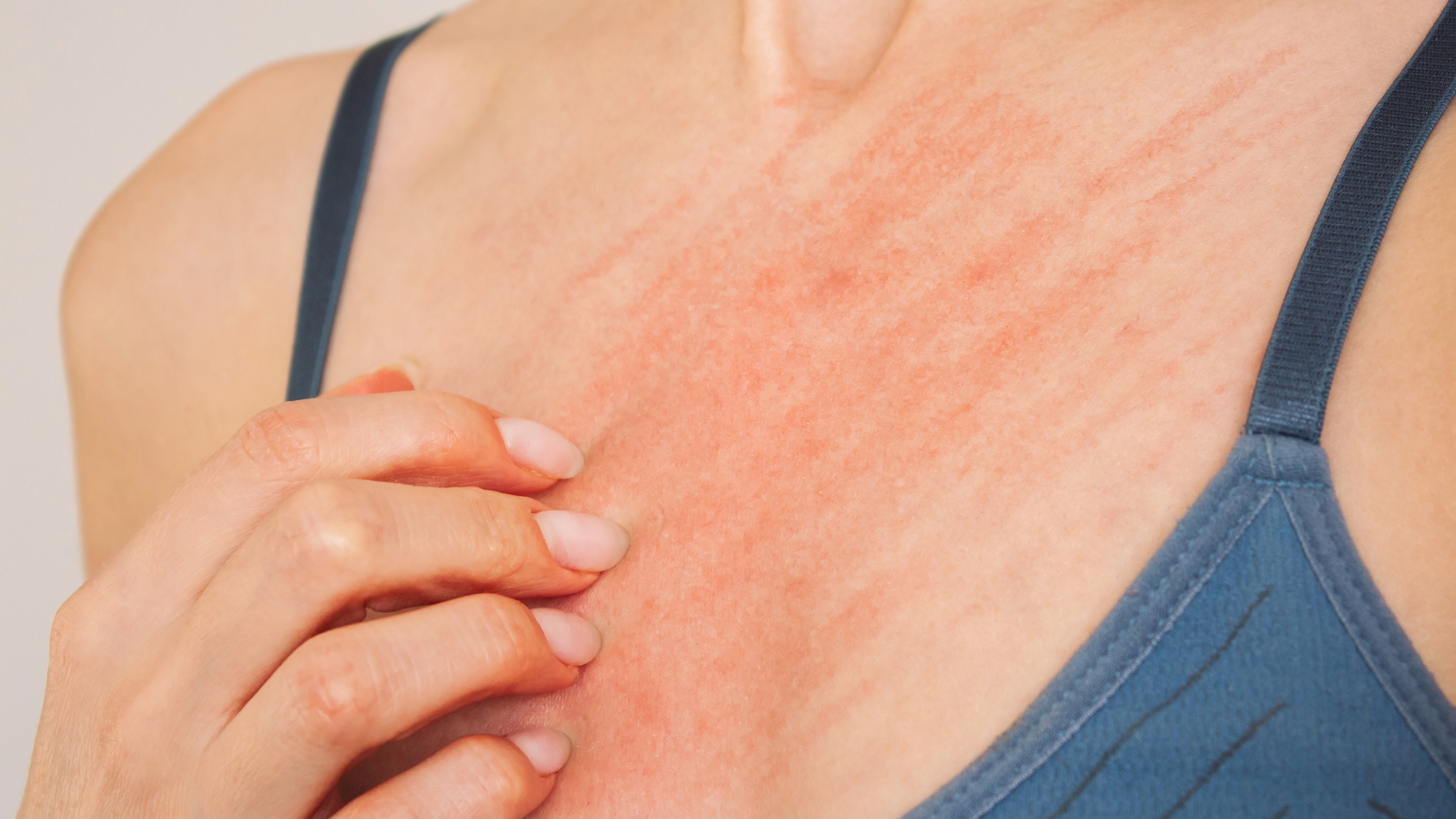
Scabies cases are on the rise - here's the key signs to watch out for

Scabies cases are on the rise again in the UK, and Brits are being urged to keep an eye out for symptoms.
For those lucky enough to have never experienced scabies, it's essentially an itchy rash caused by mites and spread through close skin contact.
Anyone can get it, and it should be treated quickly to stop it spreading, as per the NHS.
The scabies rash usually spreads across the whole body, except the head and neck, and often affects the skin between the fingers, around the wrists, under the arms, and around the waist, groin, and bottom.
Advert
The latest figures from the Royal College of General Practitioners’ Research and Surveillance Centre show that scabies consultations are currently double the five-year national average.
As reported by The Sun, in the last week alone, GPs saw just under 900 cases of the disease across England, which is almost 20 per cent higher than the figure logged in the same week last year.
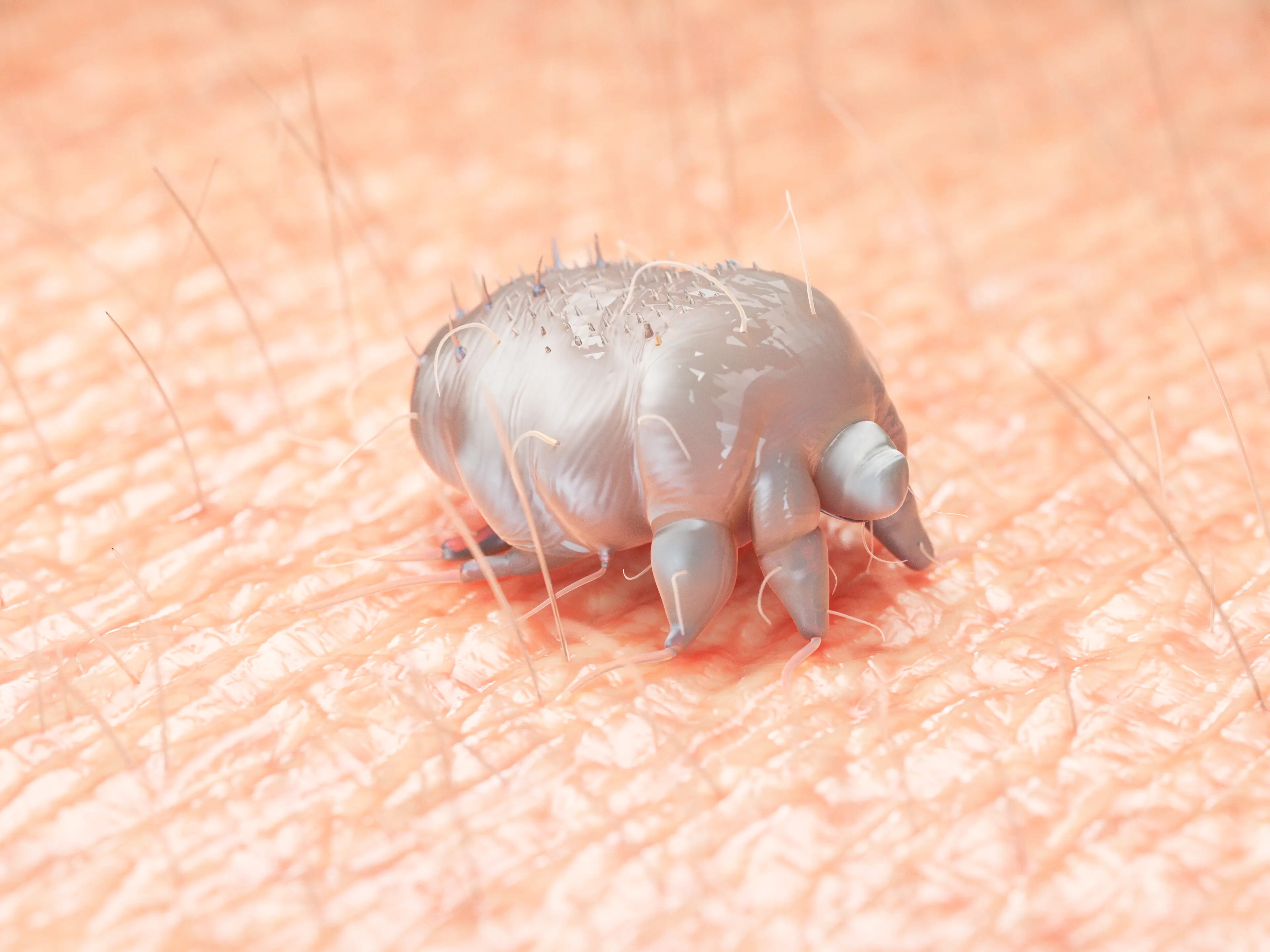
What are the symptoms of scabies?
First and foremost, experts are warning the public not to ignore an itchy rash, which could be a symptom and to seek out treatment immediately.
Scabies is often brushed off as eczema, dermatitis, or an allergic reaction, but it's important to make sure you know for sure what you're dealing with.
Tiny mites lay eggs in the skin, leaving lines with a dot at one end, which then may spread and turn into tiny spots.
Older people and young children may also develop a rash on their head, neck, palms and soles of their feet, as well as the areas mentioned earlier.
People with a weakened immune system can sometimes get a rare, very contagious type of scabies called crusted scabies, which is characterised by a crusted, flaky rash that often affects the elbows, knees, hands, and feet.
Dr Angela Tewari, consultant dermatologist at GetHarley, told Women's Health Magazine: "If you have symptoms of severe itch, particularly at nighttime, or small sores in between your fingers, the instep of your feet and your groin, and if others in your household are itchy, then I would seek help.
"It is important to remember this is nothing to do with hygiene. Signs to look out for are itchy bumps and breaks (or track marks) in your skin that will come up as red or purplish in hue."
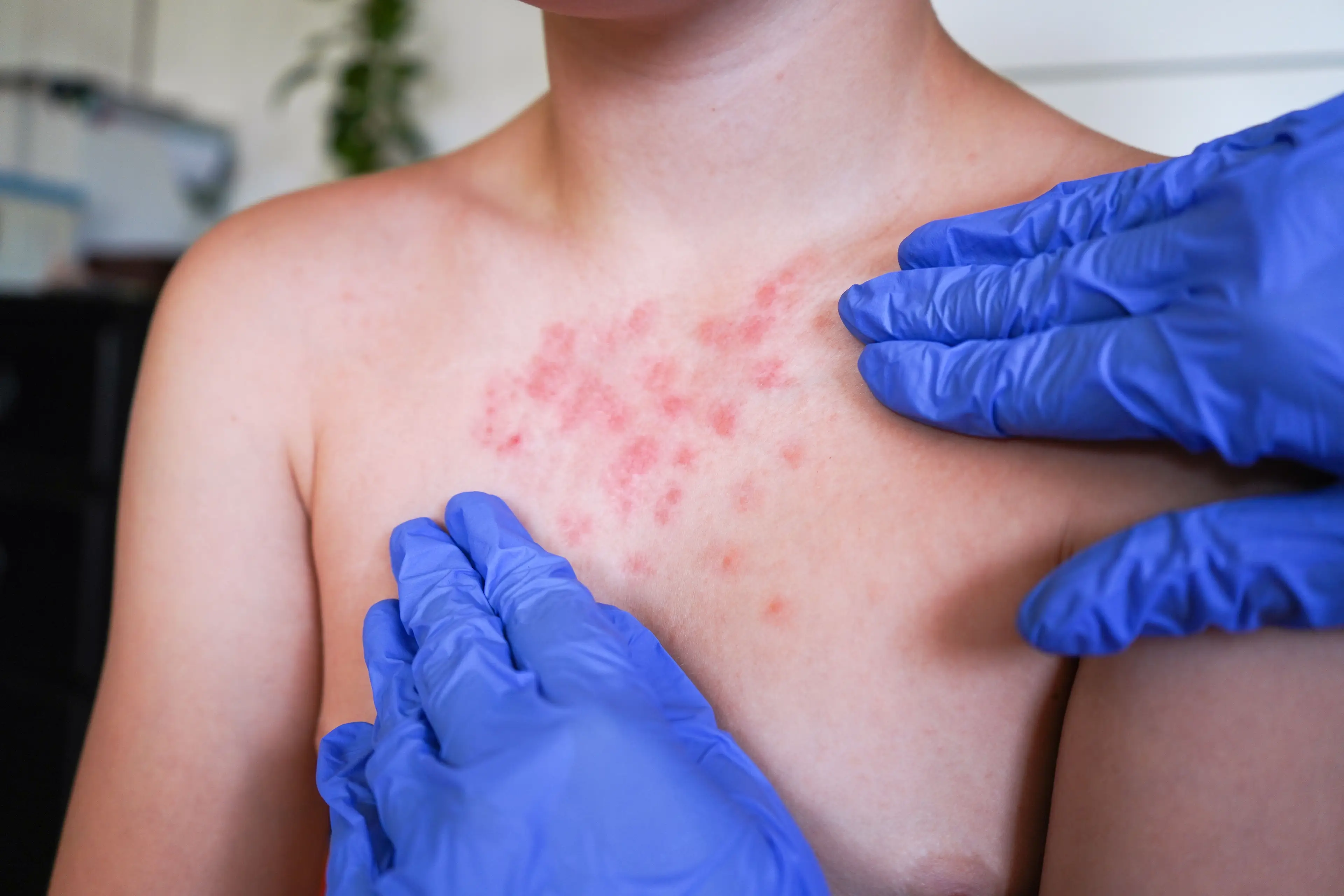
How is scabies spread?
The NHS warns that scabies spreads through close skin contact, including sexual contact. You cannot get scabies from pets; however, people who live or work closely together in nurseries, university halls of residence or nursing homes are more at risk.
If you or someone in your family has scabies, you can prevent it from spreading by washing all bedding and clothing in the house at 60 °C or higher, and if possible in a hot dryer, on the first day of treatment.
Also, make sure you put clothing that cannot be washed in a sealed bag for at least three days until the mites die.
Don't have sex or close physical contact until you have completed the full course of treatment, and do not share bedding, clothing or towels.
 Madison Burgess