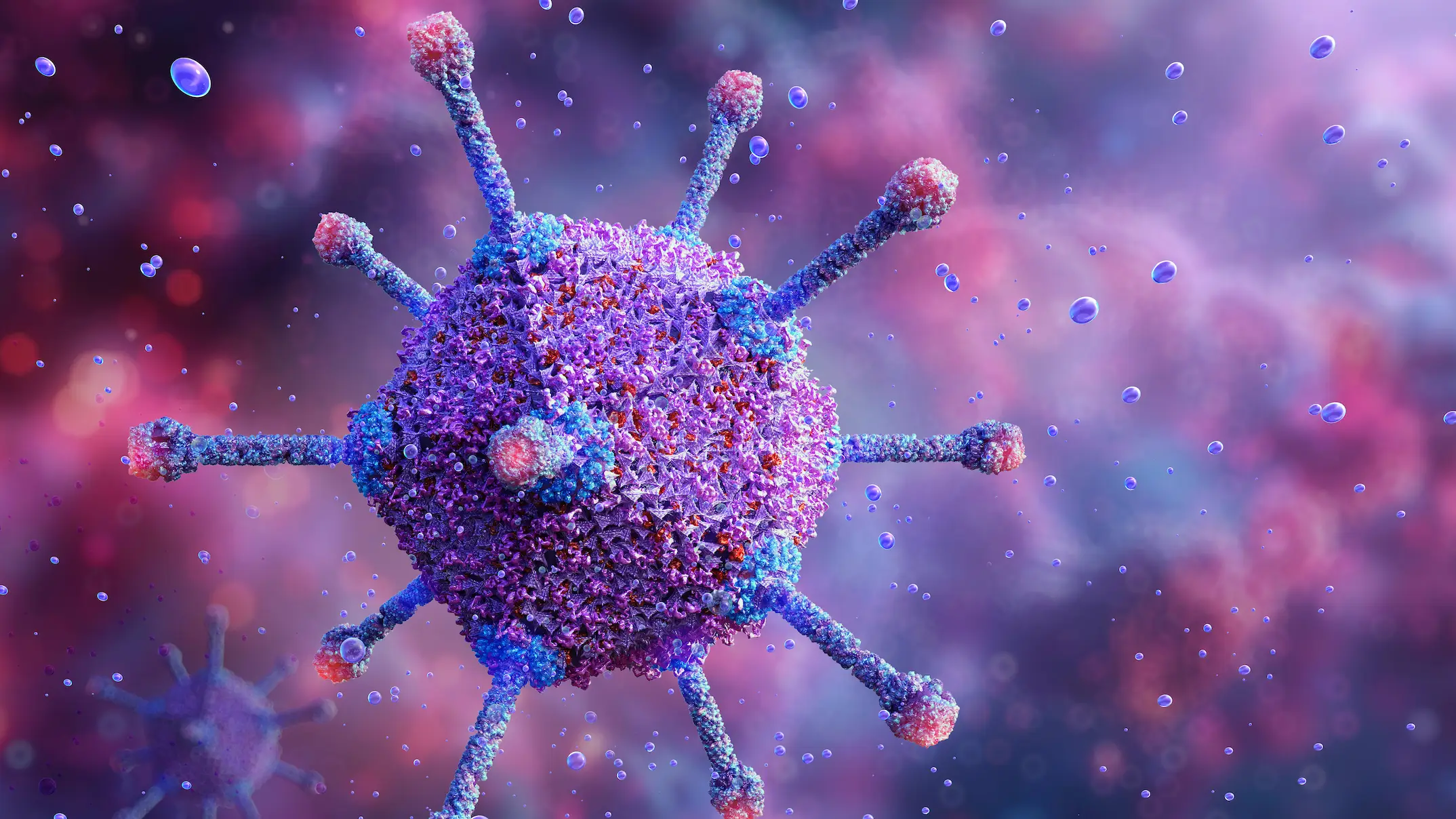
Timeline of what happens to your body when you contract ‘highly contagious’ adenovirus

Alongside the likes of flu, Covid and the common cold, there's another highly contagious virus that you might not have heard of - and it's pretty nasty.
Adenovirus is a super contagious bug that's been doing the rounds in the UK over the last few months.
And if you've been struck down by a nasty illness, chances are it could have been adenovirus - famed for its high transmission rates and the fact it is resistant to soap and many other cleaning products.
Essentially, this means it moves through the population quickly, despite our best hygiene efforts.
Advert
"It is spread from breathing in infected aerosol droplets, by inadvertently rubbing the virus directly into the eye, or via the faecal-oral route (not handwashing after using the toilet)," Dr Deborah Lee at Dr Fox Online Pharmacy explained, as per Cosmopolitan.
She continued: "It spreads rapidly in places where people are in close proximity.
"The virus is resistant to soap and many other commonly used cleaning products."
If you have been suffering from adenovirus, here's what you might expect from the bug. However, this timeline is based on general medical information and will likely fluctuate depending on the individual.
Exposure
Exposure is the very beginning of the virus entering the body, often through the nose, eyes, mouth or digestive tract.
This often happens via droplets in the air (for example, if an infected person sneezes in a confined space you are sharing) or through touching infected surfaces or swallowing water (for example, in a swimming pool).
At this point, it's unlikely you would feel any symptoms.
Incubation period
The incubation period follows exposure and tends to be slightly different for different viruses.
With adenovirus, the incubation period is two days to two weeks, although most will begin to feel unwell by days five or six.
Symptoms begin
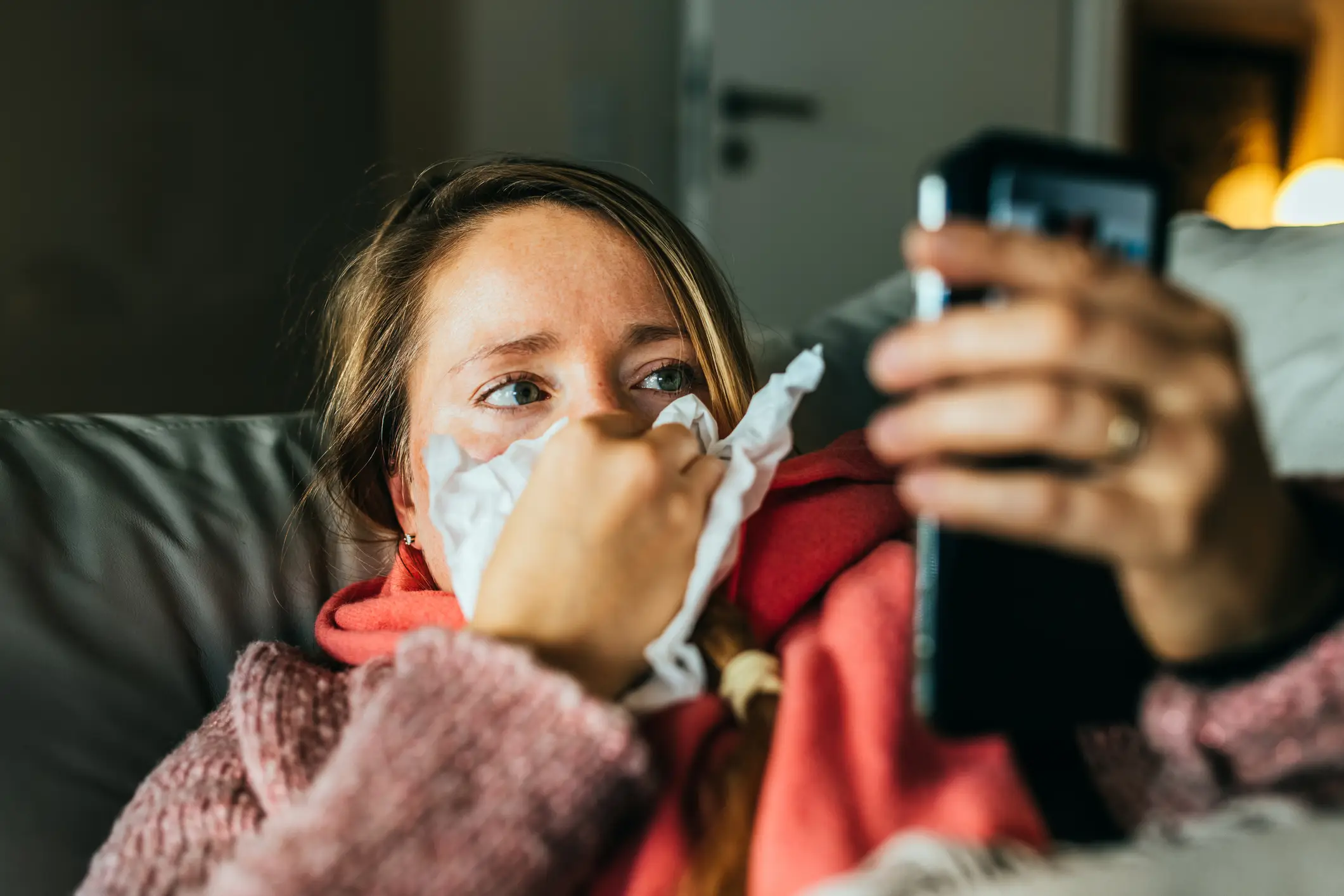
Once the incubation period is over, the onset of symptoms will begin. For adenovirus, these include a fever, runny nose, sore throat, cough, shortness of breath and enlarged cervical lymph nodes in the neck.
In more severe cases, however, patients can suffer from an odd mix of other symptoms, including conjunctivitis, ear pain, diarrhoea, vomiting, tummy pain, or a urinary tract infection.
Symptoms peak
Around two to five days after symptoms begin, the severity should peak, meaning this is when people generally feel at their worst.
This is because the viral load of the virus within the body is at its highest and the immune system is fighting hard.

Recovery begins
Once the symptoms begin to fade, the recovery period can begin and this often happens around five to 14 days after the onset.
As the immune system begins to clear the virus, inflammation begins to go down and most people will start to feel a little better.
As with most viruses, feeling better is a gradual process and can take a few days.
Virus clears
Once the virus begins to fully clear, you'll start to feel much better, although many people will notice that a post-viral cough or fatigue can linger for a few weeks.
While you may be feeling mostly back to normal, it's important to take it easy and allow your body to fully recover.
 Lucy Devine