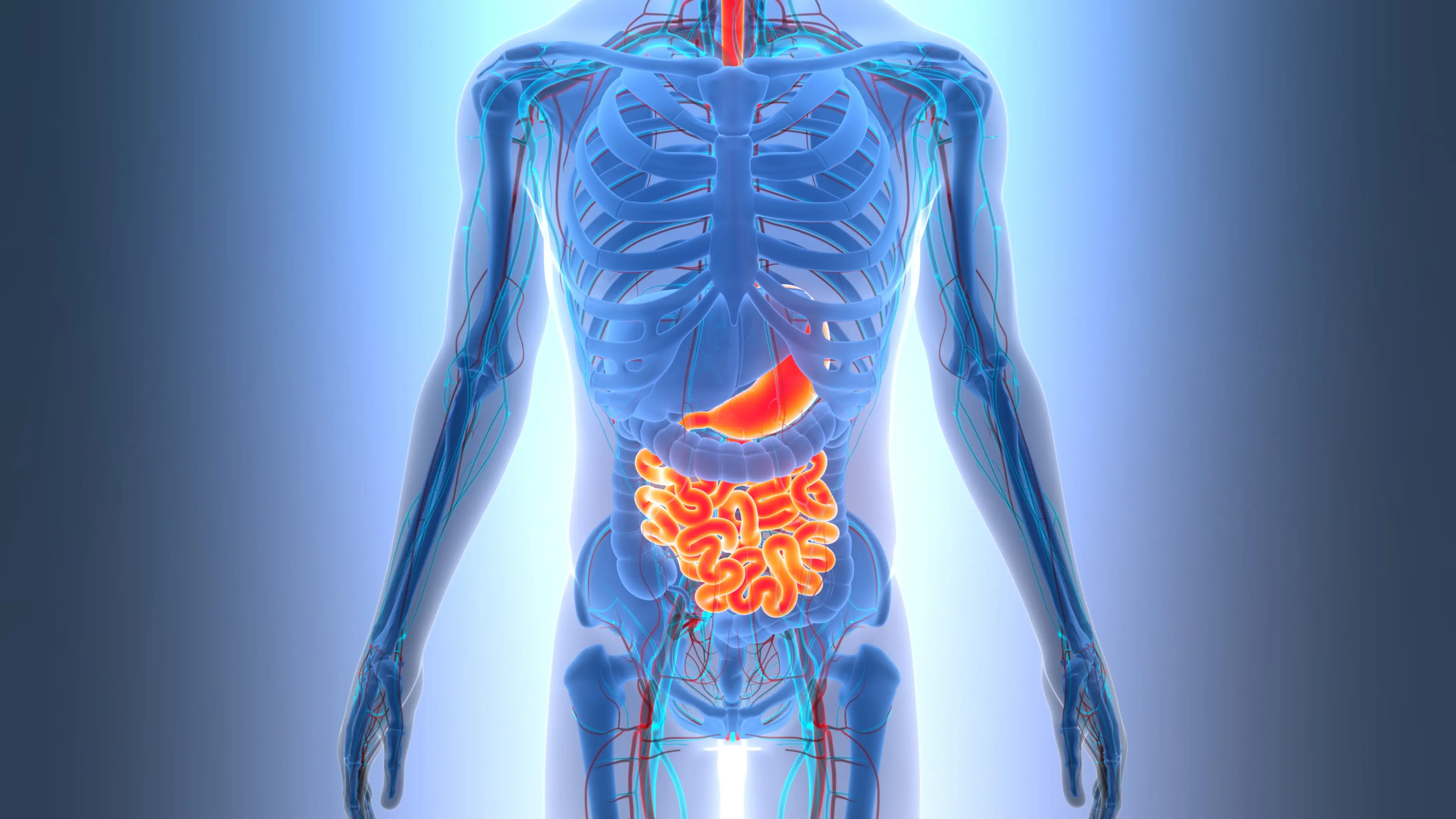
Experts reveal how a simple breath test could detect rare cancer

A new major medical breakthrough means that a simple breath test could help diagnose pancreatic cancer.
Experts have said this world-first initiative could 'revolutionise' care for patients with the disease, which is notoriously hard to spot in its early stages.
The breath test is currently being trialled, and Pancreatic Cancer UK, which is funding the study, has described it as 'the most significant step toward a lifesaving breakthrough in 50 years'.
Symptoms of the disease, such as back pain and indigestion, are vague and can be easily mistaken for other things, meaning the cancer is often not detected until it has spread to other parts of the body.
Advert
A recent audit of pancreatic cancer in England and Wales found that the majority of pancreatic cancer patients are diagnosed at a late stage - 62% of patients in England and 65% of patients in Wales are diagnosed at stage four.
Survival rates are particularly poor for this type of cancer, and some 22% do not survive for 30 days after diagnosis in England compared to 21% in Wales.
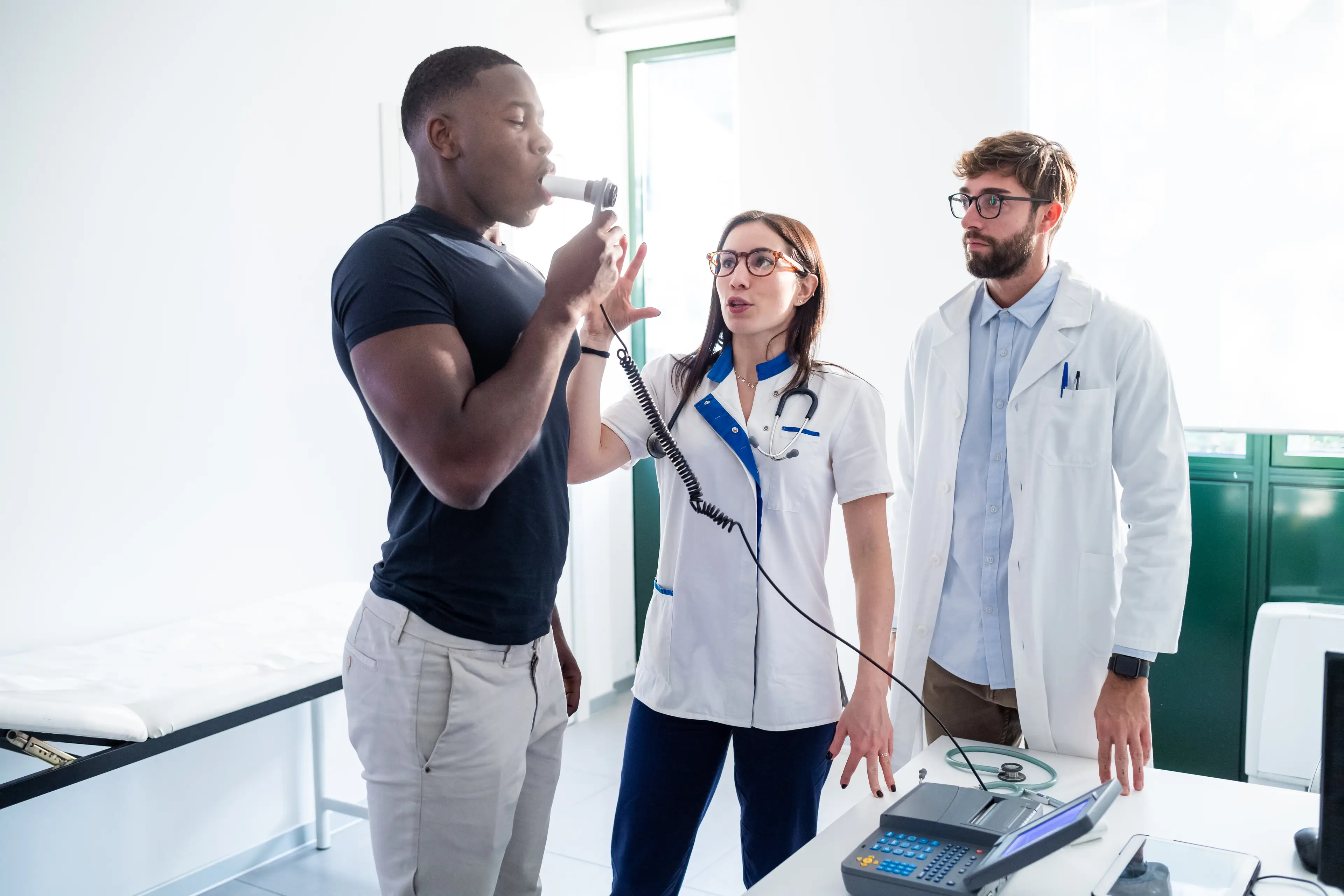
But now, scientists at Imperial College London are hoping to turn the tide on the disease with the revolutionary new breath test.
It will be tested among 6,000 patients with an unknown diagnosis across 40 sites in England, Wales and Scotland.
If proven effective, it's hoped it could be rolled out across GP surgeries within as soon as five years, meaning patients could be diagnosed quicker when treatment may be more effective.
The large trial follows a smaller scientific study of 700 patients over two years which had 'promising' results - so what exactly is the breath test?
It's used to detect a combination of 'volatile organic compounds' present in the breath.
Thousands of these compounds travel around the bloodstream and are then filtered out when the blood reaches the lungs and then expelled out with breath, the charity explained.
These changes are evident even when the cancer is in its earliest stage of disease, meaning the test could help people get diagnosed quicker.
Isolating the unique combinations of these compounds can pinpoint whether or not a person has pancreatic cancer, and results would be available for GPs in just three days, speeding everything up.
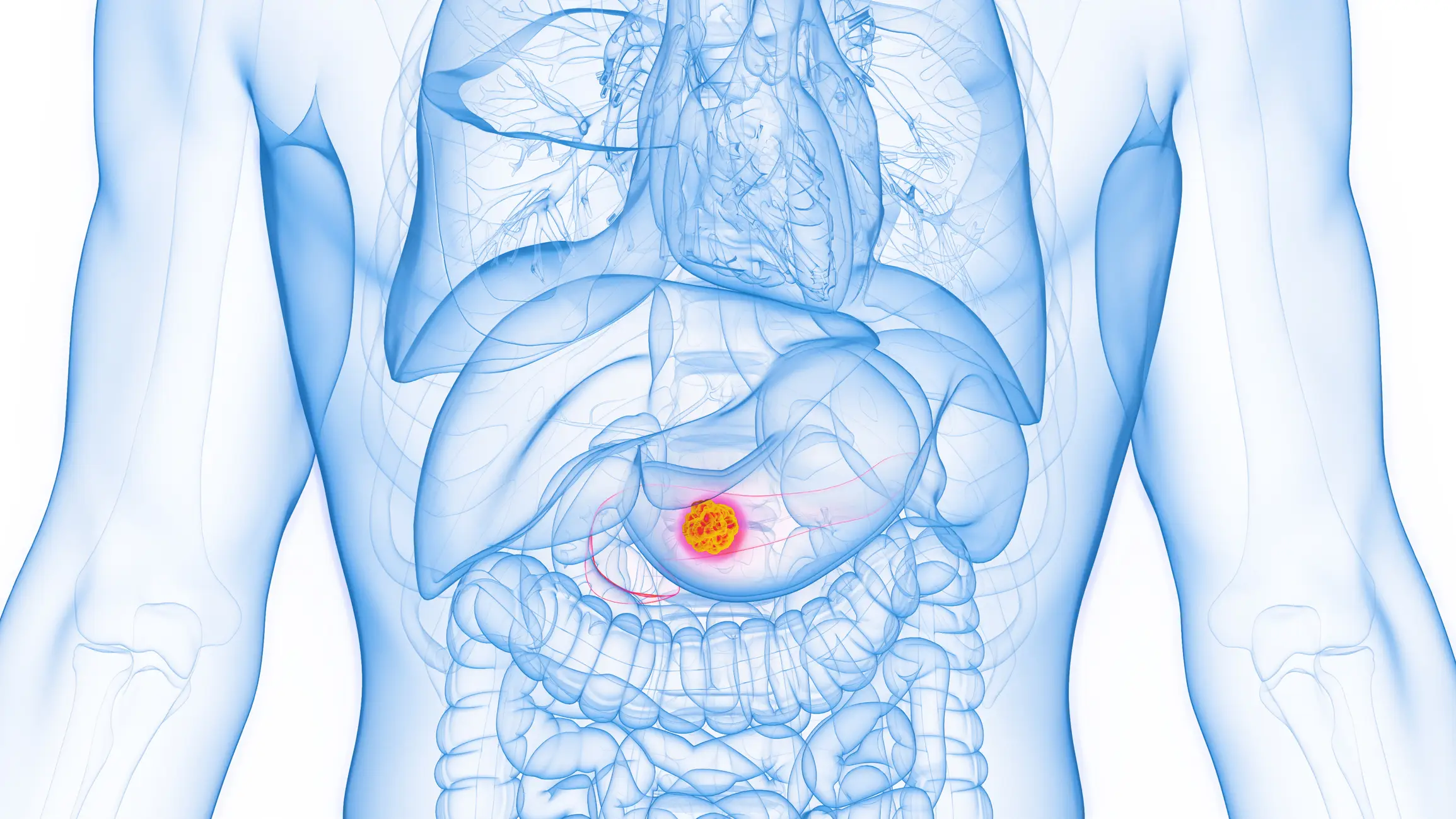
It would be a huge change from the current practice, which sees patients with suspected pancreatic cancer referred for scans or sent to the hospital for further investigations.
Diana Jupp, chief executive of Pancreatic Cancer UK, which is providing £1.1 million to fund the study, said: “The breath test has the potential to revolutionise the early detection of pancreatic cancer.
“It is, undoubtedly, the most significant step toward a lifesaving breakthrough in 50 years.
“While more years of development are still needed before we can put this exciting new technology into the hands of GPs across the country, thousands of patients with an unknown diagnosis will now help refine it in the real-world."
She added: “This is the first pancreatic cancer breath test to ever reach a national clinical trial of this scale. That in itself makes this a moment of real, tangible hope.
“For decades, the deadliest common cancer has been seen as too great a challenge to solve, but we are determined to keep pushing the boundaries of what’s thought possible.”
 Madison Burgess