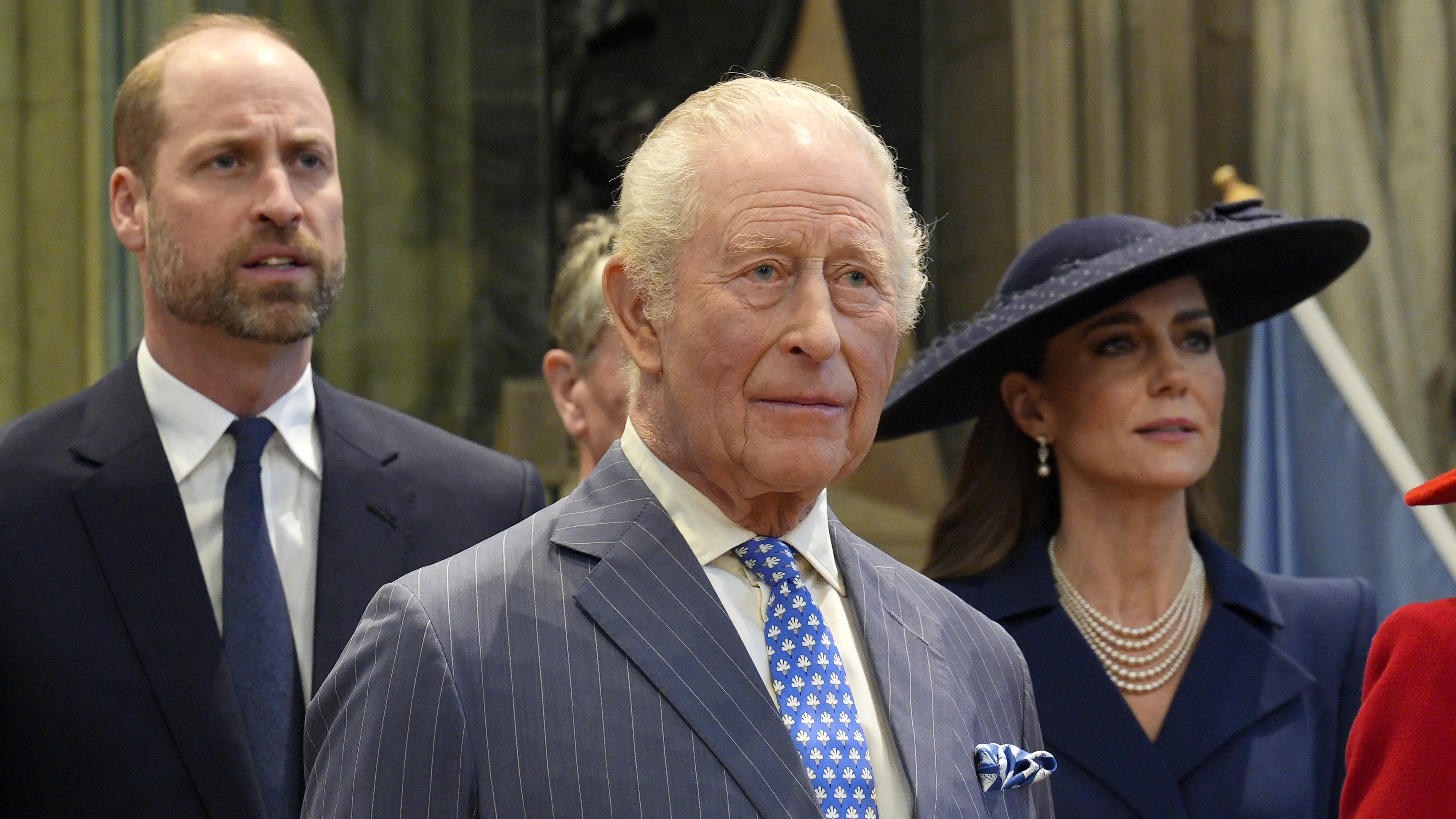
What it takes to have your honours revoked after King Charles strips nine people of theirs

King Charles III has taken away the MBEs and OBEs of nine people and there are several reasons why people can have their honours stripped.
In the UK, you can be appointed an Officer of the Order of the British Empire (OBE) or Member of the Order of the British Empire (MBE) by the monarch in recognition of significant achievements or services.
Those who are made OBEs are typically done so if they've played a major role in either a local or national capacity. An MBE is typically awarded tho those who've worked hard in their local community for an outstanding and sustained amount of time.
However, after you've received the honour, it doesn't mean you can just forget about being such an magnificant member of society.
Advert
Gov UK notes: "Both we and the wider community expect recipients of honours to be, and to remain, good citizens and role models."
And if you shouldn't, your honour can be withdrawn, this month seeing King Charles strip a whopping nine people of their honours.
But what can cause an honour to be removed?
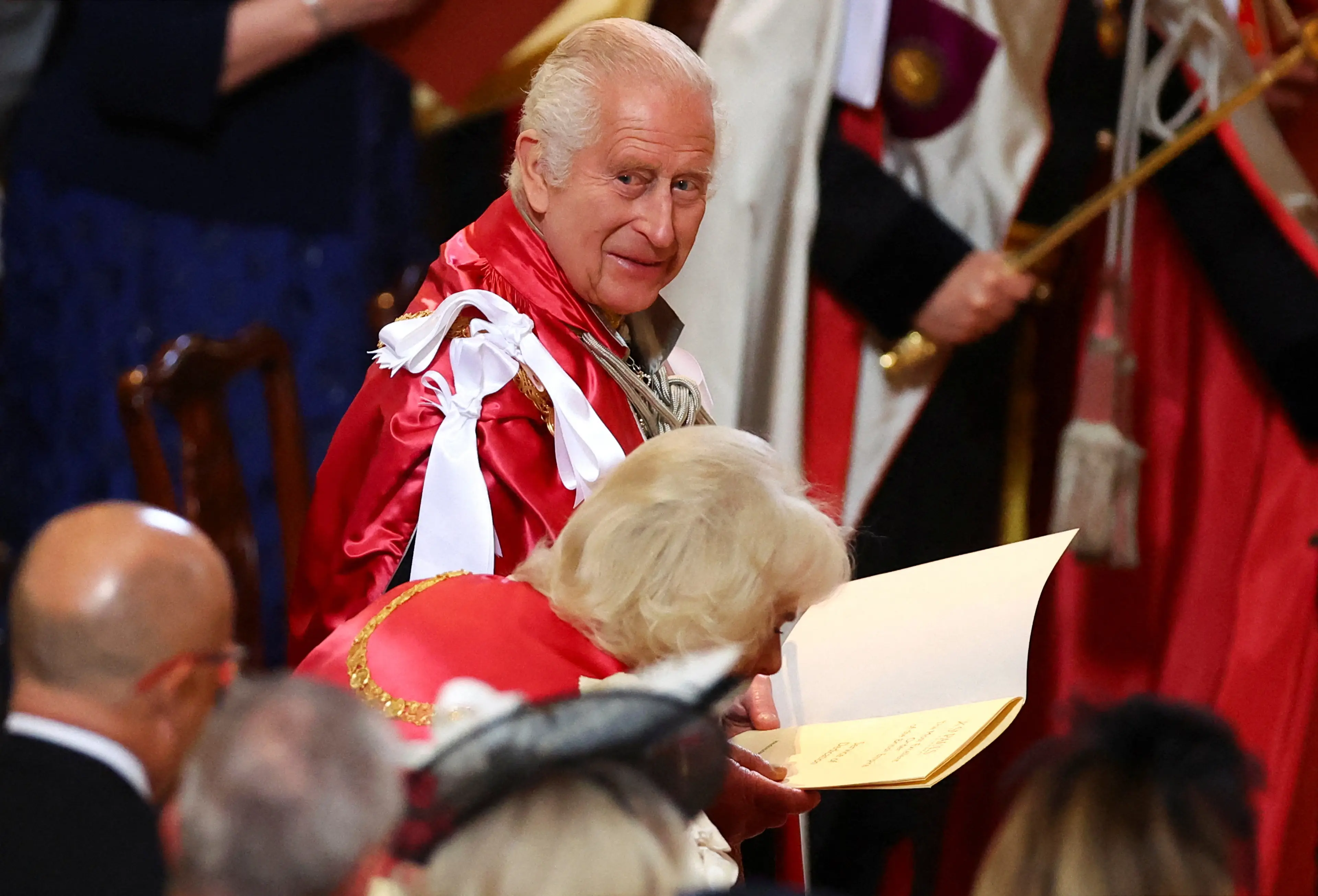
Reasons an honour can be removed
Well, there are a 'variety of reasons' an honour can be 'withdrawn or forfeited'.
Gov UK explains: "This might include being found guilty of a criminal offence, behaviour which results in censure by a regulatory or a professional body, or any other behaviour that is deemed to bring the honours system into disrepute."
And four criteria typically looked at when weighing up if an honour should be stripped include if an individual:
- "has been found guilty by the courts of a criminal offence and sentenced to a term of imprisonment of more than three months
- has been censured or struck off by the relevant regulatory authority or professional body, for actions or failures to act, especially which are directly relevant to the granting of the honour
- has been found guilty by the courts of a criminal offence covered by the Sexual Offences Act 2003 (England and Wales), Sexual Offences Order 2008 (Northern Ireland) or Sexual Offences Act 2009 (Scotland);
- has been found to have committed a sexual act which is listed in the Acts above following a ‘trial of the facts’."
However, it's not limited to these four criteria and any honour will be scrutinised 'where there is evidence to suggest that the retention of an honour would bring the honours system into disrepute'.
An honour can also be forfeited if events come to light from before that person was given the award, not just if they behave inappropriately after receiving it. "For example, a past criminal conviction, even if spent," Gov UK adds.
And it's down to the Forfeiture Committee to decide.
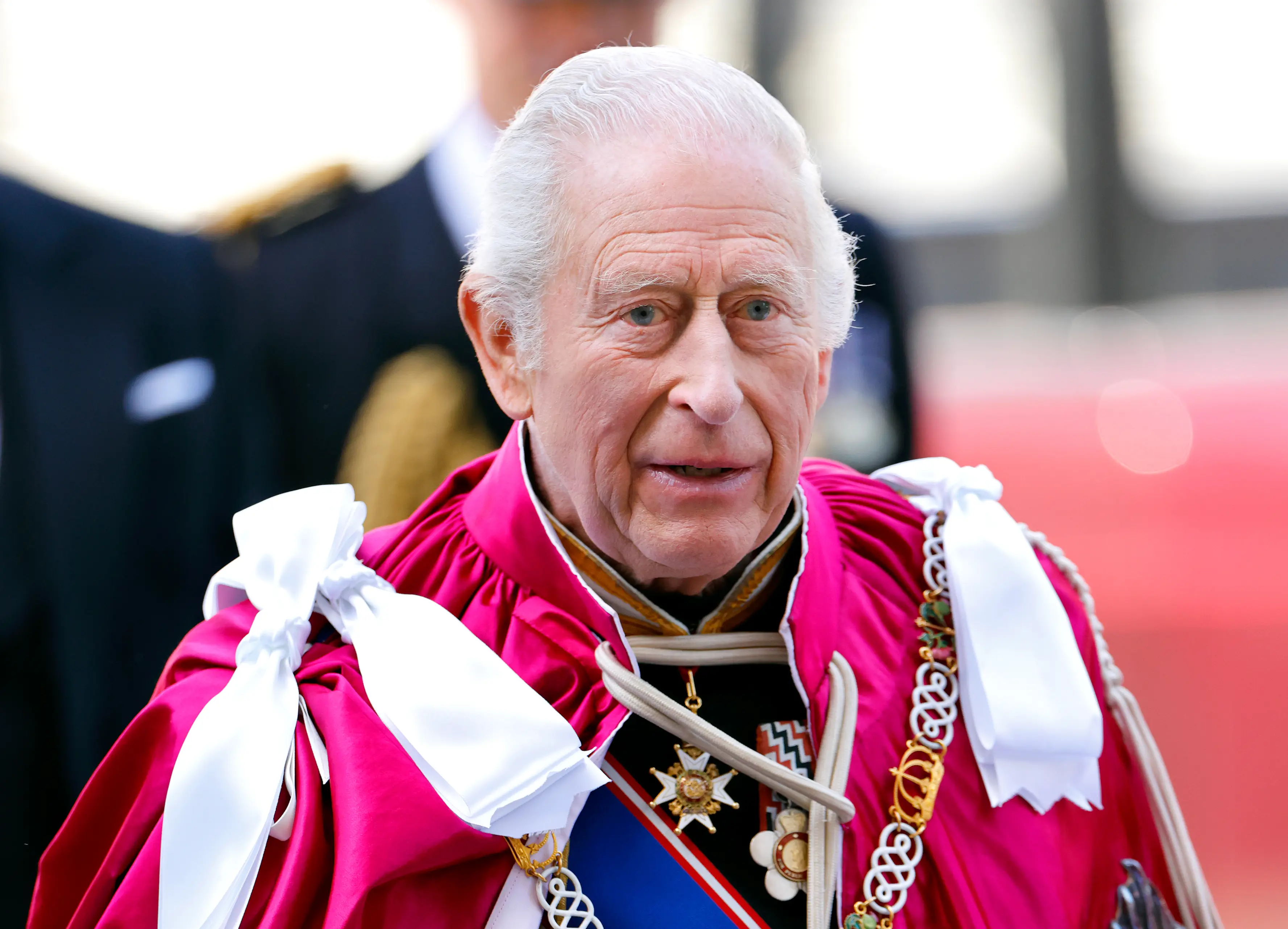
Who decides whether or not an honour is removed
The Forfeiture Committee is currently 'chaired by Dame Sarah Healey, on delegated authority from the Head of the Civil Service'.
"Also on the Committee is Susanna McGibbon, in her role as Treasury Solicitor. There are four independent members - Dame Jane Dacre, Dame Jayne-Anne Gadhia, Stephen Kelly and Sir Hamid Patel," Gov UK states.
But what happens if your honour is stripped?
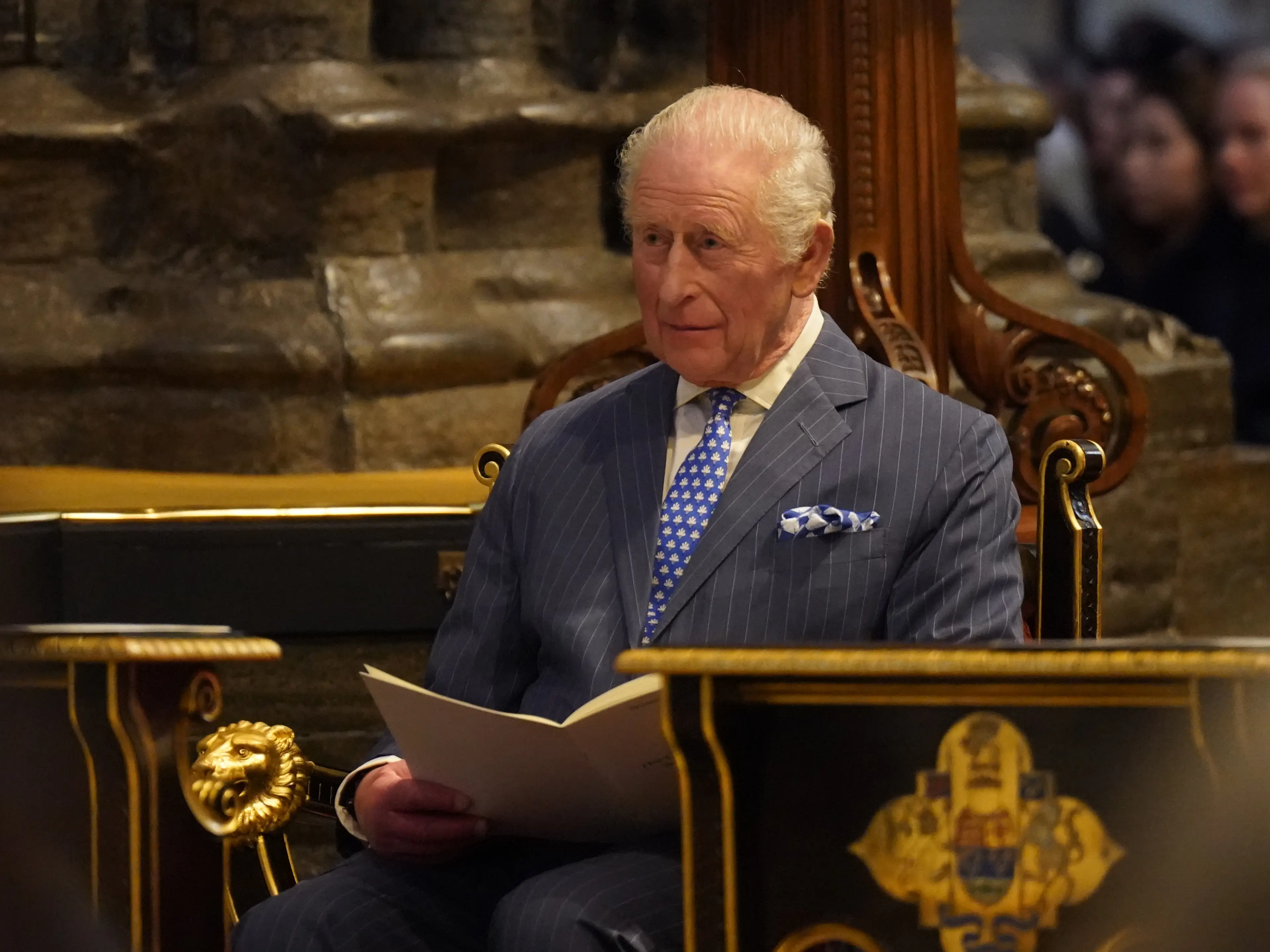
What happens if someone's honour is stripped
If stripped of the honour, you're then asked to 'return insignia to Buckingham Palace' and won't be able to 'make any reference to having an honour in the future'.
"This would include use of the honour post-nominals on websites, publications or business cards," it adds.
And should you ever find yourself in the position where you've received the honour of an OBE or MBE, but have been stripped of it and want to appeal?
Well, you may be asked for 'written representations where the Committee feels that the evidence is not clearcut or where the recipient has been found to have committed a sexual act which is listed in the Acts above following a "trial of the facts"'.
Topics: Royal Family, UK News, King Charles III
 Poppy Bilderbeck