
UK government emergency preparedness warning urges households to keep three days of food, water and cash

The Government has warned households to prepare for a ‘national crisis’ in its latest campaign.
Everyone in the UK has been advised to store three days of food and water, plus keeping cash at the ready in case electronic payment systems go down, reports the Daily Mail.
A checklist of steps, for printing up and keeping at the ready, has been issued which includes purchasing a wind-up or battery radio to know what is going on alongside a battery pack to charge devices such as mobile phones.
While senior figures have been pointing to Russia as a source of danger, Defence Secretary Wes Streeting emphasised the measures would help protect people from the effects of disasters such as cyber-attacks, flooding and wildfires.
Advert
Mr Streeting said ‘everyone needs to do their bit’ with the government message over radio and social media set to continue in the coming weeks.
Speaking at the UK Gun Hall Plant opening in Telford, Mr Streeting asked of the public, “Are they prepared for the eventuality that there may be disruption to essential supply chains caused by hostile state actors or terrorists?
“How would we cope if the payment systems of the local supermarket went down?
“Those are the sorts of everyday challenges and threats that we could well face, and it is right that we ask the country to be ready for those things and to ask everyone to do their bit.”
His words coincided with the launch of the preparedness message via the Be Ready site on the government website, launched on Thursday October 22.
In addition to warning people to store three days of food and keep a wind-up radio handy, the site advised on three litres of water per person per day for tasks including cooking and washing.
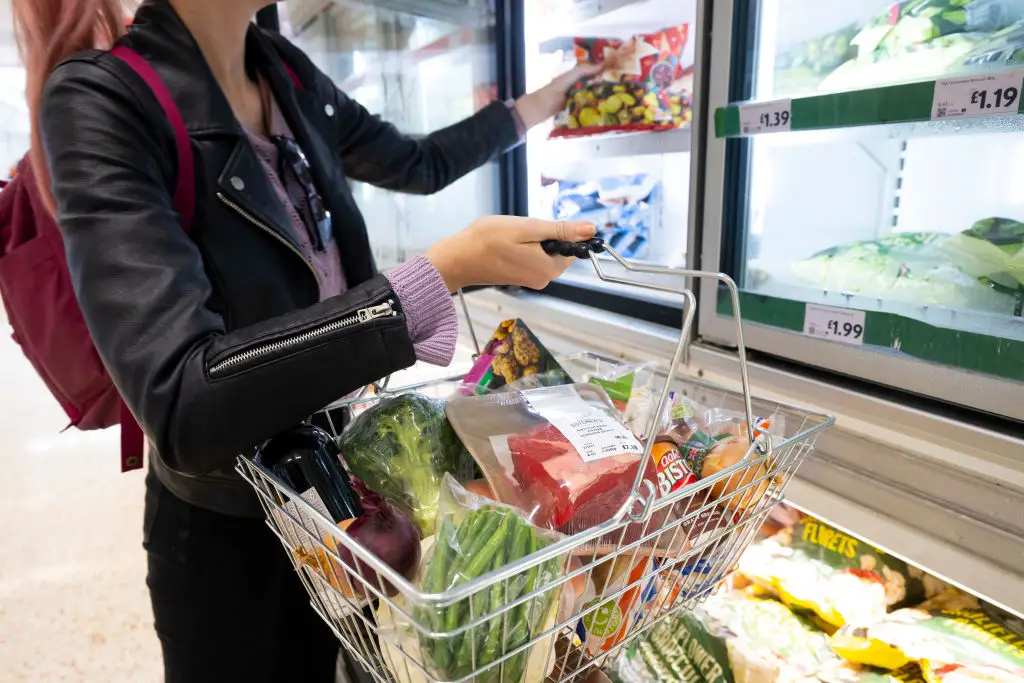
The stockpile needs to include “food with a long shelf life that doesn't need refrigeration or cooking eg tinned meat, fish or vegetables, dried fruit and nuts.
“It's best to buy food you'd usually eat,” the site said.
Torches should be included ahead of candles, with blankets and warm clothing emphasised because, “homes can become cold very quickly when the heating goes off”.
With regards to cash, the guidance advised on keeping a “mix of coins and notes... in case electronic payments or ATMs are disrupted.
“The amount of cash you should keep depends on your family's specific needs for essentials,' the site said.
“Have printed copies of important documents such as passports, birth certificates, insurance policy details and instructions for any medical equipment you rely on.”
Households were told: “For updates during outages, write down frequencies of any national or local radio stations you use for news.”
Families with babies to look after have been told to choose ‘ready-made formulas’, as “you may not be able to boil water to make up powdered formula safely”.
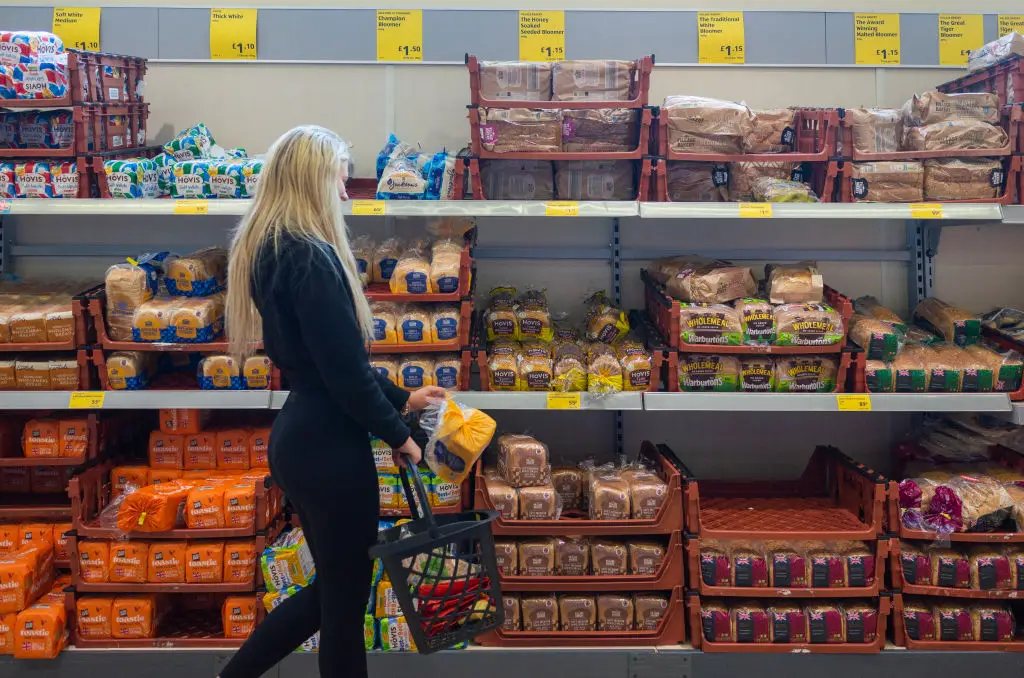
Households were told to 'see what you already have' then check “what you still need, remembering items your family relies on, such as medical supplies, baby formula or pet food”.
The site says the measures can be put in place ‘gradually,’ rather than through panic buying.
“Pick up missing items when you can during your regular shopping trips to help spread the cost,” is advised.
Households can 'check it regularly'.
“Set a reminder every six months to check expiry dates and swap out items that need replacing, or update your kit if your household's needs have changed.”
The site added: “Talk to your neighbours about what extra support you might be able to share during an outage and swap contact details.”
Topics: Cost of Living, News
 Michael D. Carroll